Basic Addition Easy Worksheets for Ages 3-7
22 filtered results
-
From - To
Discover our "Basic Addition Easy Worksheets for Ages 3-7," designed to make learning math fun and engaging for young learners! These printable worksheets feature colorful and interactive exercises, perfect for preschool and early elementary school children. Our resources help kids develop crucial addition skills through relatable contexts and playful designs, fostering a positive attitude toward math from an early age. Parents and educators can easily access and print these user-friendly worksheets at home or in the classroom, encouraging children to practice essential math concepts confidently. Start your child's math journey today with our exciting Basic Addition worksheets!
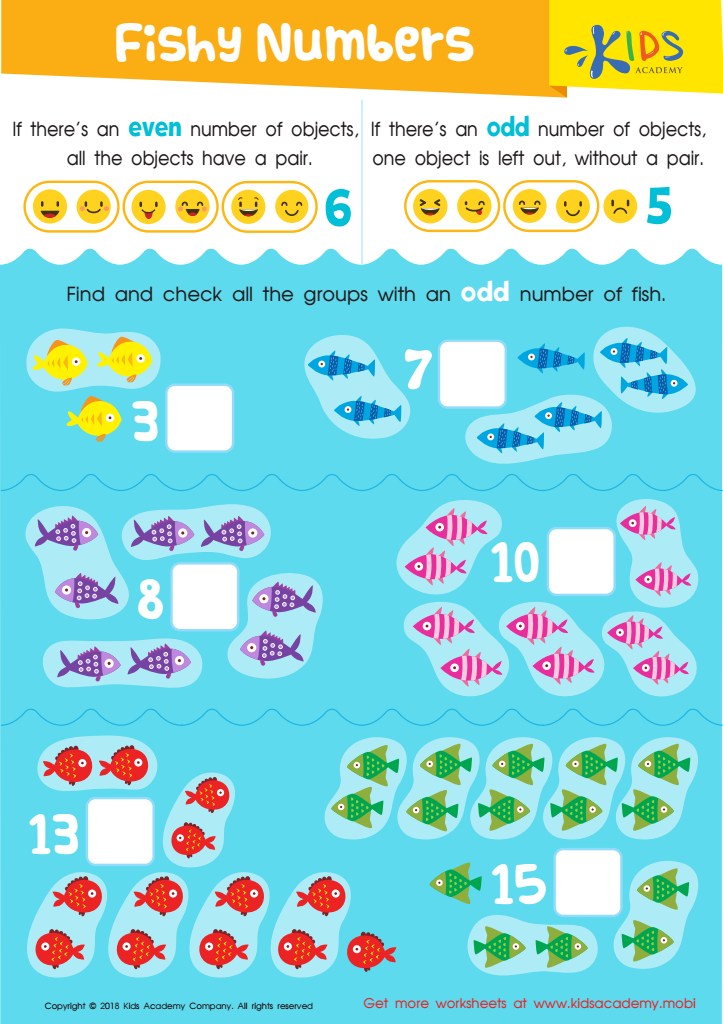
Fishy Numbers Worksheet
 Assign to My Students
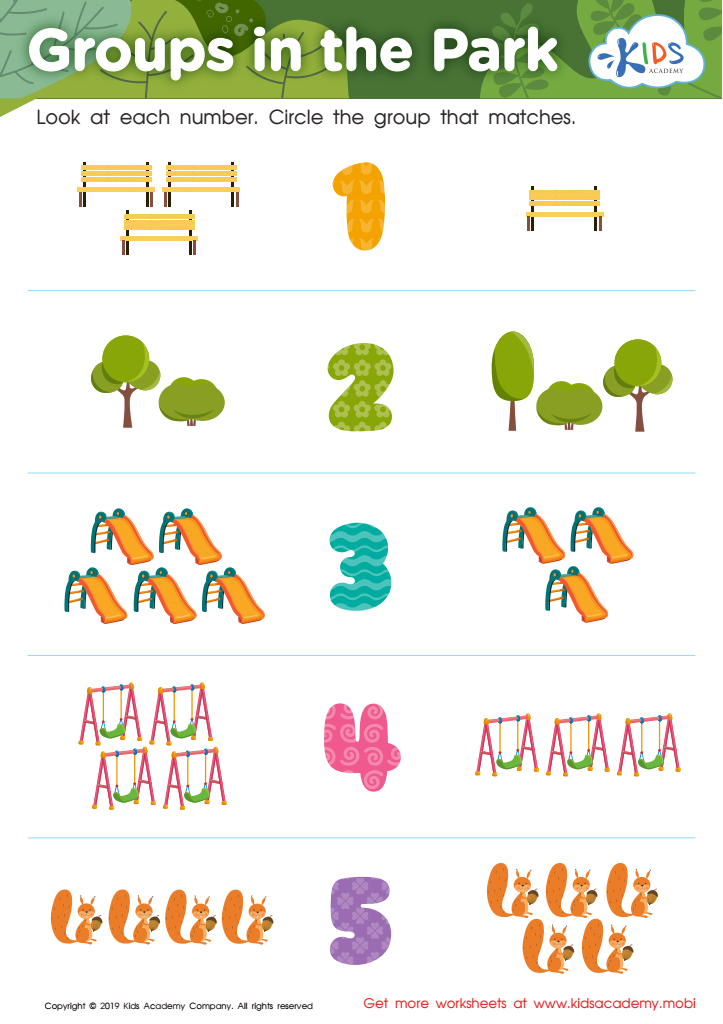
Groups in the Park Worksheet
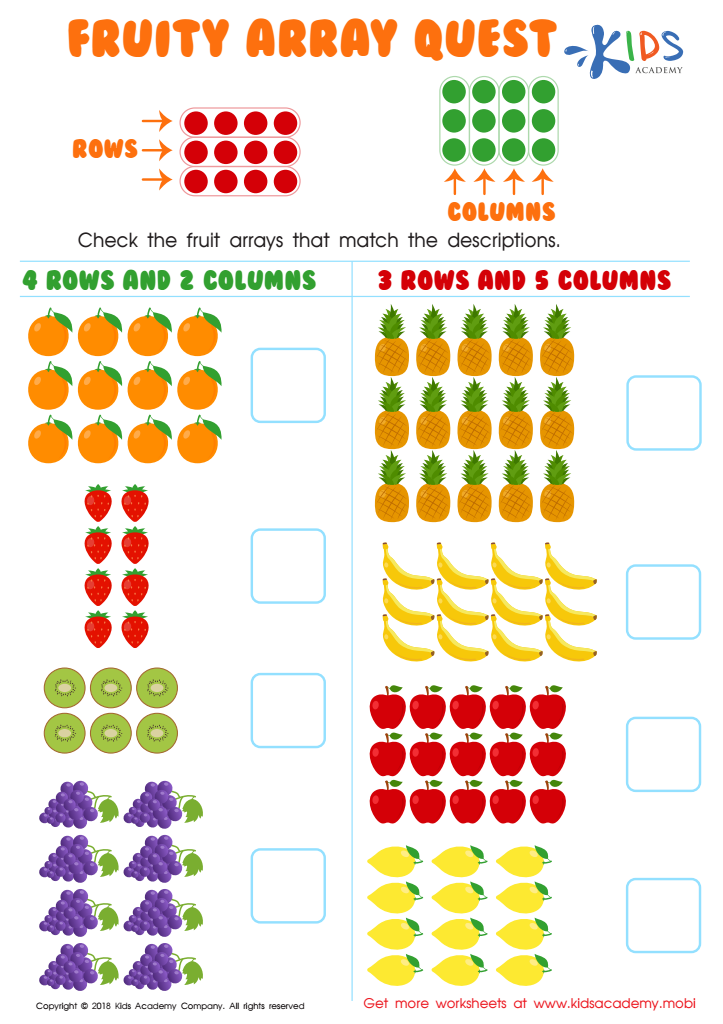
Fruity Array Quest Worksheet
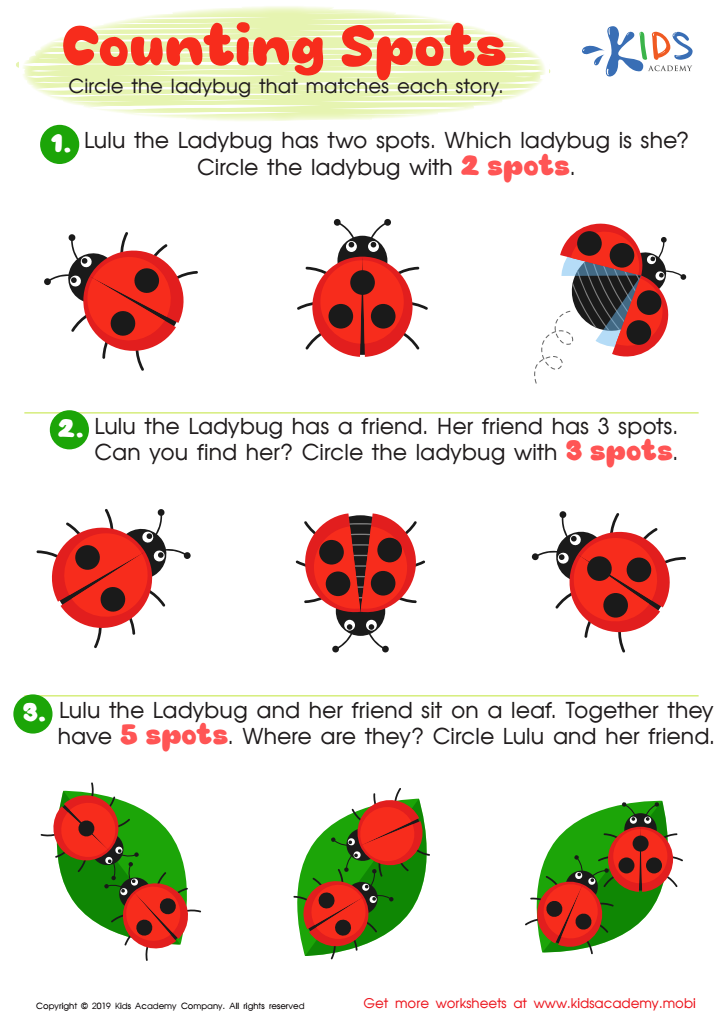
Counting Spots Worksheet
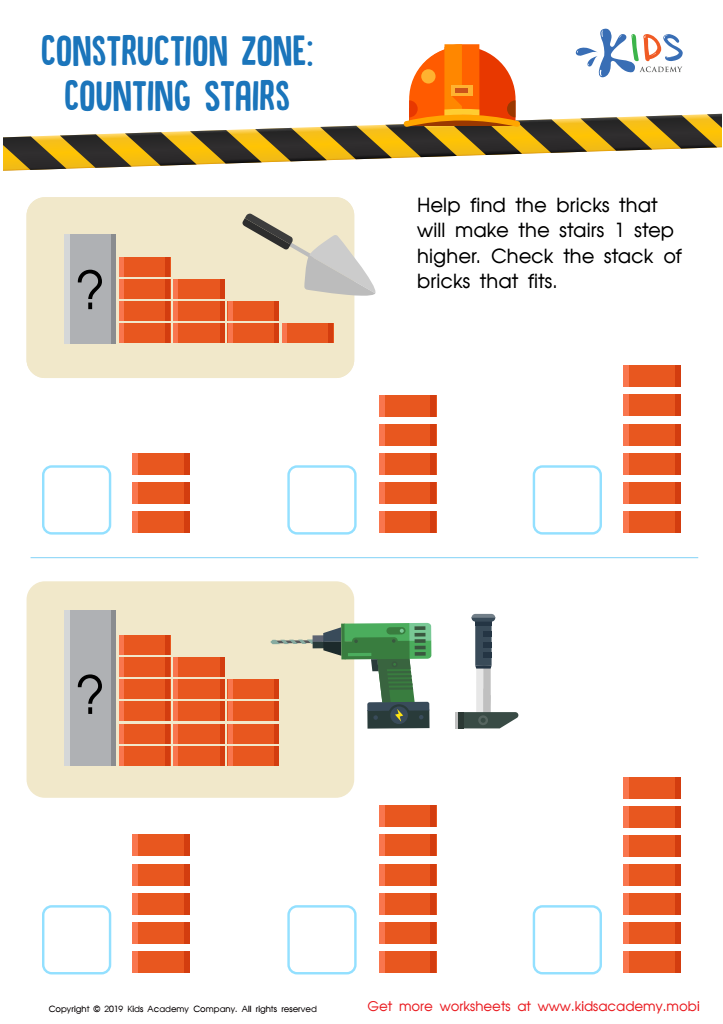
Construction Zone: Counting Stairs Worksheet
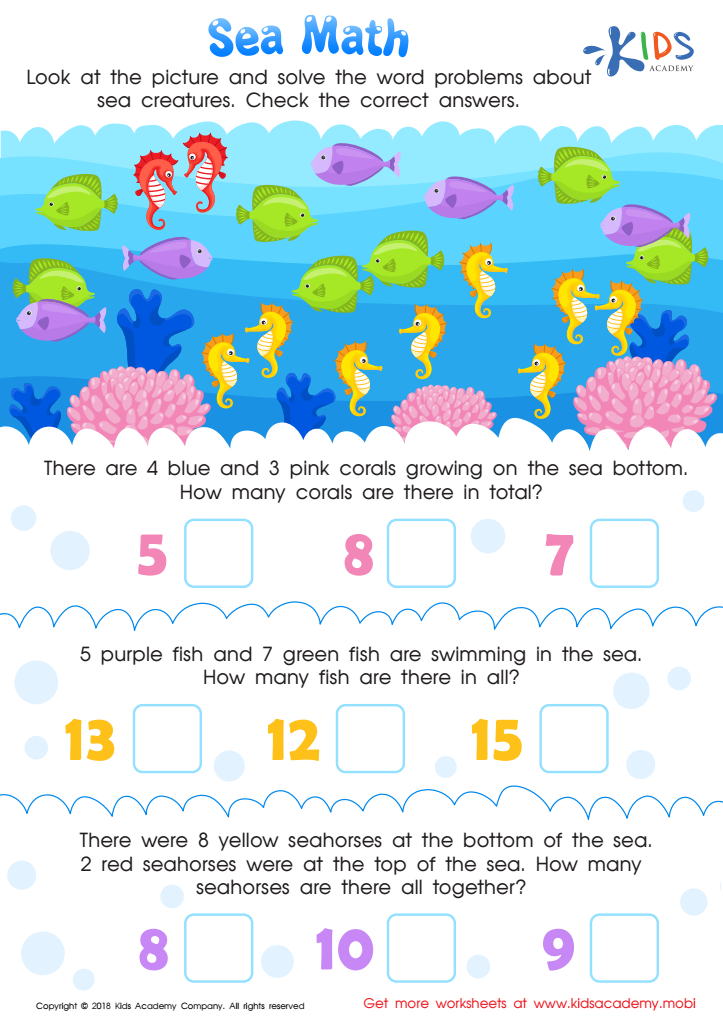
Sea Math Worksheet
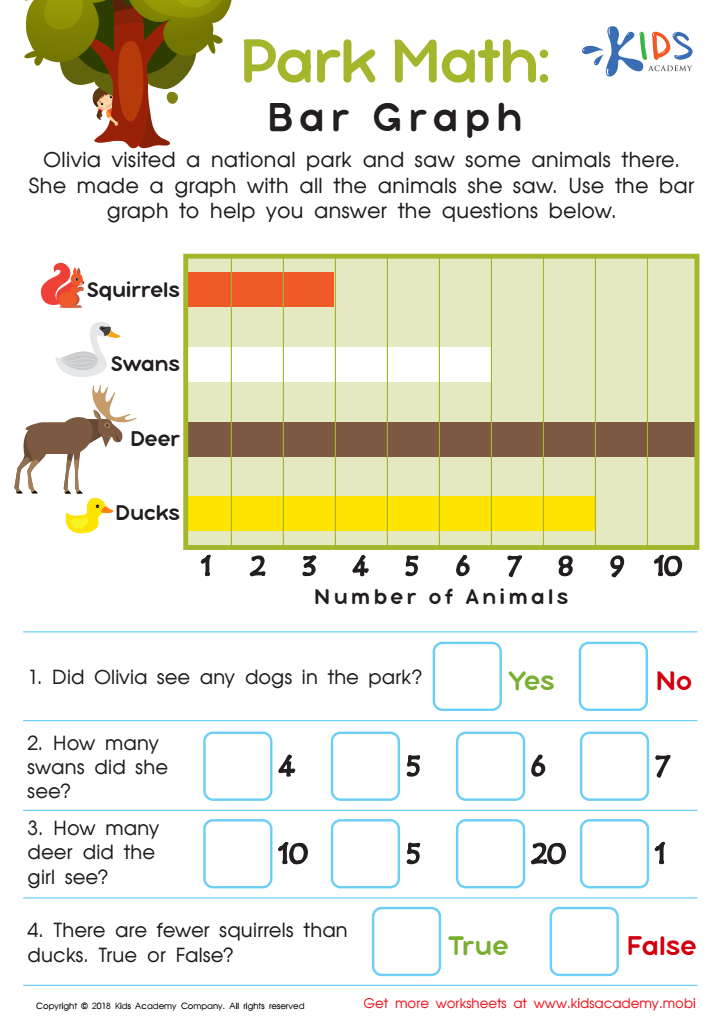
Park Math: Bar Graph Worksheet
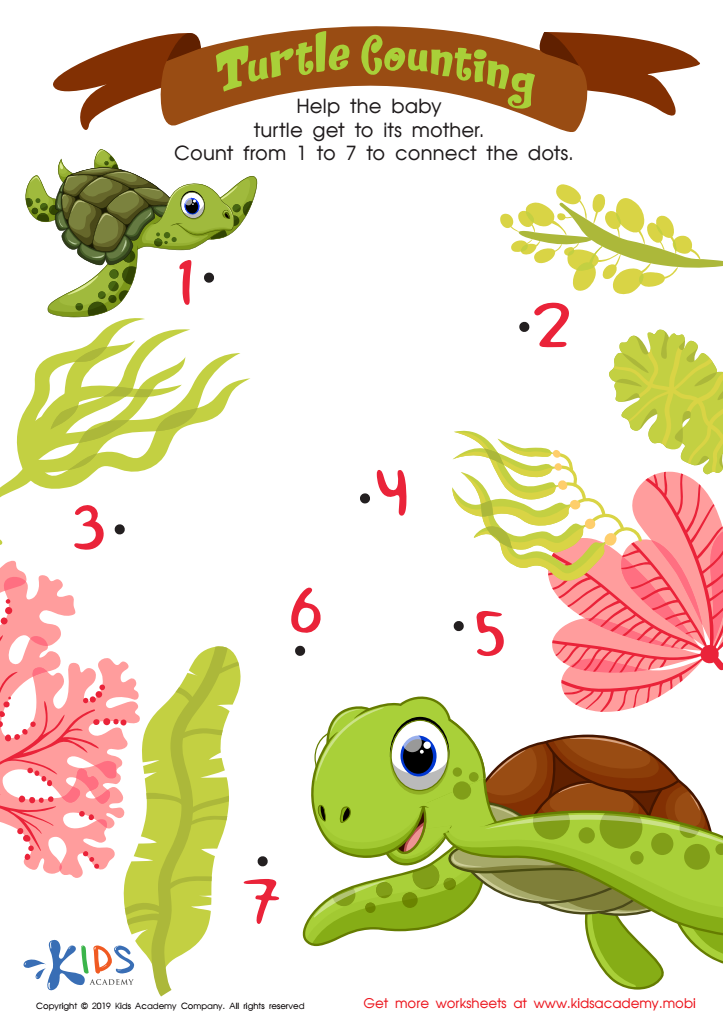
Turtle Counting Worksheet
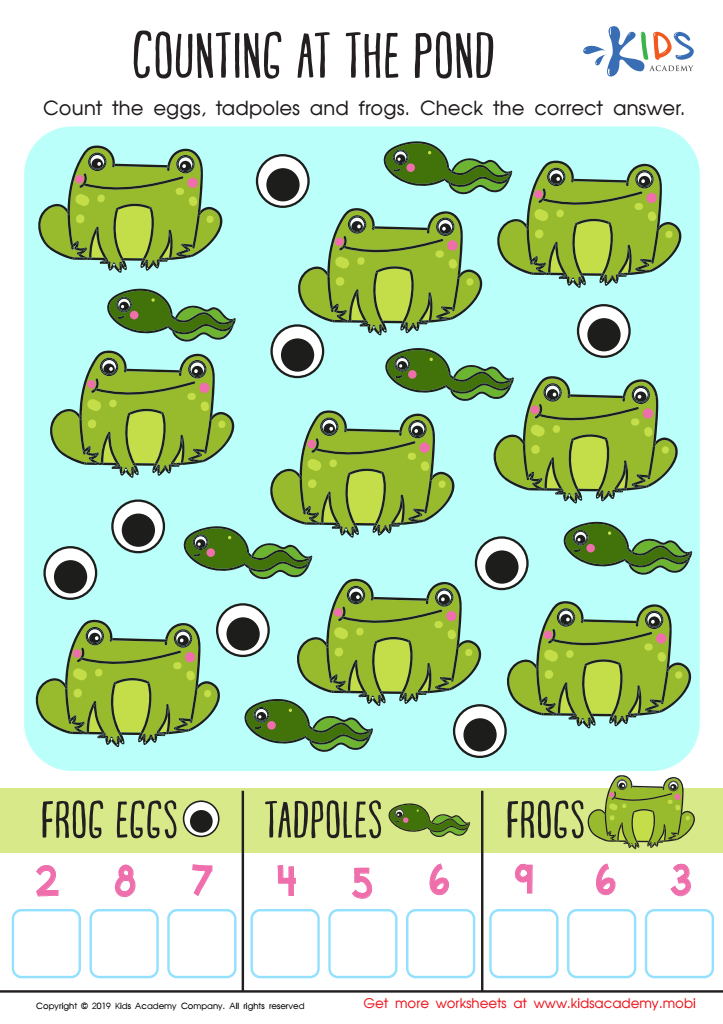
Counting at the Pond Worksheet
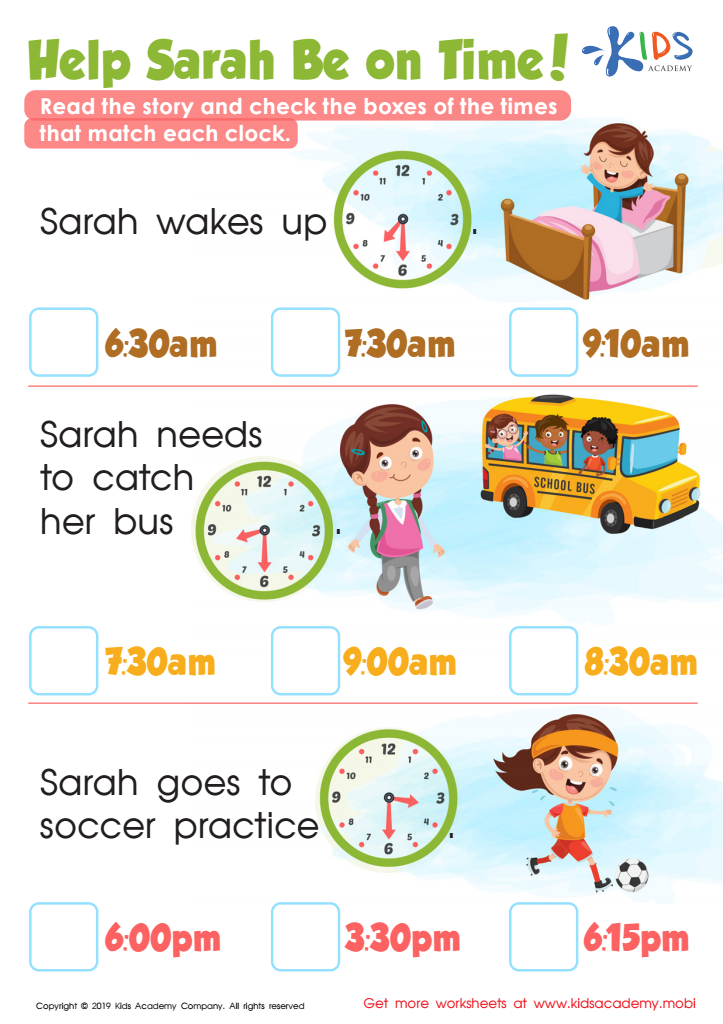
Help Sarah Be on Time! Worksheet
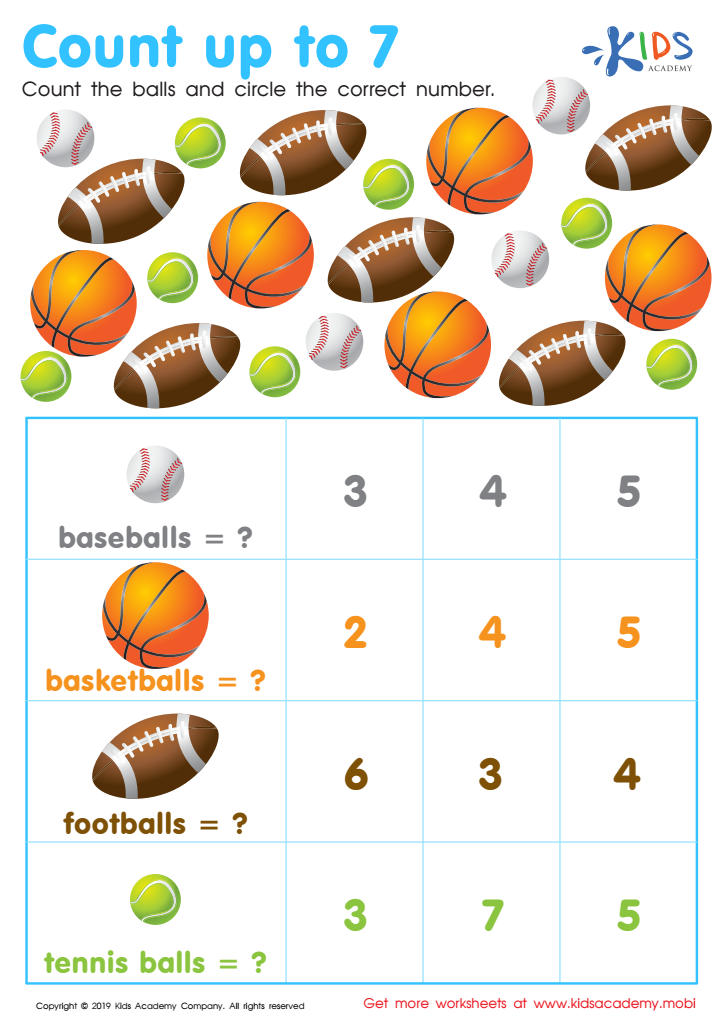
Count up to 7 Worksheet
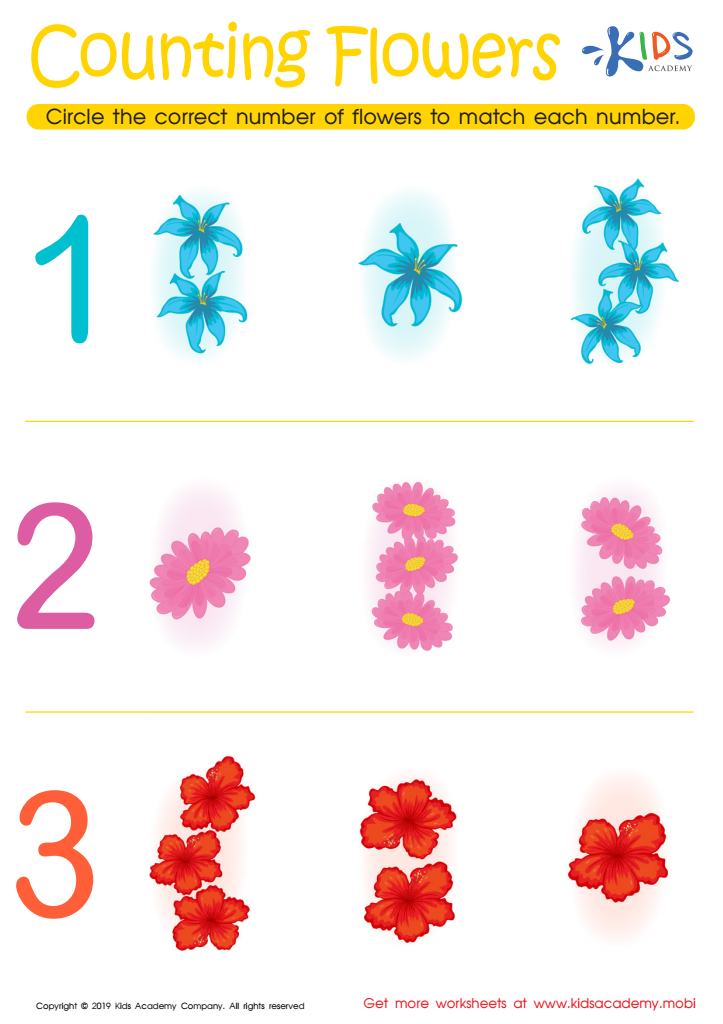
Counting Flowers Worksheet
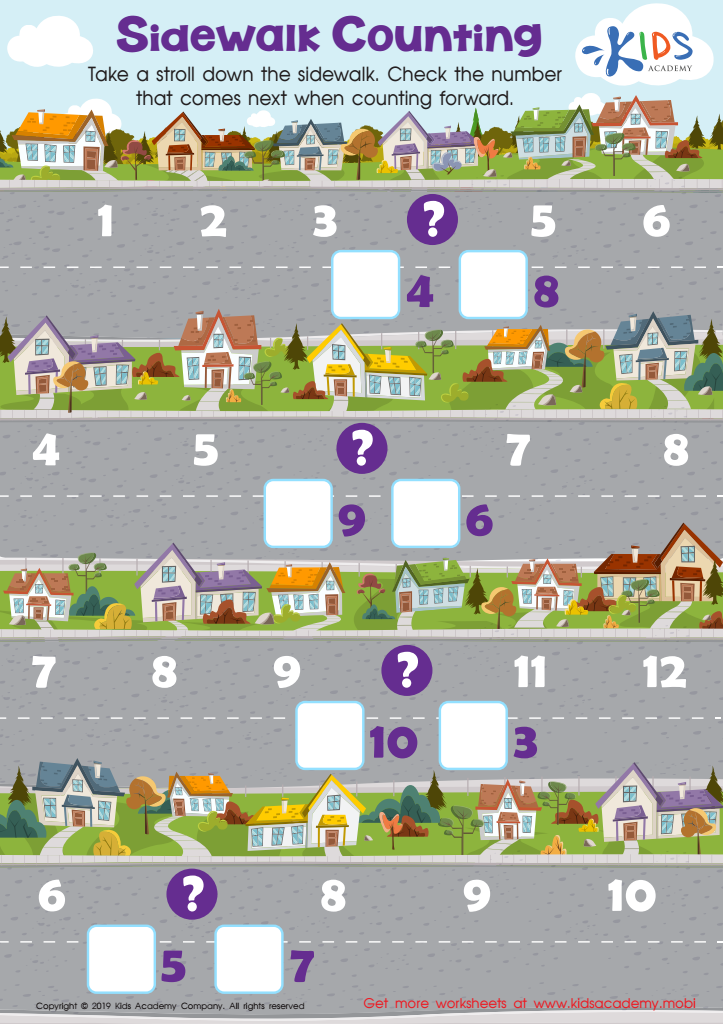
Sidewalk Counting Worksheet
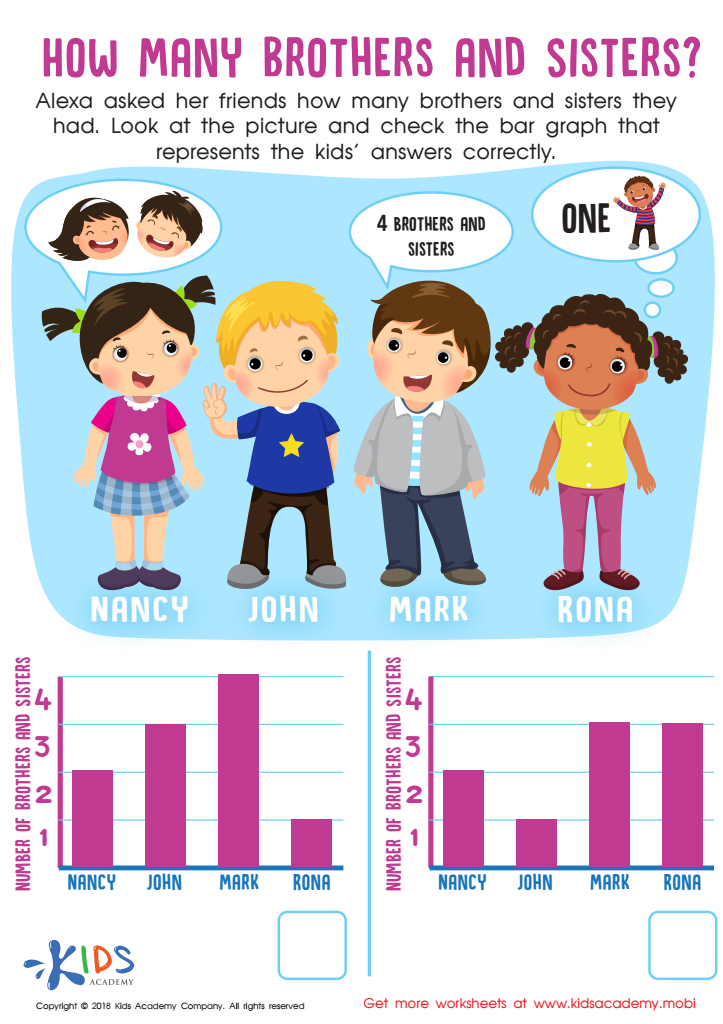
How Many Brothers and Sisters? Worksheet
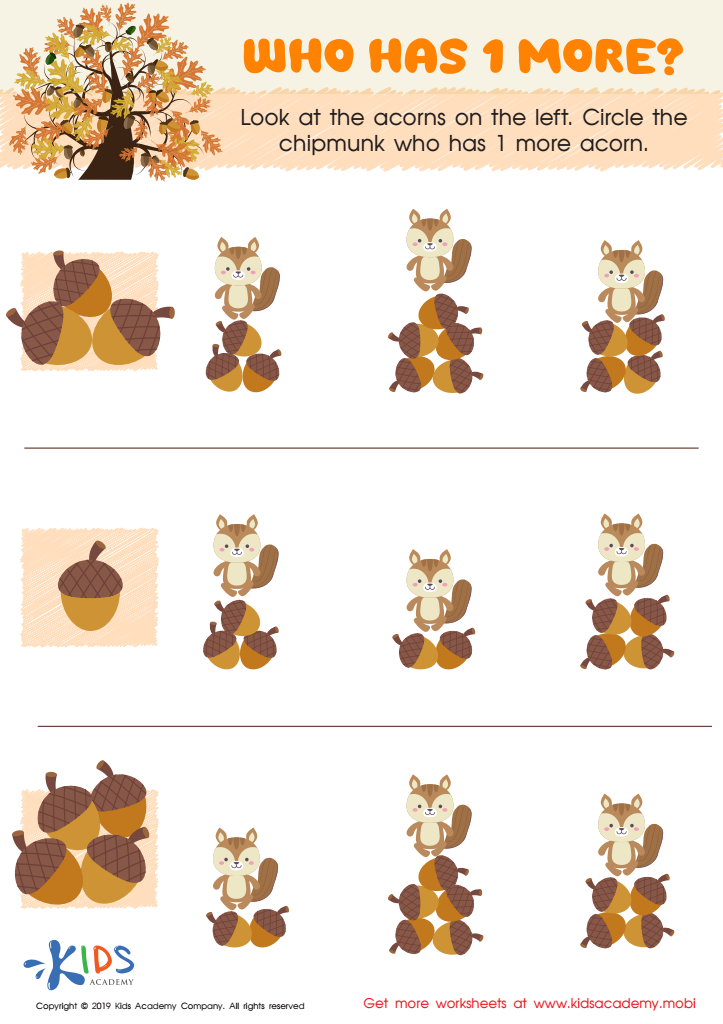
Who Has 1 More? Worksheet
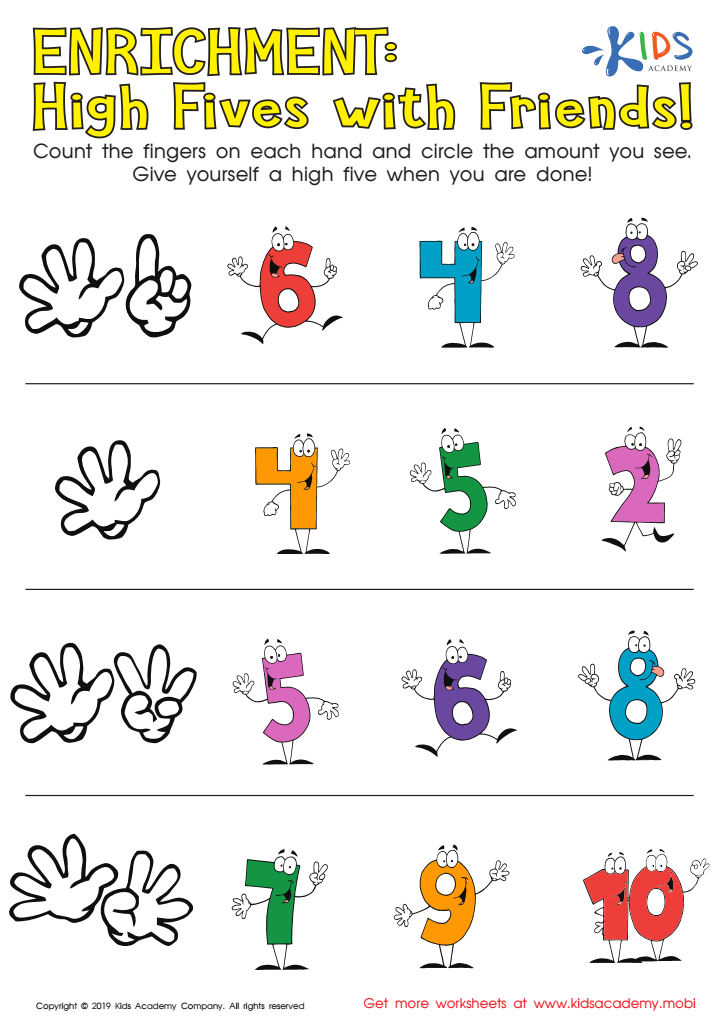
Enrichment: High Fives with Friends! Worksheet
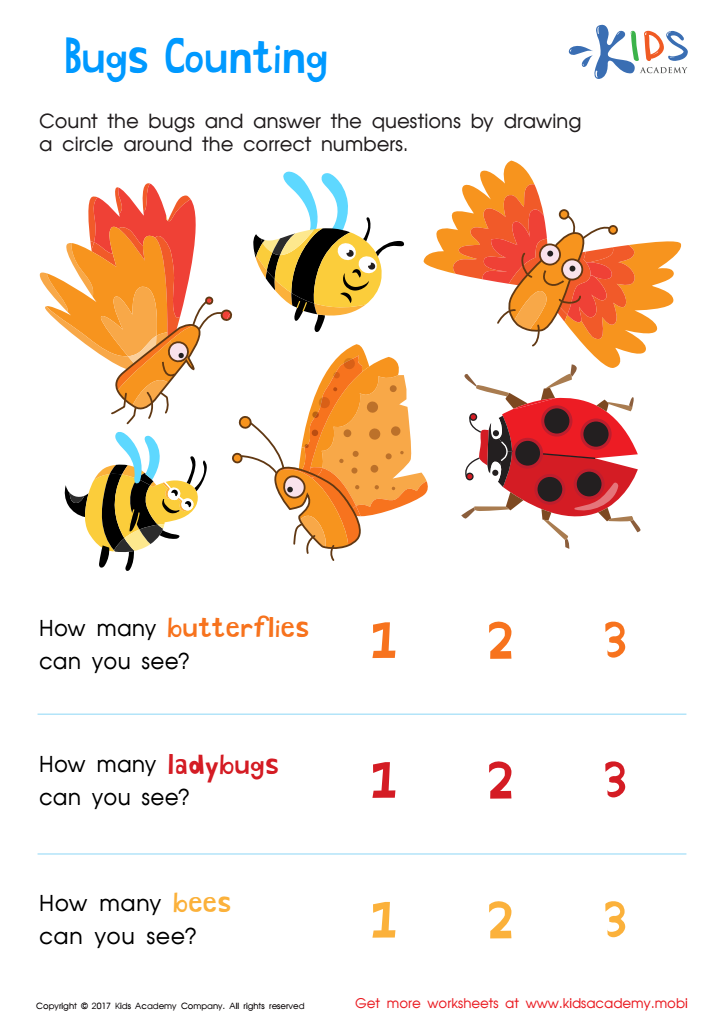
Bugs Counting Worksheet
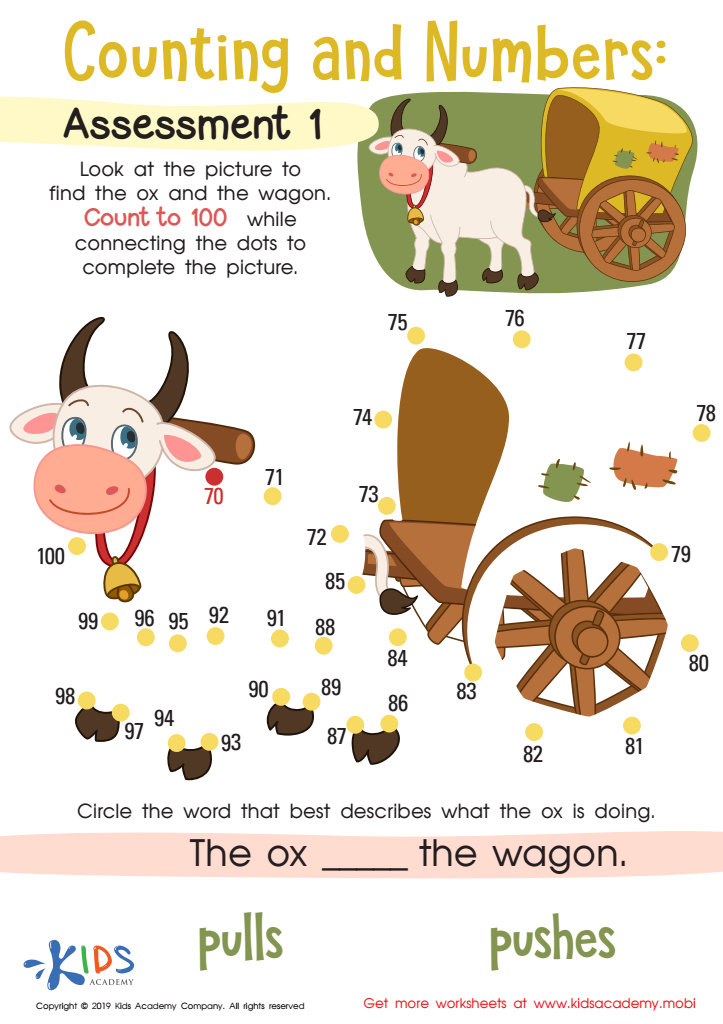
Counting and Numbers: Assessment 1 Worksheet
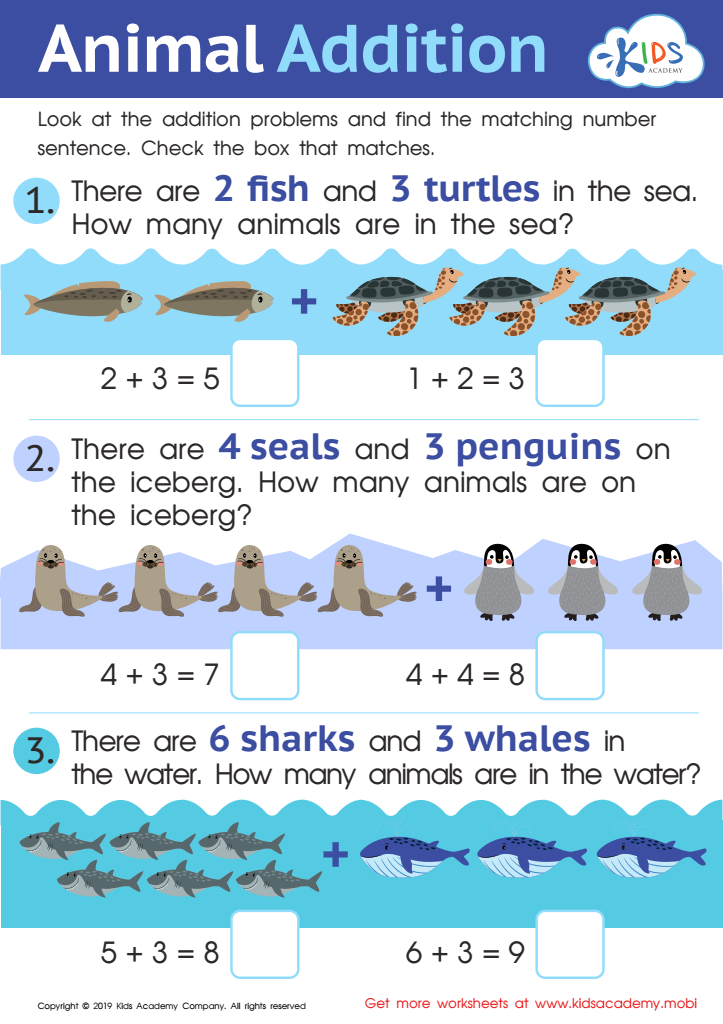
Animal Addition Worksheet
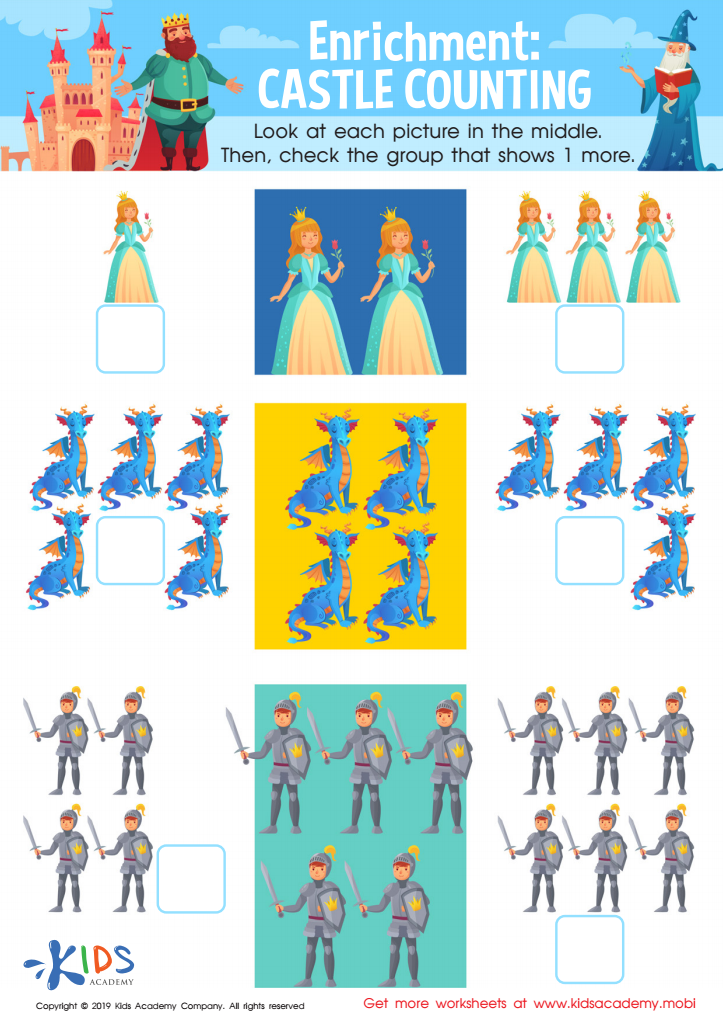
Enrichment: Castle Counting Worksheet
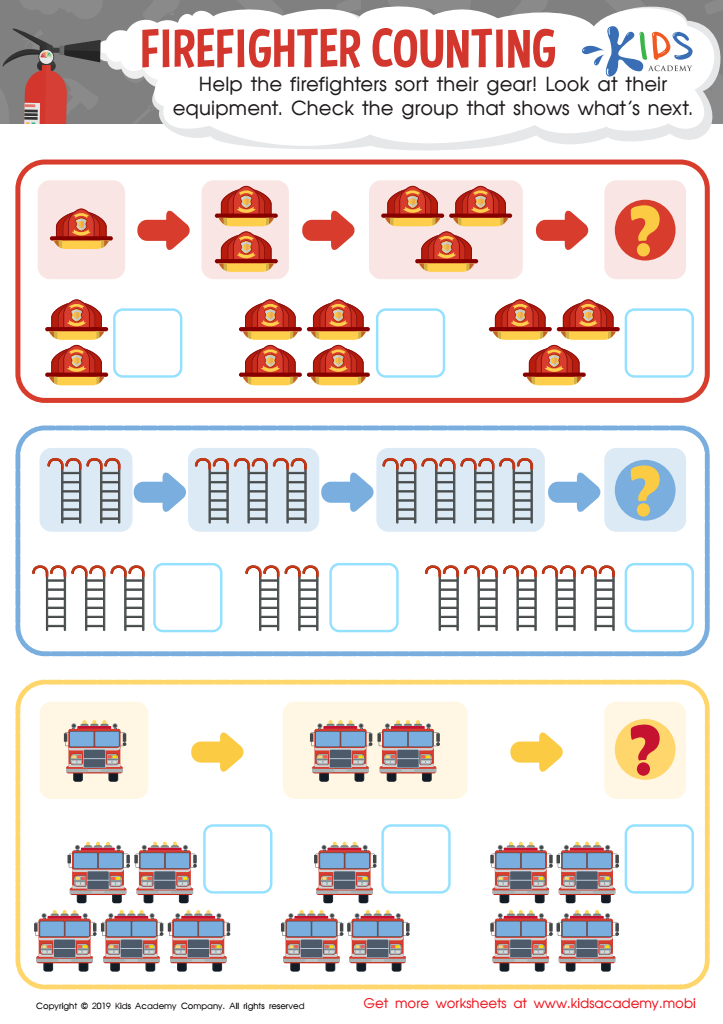
Firefighter Counting Worksheet
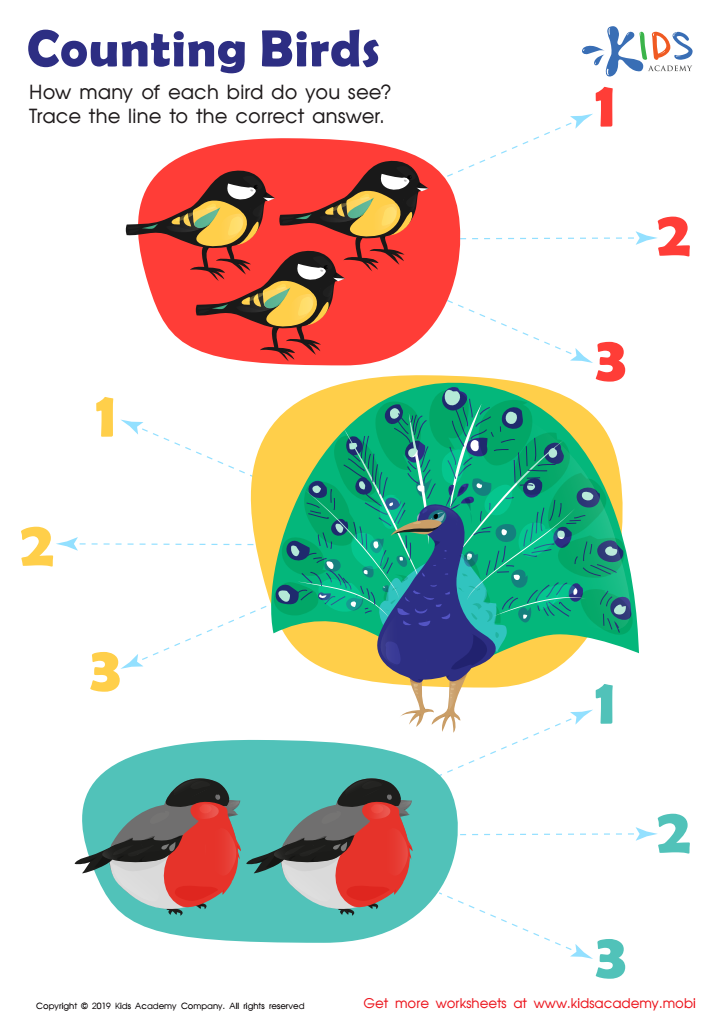
Counting Birds Worksheet








Parents and teachers should care about "Basic Addition Easy" for ages 3-7 because early mathematical skills form a crucial foundation for lifelong learning. Introducing basic addition at this age helps children develop critical analytical abilities, enhancing their cognitive skills and promoting logical thinking. Mastering simple addition fosters confidence, as children gain a sense of achievement while solving problems.
Moreover, engaging with basic addition aids in developing essential social skills. Collaborative learning experiences, such as playing math games or engaging in group activities, encourage teamwork and communication. This social interaction not only bolsters mathematical understanding but also nurtures emotional intelligence.
Additionally, children exposed to early math concepts often perform better in school settings. Research has shown that early numeracy skills are closely linked to future academic success in various subjects, including reading and science. By providing a playful, supportive learning environment, parents and teachers can make learning enjoyable, encouraging a positive attitude toward education.
Ultimately, focusing on basic addition for young learners nurtures a strong mathematical foundation that can influence future learning and personal development. This commitment to early education benefits not only the individual child but also fosters a healthier, more knowledgeable society.








