Fine motor skills (writing) Easy Worksheets for Ages 3-7
3 filtered results
-
From - To
Welcome to our Fine Motor Skills (Writing) Worksheets for ages 3-7! Designed to enhance young learners’ writing abilities, these engaging and easy-to-use worksheets provide fun activities that develop crucial fine motor skills. Each worksheet is tailored to capture children's attention while aiding in hand-eye coordination and pencil grip. From tracing letters to connecting dots, these activities encourage creativity and boost confidence in budding writers. Perfect for parents and educators alike, our printable worksheets offer an enjoyable way for children to practice writing skills at their own pace. Explore our collection today and support your child's writing journey!
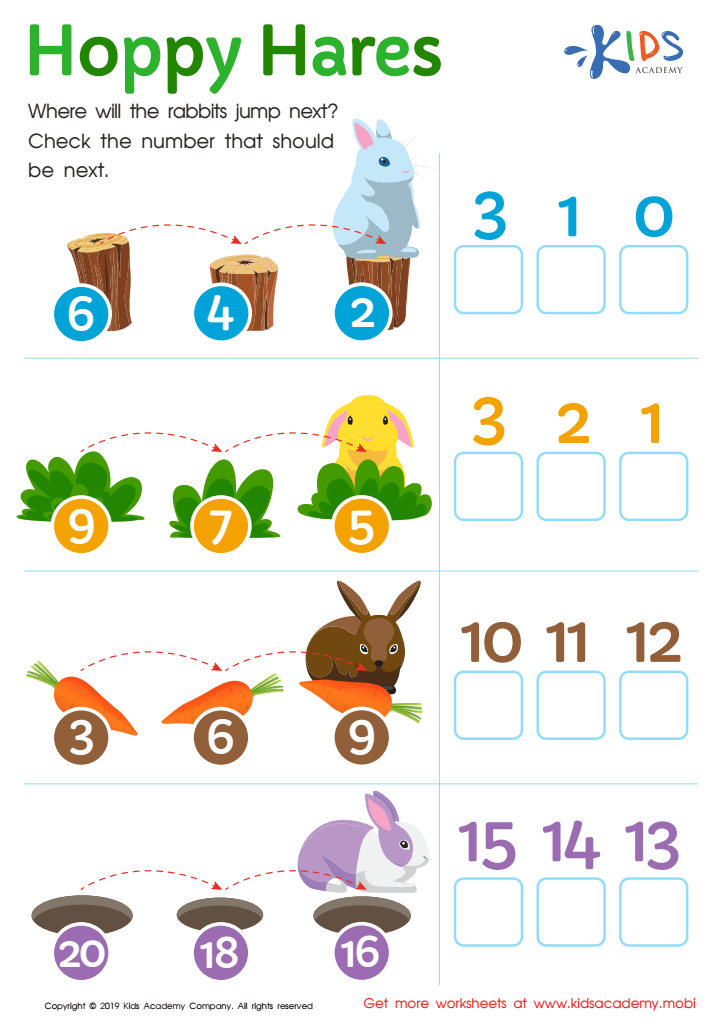
Hoppy Hares Worksheet
 Assign to My Students
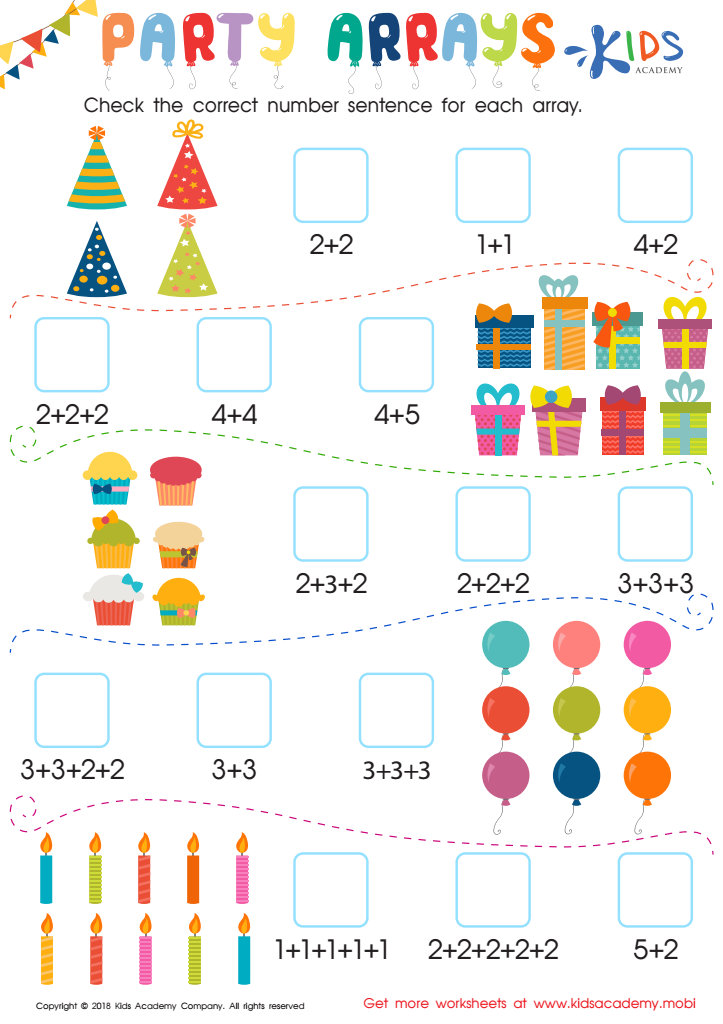
Party Arrays Worksheet
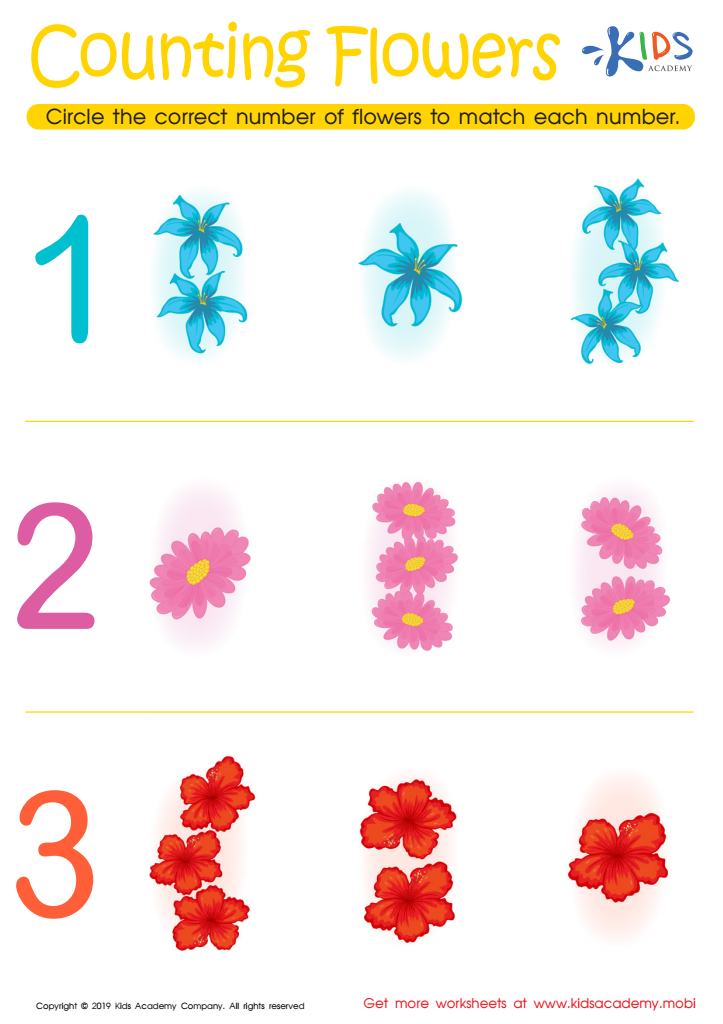
Counting Flowers Worksheet







Fine motor skills are essential for young children, especially between ages 3 to 7, as they significantly impact their development and daily activities. These skills involve the coordination of small muscles in the hands and fingers, vital for tasks like writing, coloring, and buttoning clothes.
Parents and teachers should care about fine motor skills because they form the foundation for effective handwriting and overall academic performance. As children develop these skills, they not only enhance their ability to write but also improve their hand-eye coordination, which is crucial for various activities.
Improving fine motor skills boosts a child's confidence and self-esteem, allowing them to accomplish age-appropriate tasks successfully. Engaging in activities like drawing, playing with building blocks, or even simple crafts can foster these skills in a fun and enjoyable way.
Additionally, strong fine motor skills can help reduce frustration for young learners when they face writing tasks. Supporting their development creates a more engaging learning environment, making education a positive experience. Therefore, caring about fine motor skills' development is essential for children's growth, learning, and independence, setting them on a path for future academic success.








