Hand-eye Coordination Easy Worksheets for Ages 3-7 - Page 2
27 filtered results
-
From - To
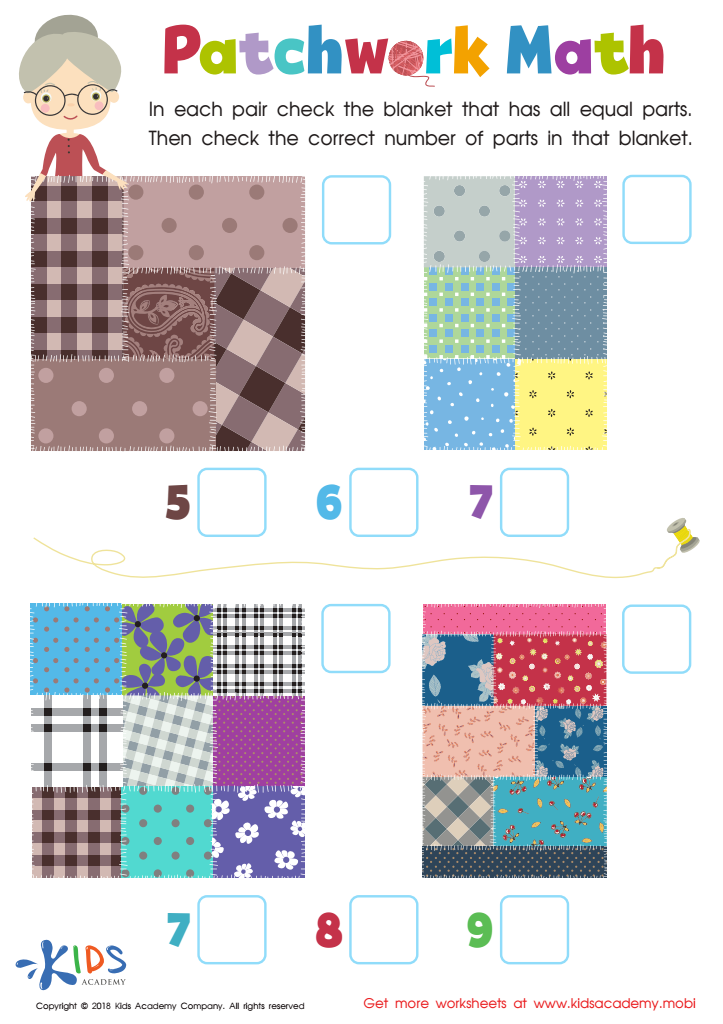
Patchwork Math Worksheet
 Assign to My Students
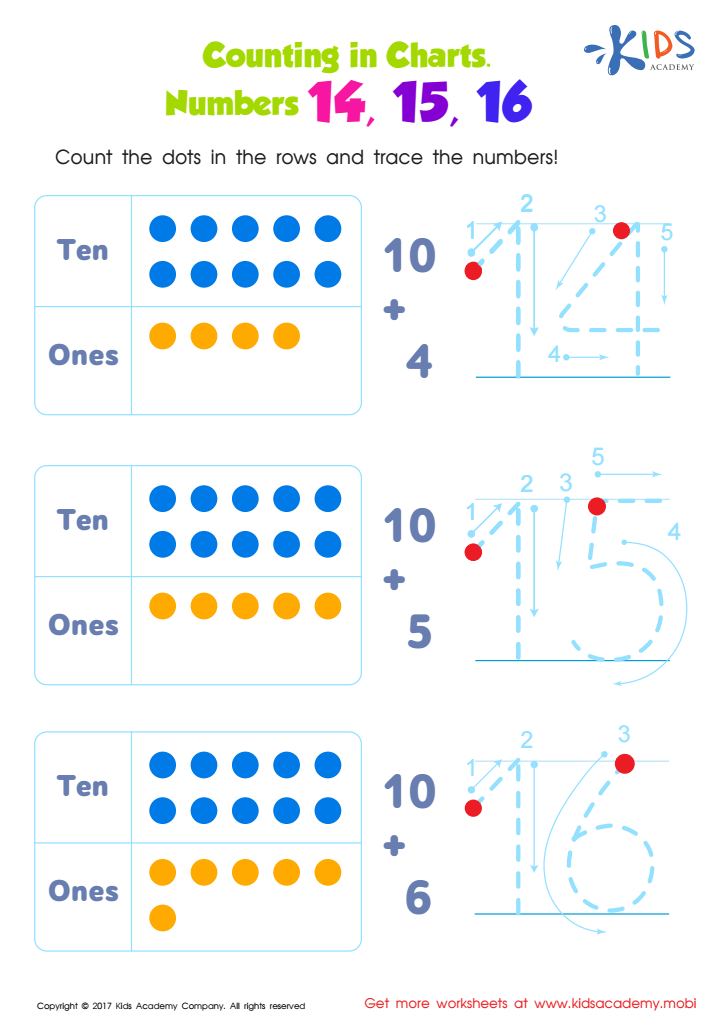
Number Tracing Worksheet
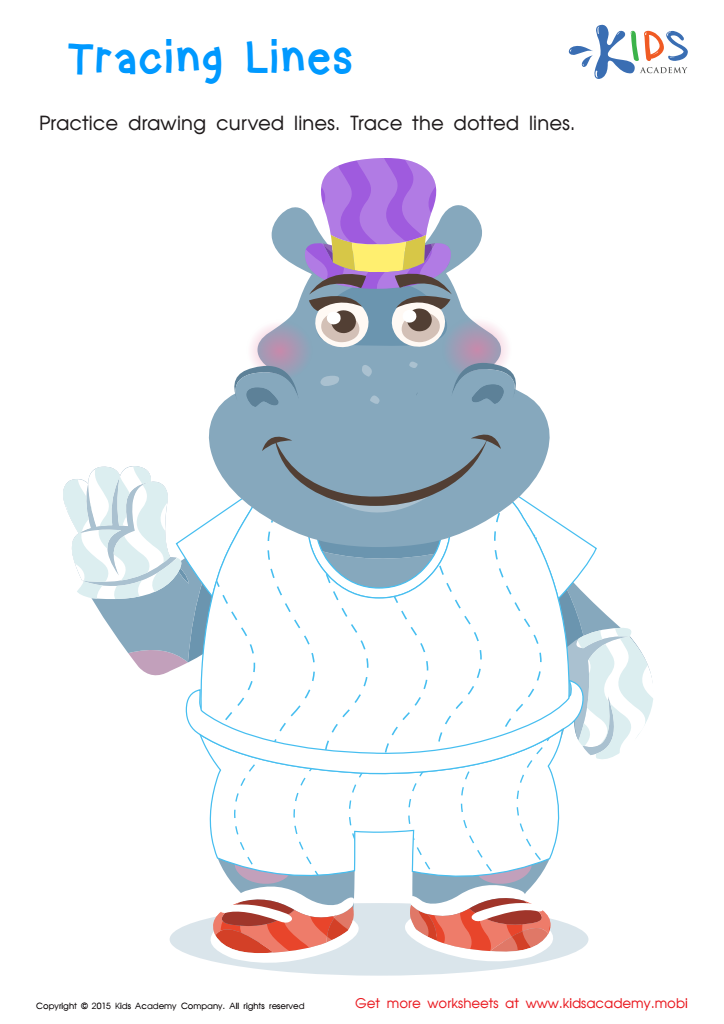
Tracing Lines Worksheet







Hand-eye coordination is a crucial skill for young children aged 3-7 as it serves as a foundation for various developmental milestones. First and foremost, strong hand-eye coordination is essential for performing basic tasks such as writing, drawing, and self-feeding. These activities not only enhance fine motor skills but also foster a child’s independence and confidence.
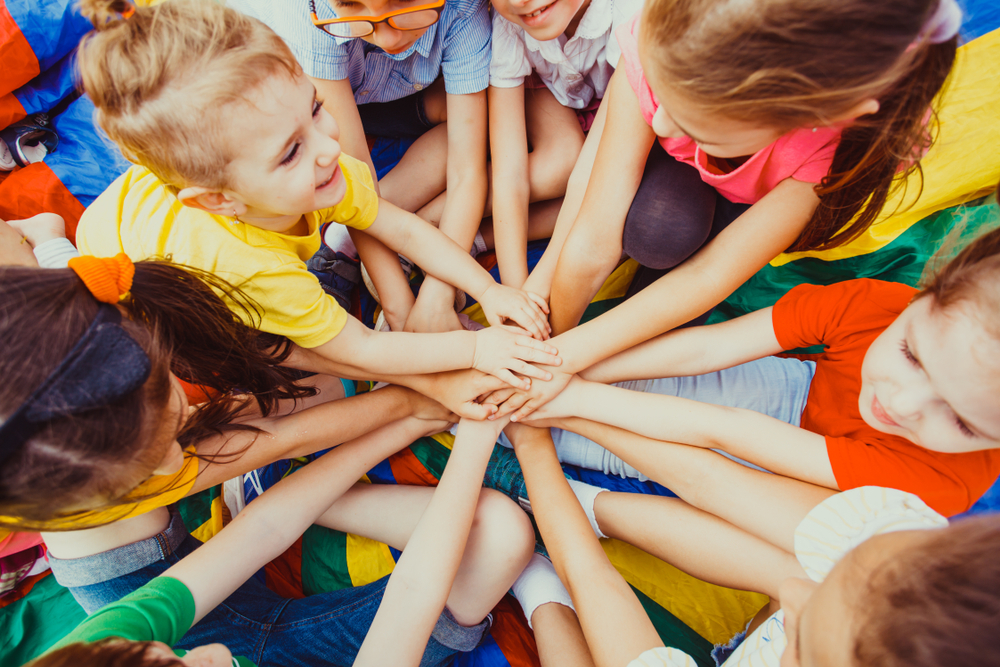
Parents and teachers should care about developing this skill because it significantly impacts academic performance and overall learning. Activities that promote hand-eye coordination, like playing with building blocks, participating in sports, or engaging in arts and crafts, also encourage social interaction, teamwork, and problem-solving abilities.
Moreover, early development of hand-eye coordination can prevent potential learning difficulties later on. Children who struggle with this skill may find it challenging to engage in school tasks, which could lead to frustration and lower self-esteem. By incorporating fun and interactive activities that promote hand-eye coordination into daily routines, caregivers can provide a supportive environment that nurtures a child's growth and helps them reach their full potential. Ultimately, investing in this fundamental skill enhances not only physical abilities but also emotional and cognitive development, setting the stage for lifelong learning and success.








