Observational skills Easy Worksheets for Ages 3-7
5 filtered results
-
From - To
Welcome to our "Observational Skills Easy Worksheets for Ages 3-7" page! Here, you'll find a curated collection of fun and engaging worksheets designed to enhance young learners' observational skills. These activities are perfect for preschool and early elementary students, promoting critical thinking and attention to detail through enjoyable exercises. Each worksheet encourages children to observe, compare, and identify various elements in their environment, boosting their cognitive development. Printable and easy to use, our resources are ideal for home or classroom settings. Foster a love for observation and exploration with our vibrant, age-appropriate worksheets that make learning a delightful adventure!
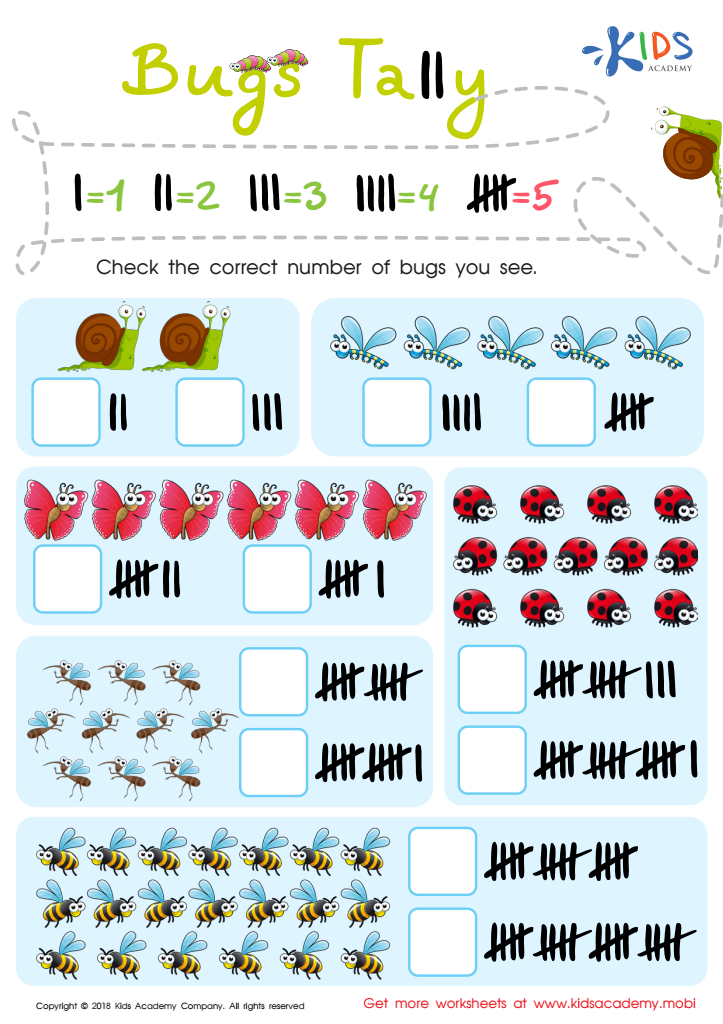
Bugs Tally Worksheet
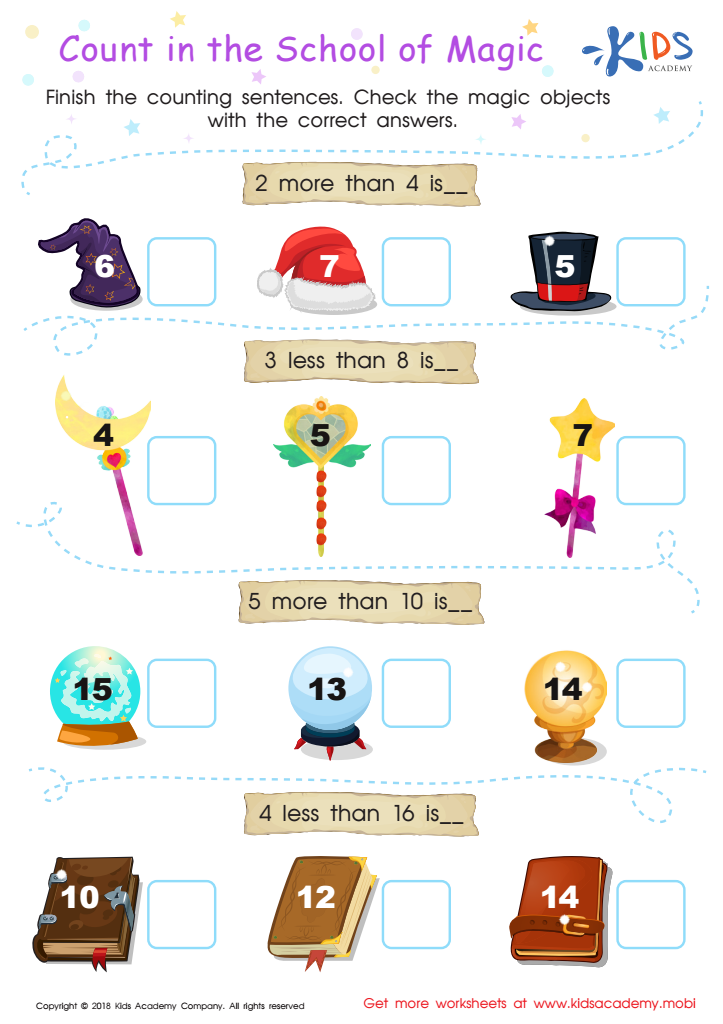
Count in the School of Magic Worksheet
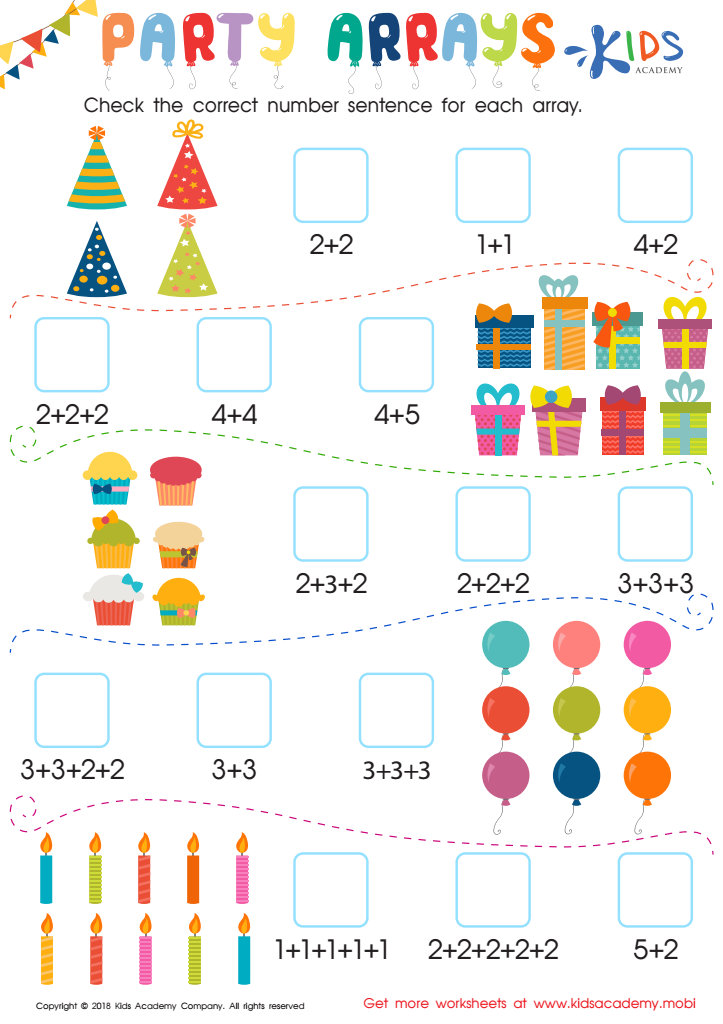
Party Arrays Worksheet
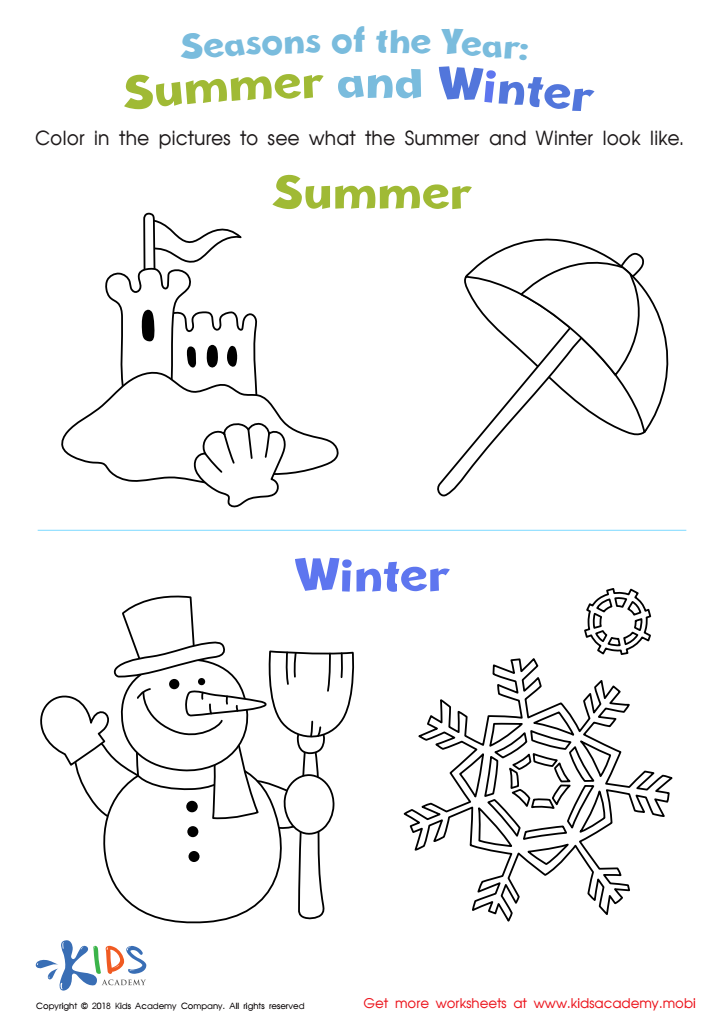
Summer and Winter Worksheet
 Assign to My Students
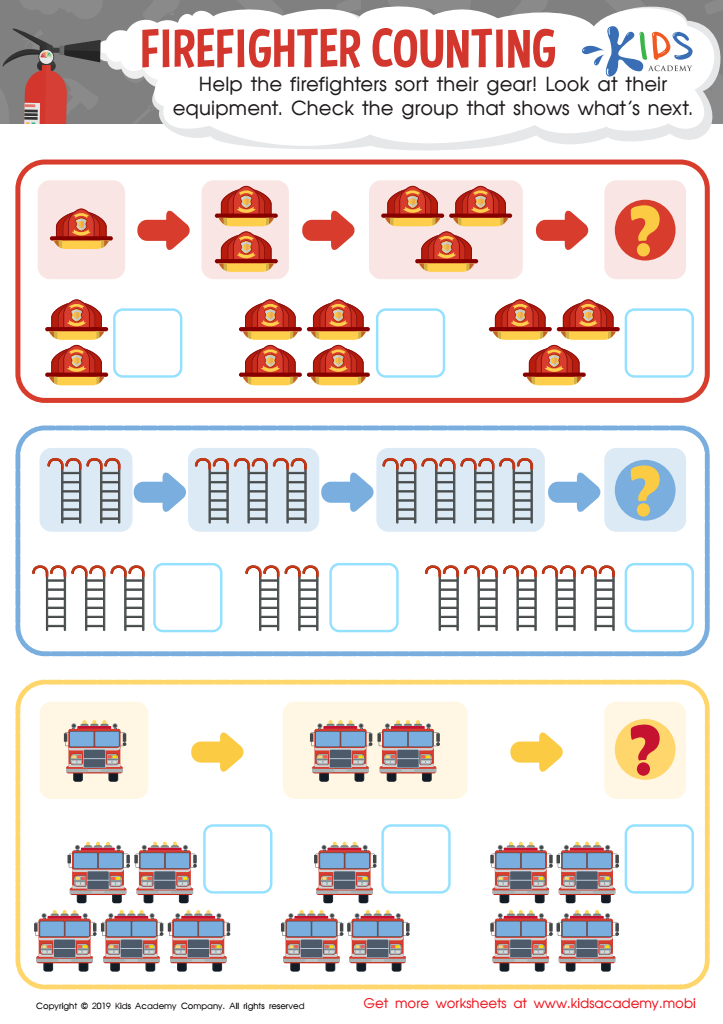
Firefighter Counting Worksheet


.jpg)



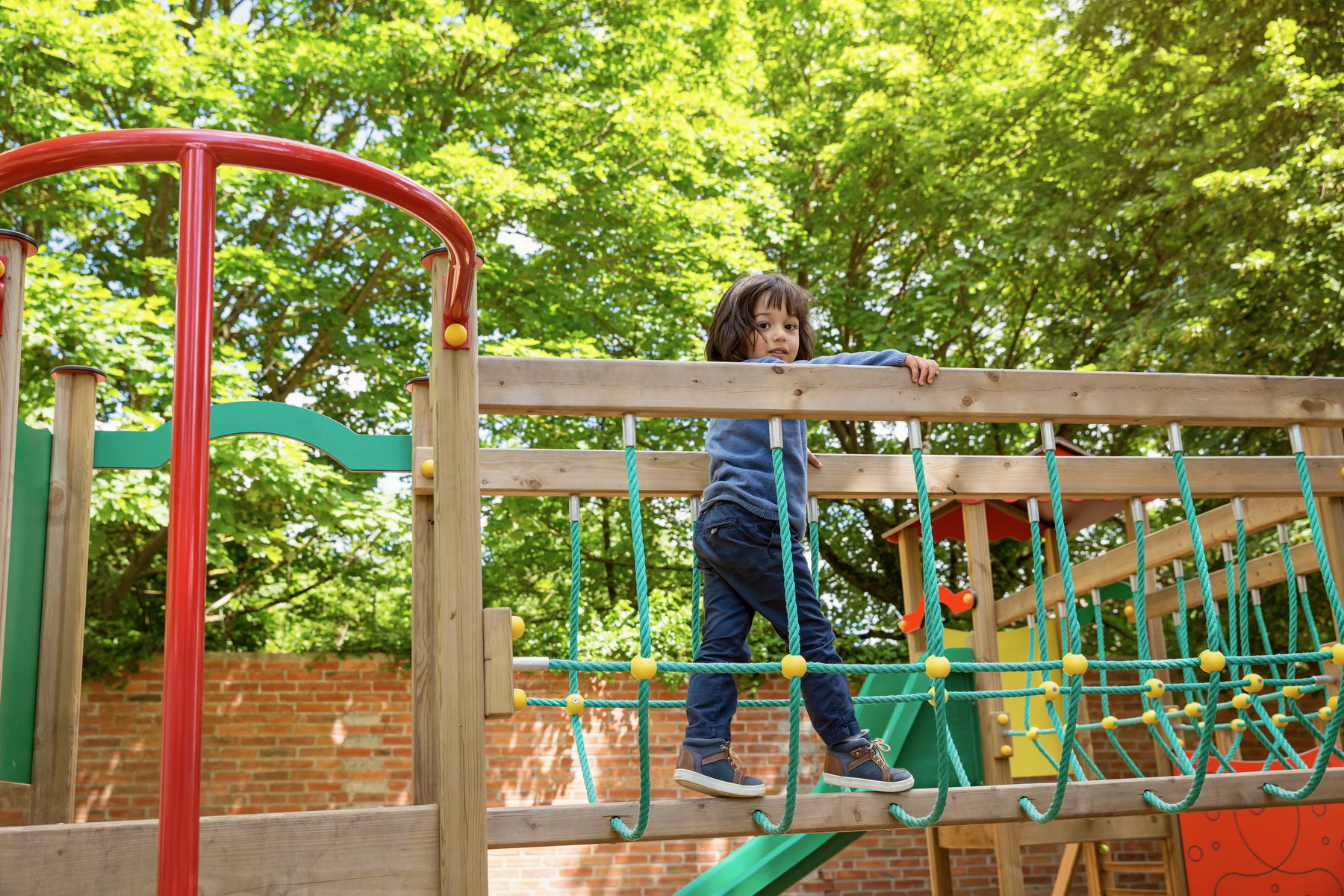

Observational skills are crucial for children aged 3-7 as they play a vital role in their cognitive, social, and emotional development. Developing strong observational skills helps children learn to notice details in their surroundings, understand cause and effect, and make connections between concepts. For parents and teachers, fostering these skills is essential to support early learning experiences.
By enhancing observational skills, children become more engaged and curious learners. They learn to ask questions, think critically, and solve problems. This promotes self-confidence as they explore their environment and express their thoughts, leading to improvements in communication and social interaction with peers.
Furthermore, keen observational skills assist in identifying children's strengths and challenges, allowing parents and teachers to tailor activities that support individual growth. Encouraging children to observe nature, people, and everyday situations enriches their vocabulary and comprehension abilities.
Ultimately, investing time in developing children's observational skills sets a solid foundation for future academic success and lifelong learning. It nurtures their ability to analyze, reflect, and appreciate the world around them, ultimately helping them to become thoughtful, competent adults.








