Visual Perception Skills Easy Worksheets for Ages 3-7
5 filtered results
-
From - To
Unlock your child's potential with our Visual Perception Skills Easy Worksheets, designed for ages 3-7. These engaging activities help children develop critical visual discrimination, spatial awareness, and pattern recognition skills. Each worksheet is thoughtfully created to be both fun and educational, ensuring your little one enjoys learning while enhancing their observation and cognitive abilities. Perfect for young learners, our worksheets promote confidence and lay the foundation for future academic success. Visit our website to explore and download a variety of exercises to nurture your child’s visual perception skills at their own pace!
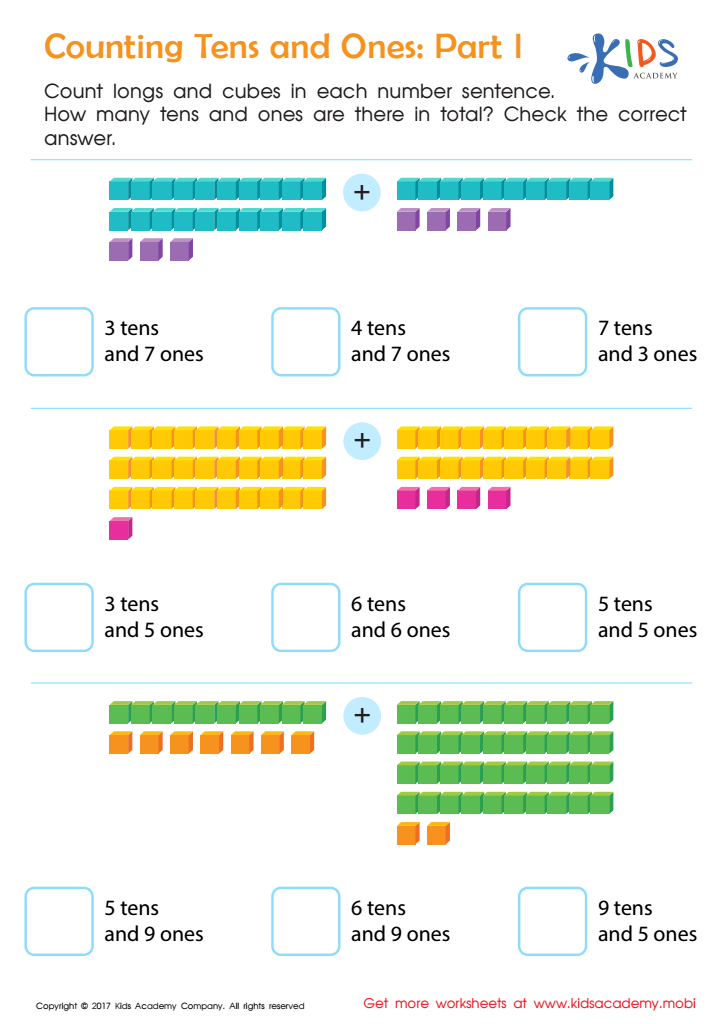
Counting Tens and Ones: Part 1 Worksheet
 Assign to My Students
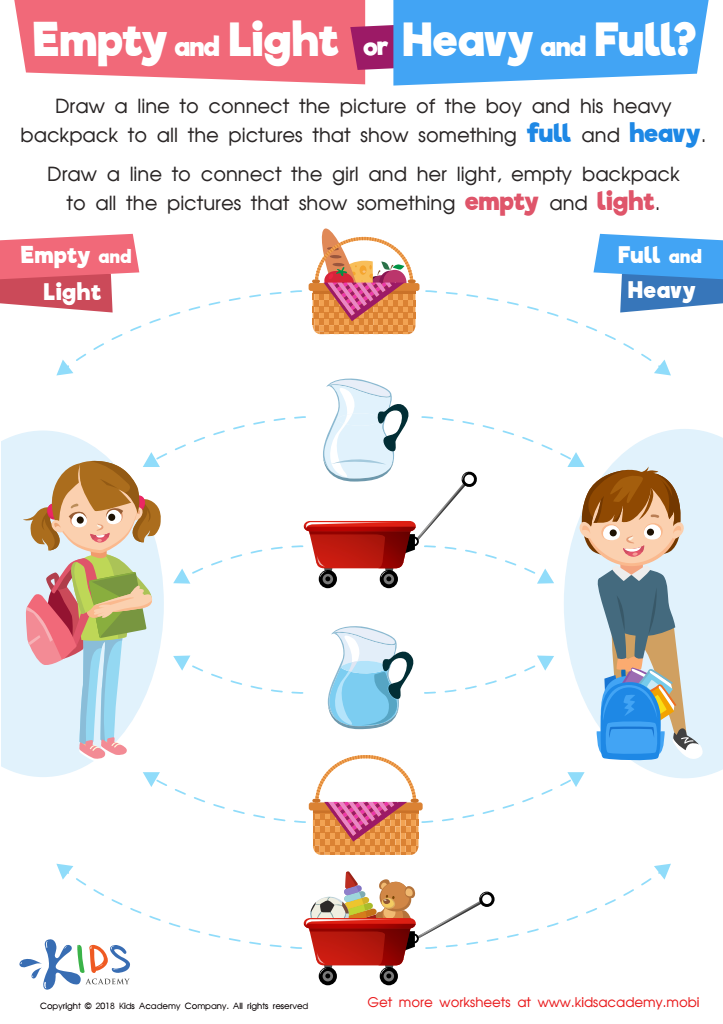
Empty and Light or Heavy and Full? Worksheet
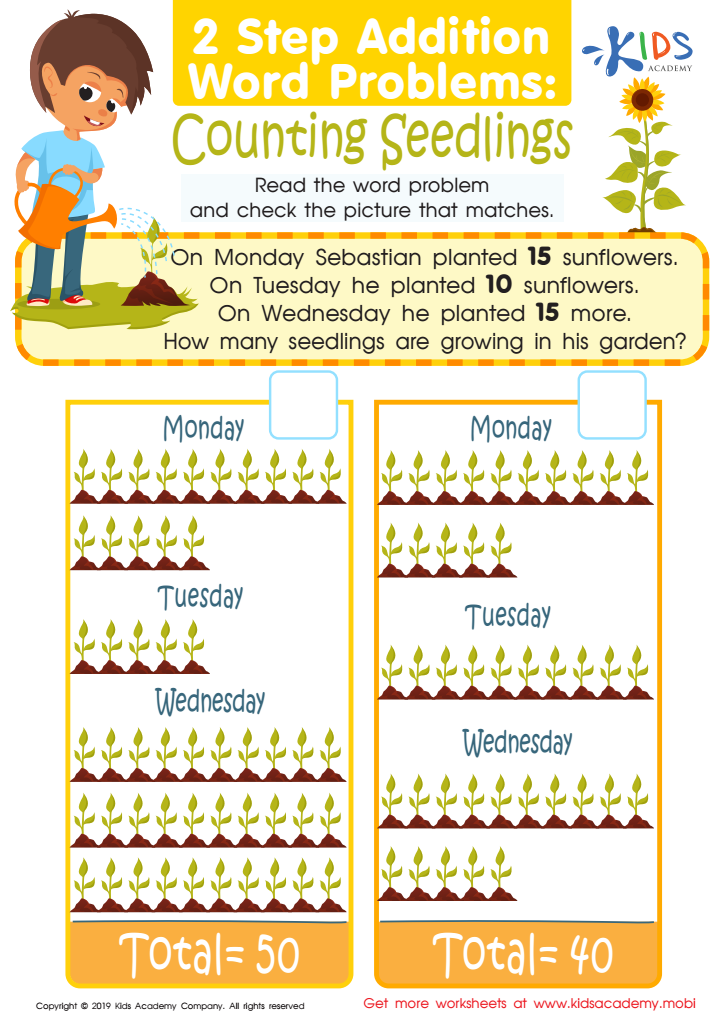
Counting Seedlings Worksheet
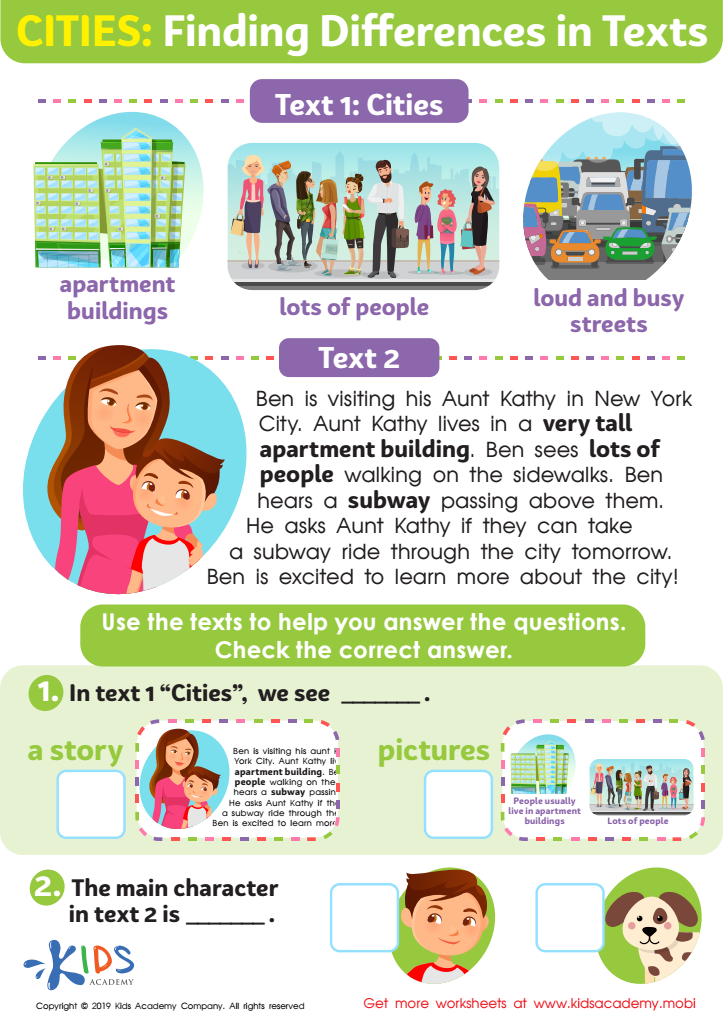
Cities: Finding Differences Worksheet
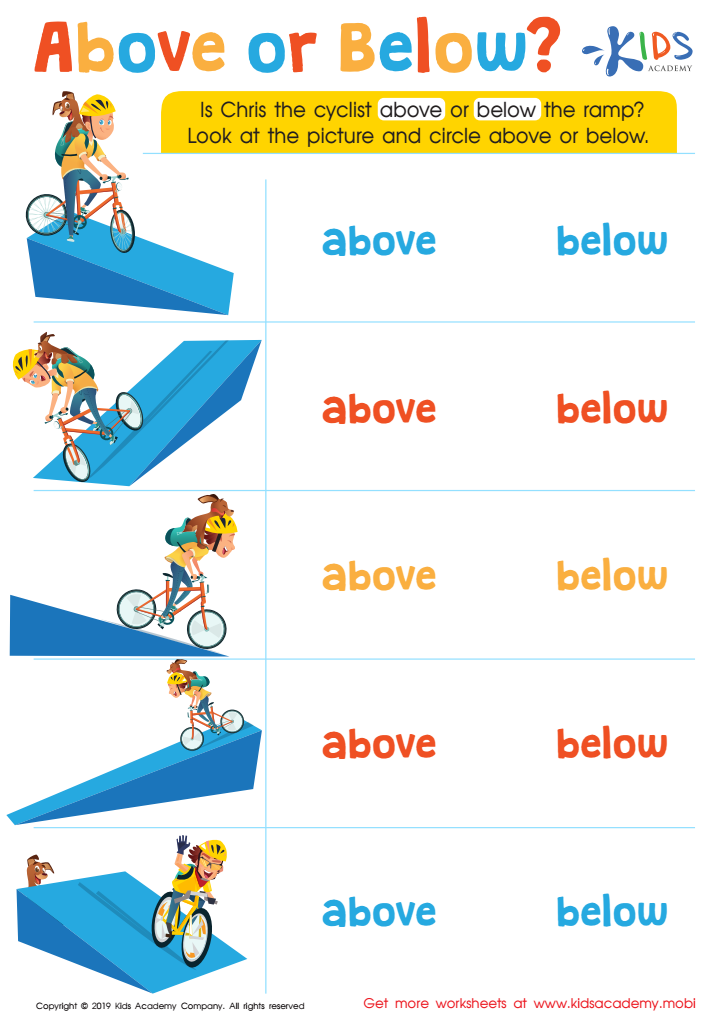
Above or Below? Worksheet








Visual perception skills are critical for children aged 3-7 as they form the foundation for various essential activities, from learning to read to navigating their environment safely. These skills enable children to recognize shapes, letters, numbers, and patterns, which are vital for developing literacy and numeracy. Without strong visual perception, children may struggle to differentiate between similar letters and numbers, potentially delaying their reading and math progress.
Moreover, visual perception aids in hand-eye coordination, critical for tasks such as writing, drawing, and participating in physical activities. It helps children understand spatial relationships, allowing them to navigate spaces without bumping into objects, properly judge distances, and ultimately keep safe.
Fostering these skills at an early age can also boost confidence and independence. When children can accurately interpret visual information, they are more likely to engage in self-directed play, explore their environment, and tackle new challenges.
Parents and teachers should proactively support the development of visual perception skills to ensure a smoother transition to formal learning and everyday functionality. Simple activities like puzzles, matching games, and drawing can effectively enhance these skills in a fun and engaging manner, laying a strong foundation for continued cognitive development.








