Fine Motor Skills Easy Geometry Worksheets for Ages 3-7
9 filtered results
-
From - To
Enhance your child's fine motor skills with our engaging Easy Geometry Worksheets designed for ages 3-7! These printable resources combine essential shape recognition and basic geometric concepts with fun, interactive activities that encourage creative learning. Each worksheet focuses on developing dexterity and coordination through tracing, cutting, and coloring, making math enjoyable for young learners. As children manipulate shapes, they build confidence and strengthen hand-eye coordination, setting the foundation for future academic success. Ideal for classrooms or at-home learning, our easy-to-use worksheets will help your child explore the world of geometry while refining their fine motor abilities. Download today's worksheets and inspire learning through play!
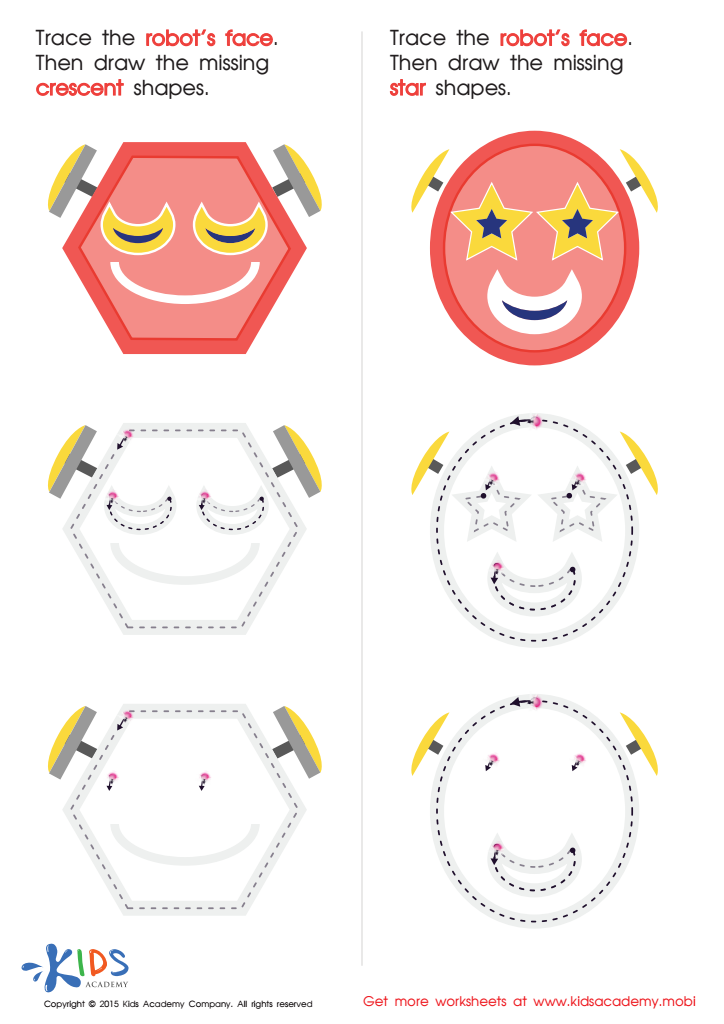
Composing a Robot's Face of Crescents And Stars Worksheet
 Assign to My Students











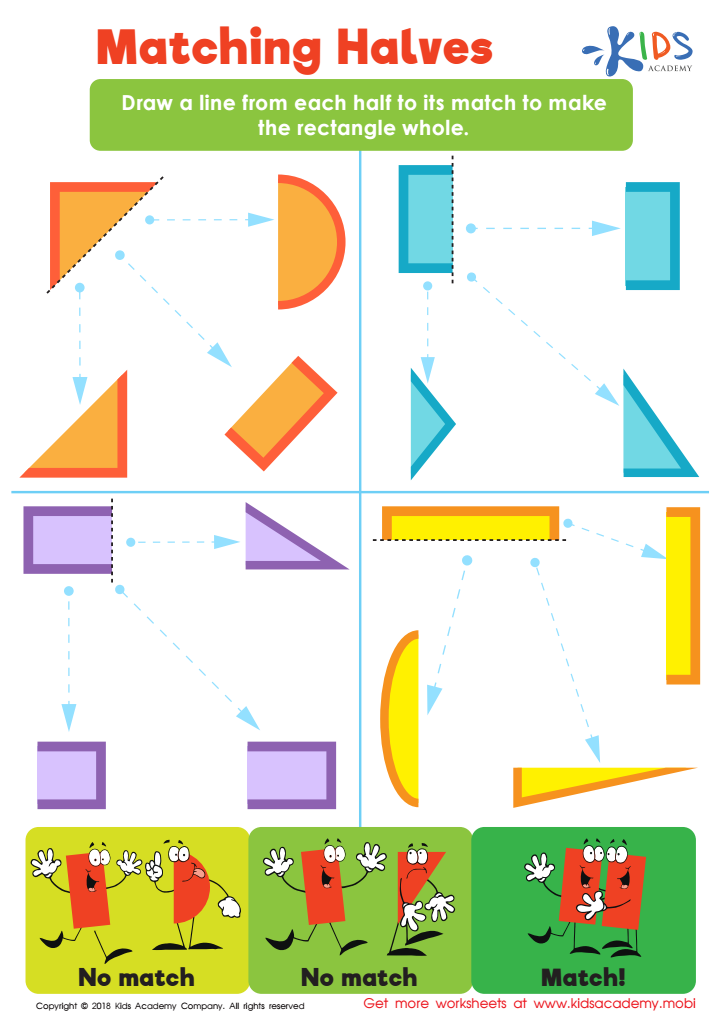
Matching Halves Worksheet
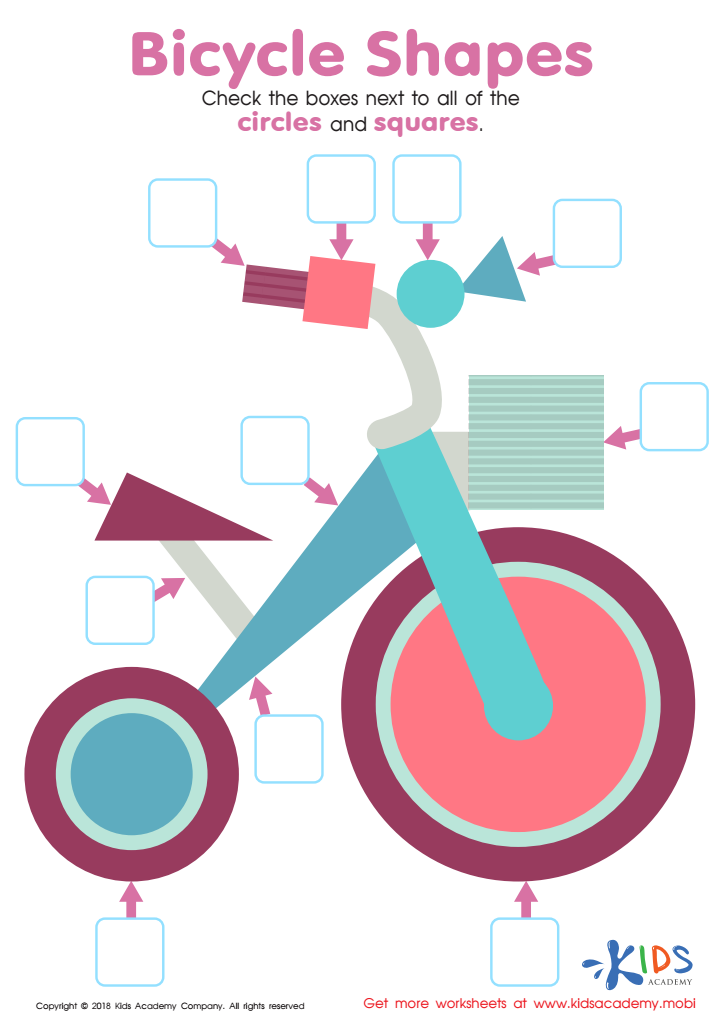
Bicycle Shapes Worksheet
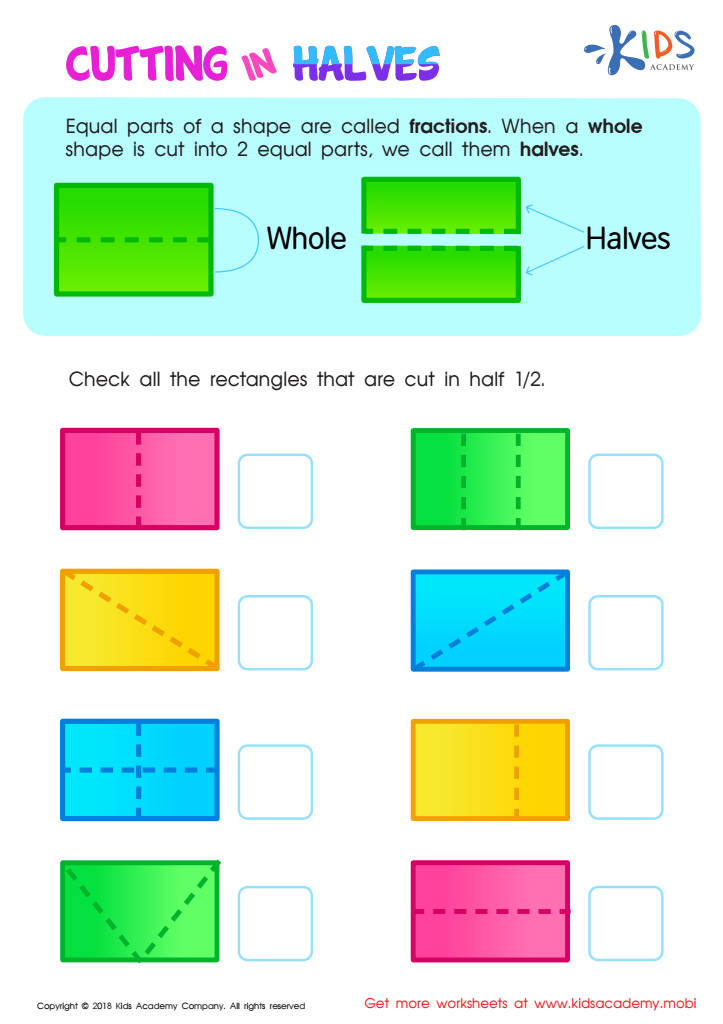
Cutting in Halves Worksheet
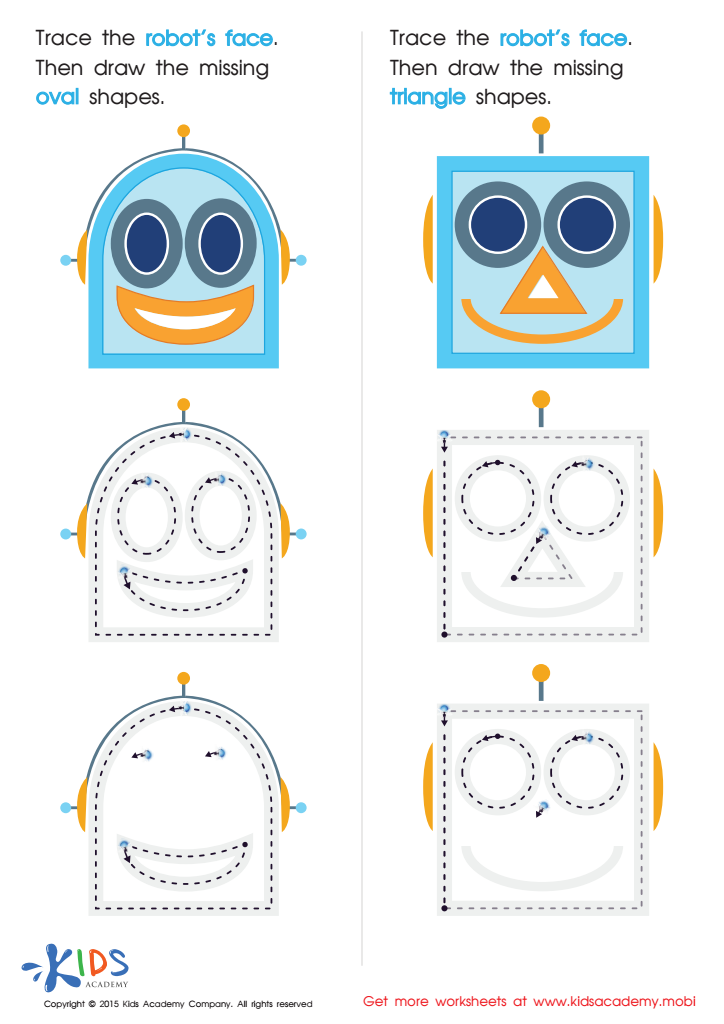
Drawing Ovals And Triangles with Fun Printable
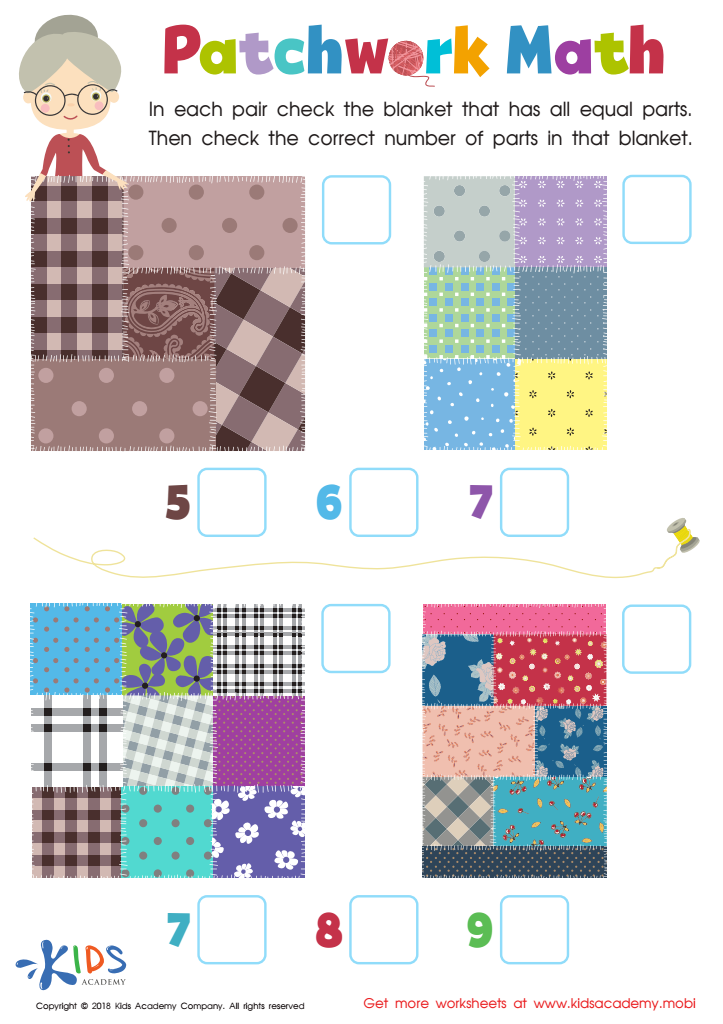
Patchwork Math Worksheet
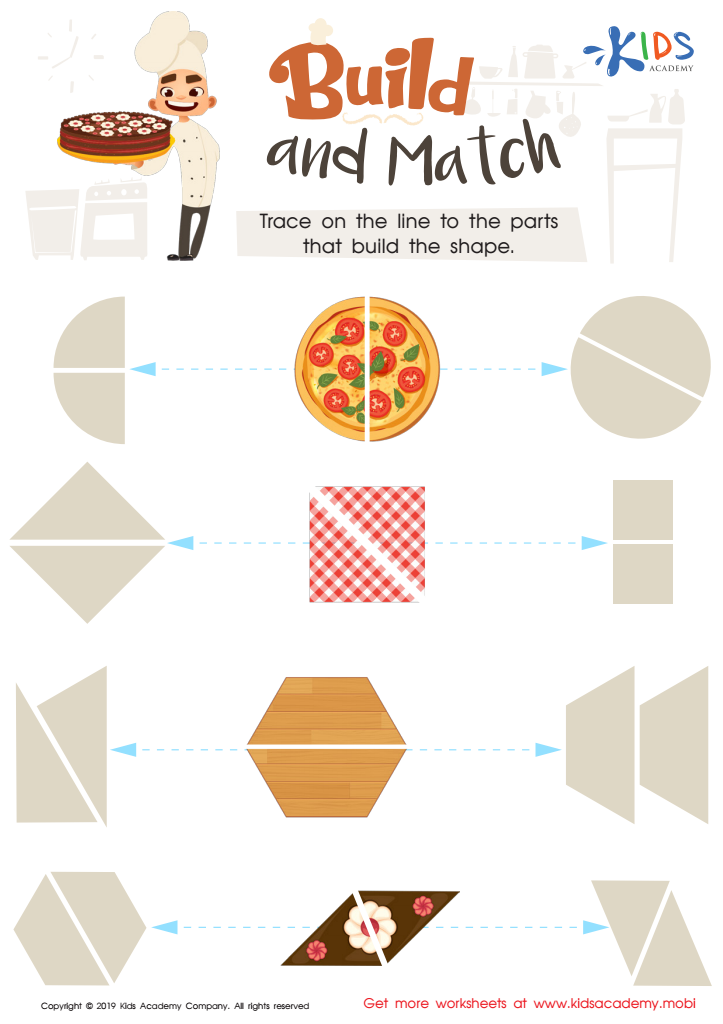
Build and Match Worksheet
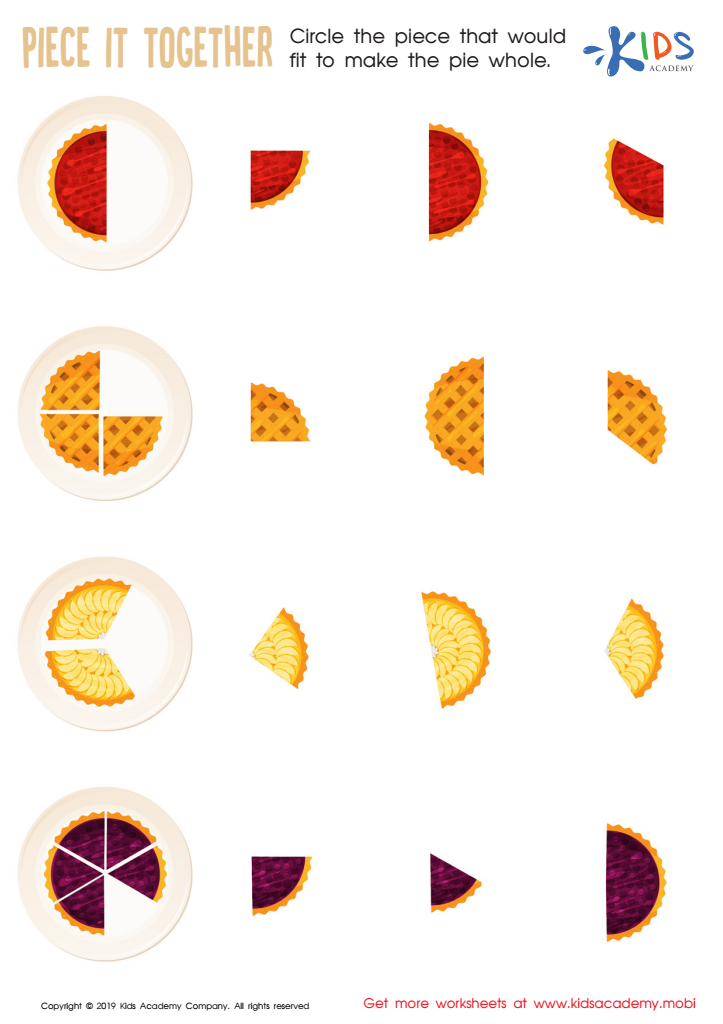
Piece it together Worksheet
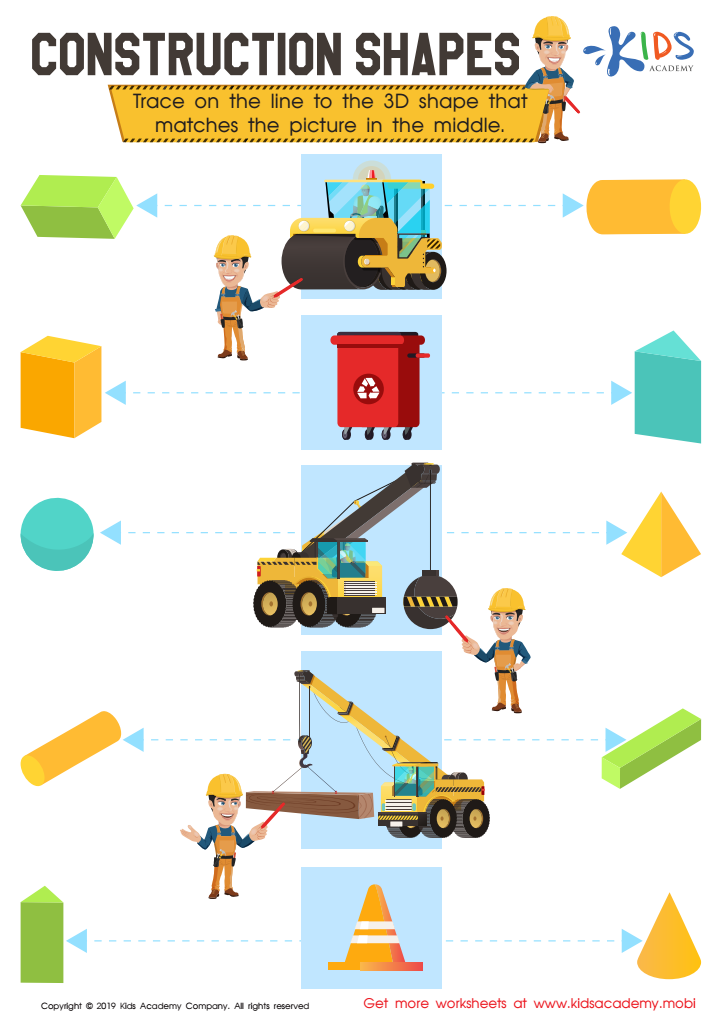
Construction Shapes Worksheet








Fine motor skills are crucial for children aged 3-7 as they lay the foundation for essential life skills. These skills involve the small muscles in their hands and fingers, which are vital for everyday tasks such as writing, using scissors, buttoning clothes, and manipulating small objects. Parents and teachers should prioritize fine motor development as it supports not only physical capabilities but also cognitive growth. Engaging children in activities related to easy geometry enhances their spatial awareness and problem-solving abilities while allowing them to refine these motor skills.
Through activities like tracing shapes, building with blocks, or using manipulatives, children gain confidence in their ability to control their hand movements. This mastery fosters independence and encourages a sense of accomplishment. Additionally, fine motor skills are intricately linked to academic success; children with well-developed fine motor abilities often excel in subjects that require writing and hands-on learning.
Incorporating playful geometry activities into daily routines can make learning enjoyable, and promote creativity while also addressing the fundamental skills. By nurturing fine motor skills through engaging activities, parents and teachers can set the stage for higher-level learning and ensure children are better equipped for future educational challenges.








