Problem-Solving Skills Easy Math Worksheets for Ages 3-7 - Page 2
43 filtered results
-
From - To
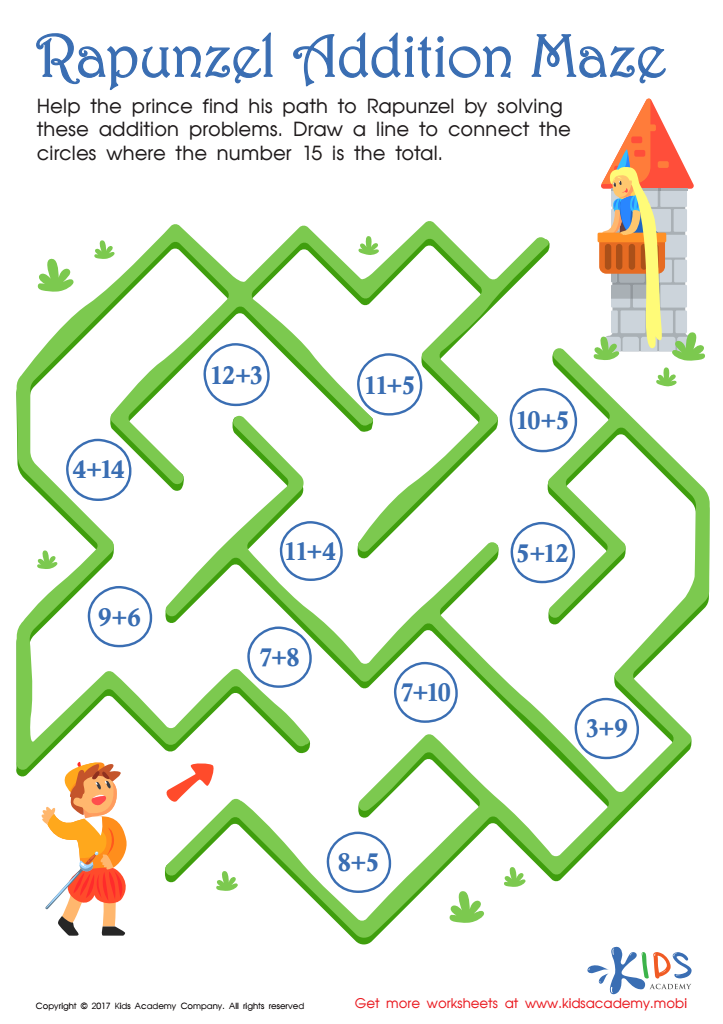
Rapunzel Addition Maze Worksheet
 Assign to My Students
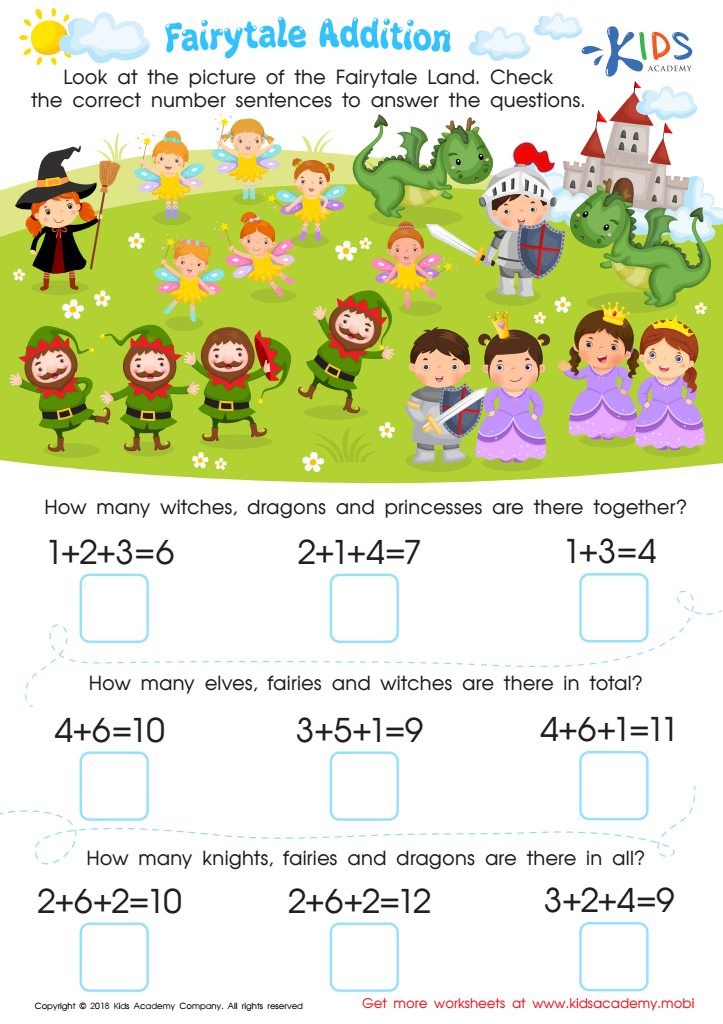
Fairytale Addition Worksheet
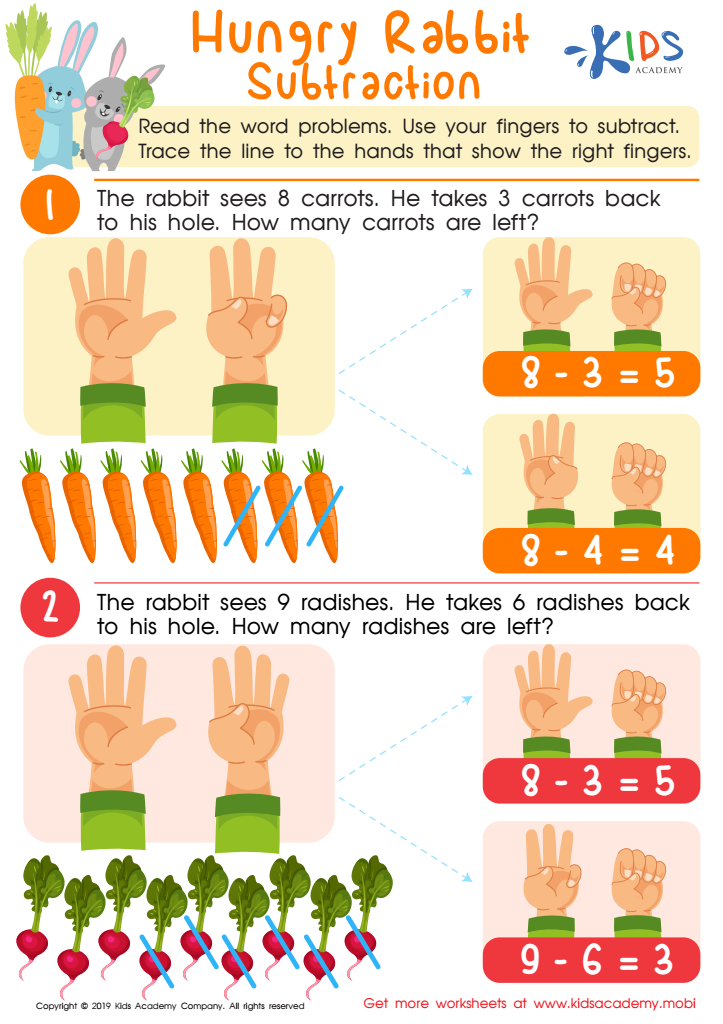
Hungry Rabbit Subtraction Worksheet
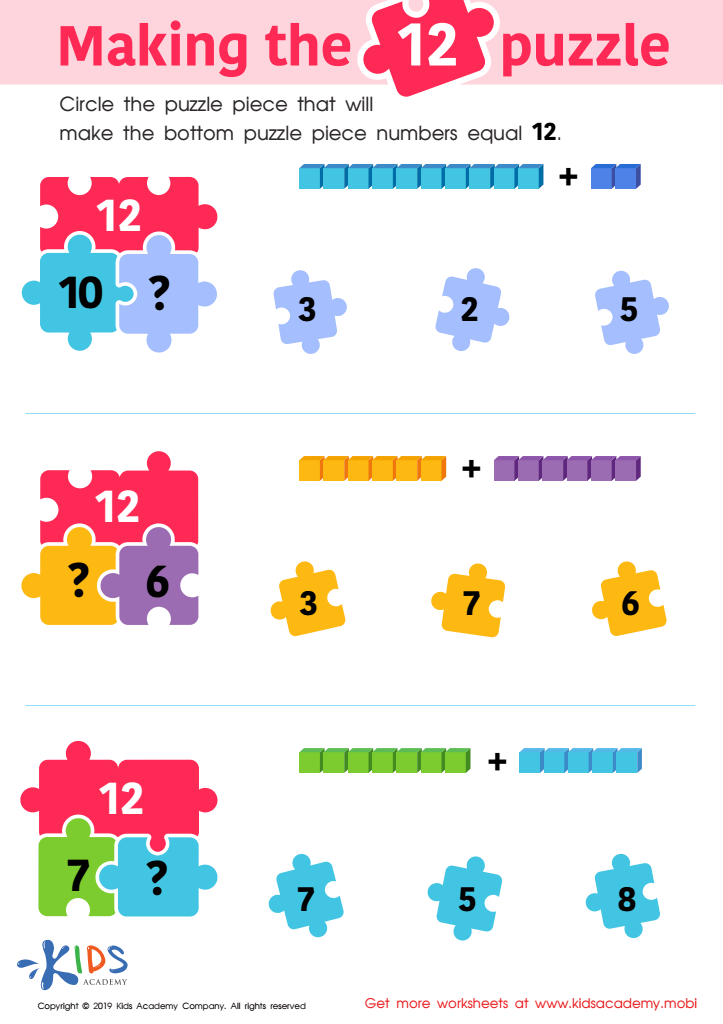
Making the 12 Puzzle Worksheet
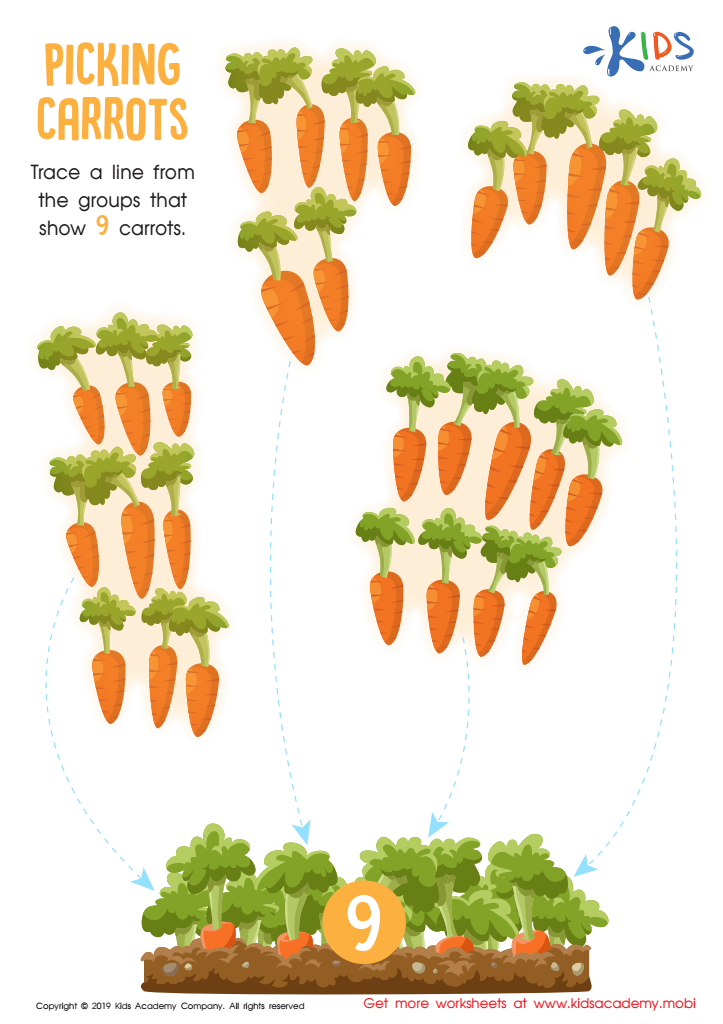
Picking Carrots Worksheet
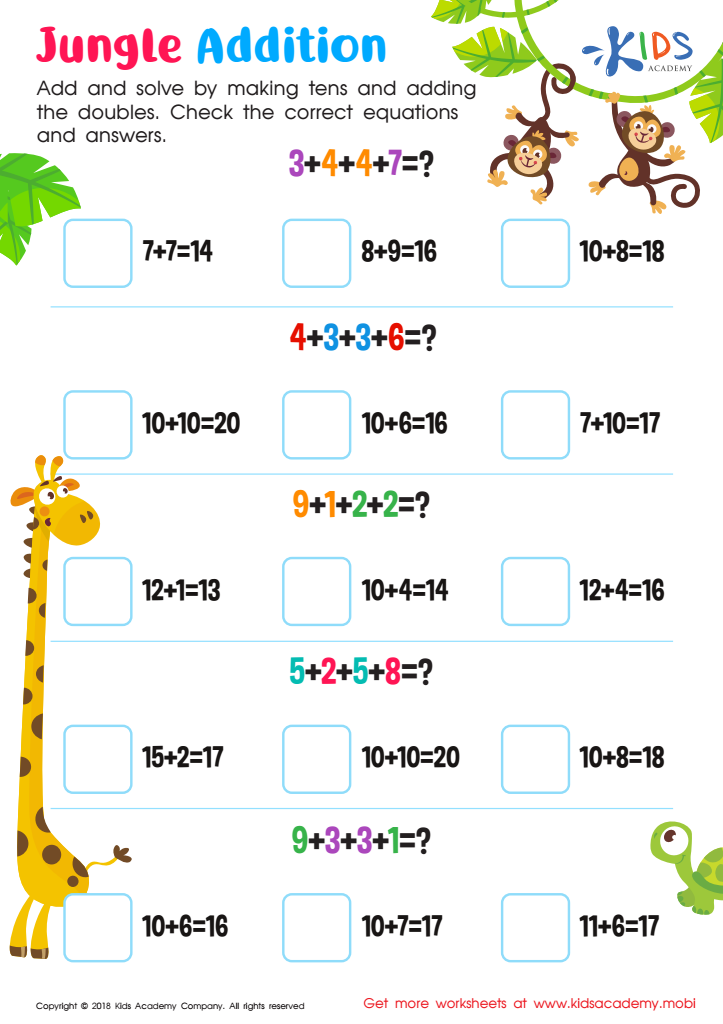
Jungle Addition Worksheet
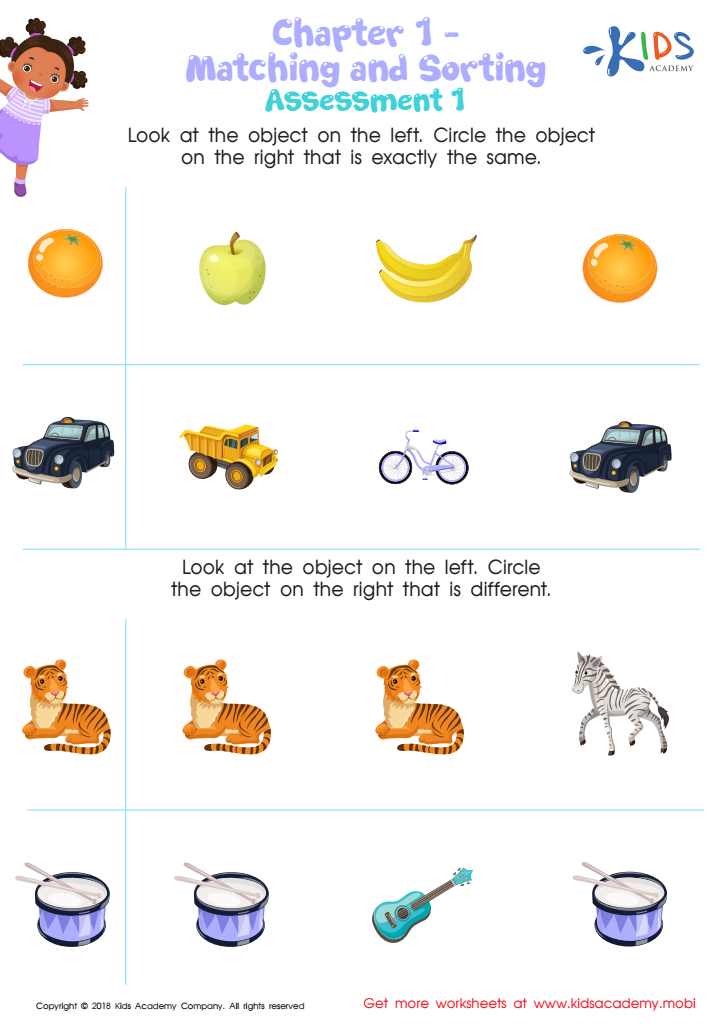
Matching and Sorting for Preschool: Assessment 1 Worksheet
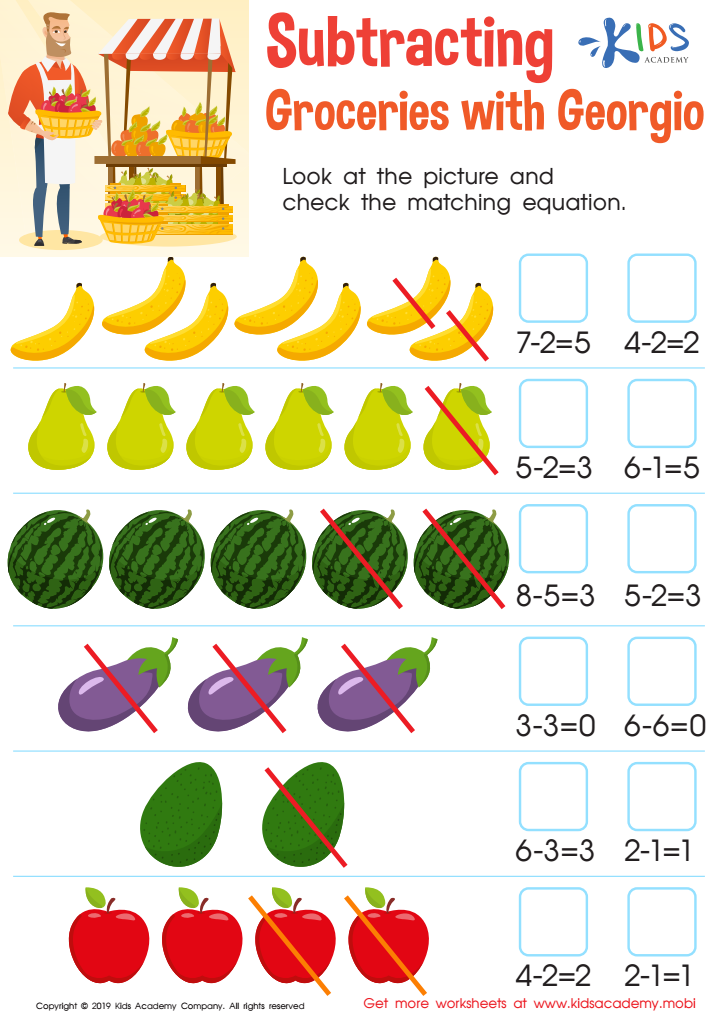
Subtracting: Groceries with Georgio Worksheet
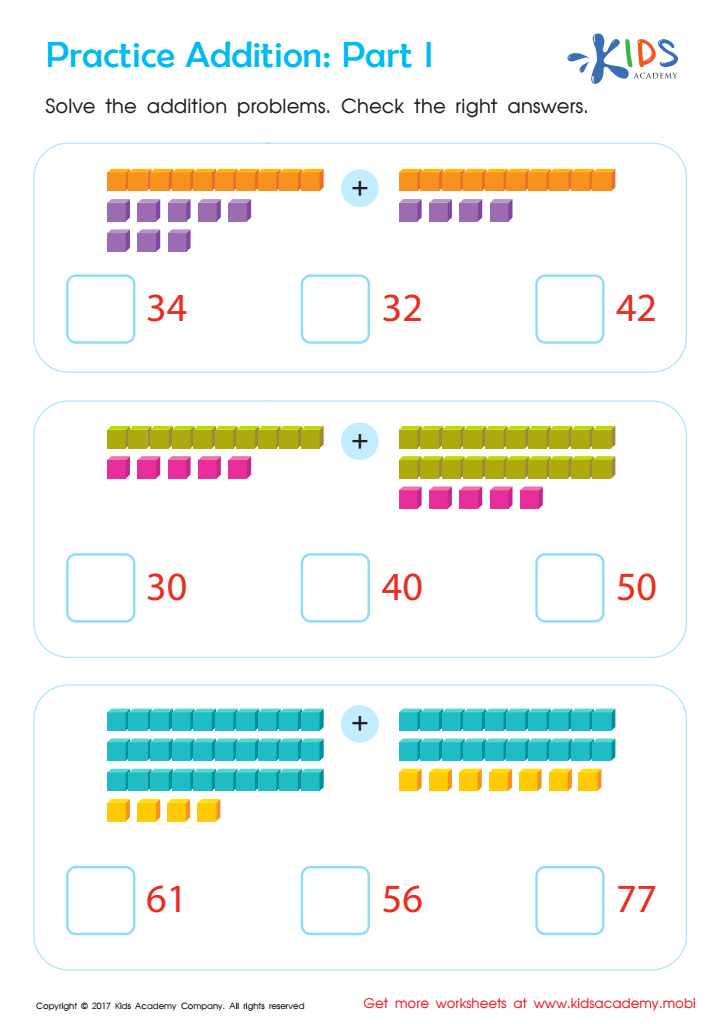
Practice Addition: Part 1 Worksheet
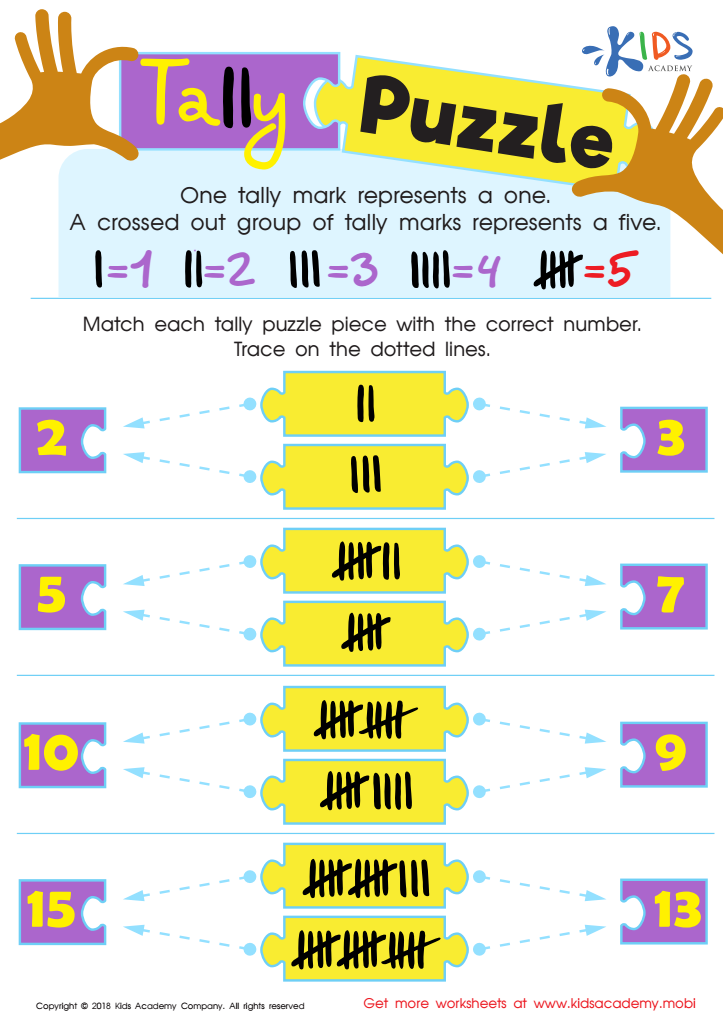
Tally Puzzle Worksheet
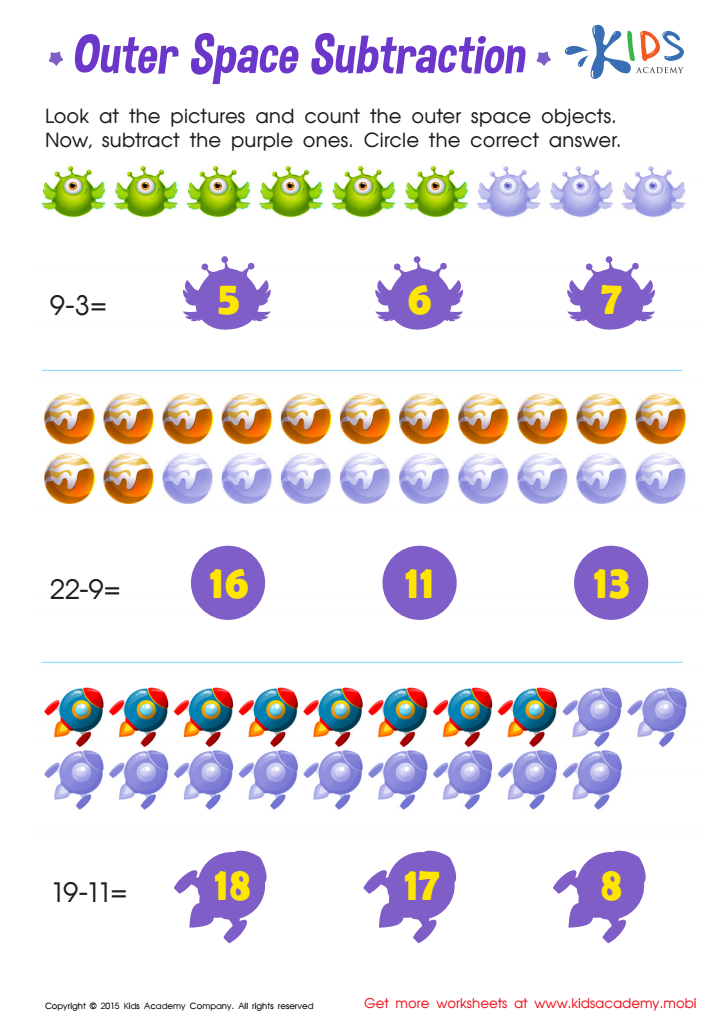
Outer Space Substraction Worksheet
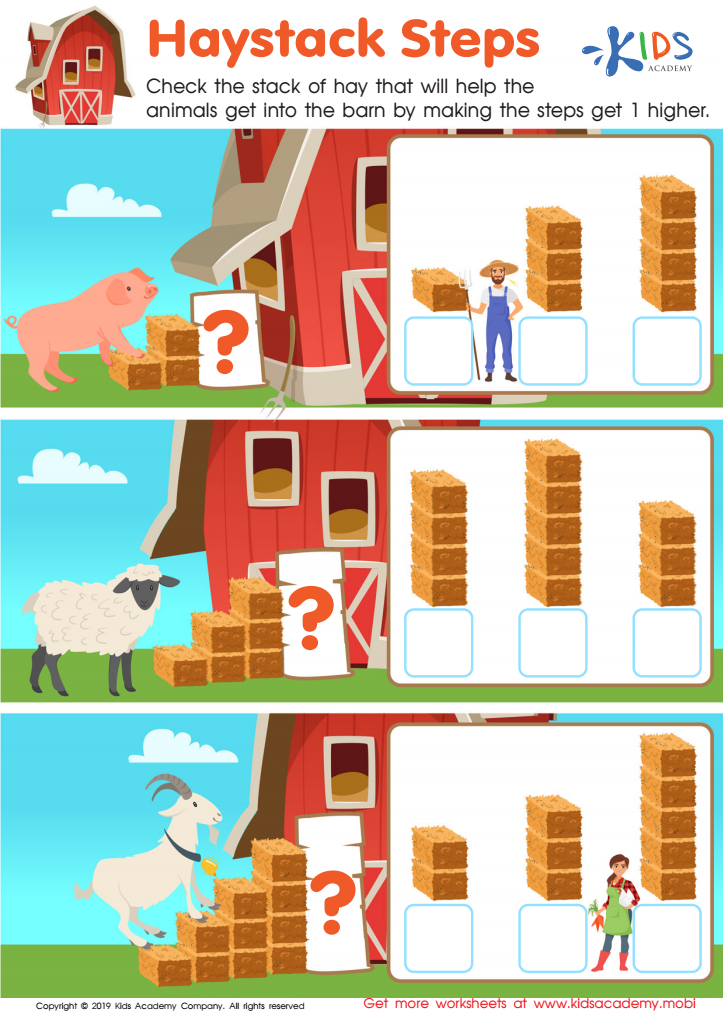
Haystack Steps Worksheet
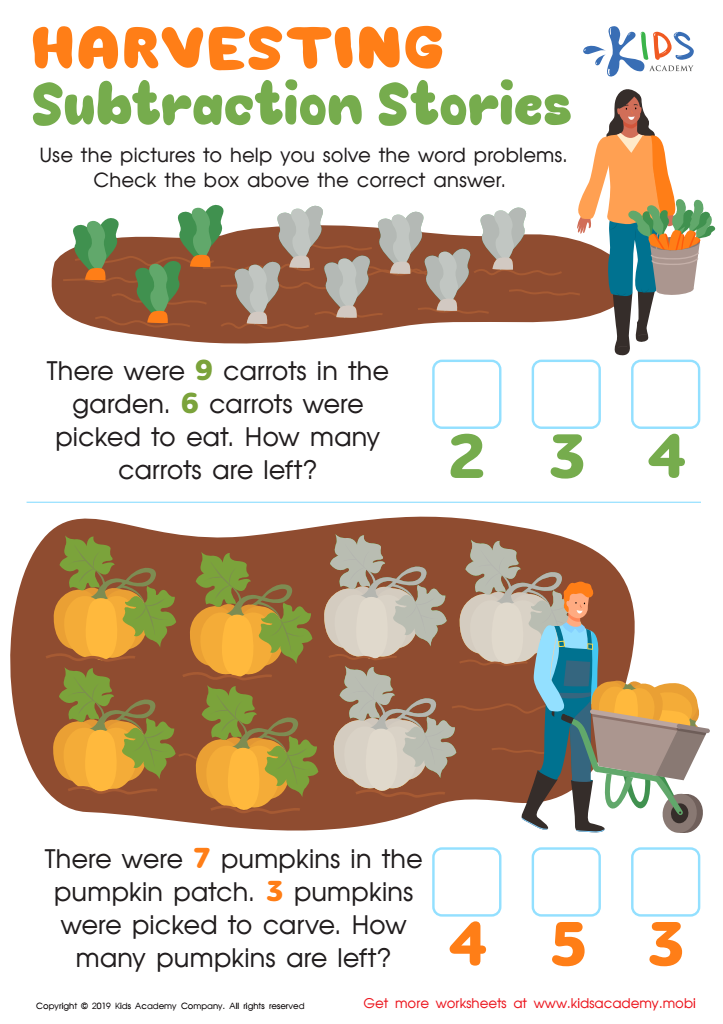
Harvesting Subtraction Stories Worksheet
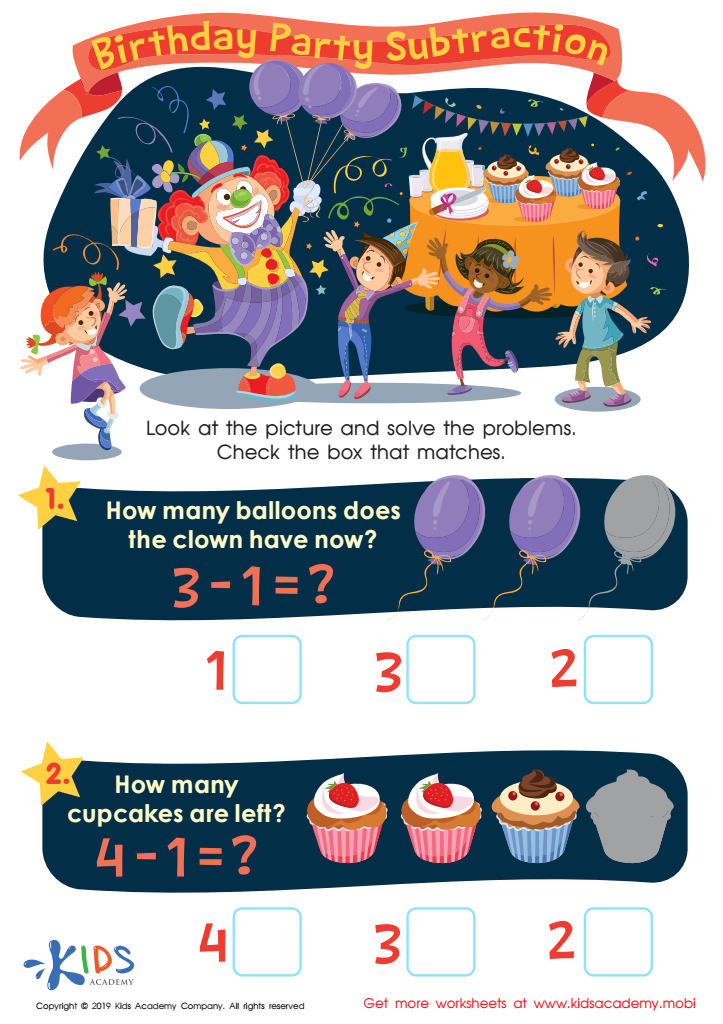
Birthday Party Subtraction Worksheet
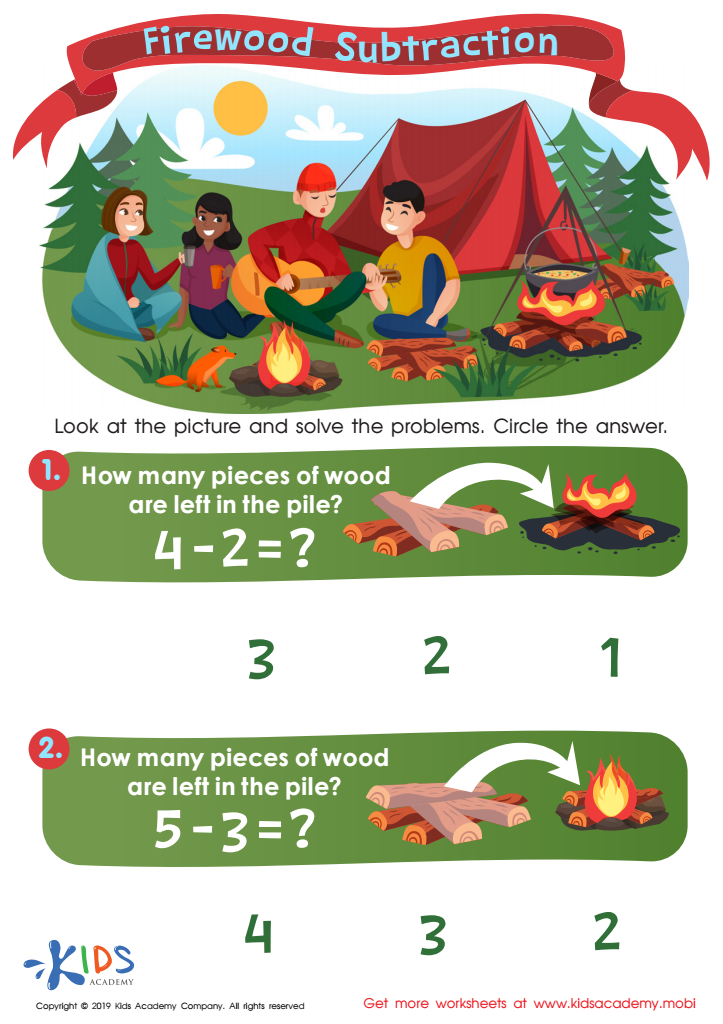
Firewood Subtraction Worksheet
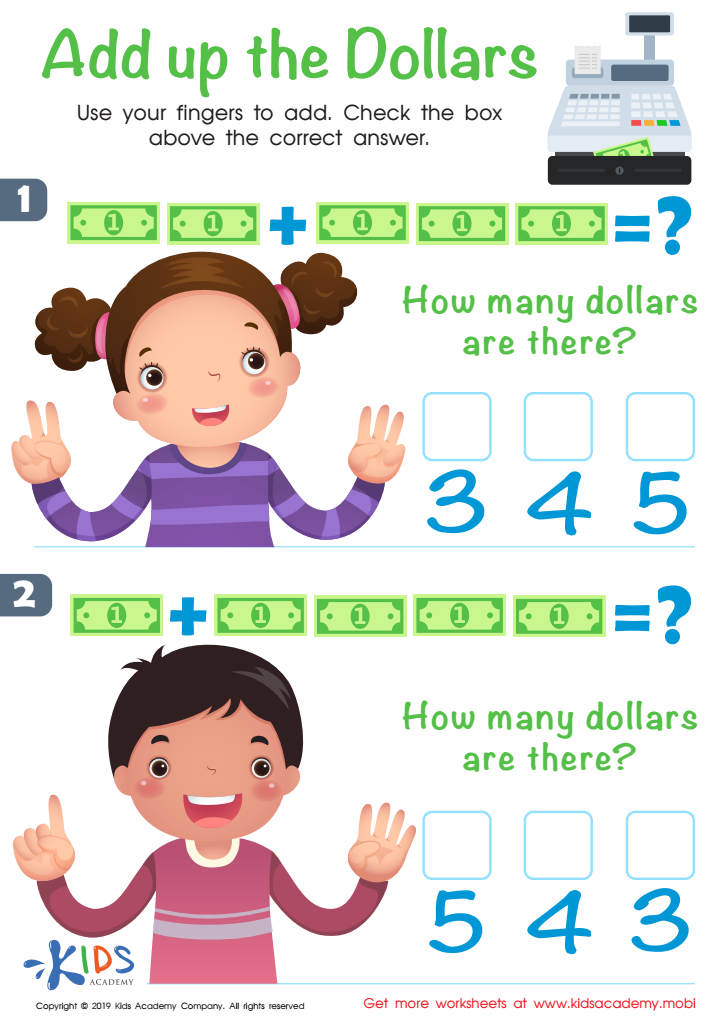
Add up the Dollars Worksheet
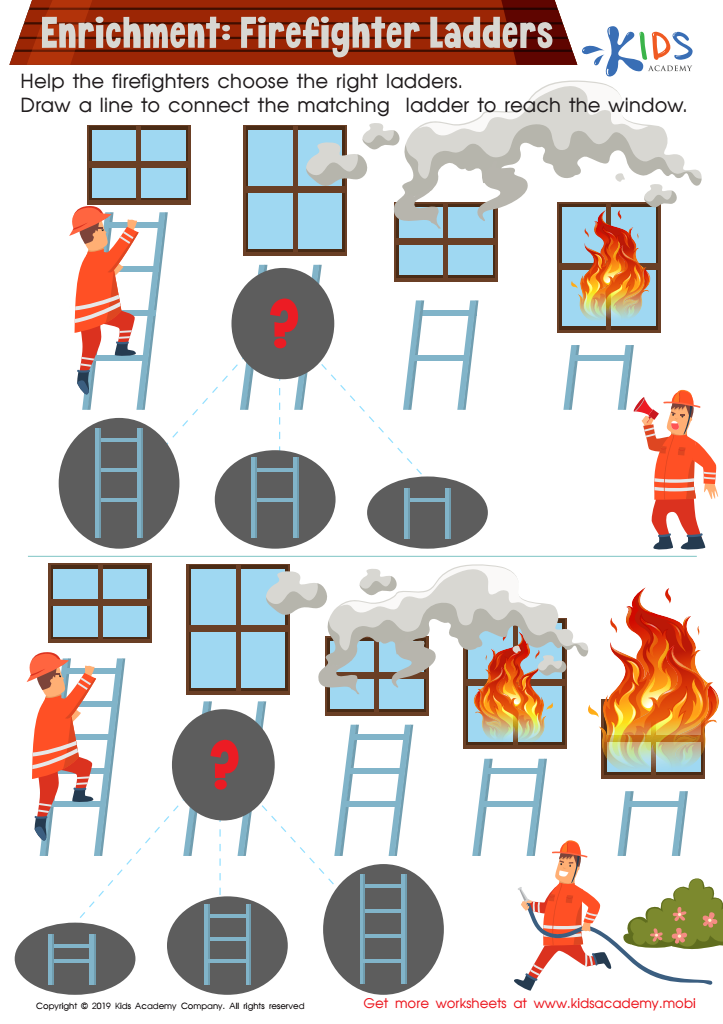
Enrichment: Firefighter Ladders Worksheet
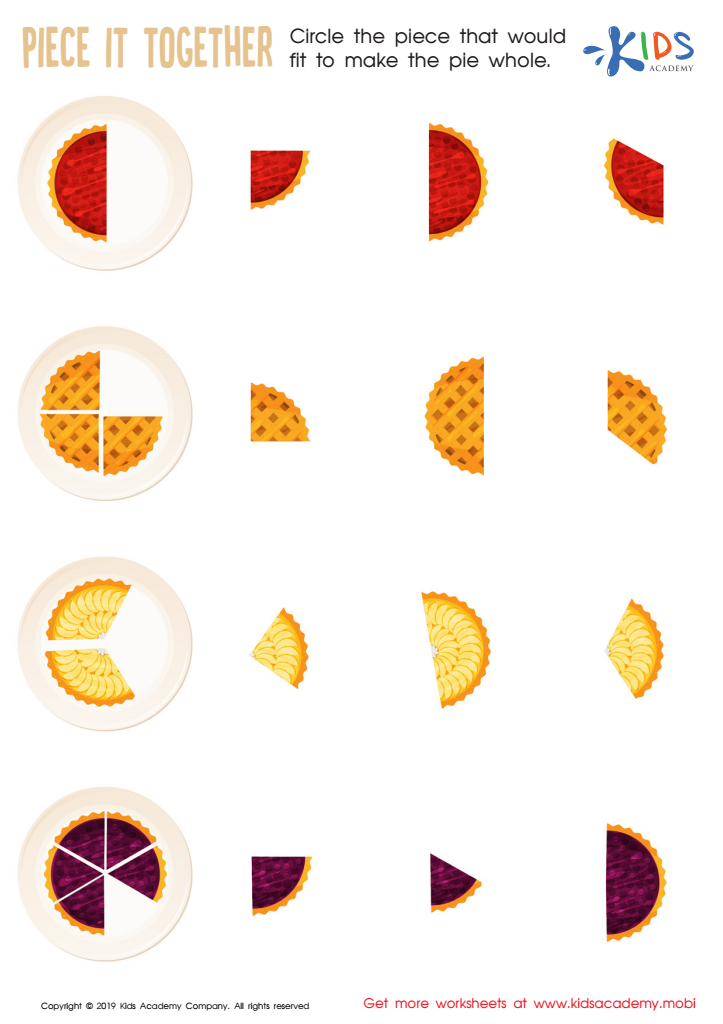
Piece it together Worksheet
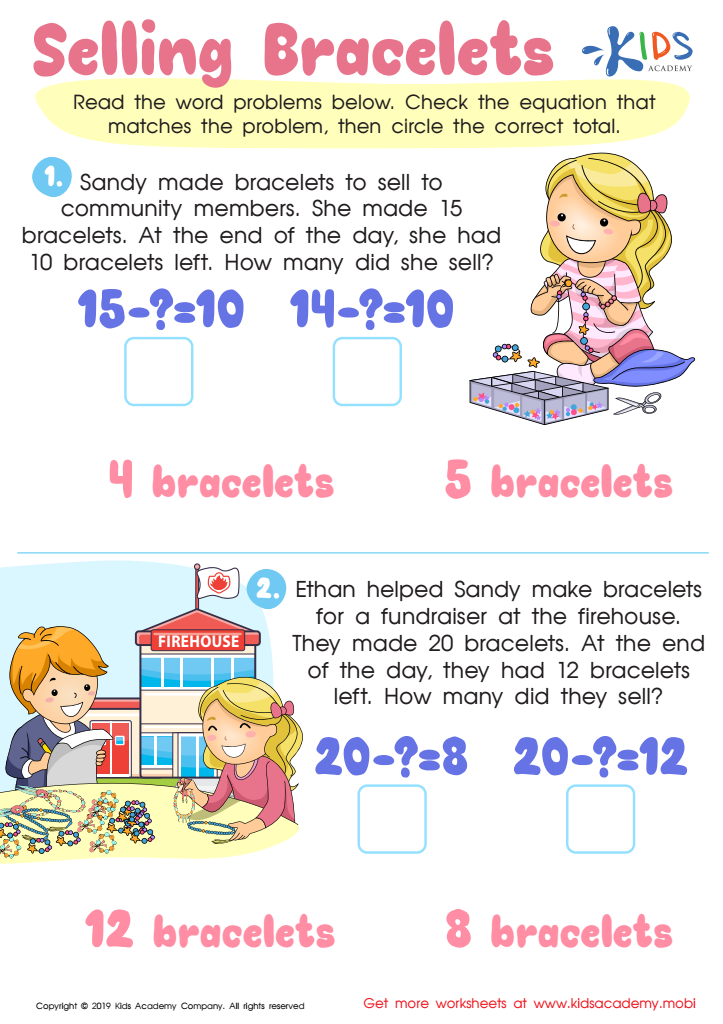
Selling the Bracelets Worksheet





.jpg)

Parents and teachers should prioritize problem-solving skills in early math for children ages 3-7 because these foundational abilities set the stage for lifelong learning and critical thinking. At this age, children are naturally curious and eager to explore their environment. Engaging them with problem-solving activities enhances their cognitive development and encourages them to think creatively.
When children tackle math problems, they learn how to approach challenges methodically, which fosters resilience and patience. Basic problem-solving helps them understand concepts like addition and subtraction, sequencing, and patterns, making math more approachable and enjoyable. Furthermore, these skills transcend math; they are vital in everyday life, enabling children to navigate social interactions, make decisions, and overcome obstacles.
Additionally, early exposure to problem-solving fosters a growth mindset. When children learn that challenges can be solved with effort and strategy, they become more willing to face difficulties in the future. With parental and teacher support, children can develop a solid mathematical foundation that contributes to confidence and independence as learners. Thus, investing in problem-solving skills at an early age not only enhances math comprehension but also encourages a well-rounded approach to learning and life challenges.








