Alphabet Recognition Easy English for Beginners Worksheets for Ages 3-8
6 filtered results
-
From - To
Introduce your child to the fascinating world of letters with our "Alphabet Recognition Easy English for Beginners Worksheets." Designed for ages 3-8, these engaging worksheets provide a fun and interactive way for young learners to familiarize themselves with the alphabet. Through coloring, tracing, and matching activities, kids develop essential skills while boosting their confidence in English. Each worksheet is carefully crafted to align with the needs of ESL learners, making it ideal for both classroom and at-home use. Help your child embark on a rewarding linguistic journey with our thoughtfully designed materials that promote early literacy and letter recognition. Unlock their potential today!
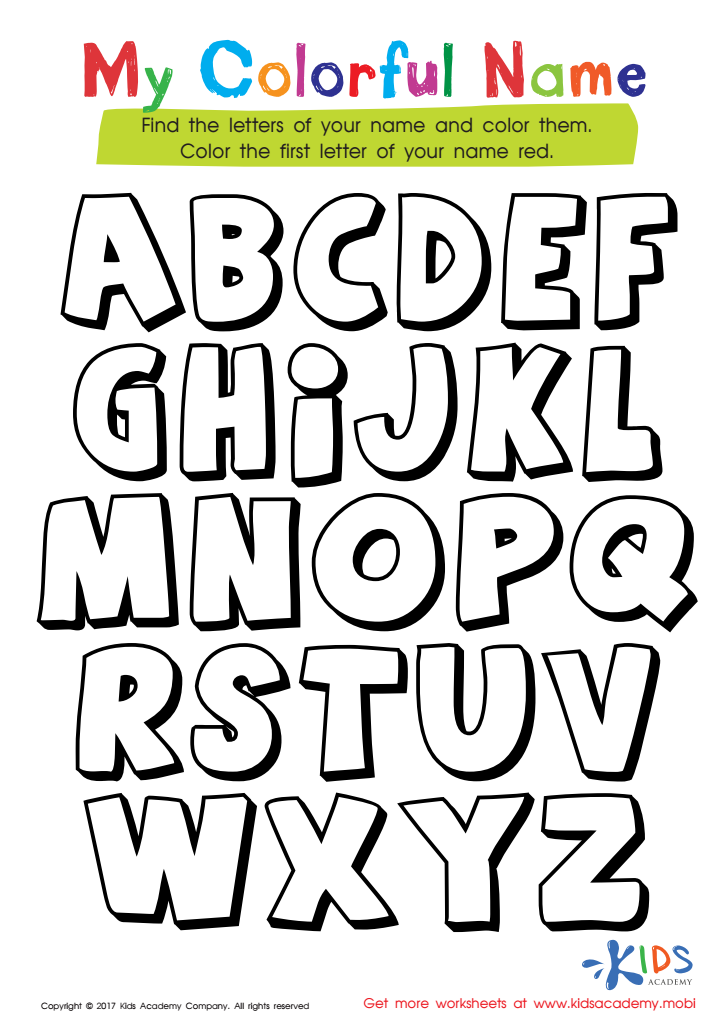
My Colorful Name Worksheet
 Assign to My Students
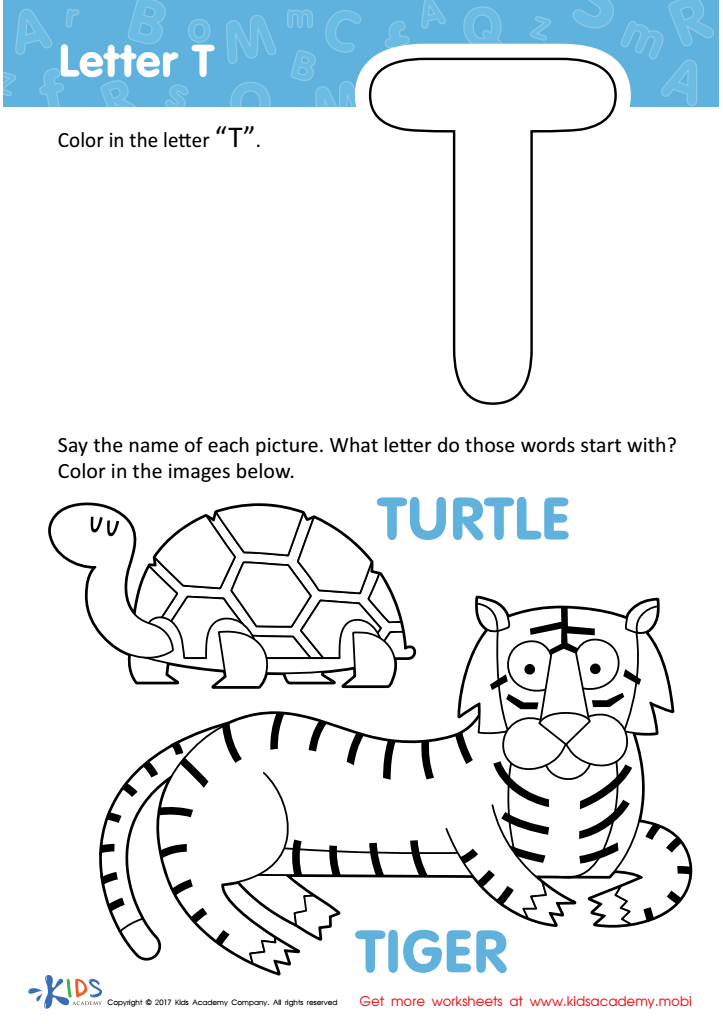
Letter T Coloring Sheet
Assign to My Students
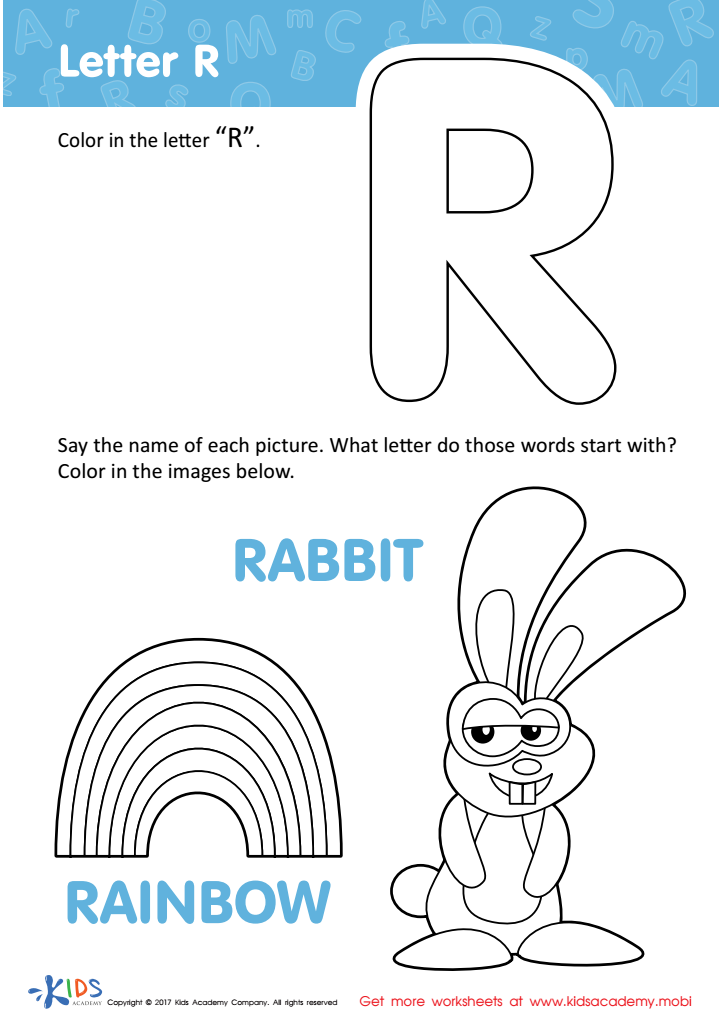
Letter R Coloring Sheet
Assign to My Students
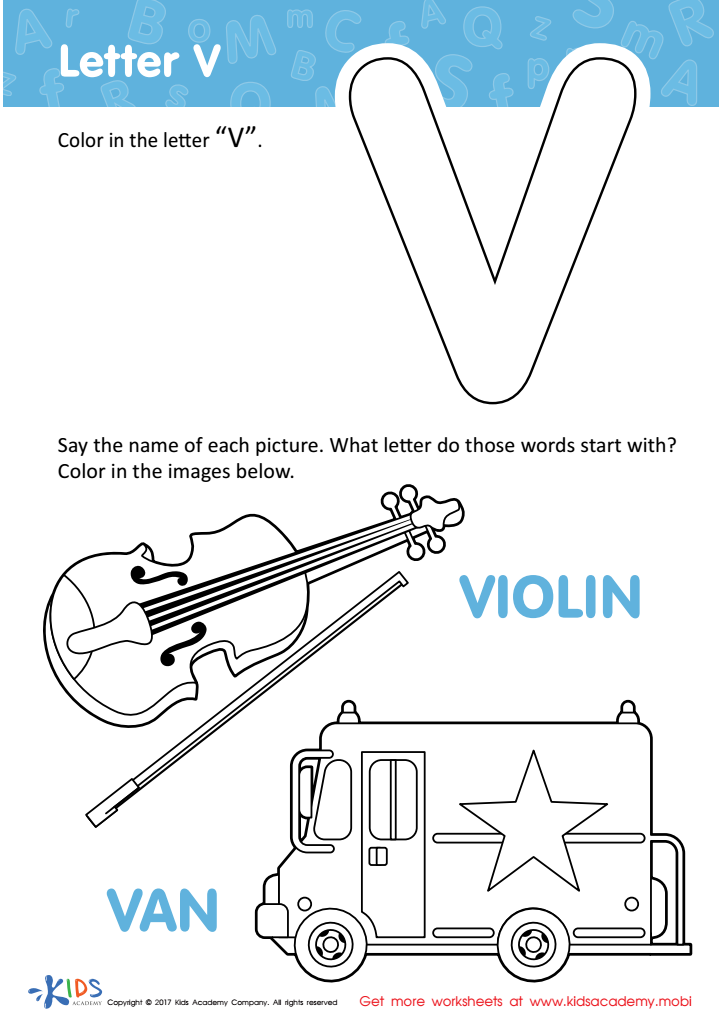
Letter V Coloring Sheet
Assign to My Students
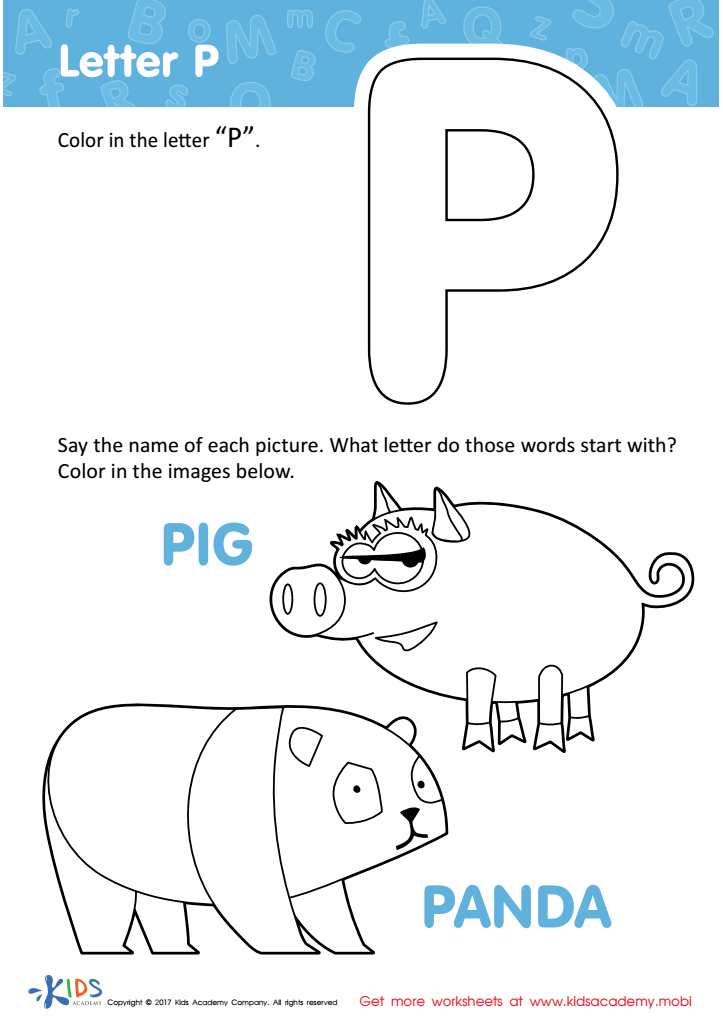
Letter P Coloring Sheet
Assign to My Students
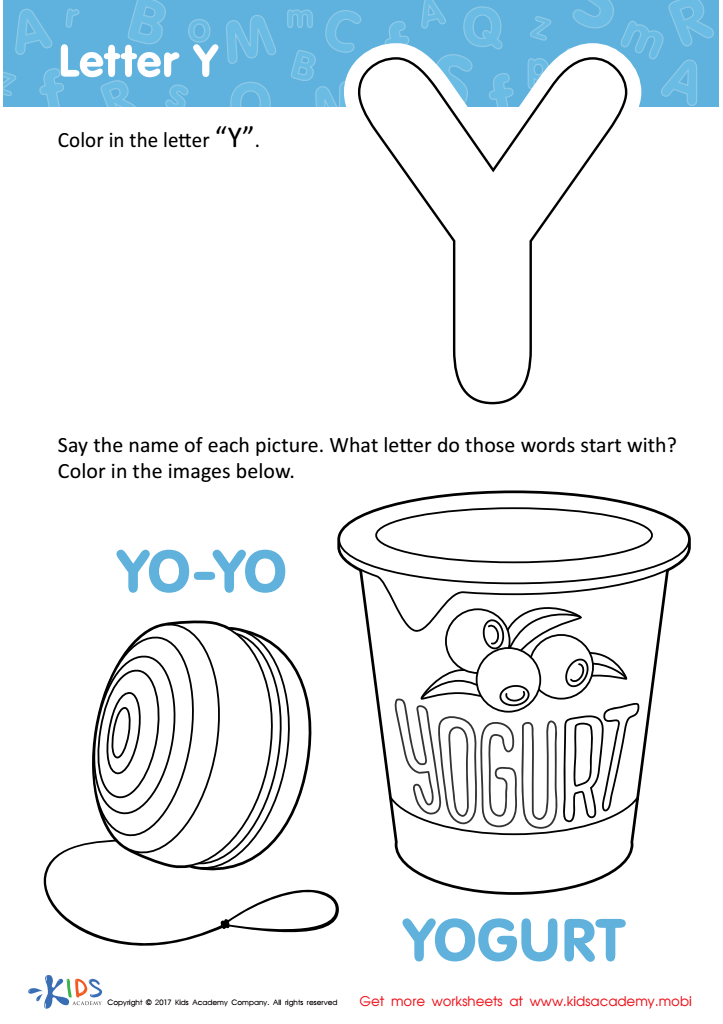
Letter Y Coloring Sheet
Assign to My Students




Alphabet recognition is a foundational skill in early literacy, critical for language development and literacy in young learners aged 3-8. Parents and teachers should prioritize this early learning experience for several reasons. First, recognizing letters aids in phonemic awareness, which is essential for later reading skills. Children who grasp the alphabet are better equipped to understand the relationship between sounds and letters, forming the basis for spelling and writing.
Moreover, early alphabet recognition nurtures cognitive development. It stimulates critical thinking, memory, and visual discrimination as children learn to identify letters in various forms—uppercase, lowercase, and script. Incorporating engaging and interactive methods, such as games, songs, and visuals, reinforces their learning and keeps motivation high.
Additionally, strong foundational skills can build lifelong learners and boost self-esteem in children. When children can recognize letters, they gain confidence in their ability to tackle reading tasks, leading to a more positive attitude toward literacy and learning overall.
Finally, partnering with parents in this process ensures consistency and encouragement at home, enriching the child’s learning environment. An investment in early alphabet recognition is an investment in a child's academic future, setting the stage for successful reading and communication skills.