Attention to Detail Easy Worksheets for Ages 3-8
5 filtered results
-
From - To
"Attention to Detail Easy Worksheets for Ages 3-8" are designed to boost focus and observational skills in young children. Engaging and fun, these worksheets help kids practice identifying subtle differences, recognizing patterns, and enhancing critical thinking. Our carefully crafted exercises, tailored for early learners aged 3 to 8, simplify complex concepts into manageable activities. Ideal for parents and teachers alike, these resources support early education with colorful visuals and age-appropriate challenges. Foster your child's concentration and precision with our easy-to-use worksheets from Kids Academy, laying a strong foundation for future academic success.
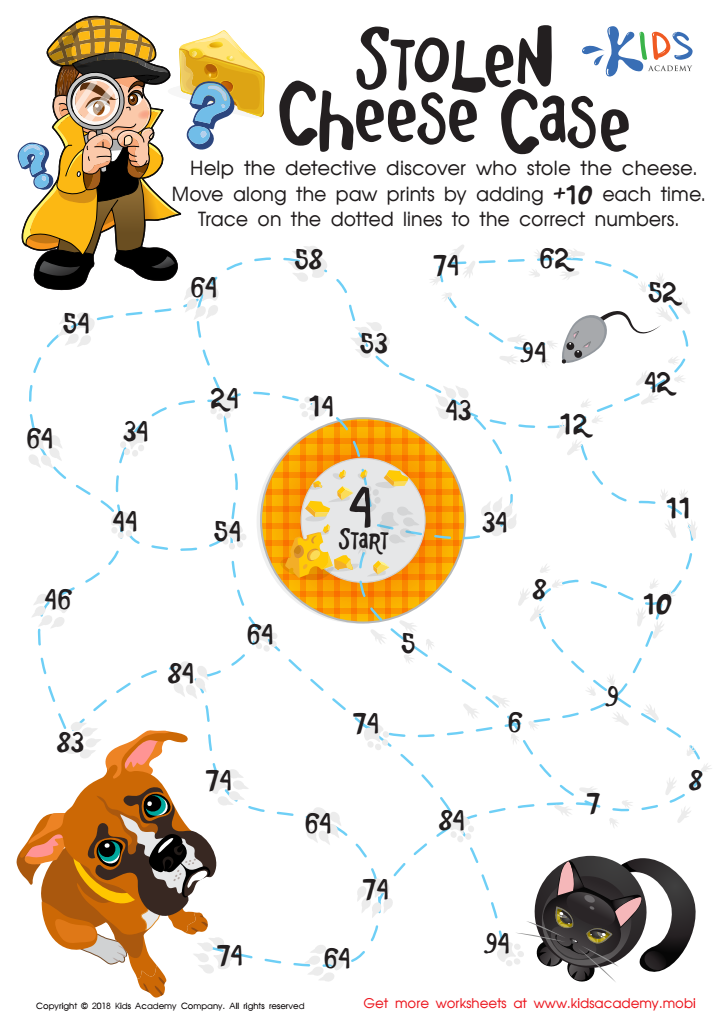
Stolen Cheese Case Maze Worksheet
 Assign to My Students
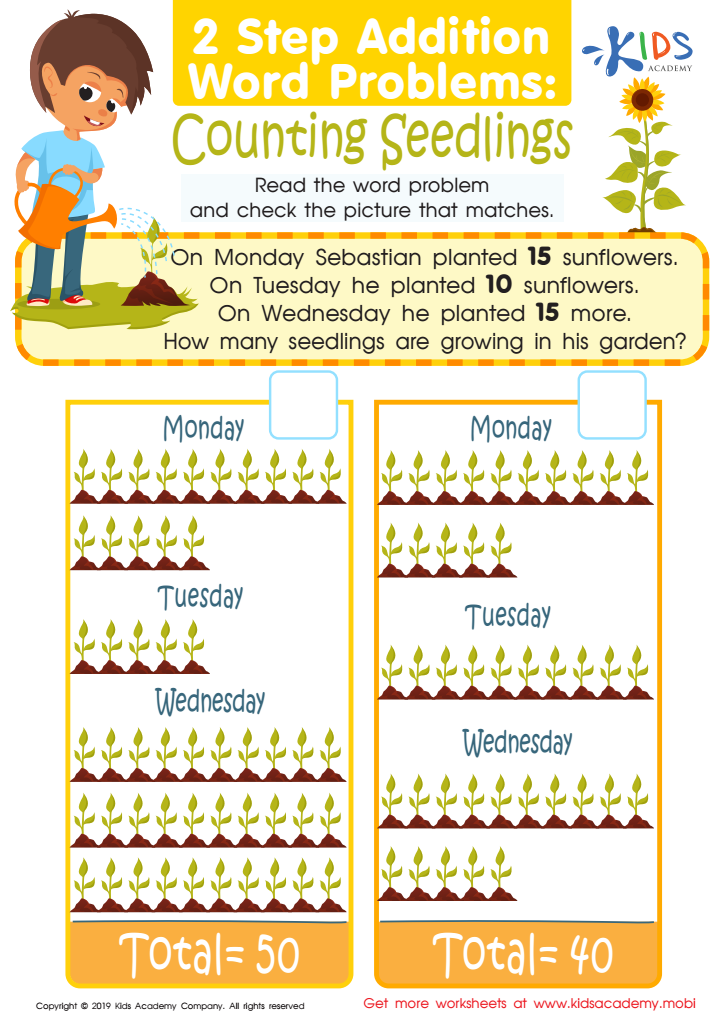
Counting Seedlings Worksheet
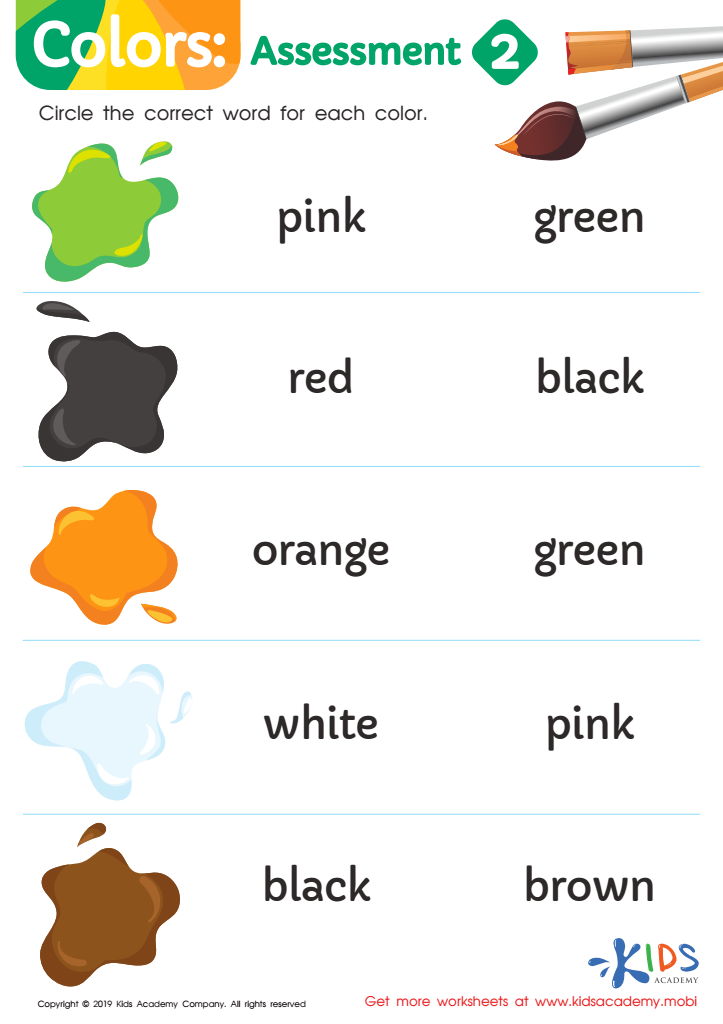
Colors: Assessment 2 Worksheet

Cities Worksheet
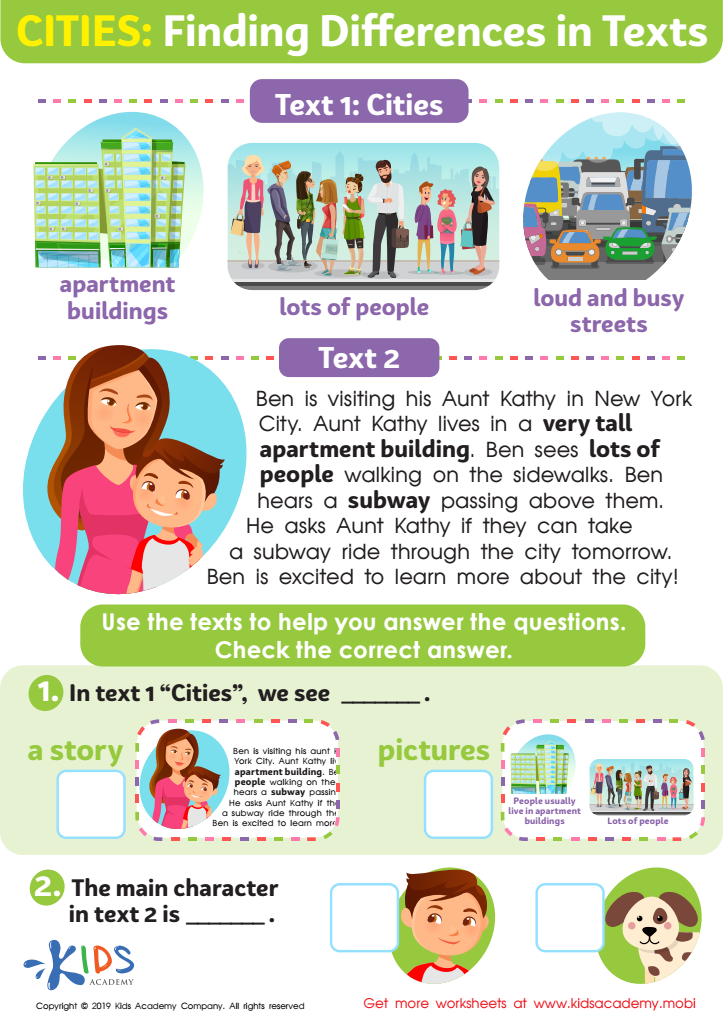
Cities: Finding Differences Worksheet


.jpg)



.jpg)
Attention to detail is a crucial skill to nurture in young children (ages 3-8) as it lays a foundation for their future success both academically and personally. At this developmental stage, children are absorbing information at an astounding rate and developing core habits that will impact their lifelong learning abilities. Encouraging attention to detail helps children become more accurate and conscientious in their tasks, which are essential attributes in various aspects of life.
For one, focusing on details enhances cognitive development, such as critical thinking and problem-solving skills. When children learn to observe and understand fine points, they are better equipped to grasp more complex concepts as they progress in their education. Moreover, paying attention to detail helps in developing fine motor skills, necessary for various activities like writing, drawing, and even playing musical instruments.
Moreover, attention to detail promotes better behavior and social skills. Children who are attentive tend to be more mindful of instructions and rules, which reduces errors and misunderstandings and fosters smoother social interactions.
Therefore, parents and teachers should actively cultivate attention to detail through engaging activities, such as puzzles, storytelling, and detailed artwork, to help children build a solid foundation for future learning and success.








