Basic Math Skills Easy Worksheets for Ages 3-8 - Page 2
31 filtered results
-
From - To
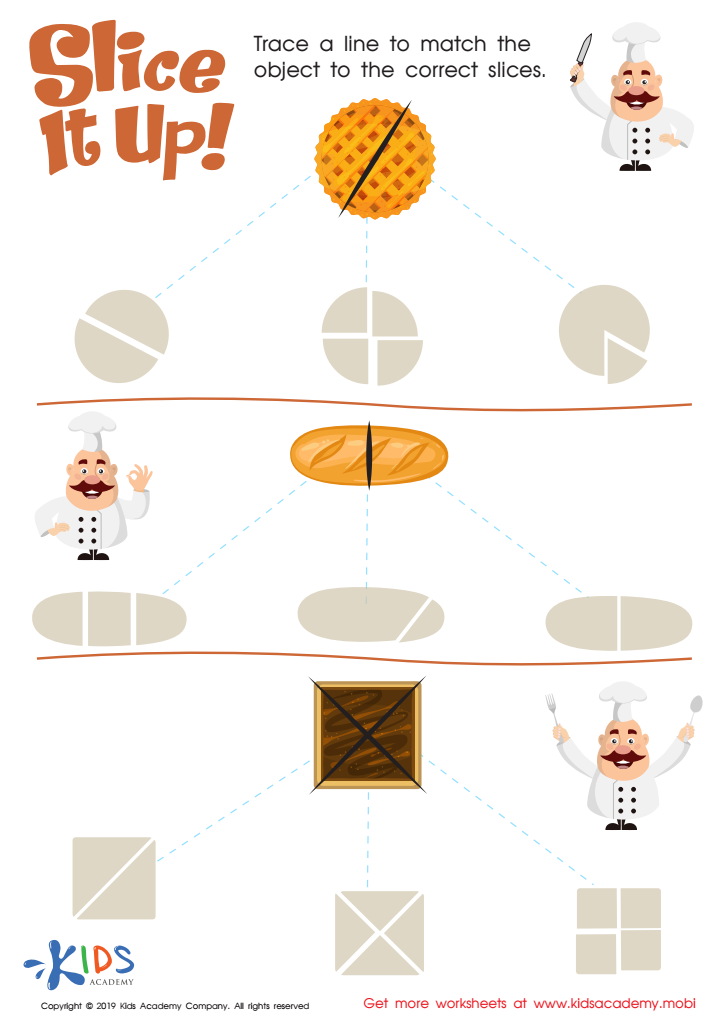
Slice It Up Worksheet
 Assign to My Students
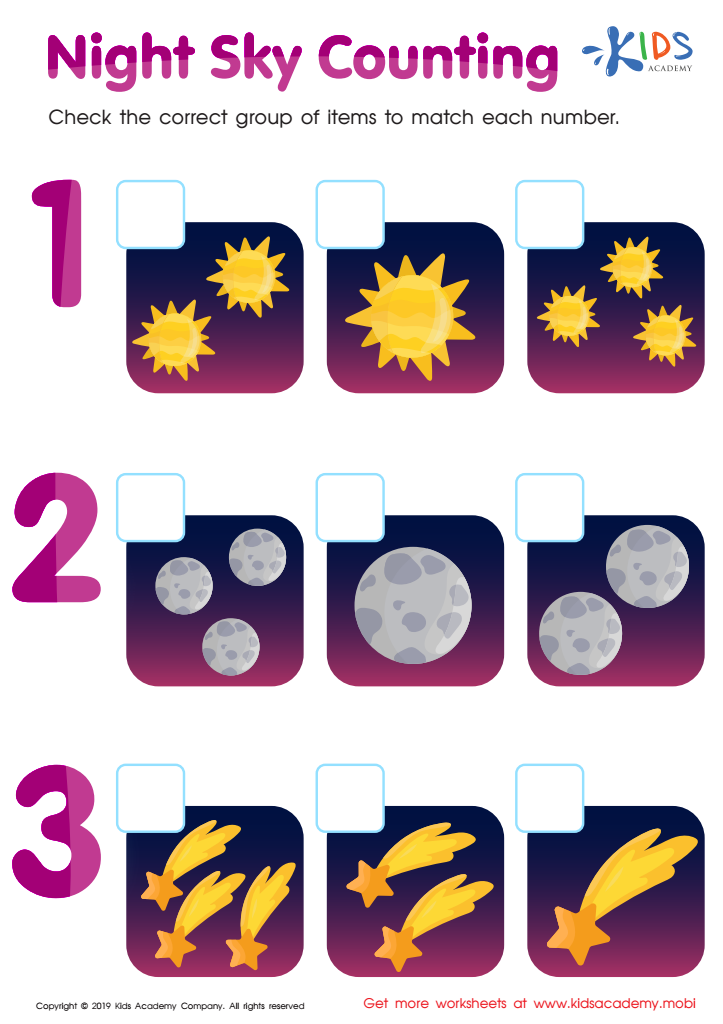
Night Sky Counting Worksheet
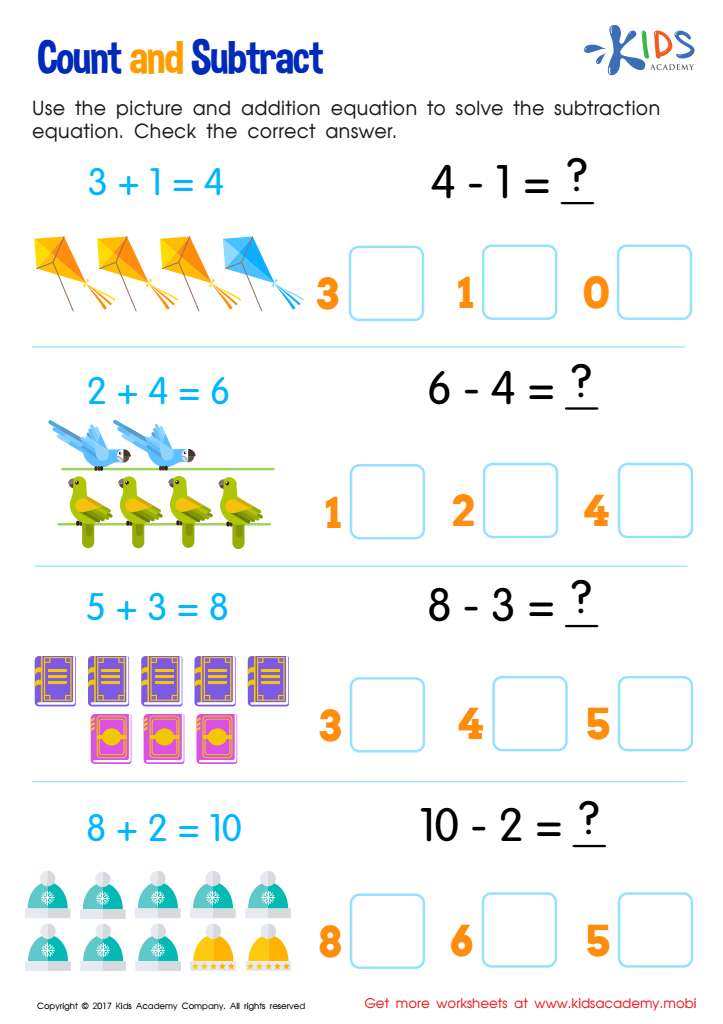
Count and Subtract Worksheet
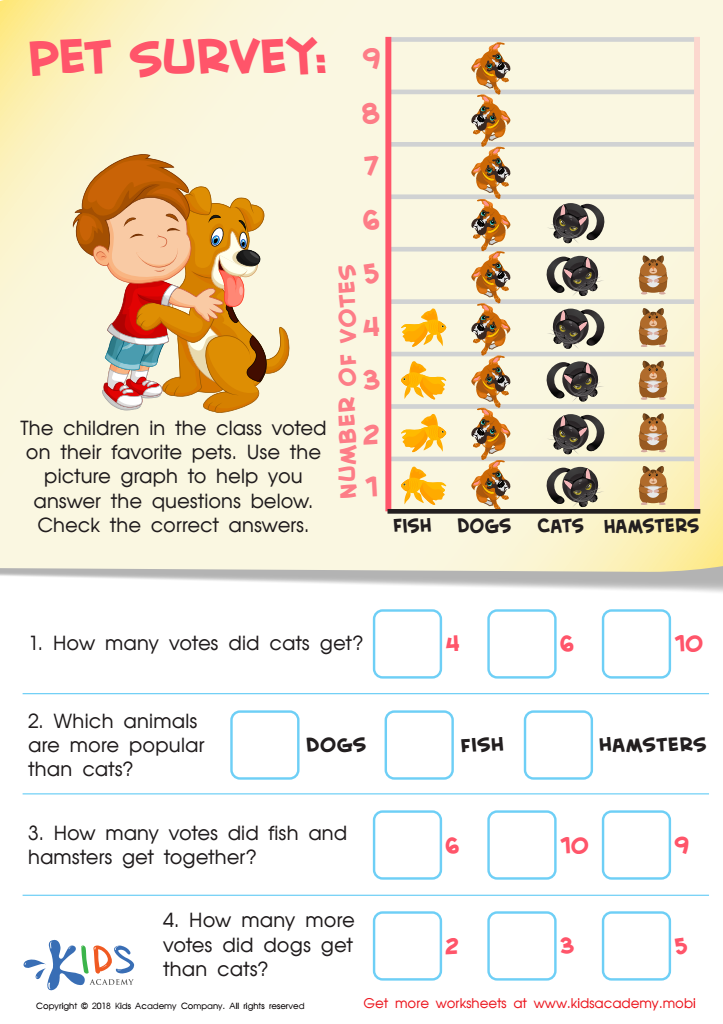
Pet Survey Worksheet
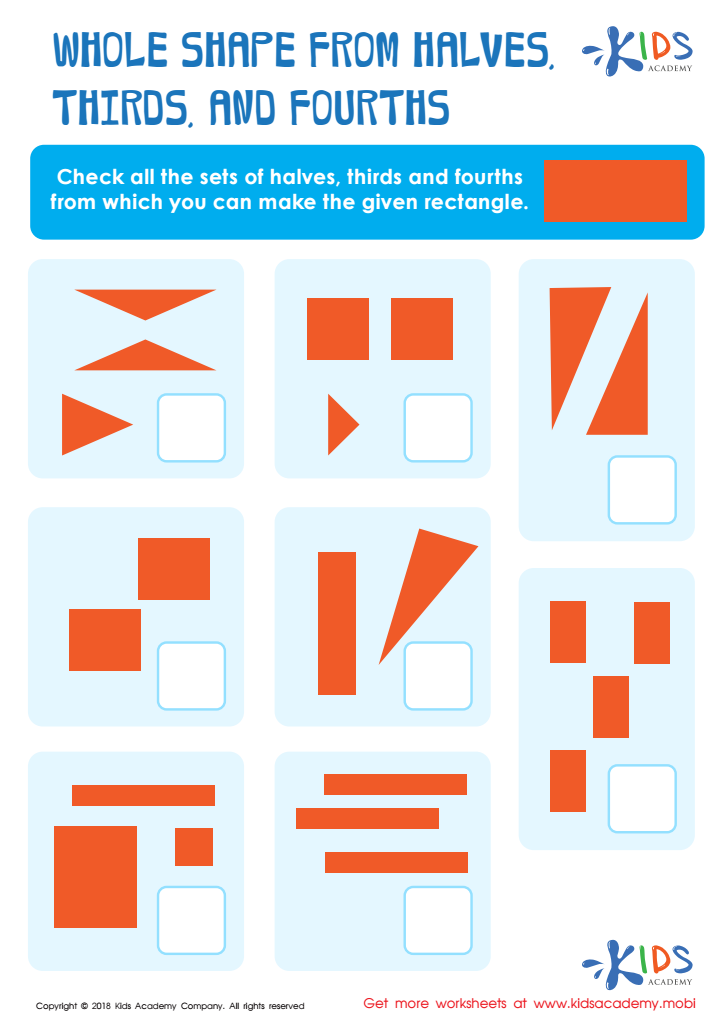
Whole Shape from Halves, Thirds and Fourths Worksheet
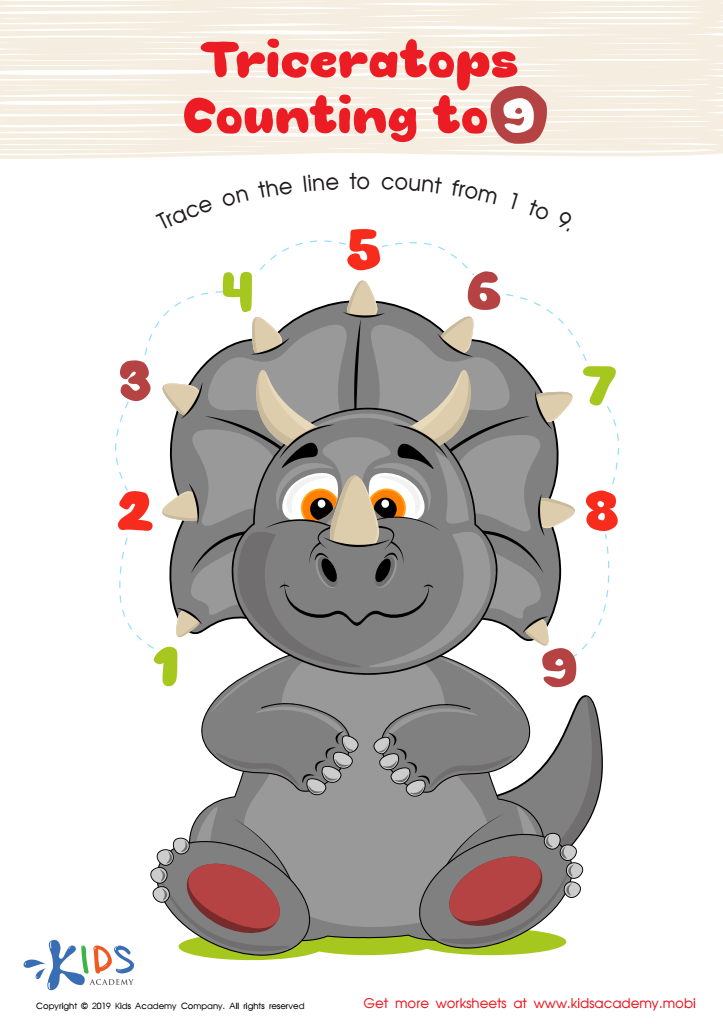
Triceratops Counting to 9 Worksheet
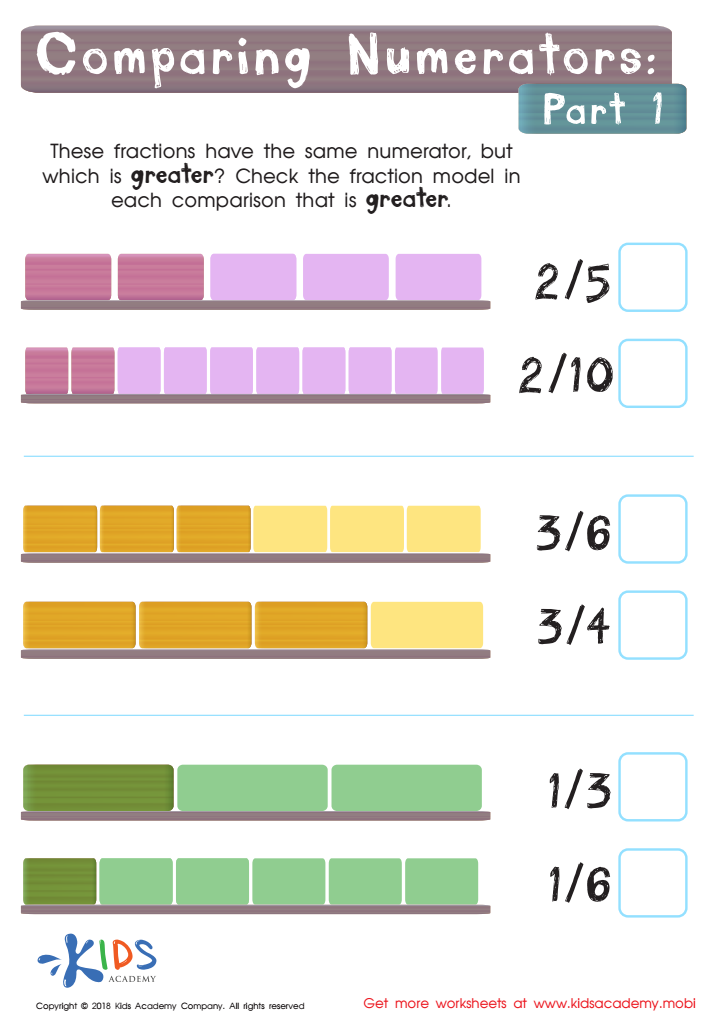
Comparing Numerators Part 1 Worksheet







Basic math skills are foundational for children's development and have a lasting impact on their academic journey. For ages 3-8, early exposure to math concepts fosters logical thinking and problem-solving abilities essential for future success in not just mathematics but various subjects and real-world situations.
Parents and teachers should prioritize basic math skills because these abilities lay the groundwork for critical thinking and cognitive development. Engaging children in simple counting, number recognition, and basic operations helps develop a positive attitude towards math, making them more comfortable tackling complex concepts later on. Additionally, incorporating math into everyday activities enhances their learning experience and shows them the relevance of math in daily life.
Math skills in early childhood also contribute to later academic achievement. Children with solid foundational skills are more likely to excel in standardized tests and coursework throughout their educational journey. Furthermore, fostering these skills boosts confidence and encourages a growth mindset, allowing children to tackle challenges fearlessly.
In summary, supporting basic math skill development for children ages 3-8 not only ensures they build a strong academic foundation but also cultivates essential life skills, confidence, and a love for learning that benefits them well beyond the classroom.








