Categorization skills Easy Worksheets for Ages 3-8
6 filtered results
-
From - To
Discover our "Categorization Skills Easy Worksheets" designed specifically for children ages 3 to 8! These engaging worksheets help young learners recognize the relationships between items and organize them into categories, fostering critical thinking and observation skills. With vibrant illustrations and age-appropriate activities, children will enjoy sorting animals, shapes, colors, and more. Our worksheets are perfect for both home and classroom use, allowing educators and parents to enhance learning through fun, interactive tasks. Equip your child with essential skills for academic success while ensuring they have a blast! Start exploring our collection today and watch your child thrive in categorization skills!
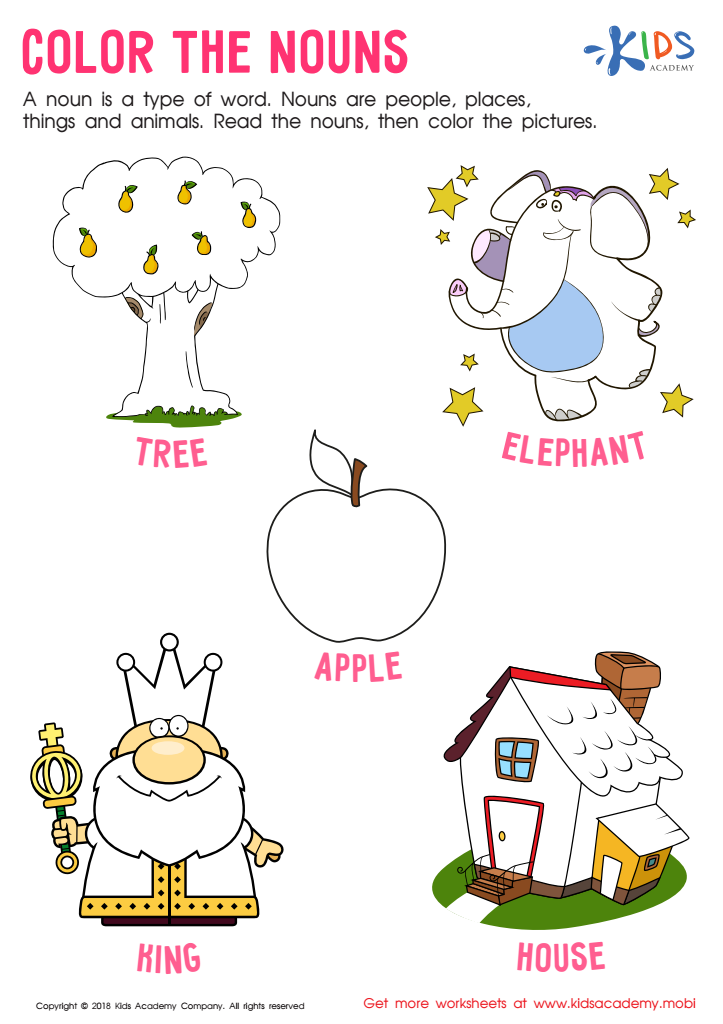
Color the Nouns Worksheet
 Assign to My Students
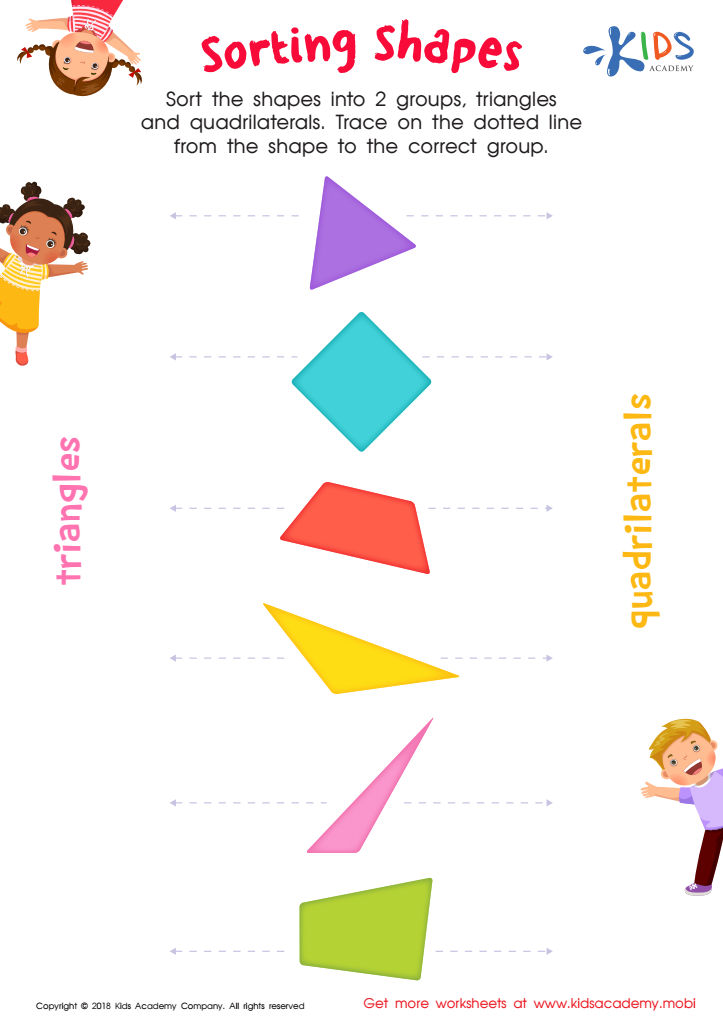
Sorting Shapes Worksheet
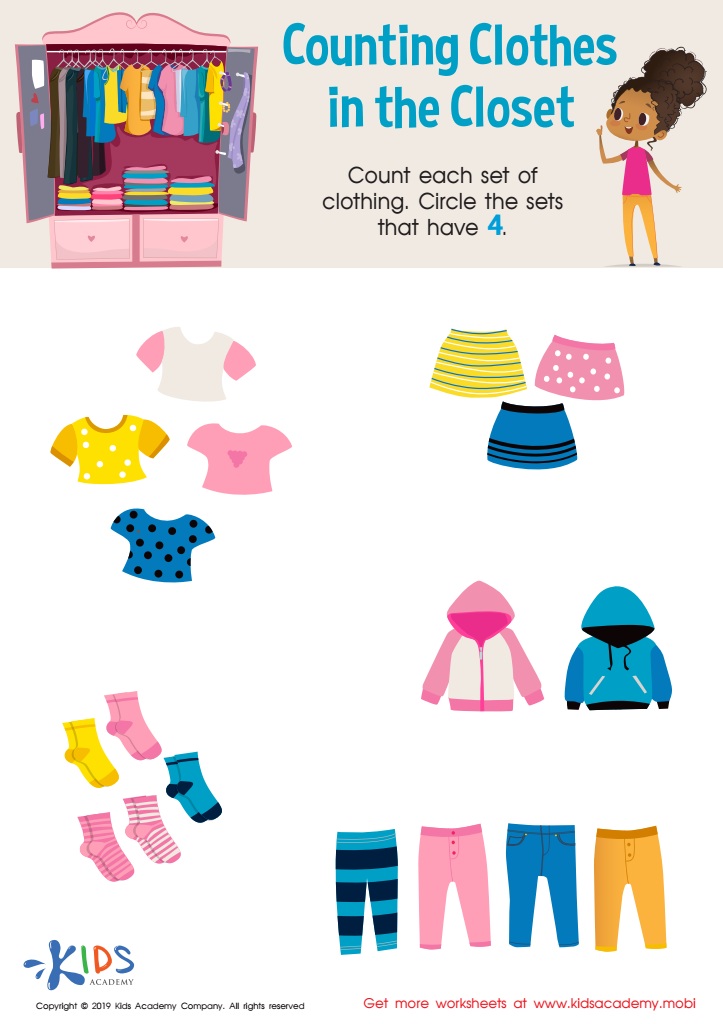
Counting Clothes Worksheet
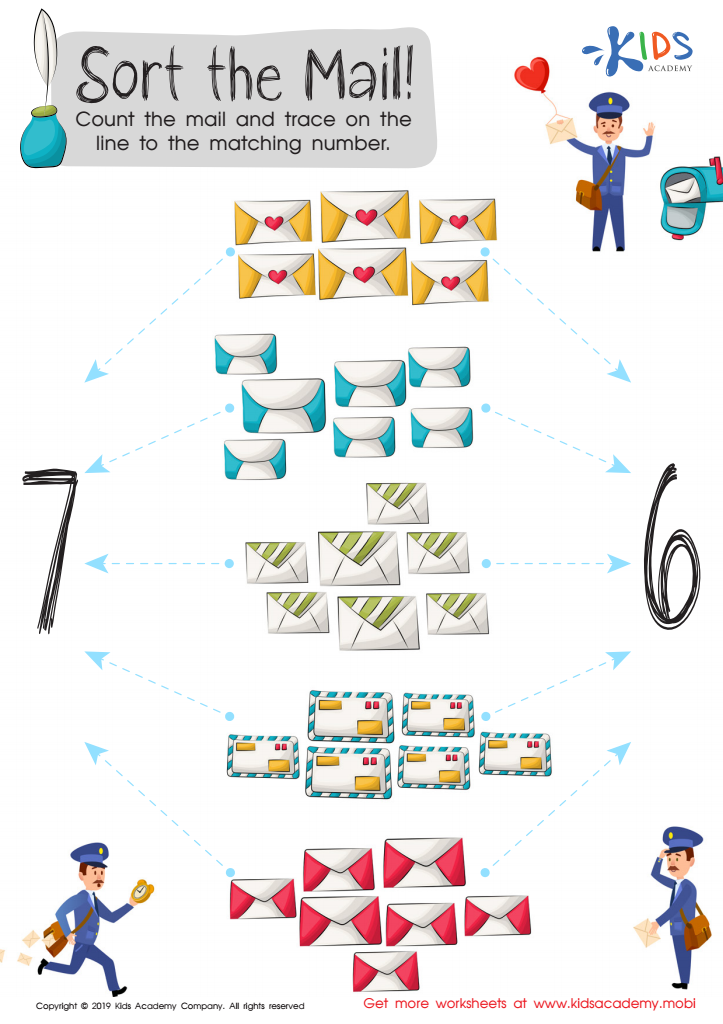
Sort the Mail Worksheet
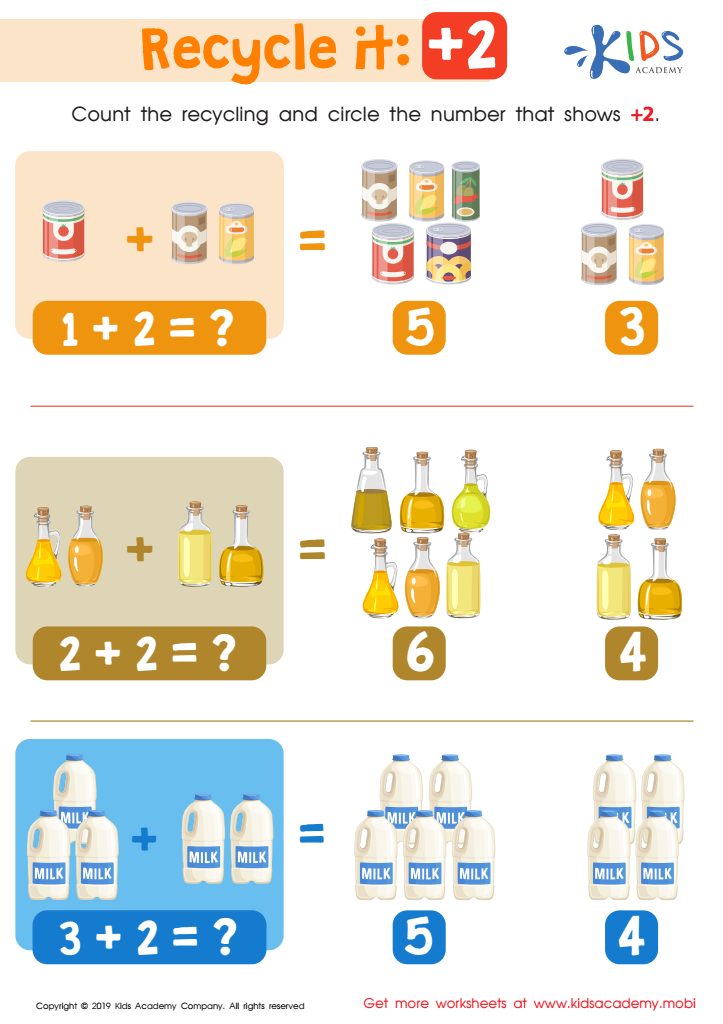
Recycle It: +2 Worksheet
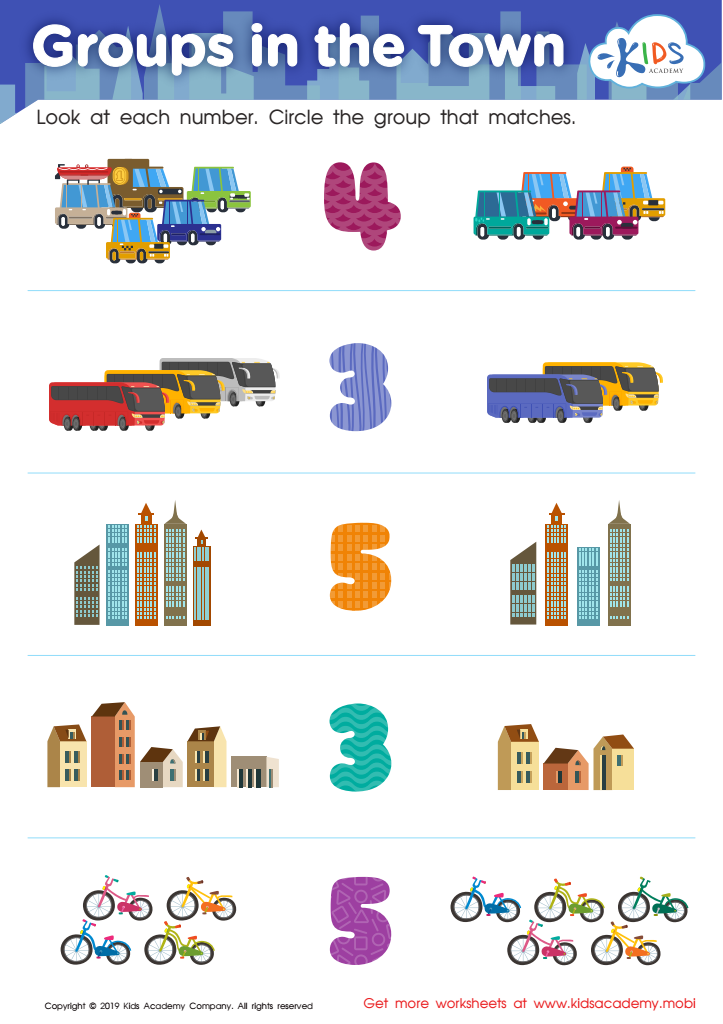
Groups in the Town Worksheet





.jpg)
Categorization skills are fundamental developmental milestones for children ages 3 to 8, laying the groundwork for critical thinking and problem-solving abilities. These skills involve sorting objects, ideas, or information into groups based on shared characteristics, which is not only crucial for early learning but also enhances cognitive development.
For parents and teachers, fostering categorization skills is essential because this foundational ability promotes better organizational skills. As children learn to classify items, they develop the capacity to understand relationships among various concepts, aiding in vocabulary expansion and comprehension. For instance, when children sort animals by habitat or colors by shades, they’re enhancing their understanding of the world around them.
Moreover, learning to categorize encourages creativity and flexibility in thinking. It allows children to see multiple perspectives and applies mathematical reasoning when they classify shapes or sizes, building a strong base for future math skills.
By incorporating fun and engaging categorization activities into learning—like sorting toys, organizing books, or classifying nature items—parents and teachers can support a child’s ability to synthesize information, articulate thoughts, and ultimately thrive academically and socially. In turn, these skills not only foster independence but also instill a love for learning that lasts a lifetime.








