Color recognition Easy Worksheets for Ages 3-8
38 filtered results
-
From - To
Discover our engaging color recognition worksheets designed for children ages 3-8! These easy-to-use resources help young learners identify and differentiate colors through fun activities, including matching, tracing, and coloring objects. Perfect for preschool and early elementary education, our worksheets promote essential cognitive skills and enhance creativity. Parents and teachers will appreciate the printable format for at-home and classroom use, making color learning accessible and enjoyable. Boost your child’s understanding of colors while fostering their motor skills and visual perception. Visit our collection today to empower your little ones with the joy of colorful learning!
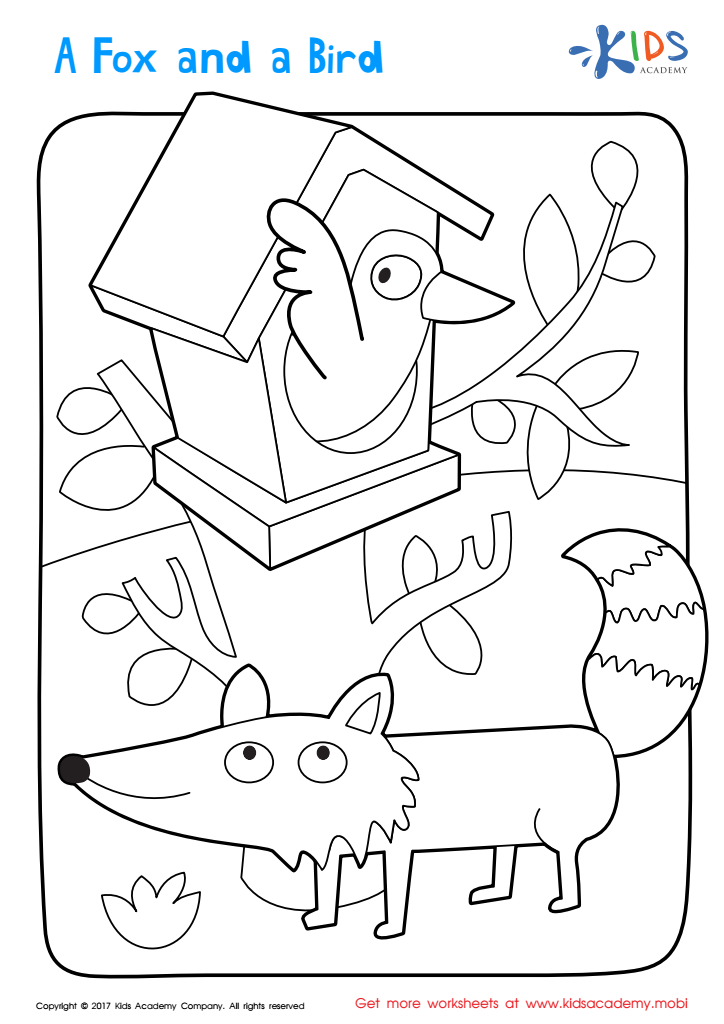
A Fox and Bird Coloring Page
 Assign to My Students
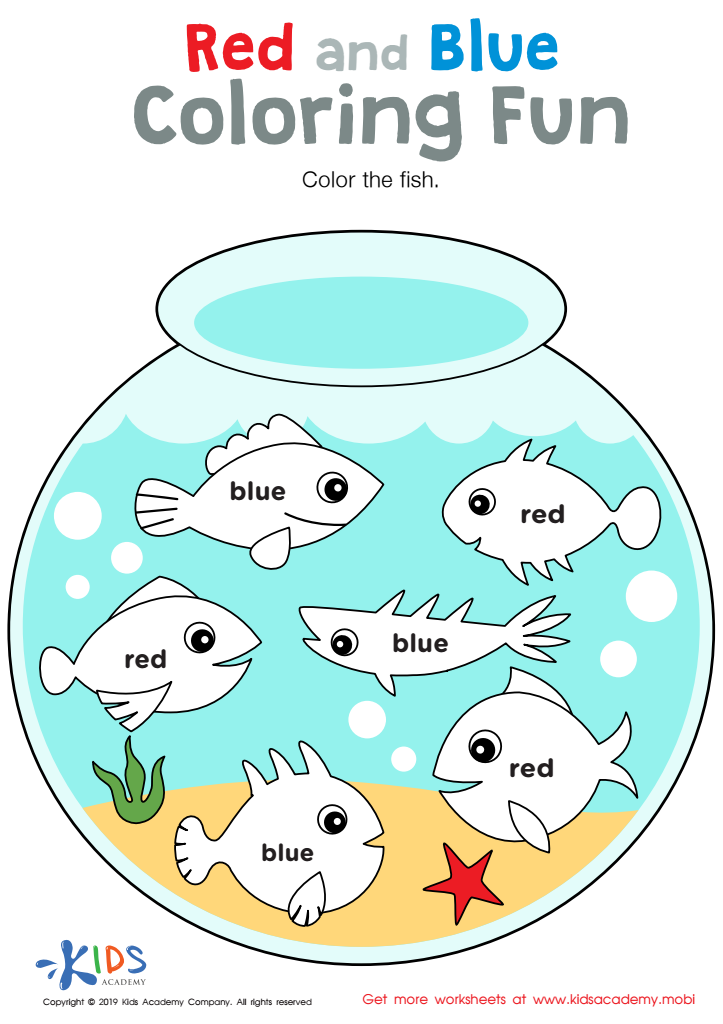
Red and Blue Coloring Fun Worksheet
Assign to My Students

Happy Diwali Printable
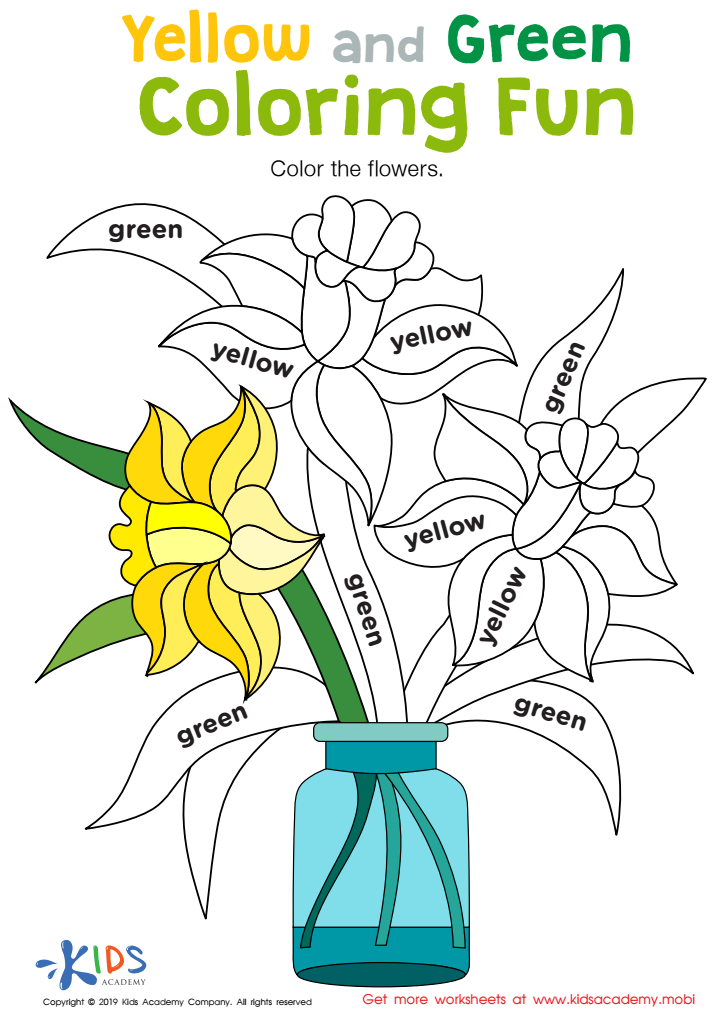
Yellow and Green Coloring Fun Worksheet
Assign to My Students

Pegasus Printable
Assign to My Students
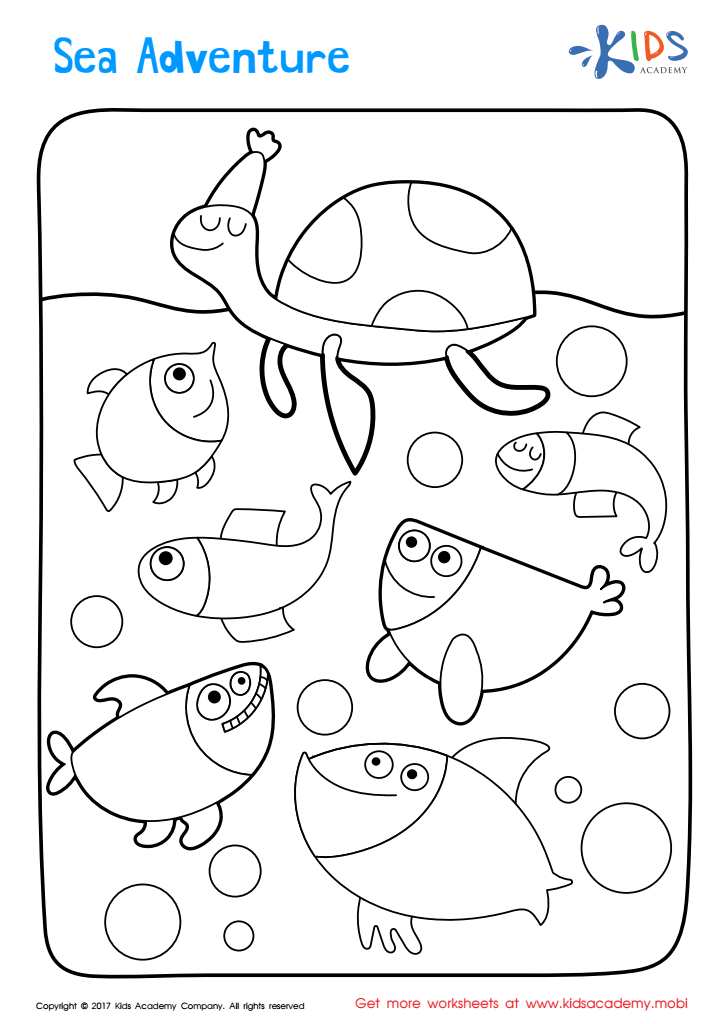
Sea Adventure Coloring Page
Assign to My Students
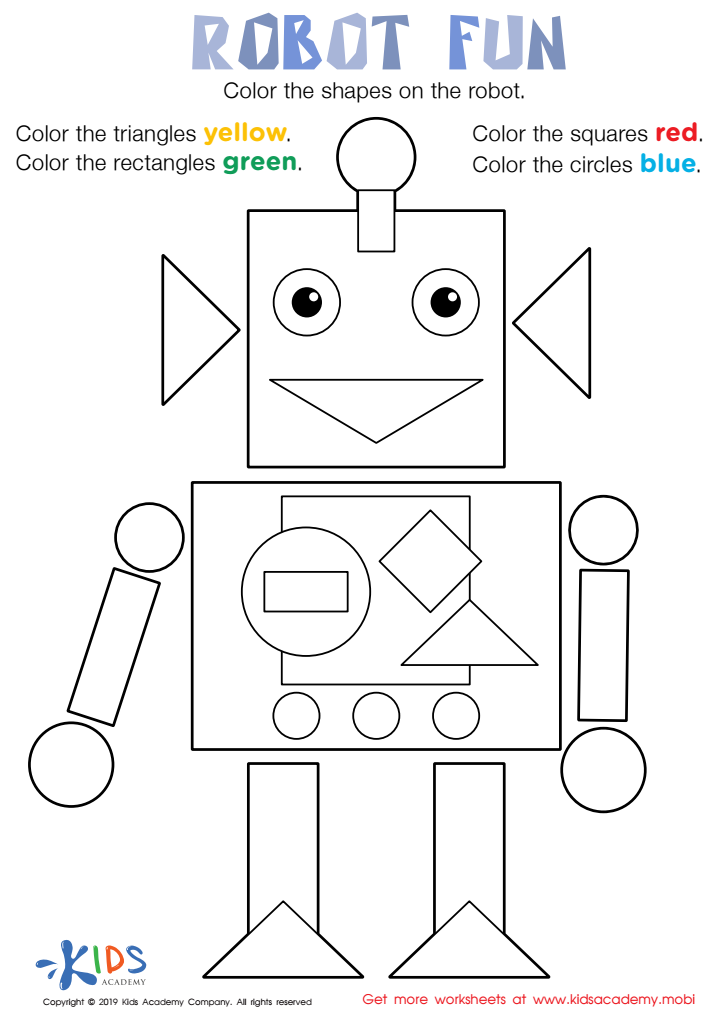
Robot Fun Worksheet
Assign to My Students
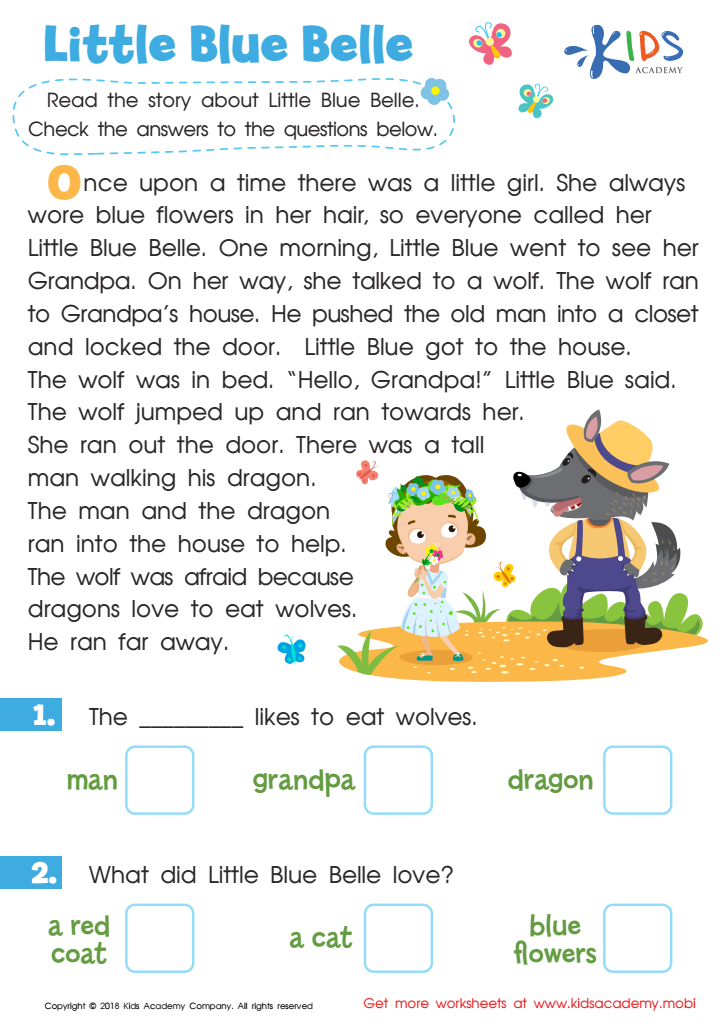
Little Blue Belle Worksheet
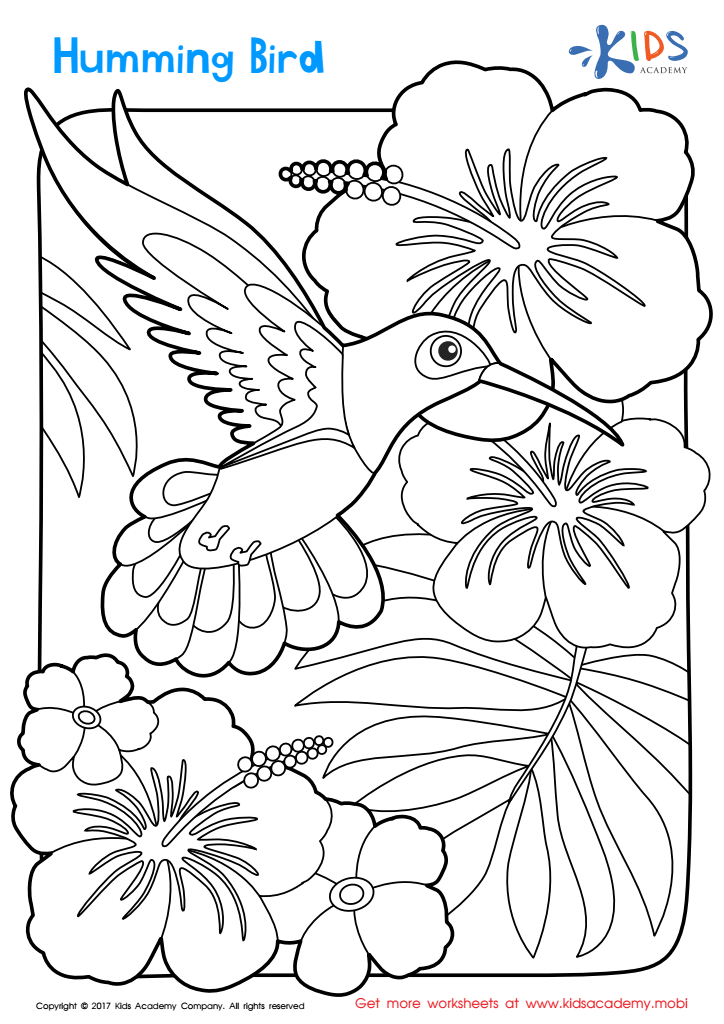
Humming Bird Worksheet
Assign to My Students
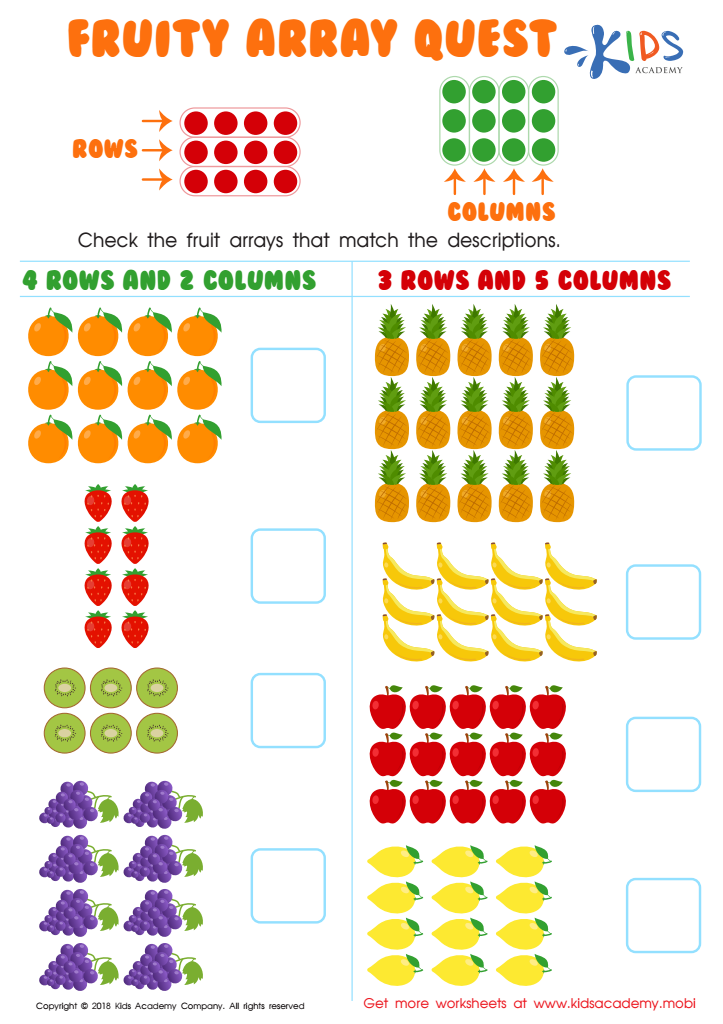
Fruity Array Quest Worksheet
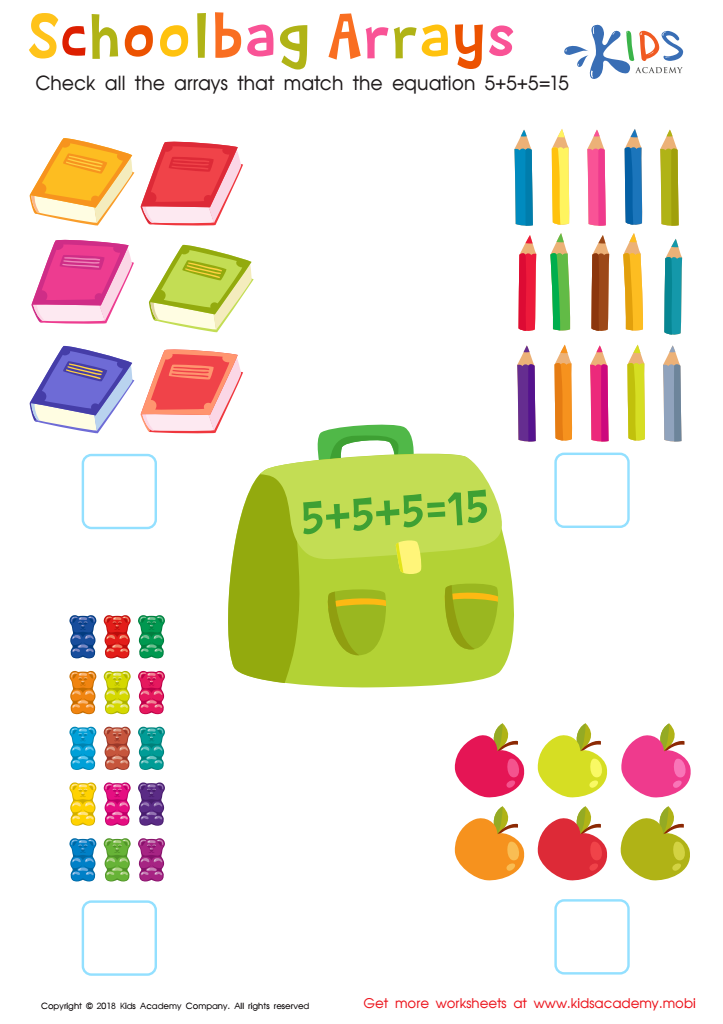
Schoolbag Arrays Worksheet
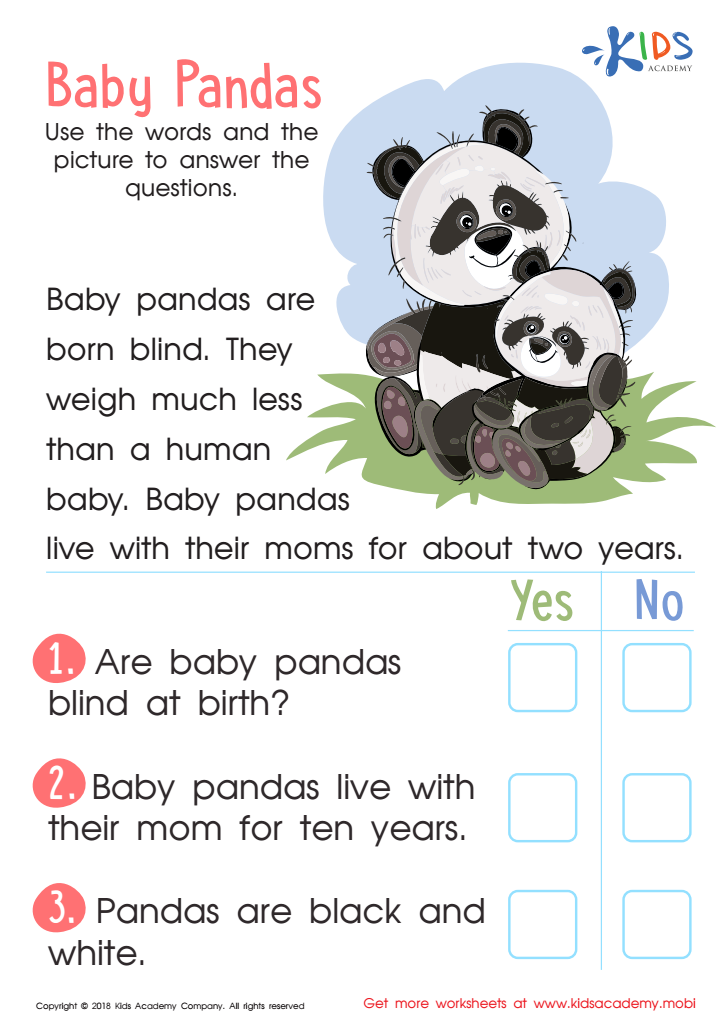
Baby Pandas Worksheet

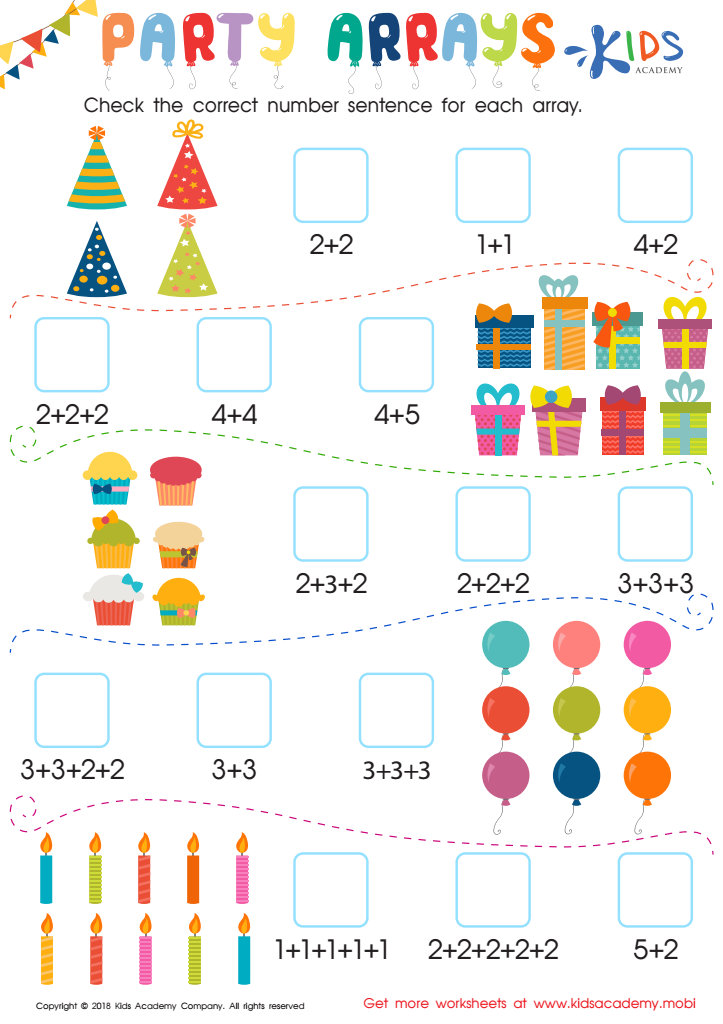
Party Arrays Worksheet
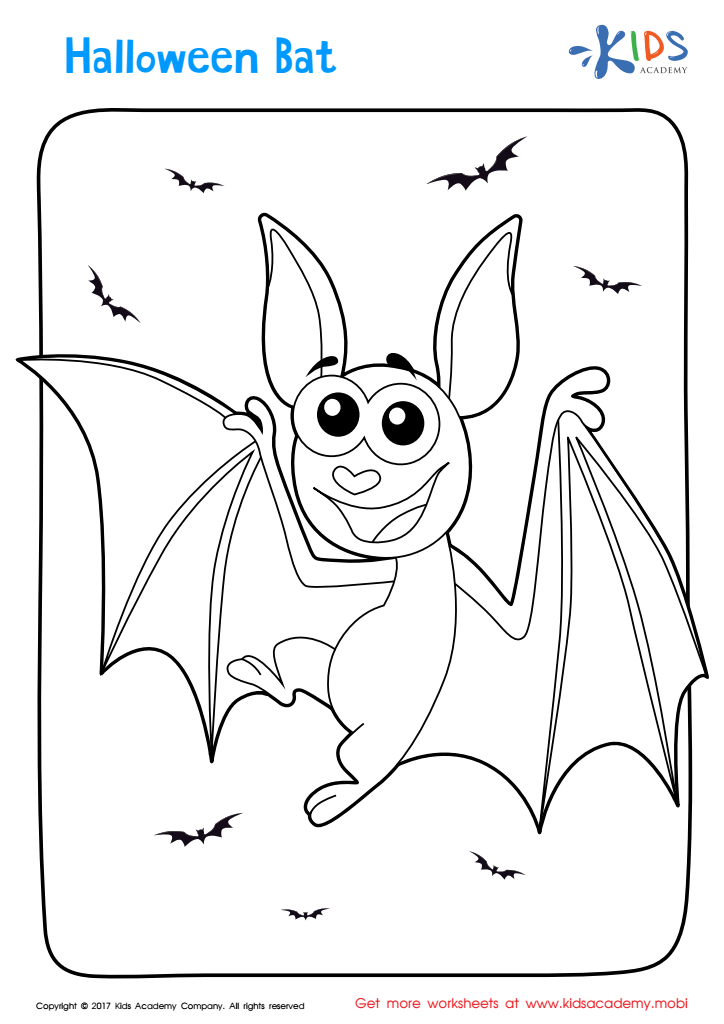
Halloween: A Bat Printable
Assign to My Students
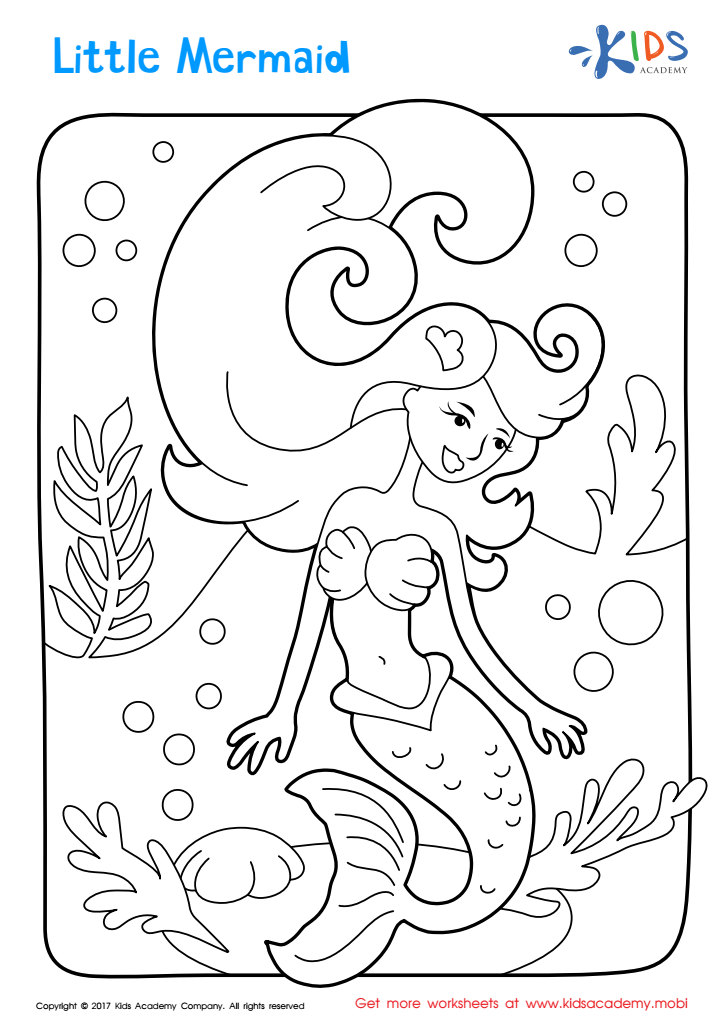
Little Mermaid Coloring Page
Assign to My Students
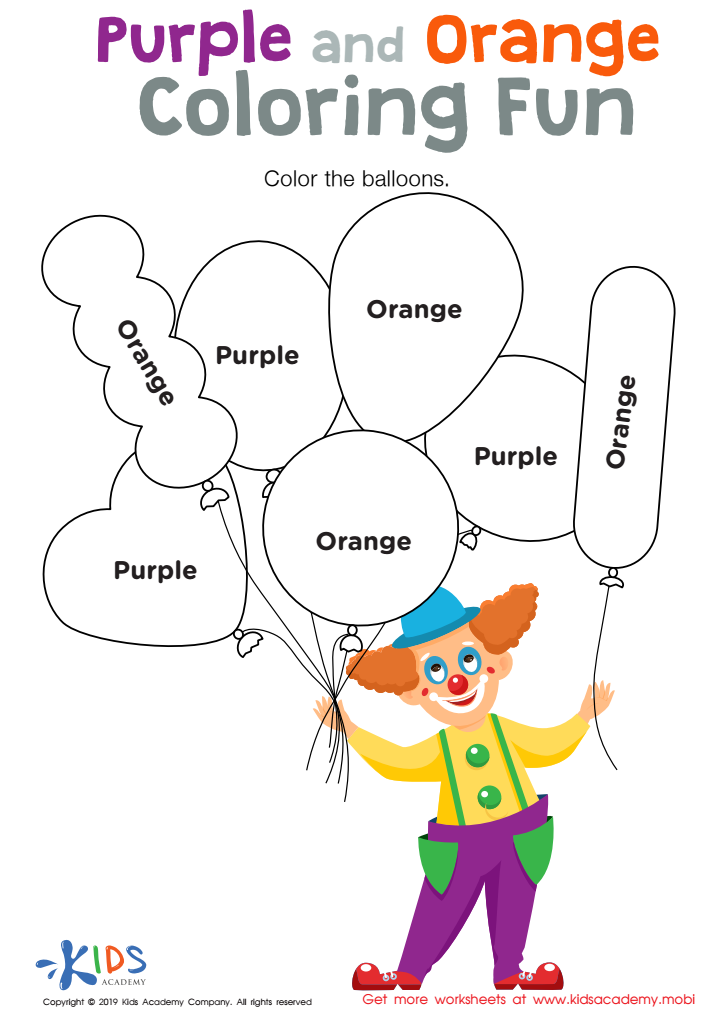
Purple and Orange Coloring Fun Worksheet
Assign to My Students
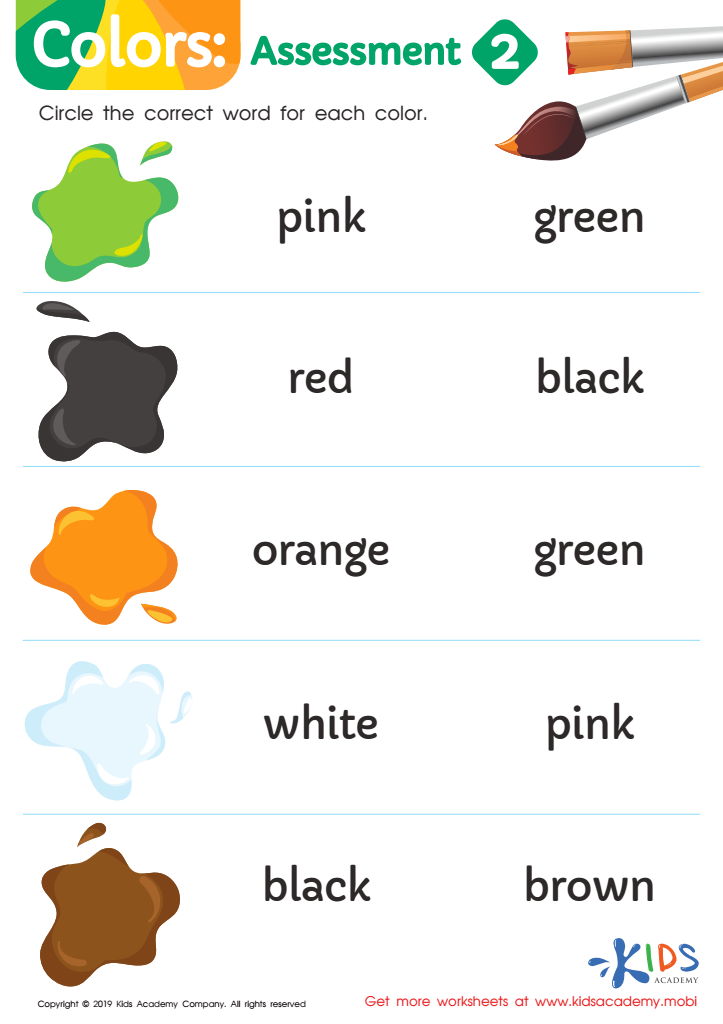
Colors: Assessment 2 Worksheet
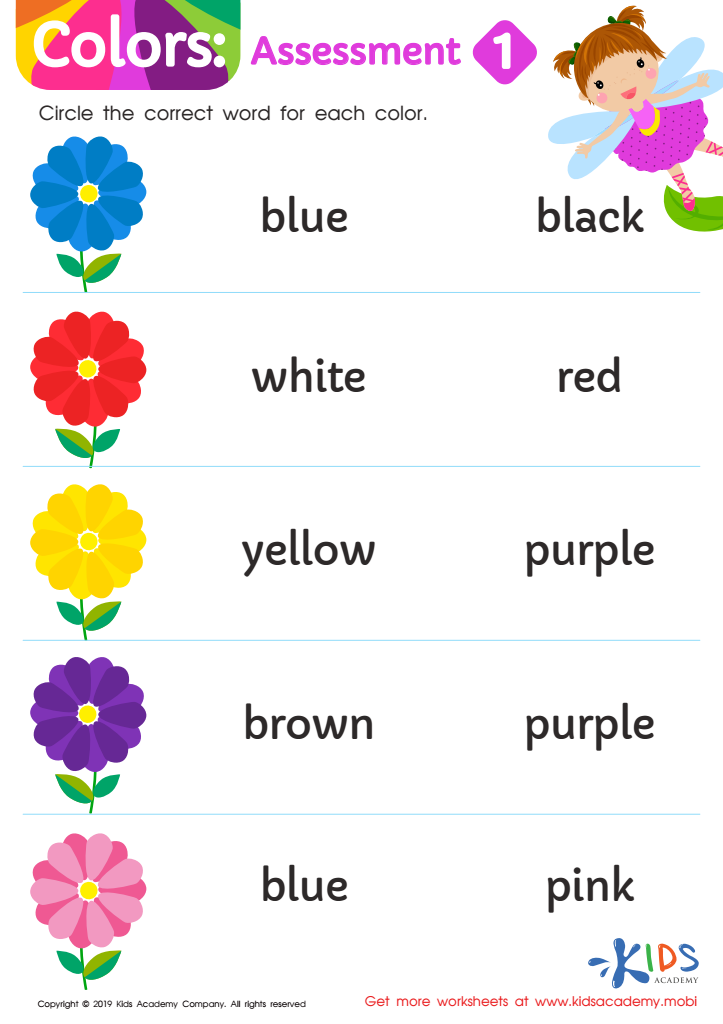
Colors: Assessment 1 Worksheet
Hickory Dickory Dock Coloring Page
Assign to My Students
Boy and Girl Words Coloring Worksheet
Assign to My Students
Brick House Printable Coloring Page
Assign to My Students
Pilgrim Boy Printable
Assign to My Students
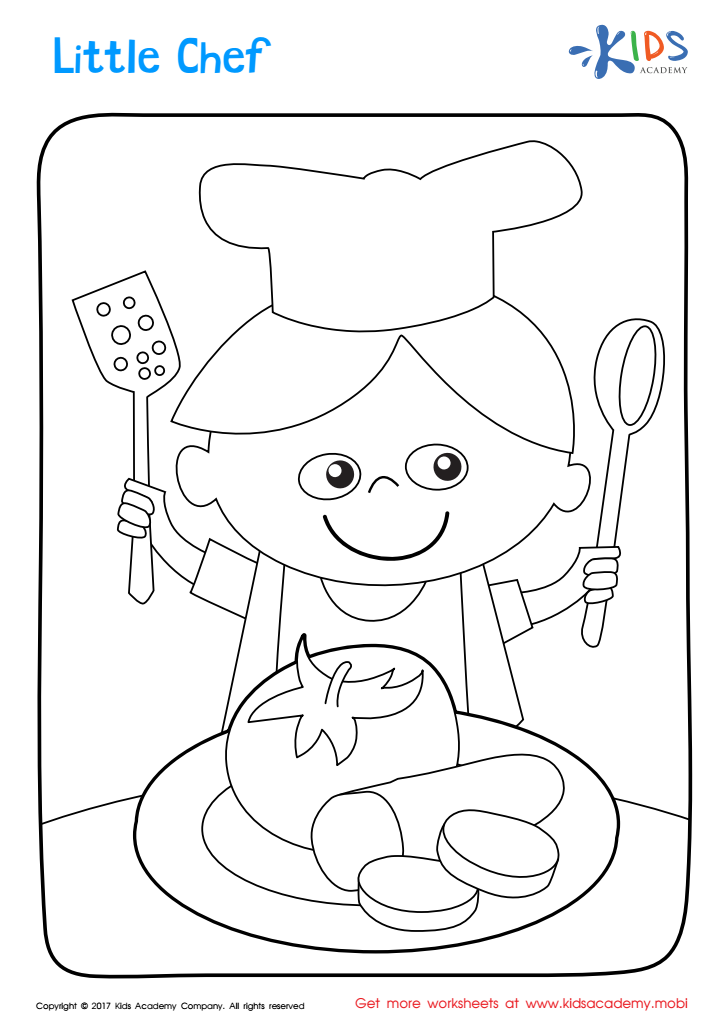
Little Chef Coloring Page
Assign to My Students





.jpg)


Color recognition is a fundamental skill for young children, and its importance cannot be overstated for both parents and teachers. Mastering colors is not only a part of early childhood education, but it also lays the groundwork for essential cognitive and social development.
First, color recognition enhances cognitive skills. Learning to identify and name colors helps children categorize objects, fostering critical thinking and problem-solving abilities. For instance, recognizing colors can facilitate early math concepts, such as sorting and grouping by attributes.
Second, color recognition is vital for language development. When children learn colors, they expand their vocabulary and gain the ability to express themselves more effectively, thus improving their communication skills.
Additionally, colors play a crucial role in social interactions. Through group activities involving colors, children learn to cooperate, share, and work together, which are essential social skills that contribute to their emotional intelligence.
Moreover, increased awareness of colors can help children engage more deeply with their environment through art and play, igniting creativity and sparking imagination.
Overall, parents and teachers who prioritize color recognition provide children with a foundational skill that promotes cognitive, linguistic, and social growth, setting the stage for future learning and development.








