Color recognition Easy Worksheets for Ages 3-8 - Page 2
38 filtered results
-
From - To

Japan Printable
 Assign to My Students

Deer Tracing Winter Words Worksheet
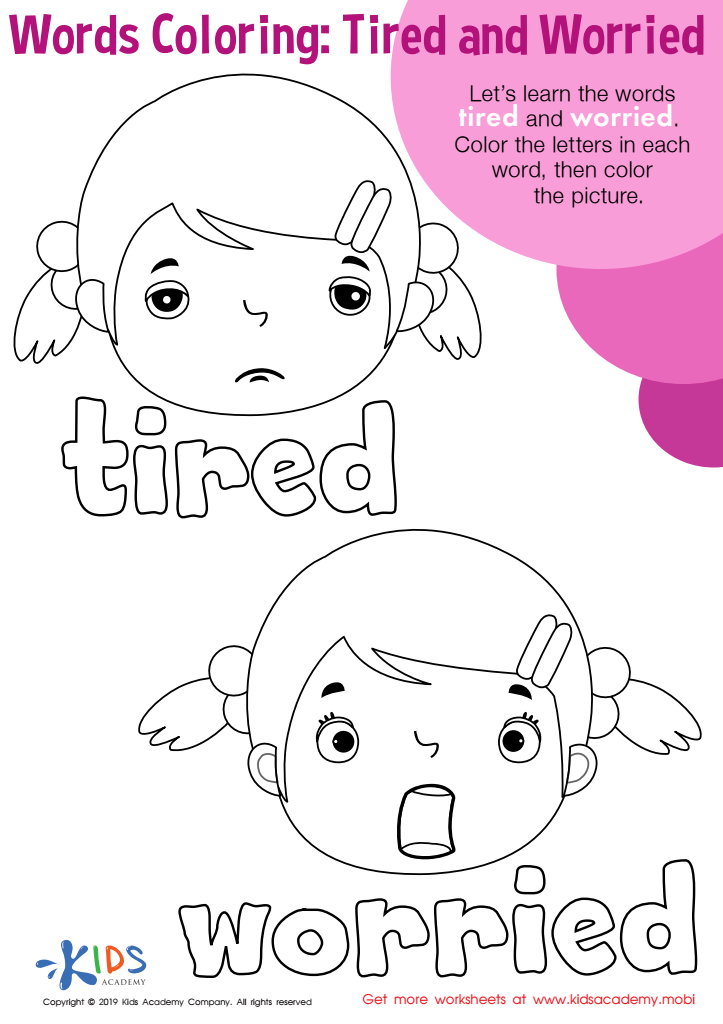
Tired and Worried Words Coloring Worksheet
Assign to My Students
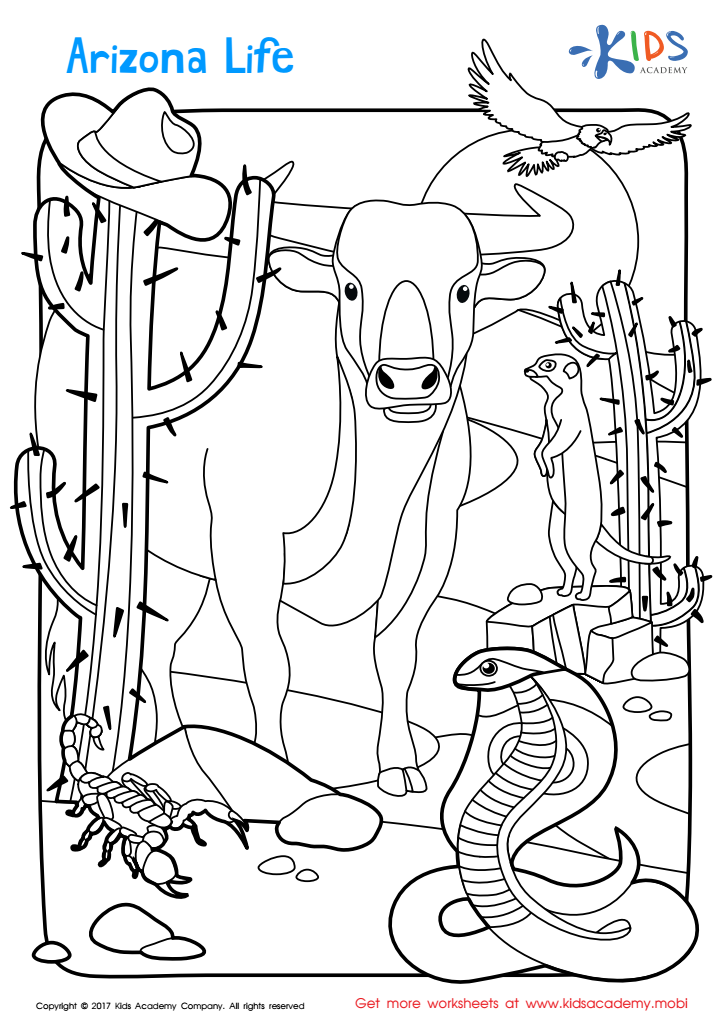
Arizona Coloring Page Worksheet
Assign to My Students

Christmas: Snowman Printable
Assign to My Students
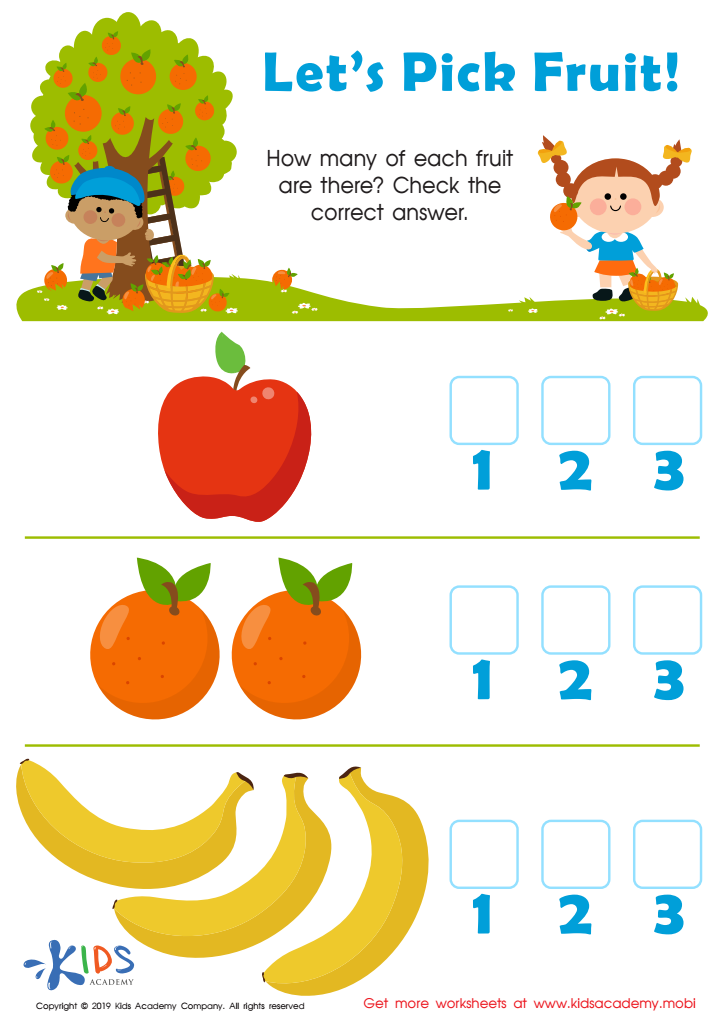
Let's Pick Fruit Worksheet
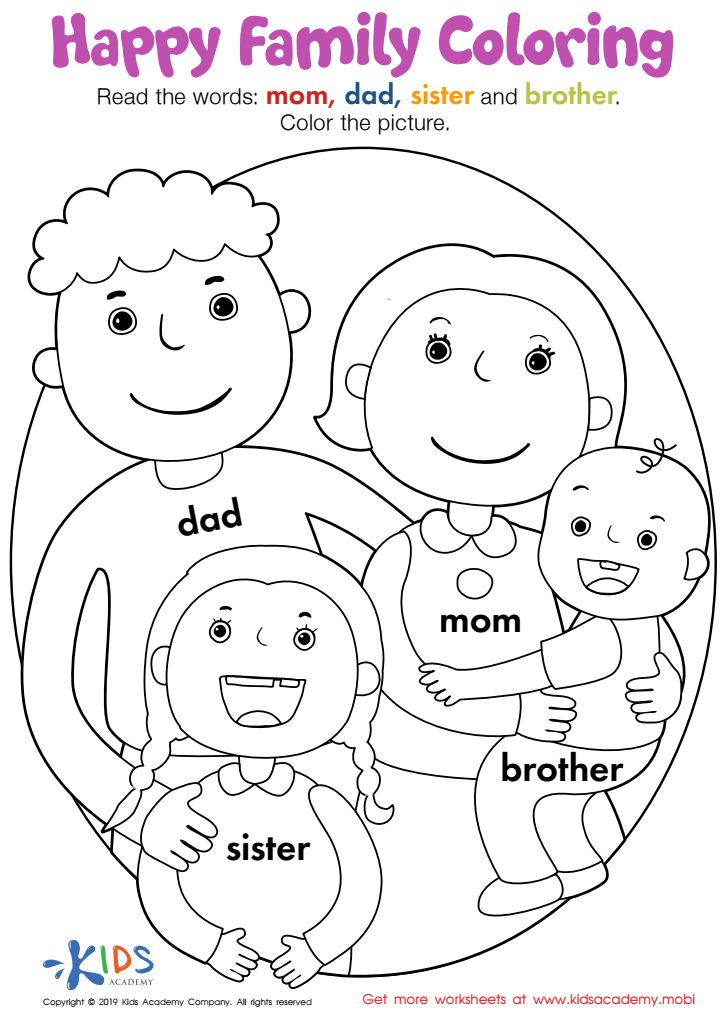
Happy Family Coloring Worksheet
Assign to My Students

Globe Coloring Page Worksheet
Assign to My Students
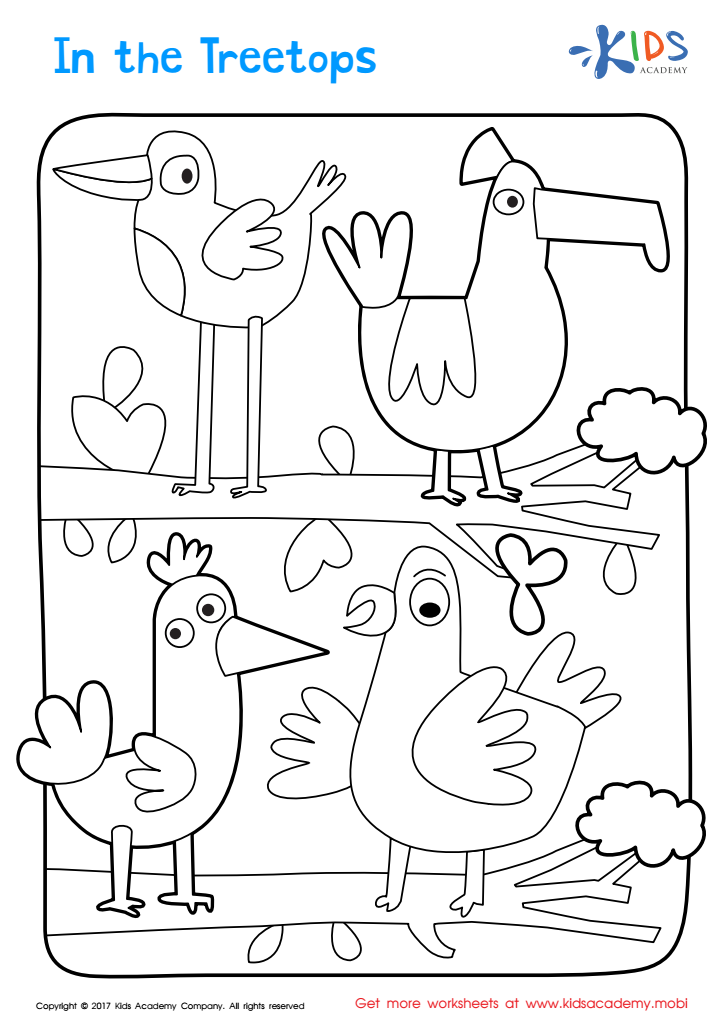
In the Treetops Coloring Page
Assign to My Students
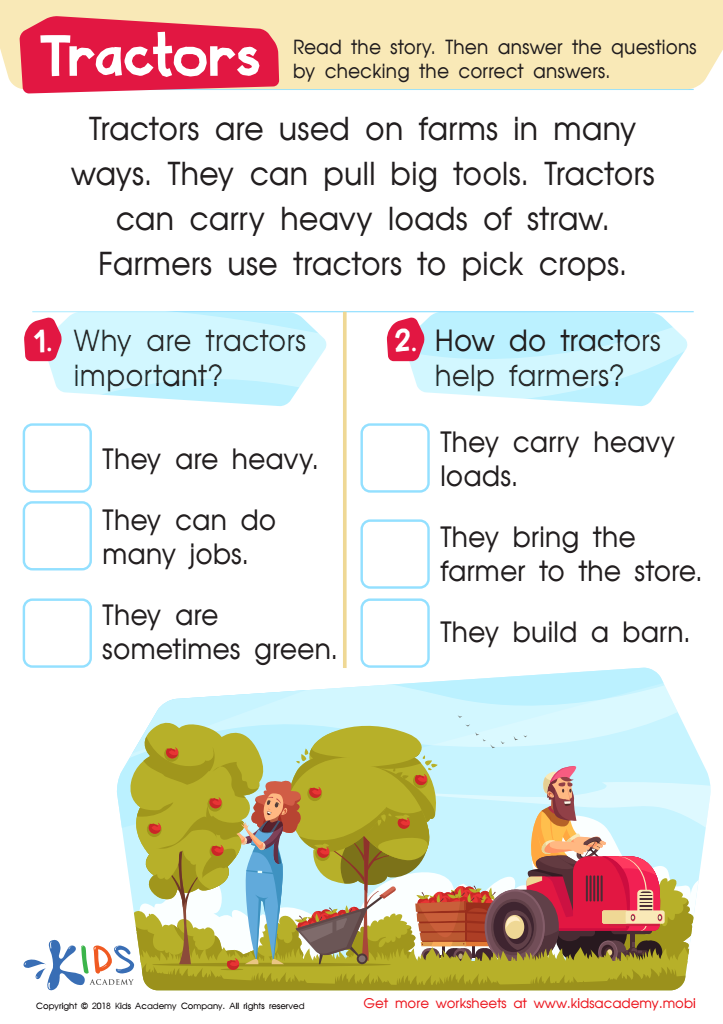
Tractors Worksheet
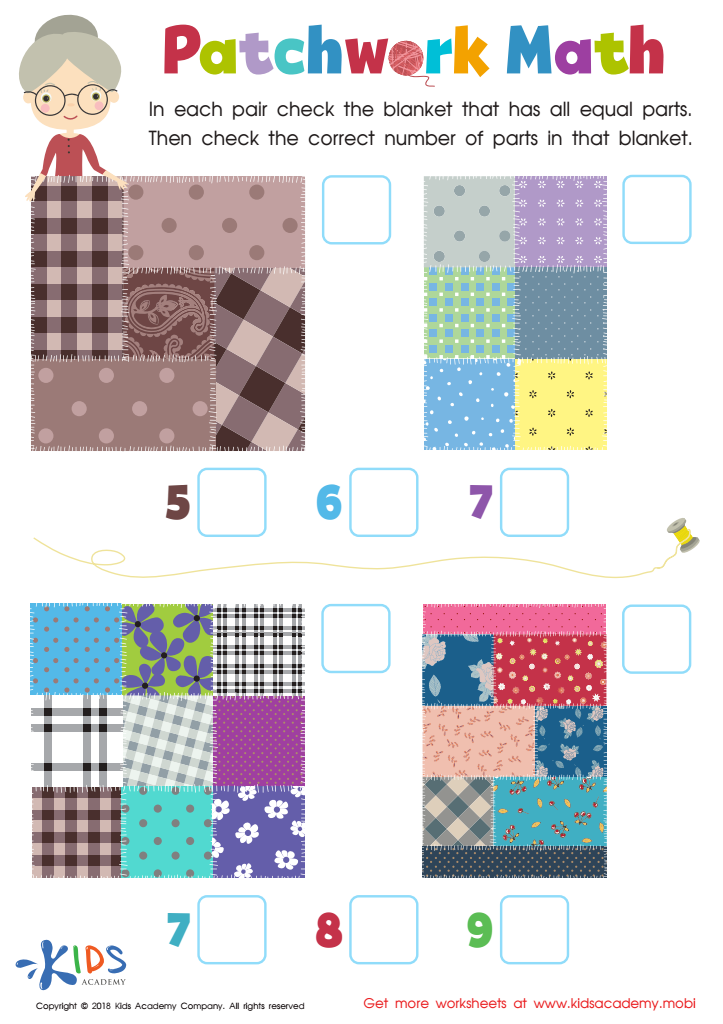
Patchwork Math Worksheet
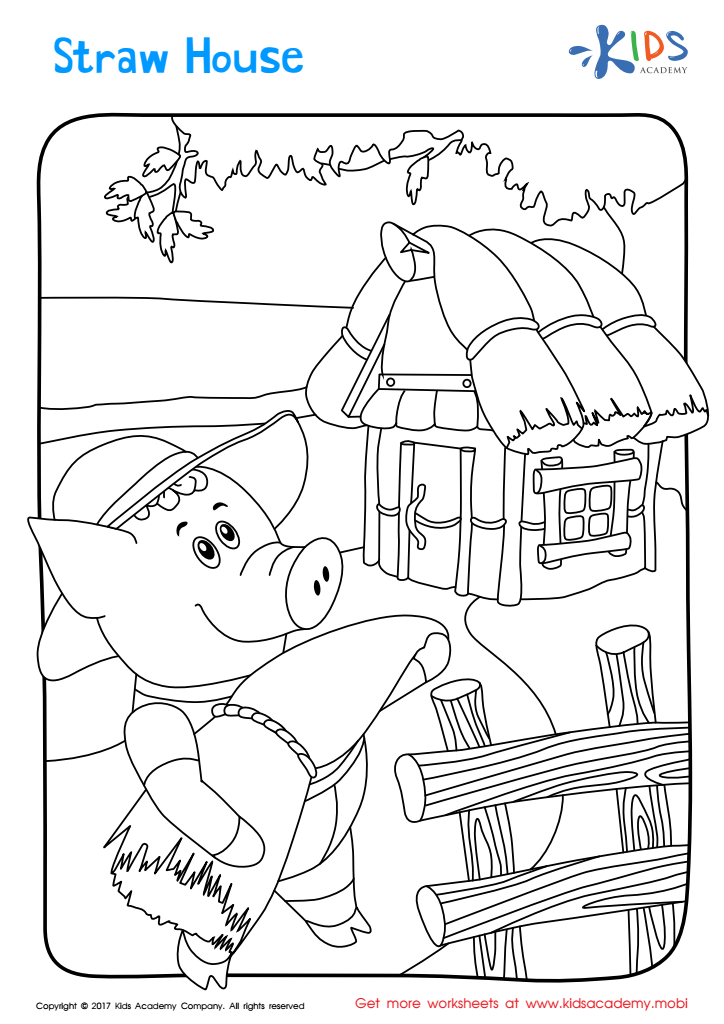
Straw House Printable Coloring Page
Assign to My Students
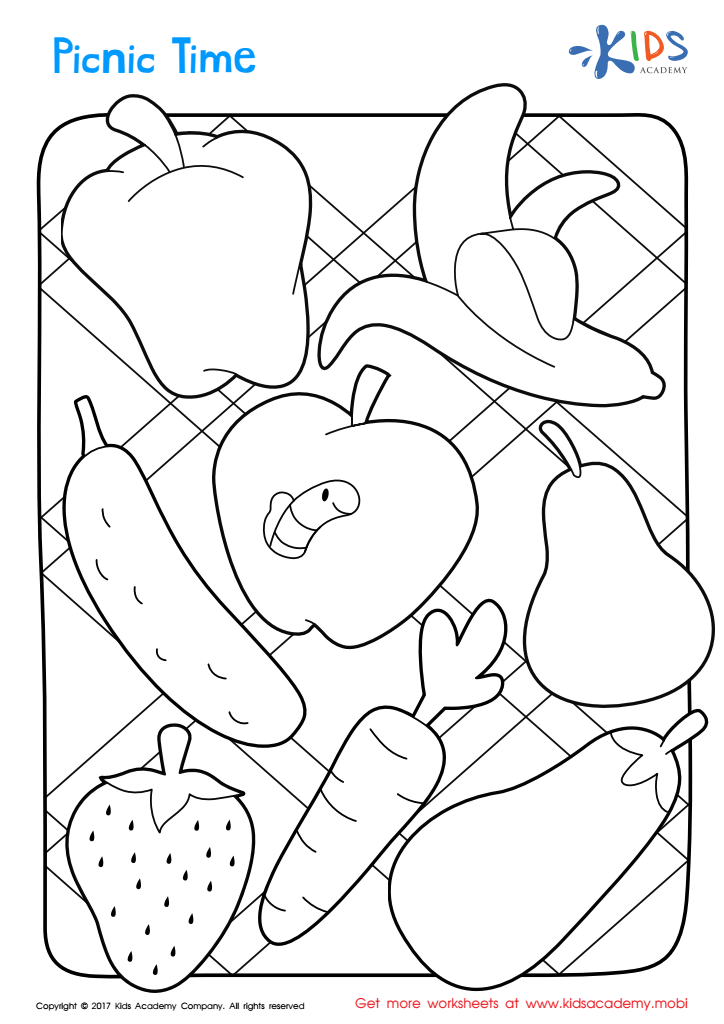
Picnic Time Coloring Page
Assign to My Students


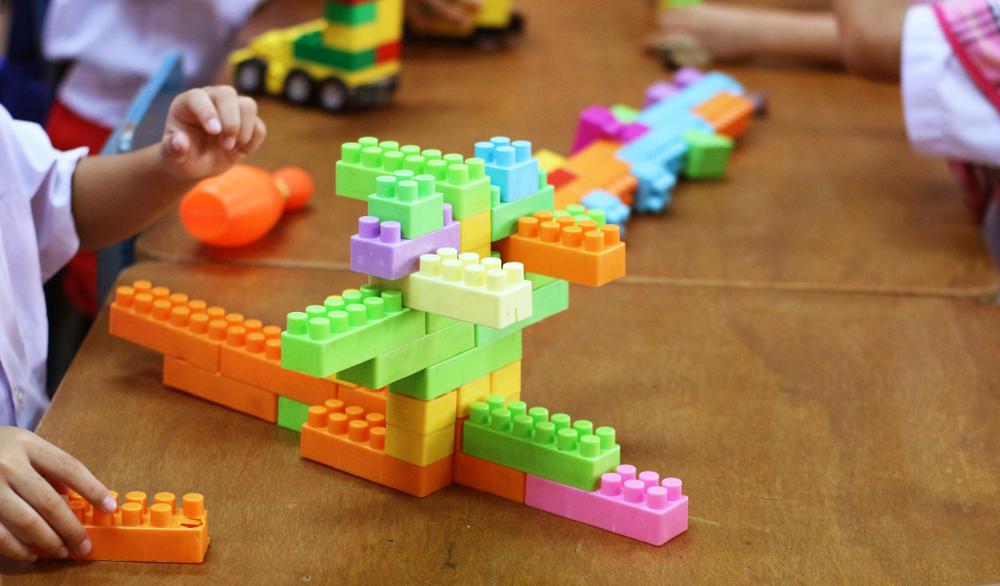




Color recognition is a fundamental skill for young children, and its importance cannot be overstated for both parents and teachers. Mastering colors is not only a part of early childhood education, but it also lays the groundwork for essential cognitive and social development.
First, color recognition enhances cognitive skills. Learning to identify and name colors helps children categorize objects, fostering critical thinking and problem-solving abilities. For instance, recognizing colors can facilitate early math concepts, such as sorting and grouping by attributes.
Second, color recognition is vital for language development. When children learn colors, they expand their vocabulary and gain the ability to express themselves more effectively, thus improving their communication skills.
Additionally, colors play a crucial role in social interactions. Through group activities involving colors, children learn to cooperate, share, and work together, which are essential social skills that contribute to their emotional intelligence.
Moreover, increased awareness of colors can help children engage more deeply with their environment through art and play, igniting creativity and sparking imagination.
Overall, parents and teachers who prioritize color recognition provide children with a foundational skill that promotes cognitive, linguistic, and social growth, setting the stage for future learning and development.








