Spelling improvement Easy Worksheets for Ages 3-8
3 filtered results
-
From - To
Discover a treasure trove of engaging spelling improvement worksheets designed specifically for children ages 3 to 8! Our easy-to-use activities help develop essential literacy skills through fun and interactive practices. From filling in missing letters to matching words with pictures, each worksheet is tailored to make learning enjoyable and effective. Perfect for teachers and parents alike, these printable resources foster a love for spelling while enhancing vocabulary and phonetic understanding. Help your young learners master spelling foundations and boost their confidence. Explore our collection of spelling worksheets today and watch their skills soar! Perfect for early classrooms or home learning environments!
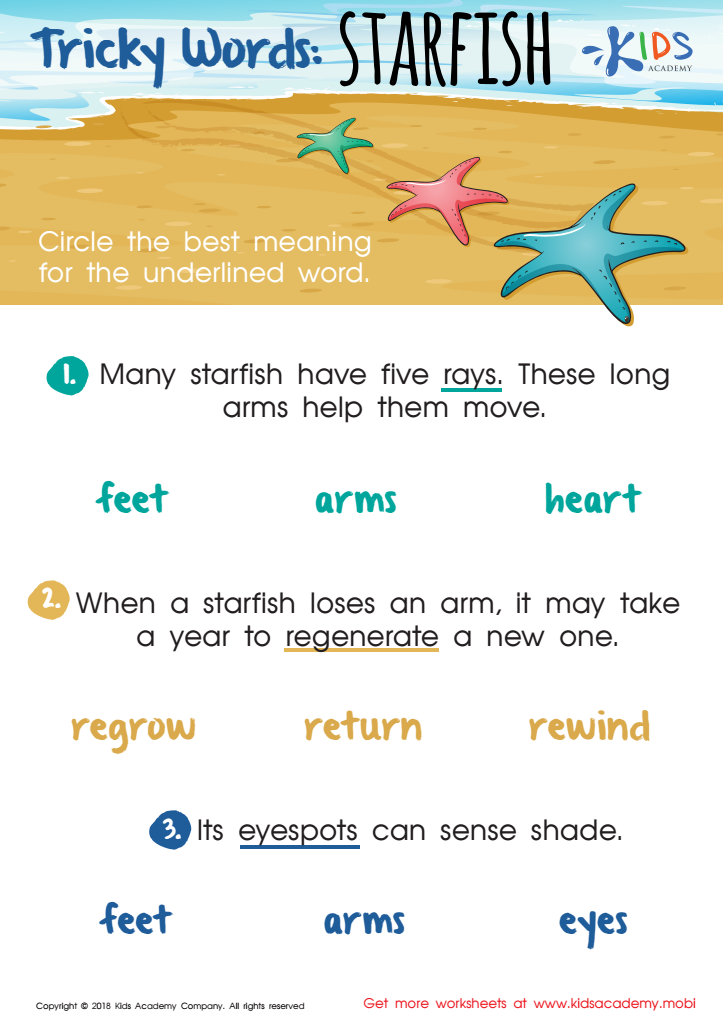
Tricky Words: Starfish Worksheet
 Assign to My Students
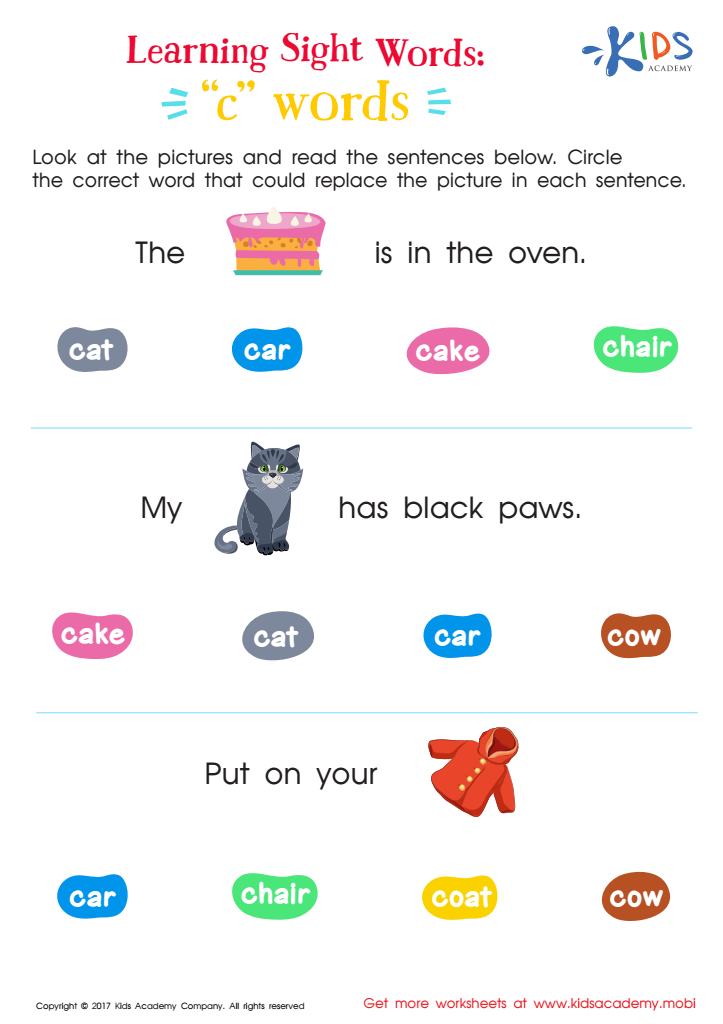
"C" Words Printable Sight Words Worksheet

Cities Worksheet







Spelling improvement is essential for children aged 3-8, as it lays the foundation for their overall literacy development. During these early years, children are incredibly receptive to language, and mastering spelling helps them develop strong reading and writing skills. When parents and teachers prioritize spelling, they contribute to a child’s confidence in their communication abilities.
Improving spelling also enhances cognitive development. As children learn to identify patterns in spelling, they exercise critical thinking and problem-solving skills. This understanding of language mechanics supports their comprehension, enabling them to express themselves more clearly and effectively as they grow.
Moreover, good spelling plays a significant role in academic success. In many educational settings, the ability to spell correctly is often directly linked to a student’s performance. Providing children with a strong foundation in spelling ensures they are better prepared for future learning challenges.
Finally, fostering a positive attitude towards spelling creates a love for learning. Parents and teachers can make spelling fun through games and interactive activities, encouraging children to engage with words and fostering a lifelong interest in language. By emphasizing spelling improvement, caregivers can build essential skills that will benefit children not just in school, but in all areas of life.








