Story sequencing Easy Worksheets for Ages 3-8
3 filtered results
-
From - To
Discover our engaging "Story Sequencing Easy Worksheets" designed specifically for children aged 3-8! These worksheets help young learners develop essential skills in storytelling and comprehension by encouraging them to arrange pictures and events in the correct order. Aligned with early literacy goals, our creative activities promote critical thinking and boost vocabulary. Parents and educators can utilize these resources to make learning fun and interactive. With colorful illustrations and age-appropriate scenarios, kids will enhance their narrative skills while enjoying the process. Visit us today to access a variety of worksheets that will spark imagination and foster a love for storytelling in your child!
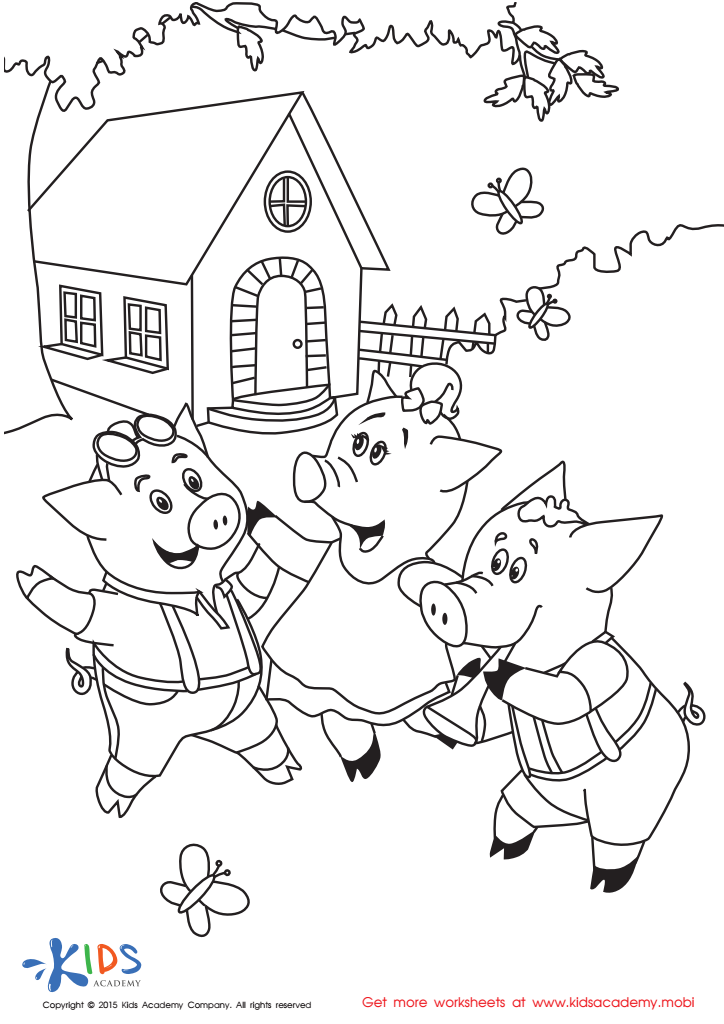
Folktales Printable PDF Worksheet: The 3 Little Pigs
 Assign to My Students
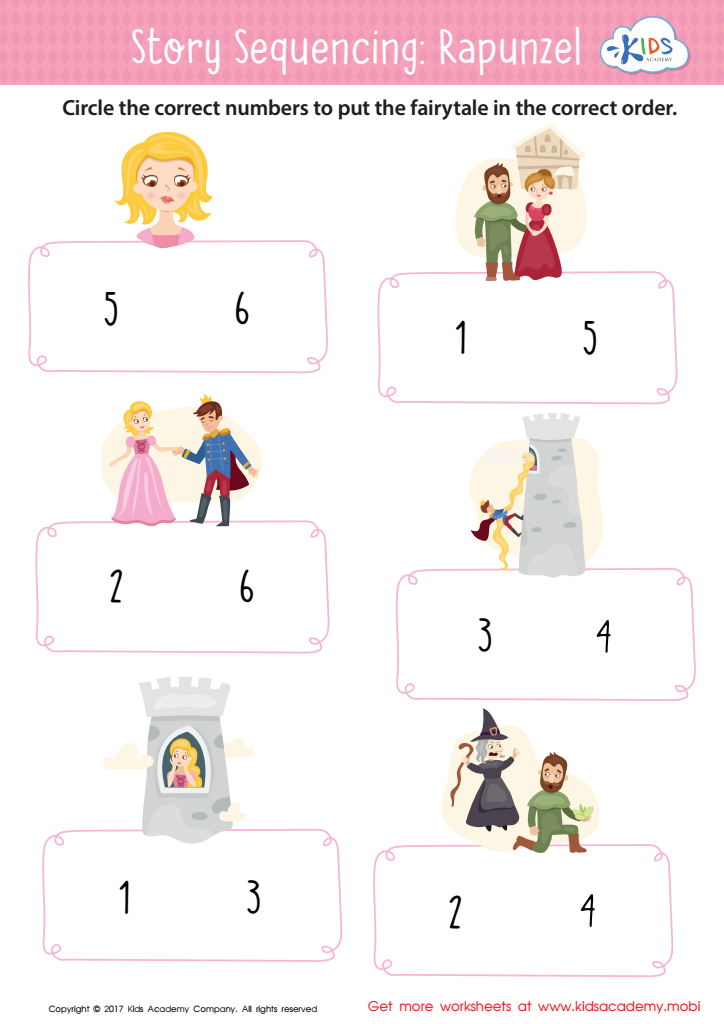
Rapunzel Story Sequencing Worksheet
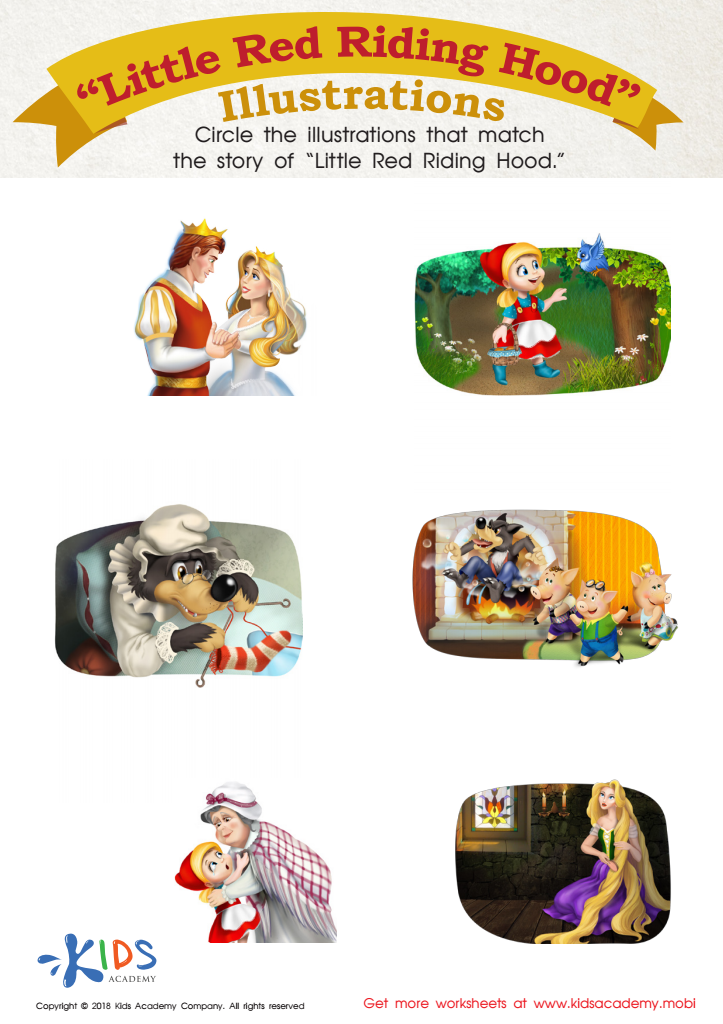
Little Red Riding Hood: Illustrations Worksheet



.jpg)



Story sequencing is a crucial skill for children aged 3-8, and understanding its importance can greatly benefit parents and teachers. First, it lays the foundation for effective storytelling and comprehension. When kids learn to arrange events in the order they occur, they develop a clear understanding of plot structure, which enhances their ability to recall and retell stories.
Moreover, mastering sequencing boosts cognitive skills such as memory, critical thinking, and problem-solving. As children engage with stories, they mentally organize information, helping them make connections and predictions about outcomes. This skill not only enriches their literacy experiences but also nurtures language development as they learn new vocabulary in context.
Additionally, story sequencing fosters creativity. Children can create their own narratives, promoting self-expression and imagination. By encouraging them to think about beginnings, middles, and ends, parents and teachers also instill a sense of organization and coherence in their thought processes.
In today’s fast-paced world, these skills are essential, enabling children to communicate effectively and think analytically. Supporting story sequencing through interactive activities and discussions sets the groundwork for both academic success and personal growth, making it a priority for caregivers and educators alike.








