Visual discrimination skills Easy Worksheets for Ages 3-8
3 filtered results
-
From - To
Enhance your child's visual discrimination skills with our engaging and easy worksheets designed specifically for ages 3-8! These fun activities help young learners distinguish between similar shapes, colors, and patterns, promoting critical observation and attention to detail. Our worksheets are thoughtfully crafted to ensure a balance of challenge and enjoyment, making learning a delightful experience. Perfect for preschool, kindergarten, and early elementary students, these resources support cognitive development and fine motor skills. Download and print our easy worksheets to boost your child's confidence and prepare them for future academic success! Unlock their potential today!
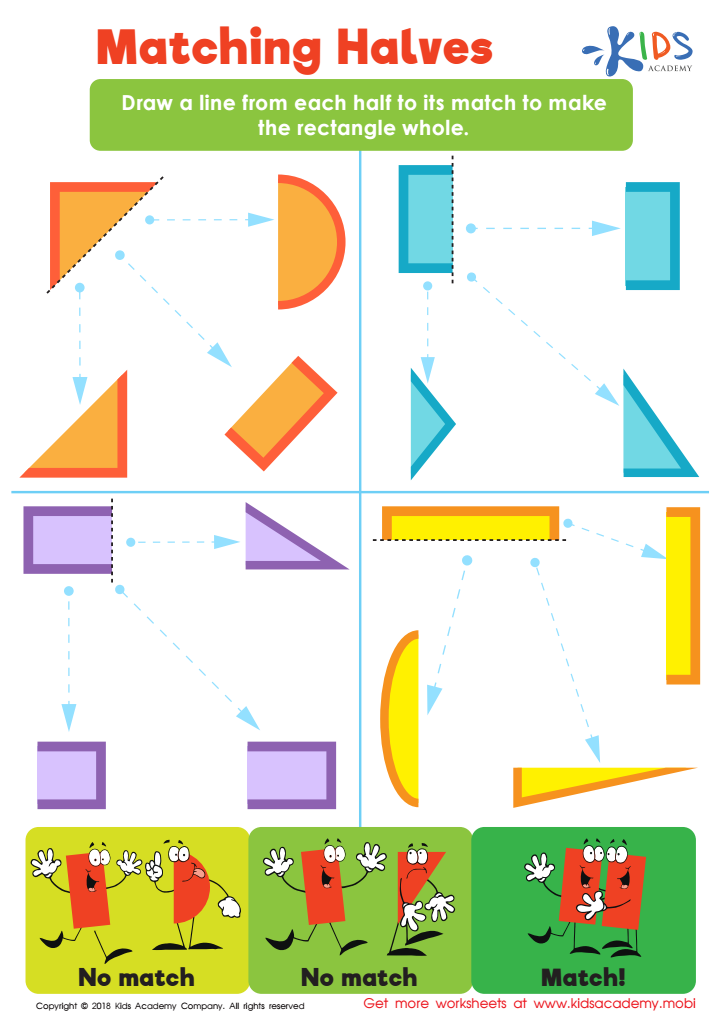
Matching Halves Worksheet
 Assign to My Students
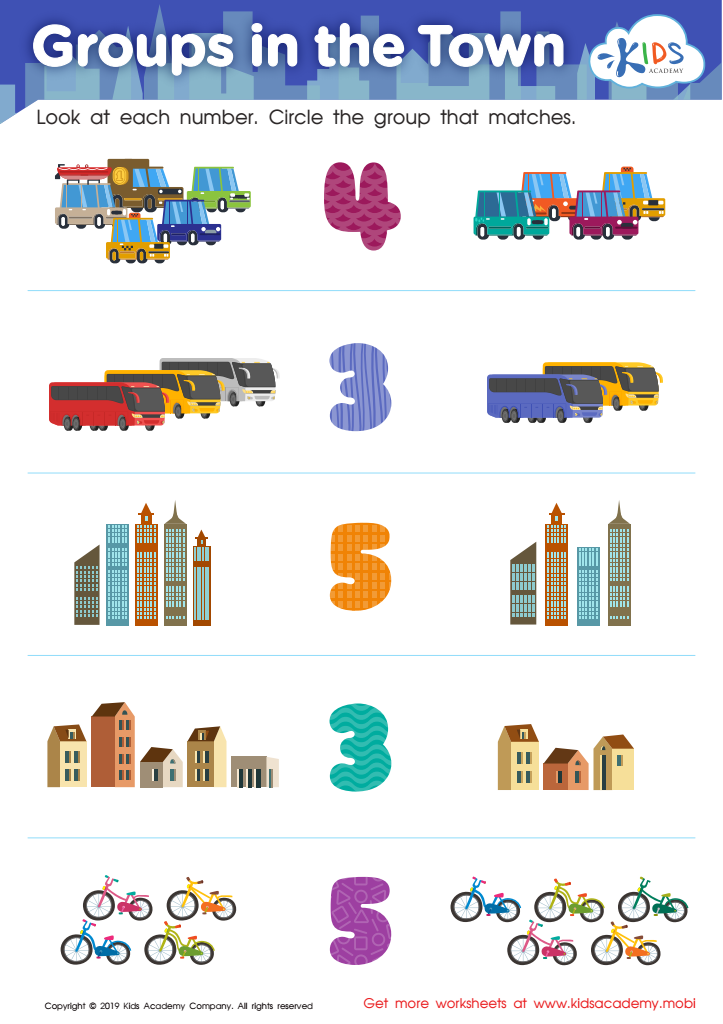
Groups in the Town Worksheet
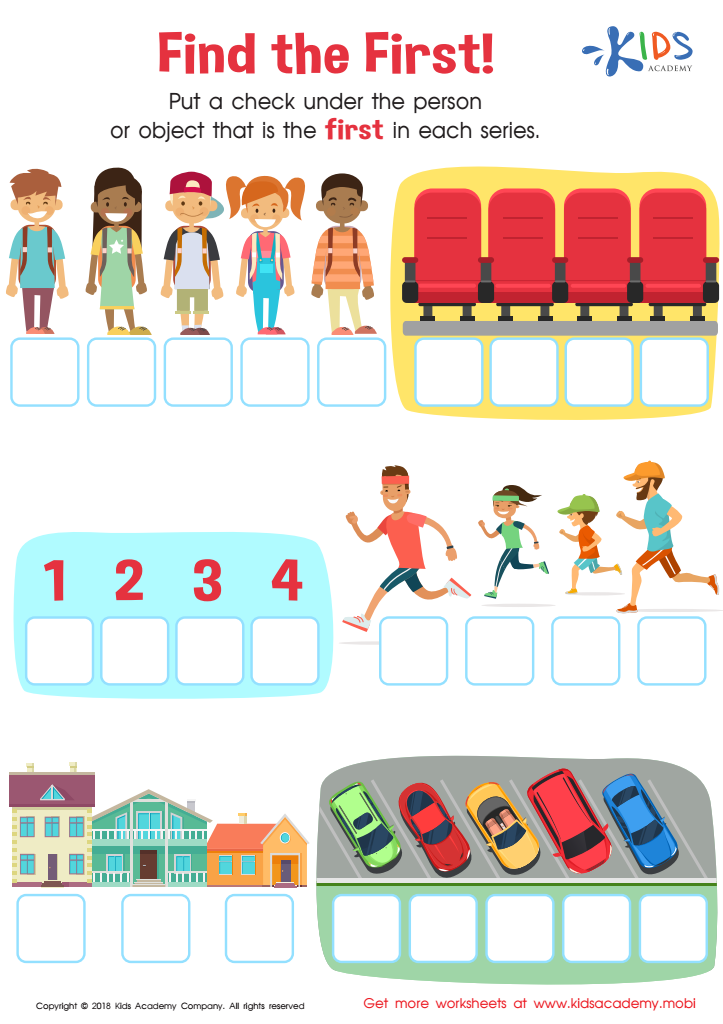
Find the First! Worksheet





.jpg)

Visual discrimination skills are crucial for children ages 3-8 as they form the foundation for various learning processes and everyday activities. These skills enable children to differentiate between similar shapes, letters, numbers, and objects, which are essential for early reading and math proficiency. For example, recognizing the difference between "b" and "d" can prevent common writing mistakes.
Parents and teachers should care about these skills because they significantly impact a child's confidence and academic success. Enhanced visual discrimination aids in identifying patterns, an important element in problem-solving and critical thinking. Engaging children in activities such as puzzles, matching games, and simple art projects can strengthen these skills while keeping the learning process fun and interactive.
Additionally, improving visual discrimination can help teachers tailor instruction to meet the individual needs of their students. Recognizing that some children may struggle with these skills allows for targeted interventions. Likewise, informed parents can support their child’s learning at home, fostering a collaborative environment that emphasizes the importance of these skills.
In summary, visual discrimination abilities are vital in helping children navigate the complexities of academic tasks and daily life, ultimately promoting their overall development and well-being.








