Visual perception Easy Worksheets for Ages 3-8
18 filtered results
-
From - To
Discover our engaging Visual Perception Easy Worksheets tailored for children ages 3-8! These printables are designed to enhance essential visual skills, including shape recognition, pattern identification, and fine motor coordination. Our worksheets promote interactive learning, allowing young learners to explore their visual understanding through fun activities like matching, sorting, and puzzles. Perfect for preschoolers and early elementary students, these resources support developmental milestones while keeping kids entertained. Foster independent thinking and creativity in your child, all while reinforcing foundational skills critical for academic success. Check out our collection today and watch your child's visual perception skills flourish!
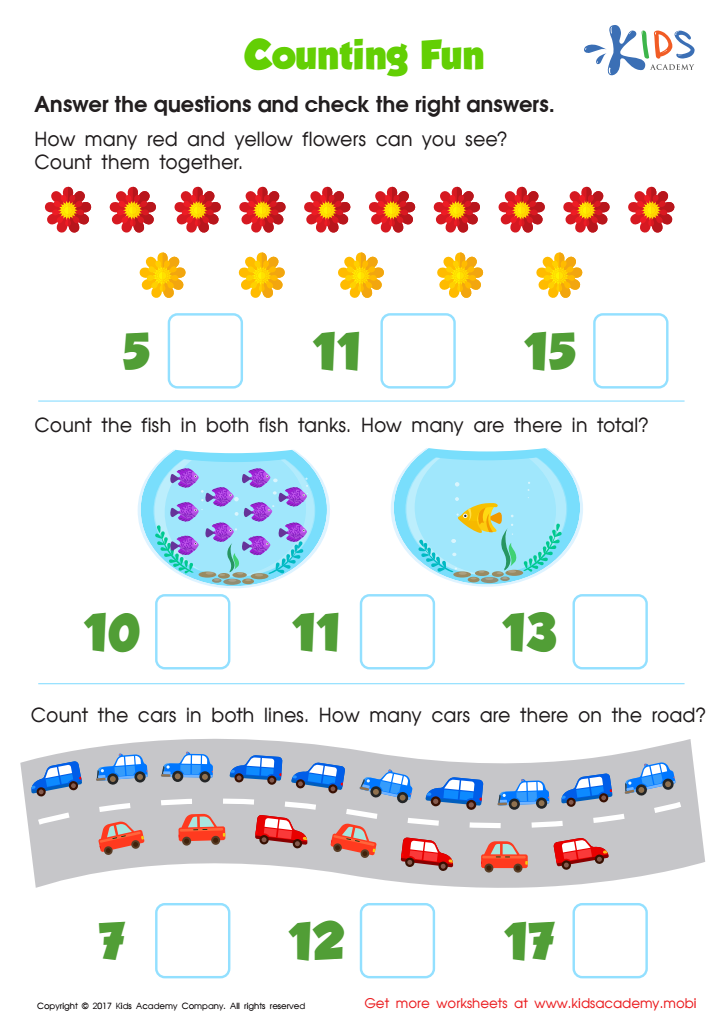
Counting Fun Worksheet
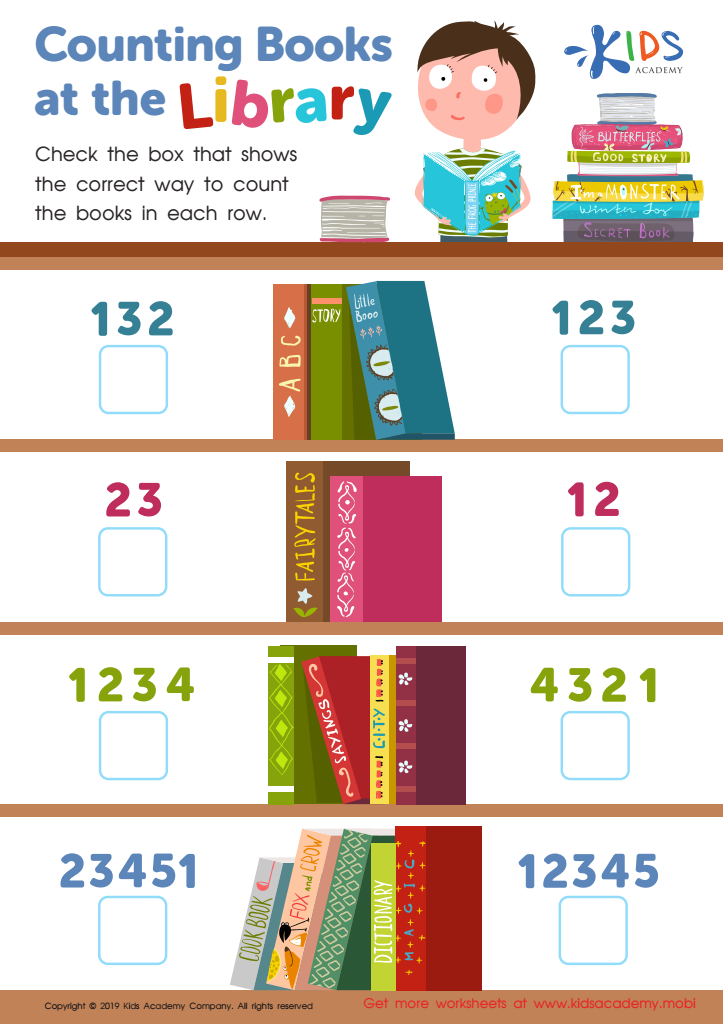
Counting Books at the Library Worksheet
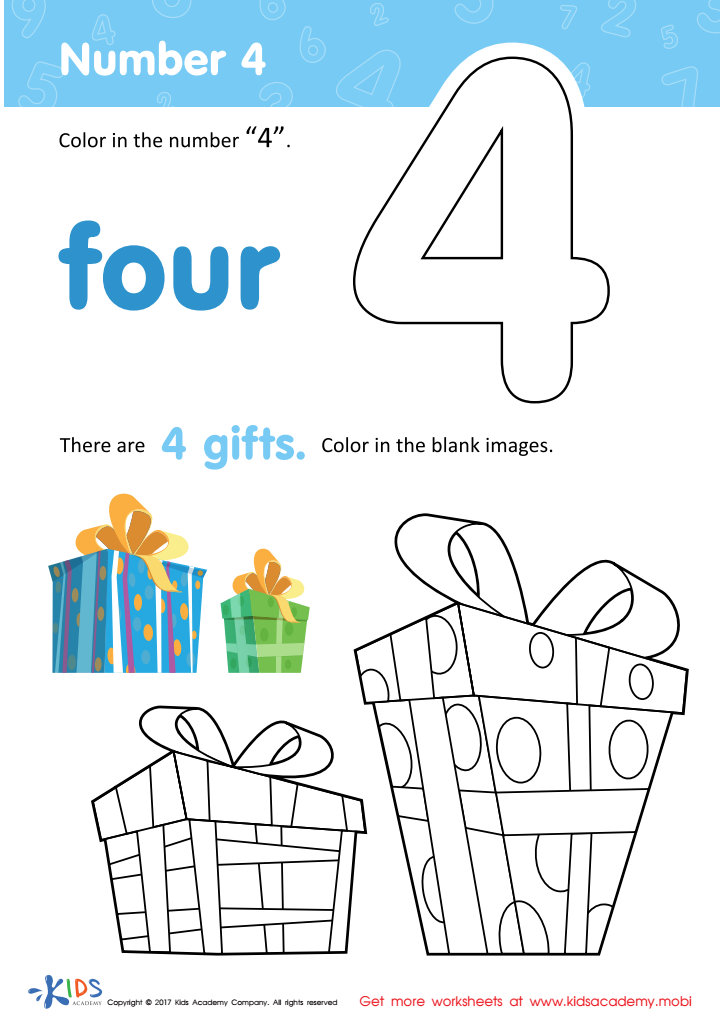
Number 4 Printable
 Assign to My Students
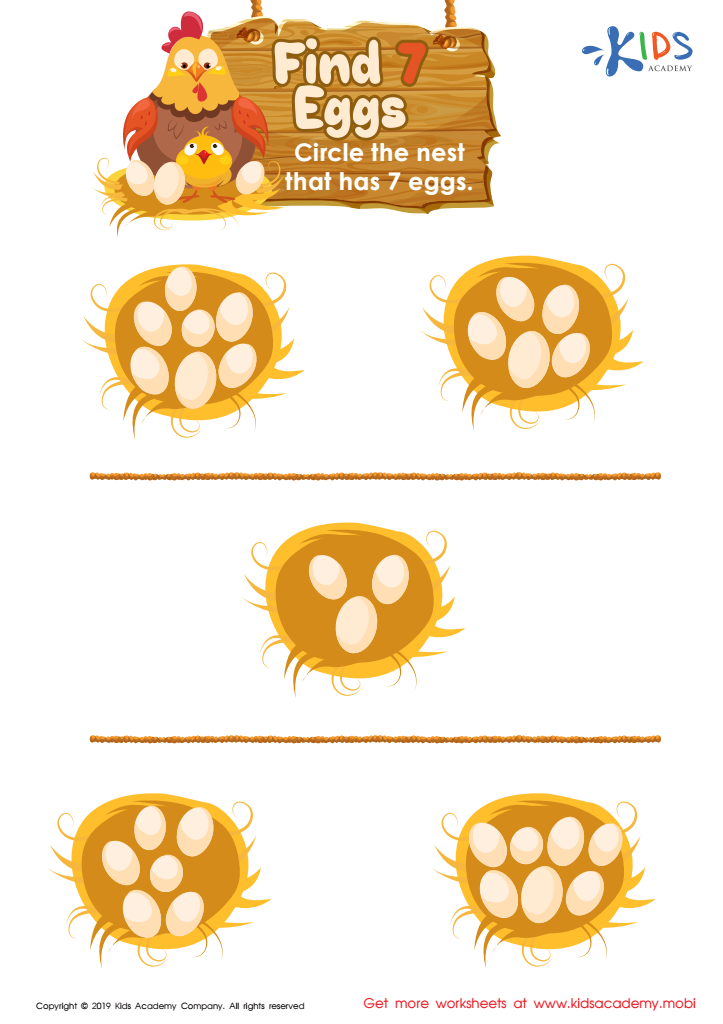
Find 7 Eggs Worksheet
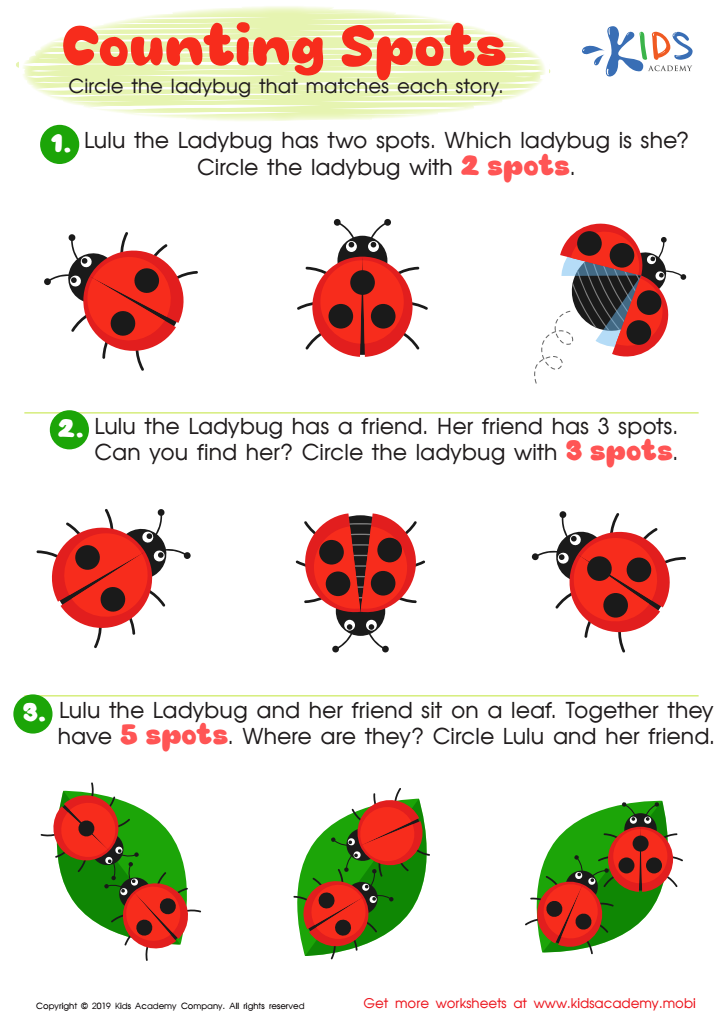
Counting Spots Worksheet
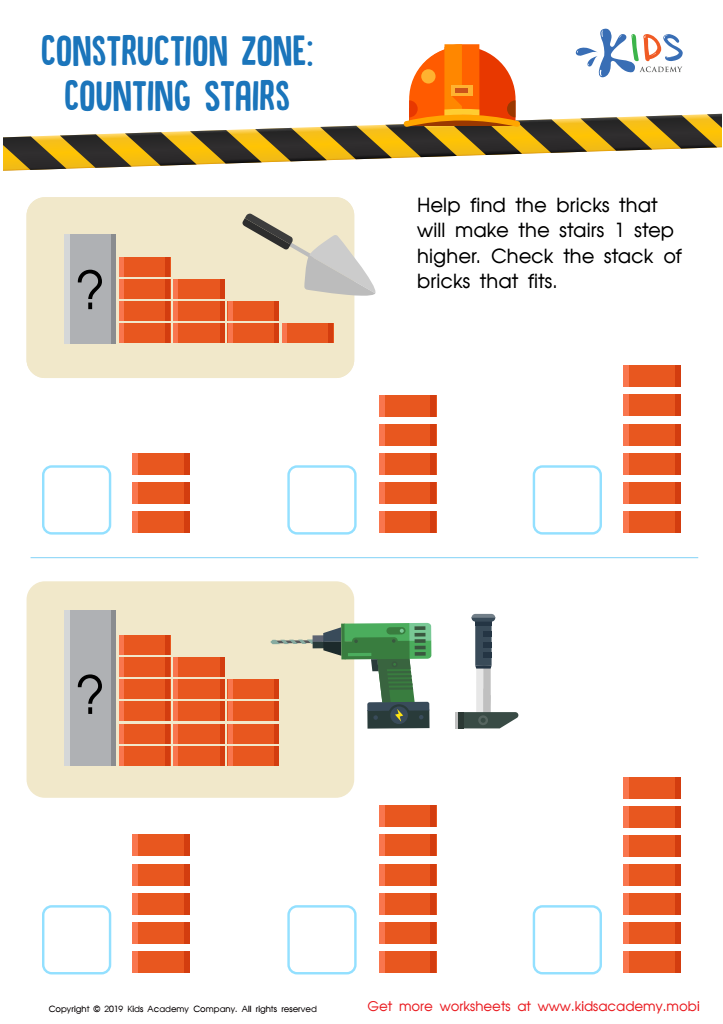
Construction Zone: Counting Stairs Worksheet
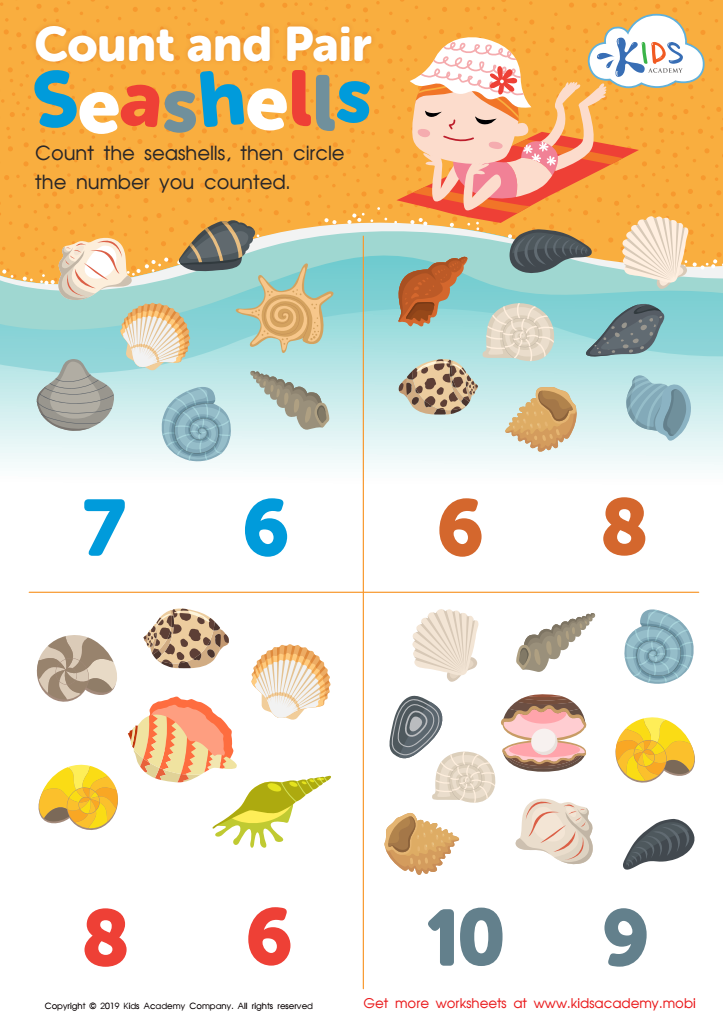
Count and Pair Seashells Worksheet
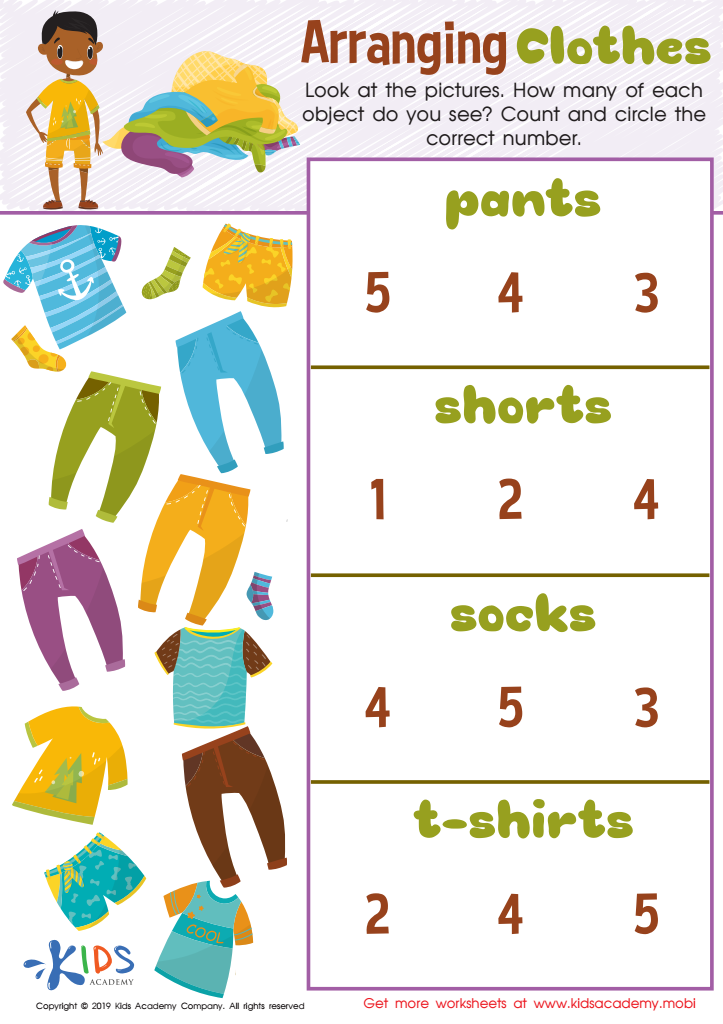
Arranging Clothes Worksheet
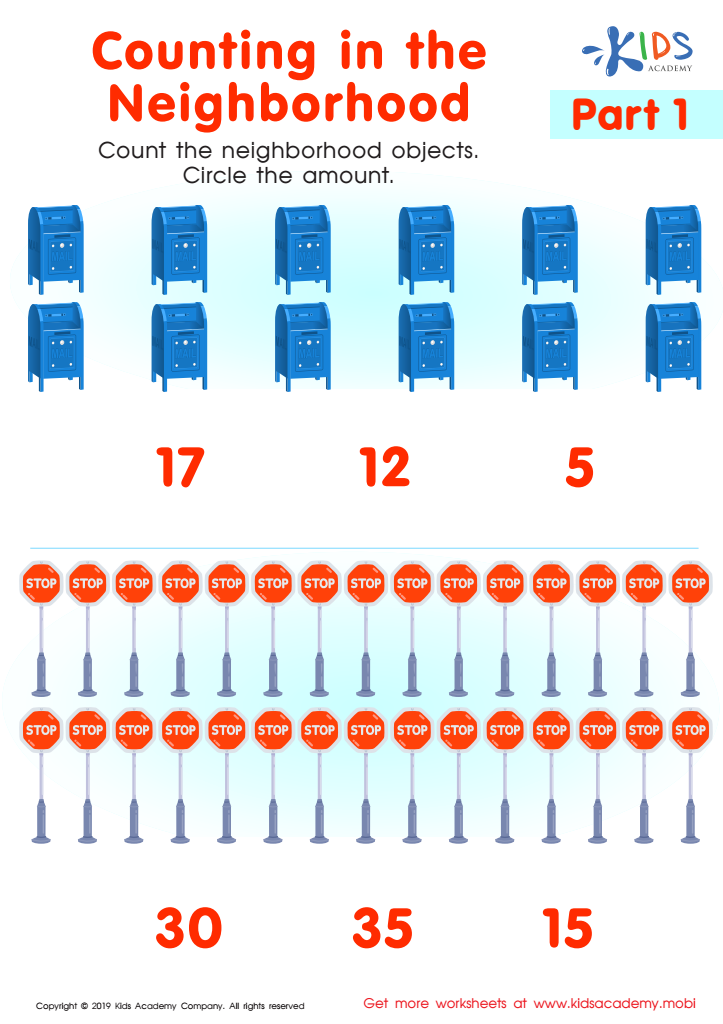
Counting in the Neighborhood Part1 Worksheet
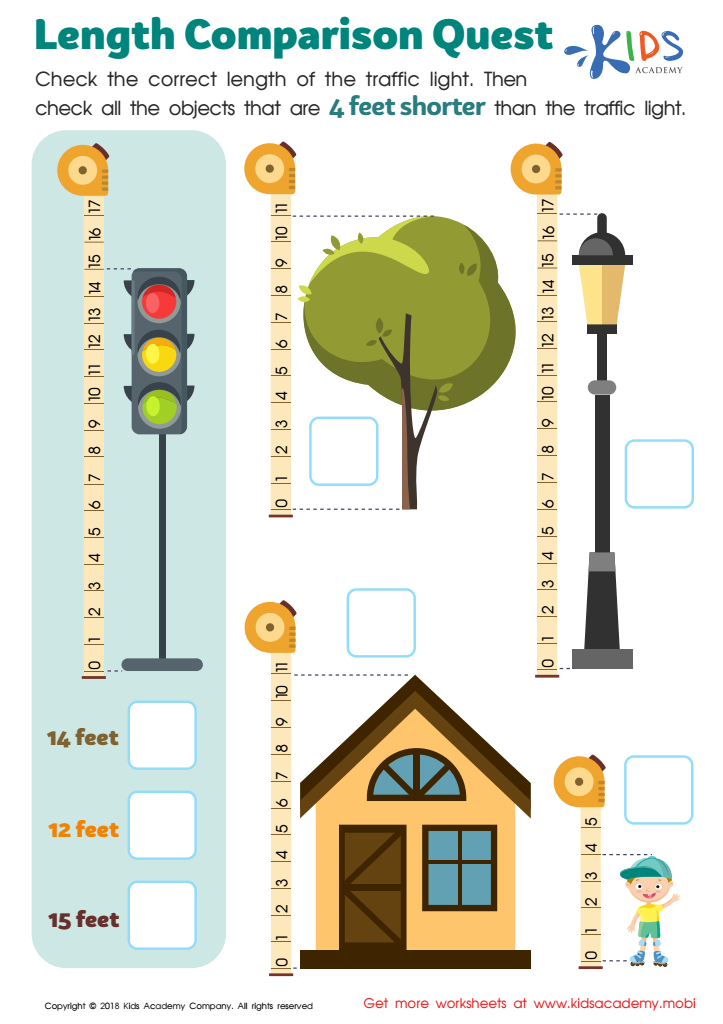
Length Comparison Quest Worksheet
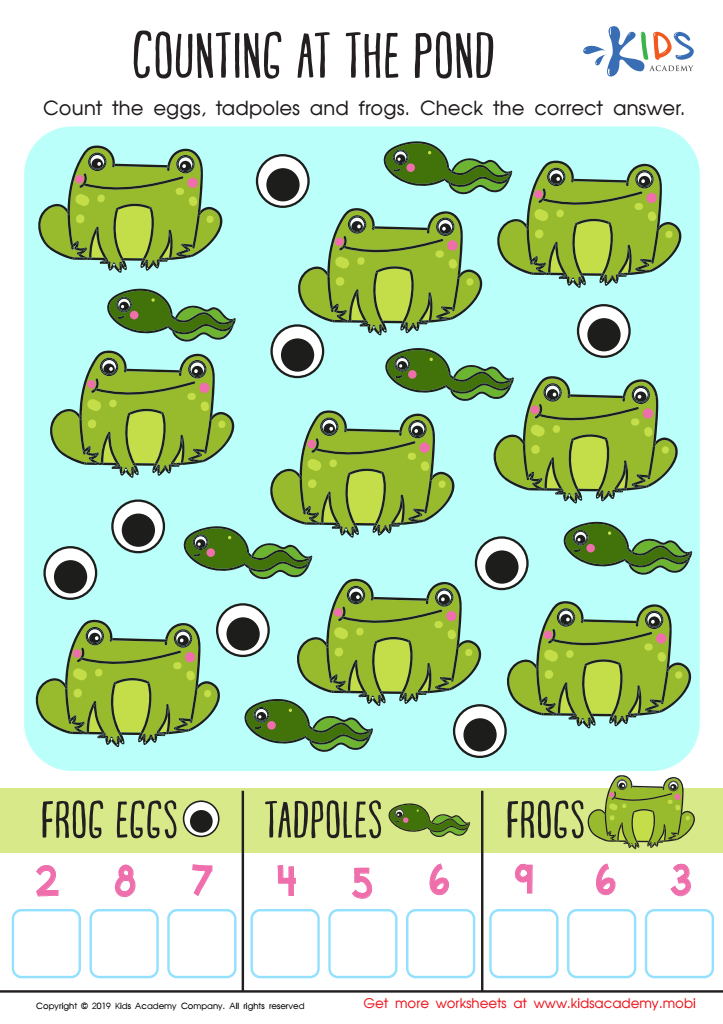
Counting at the Pond Worksheet
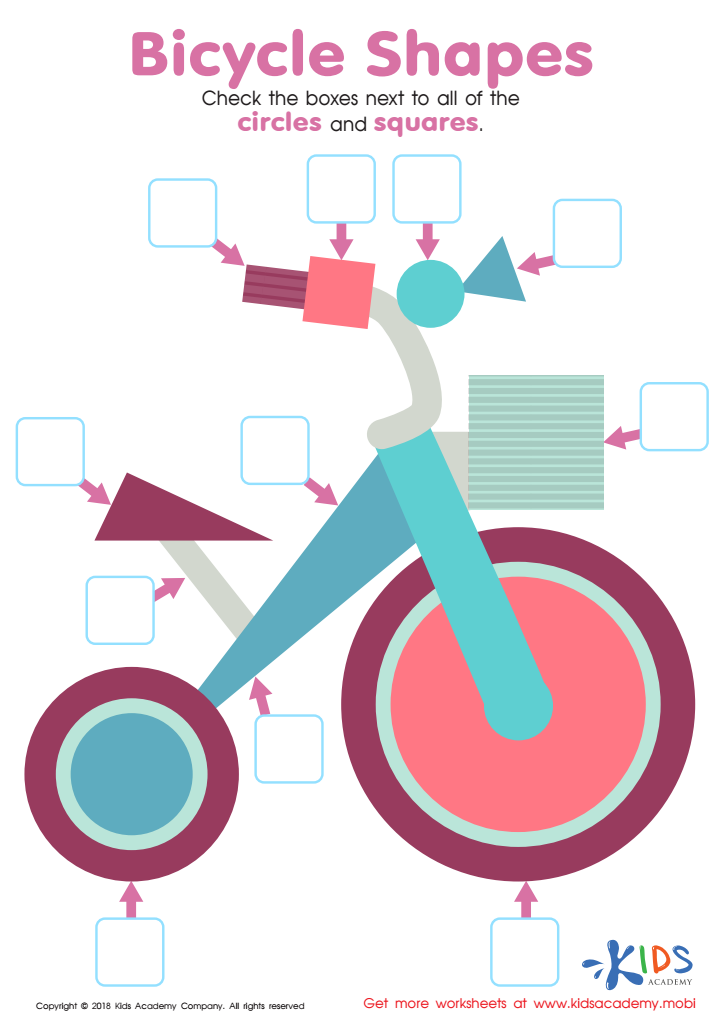
Bicycle Shapes Worksheet
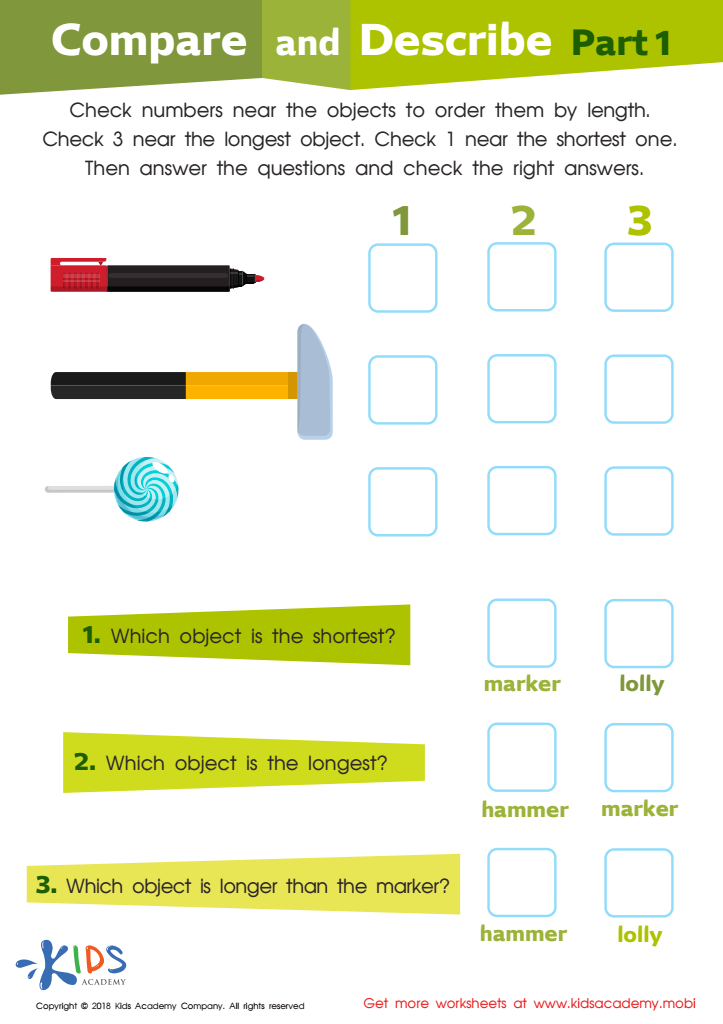
Compare and Describe: Part 1 Worksheet
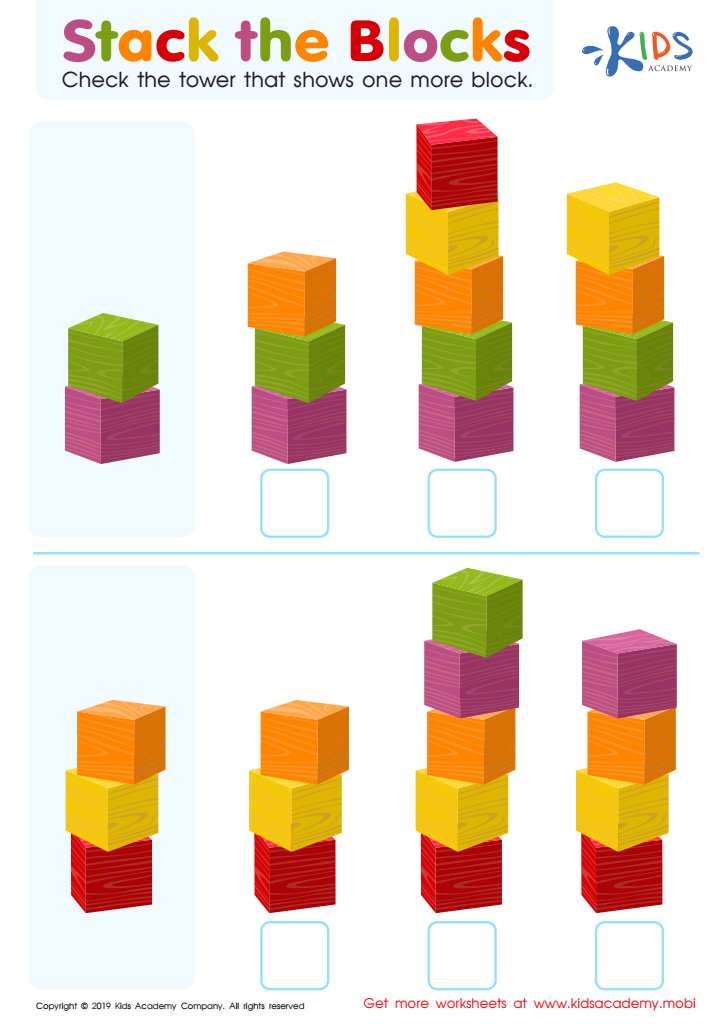
Stack the Blocks Worksheet
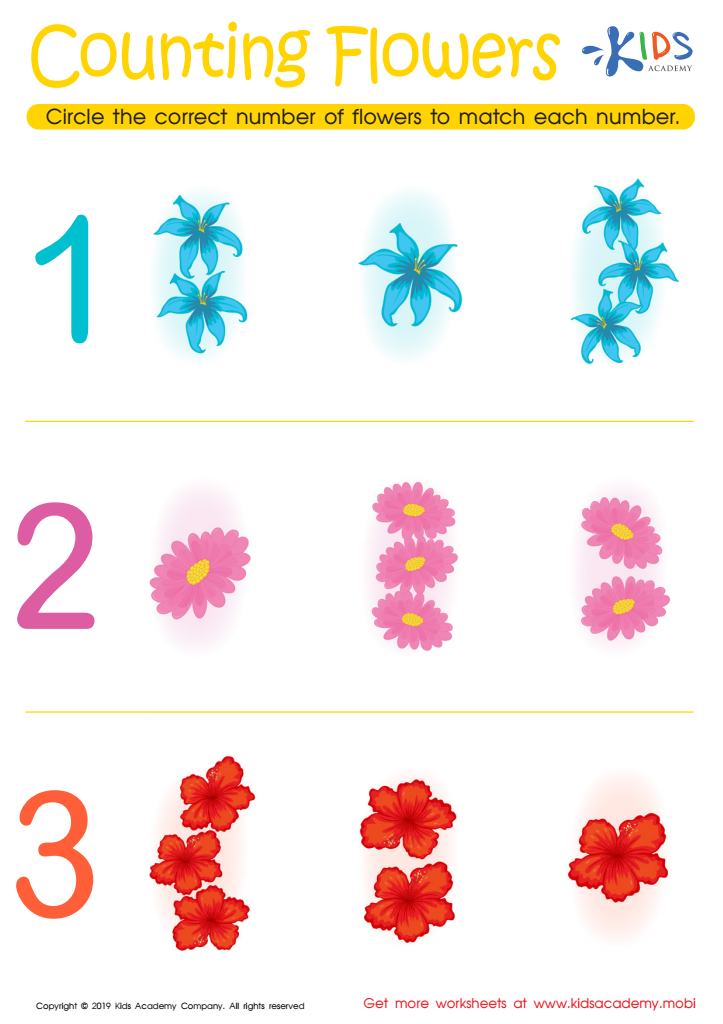
Counting Flowers Worksheet
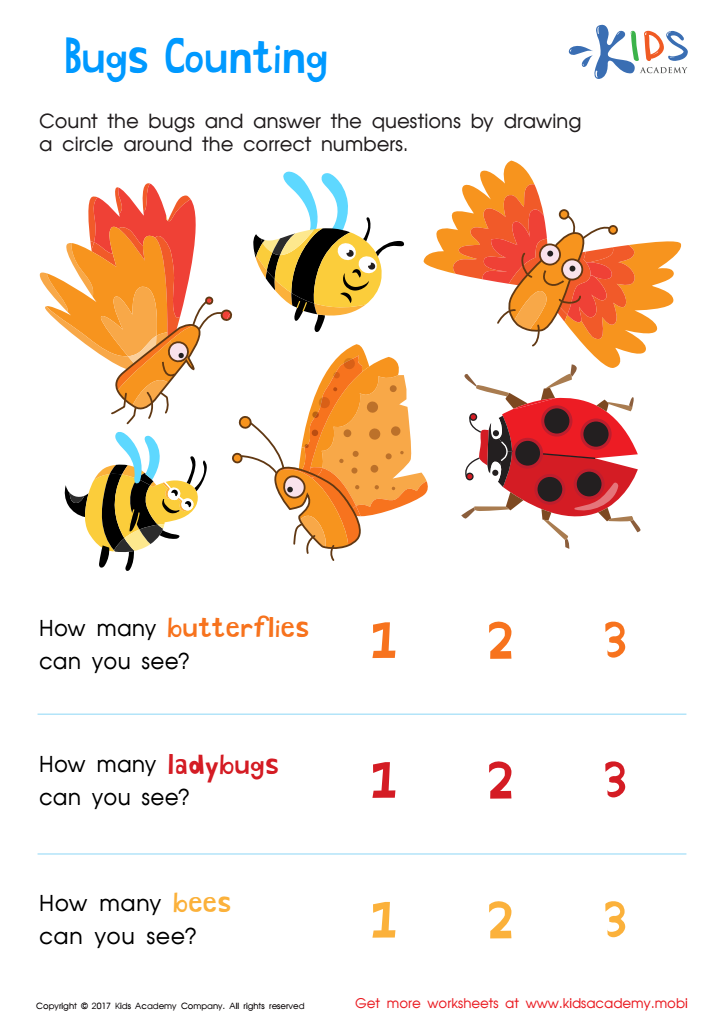
Bugs Counting Worksheet
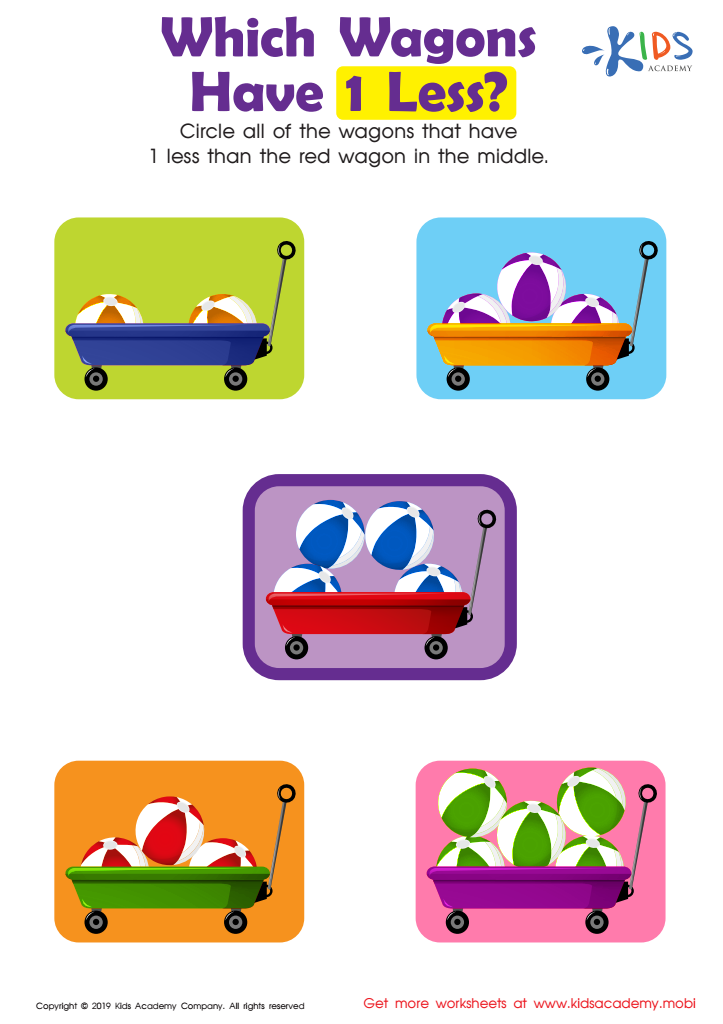
Which Wagons Have 1 Less? Worksheet
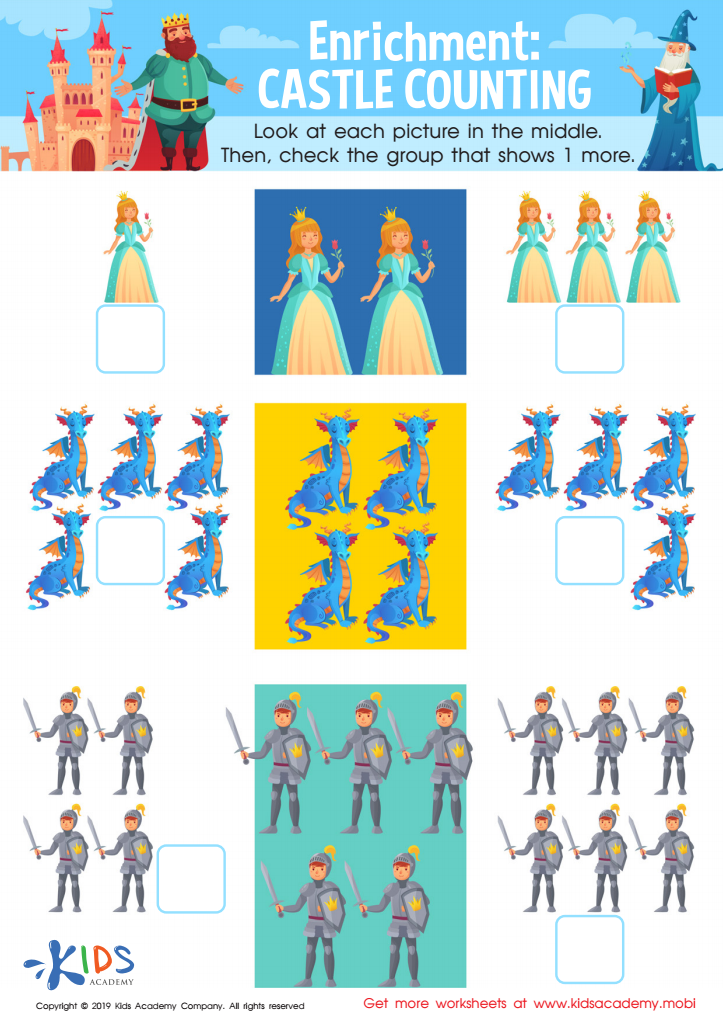
Enrichment: Castle Counting Worksheet








Visual perception is crucial for children aged 3-8 as it plays a vital role in their overall development and learning process. For parents and teachers, understanding the significance of visual perception can greatly enhance a child’s educational experience.
First, visual perception helps children interpret and make sense of the world around them. Skills such as identifying shapes, recognizing letters and numbers, and understanding spatial relationships are foundational for early literacy and numeracy. When children can effectively process visual information, they are better equipped to perform well in school.
Additionally, strong visual perception contributes to a child's confidence and independence. Children who struggle with these skills may become frustrated and disengaged from learning activities, making it essential for parents and teachers to monitor and support their development.
Furthermore, developing these skills helps with social interactions. Recognizing non-verbal cues, such as facial expressions, relies heavily on visual perception. Therefore, investing time to foster these skills not only supports academic success but also nurtures emotional and social growth.
In summary, parents and teachers should prioritize visual perception activities, as they are essential for children’s cognitive development, learning readiness, and healthy interpersonal relationships. Engaging in fun and stimulating activities can lay the groundwork for lifelong learning and confidence.








