Fine Motor Skills Easy Fractions of Shapes Worksheets for Ages 3-8
4 filtered results
-
From - To
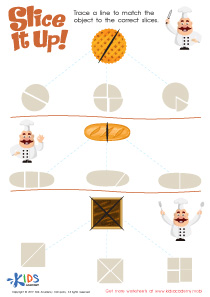
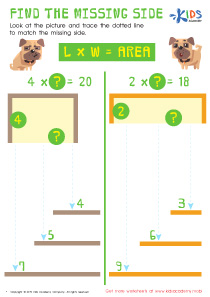
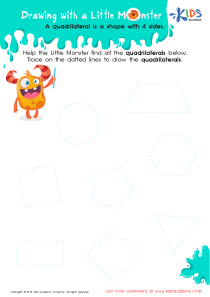
Introduce your child to the fascinating world of fractions while enhancing fine motor skills with our "Fine Motor Skills Easy Fractions of Shapes Worksheets for Ages 3-8." Specially designed for young learners, these worksheets help kids grasp early math concepts through age-appropriate activities. Each printable sheet features simple fractions of shapes games that make learning interactive and fun. Perfect for classrooms or at-home learning, these activities also promote critical thinking, hand-eye coordination, and precise movements. Watch your child's confidence grow as they master both fractions and fine motor skills! Explore and download now to enrich your little one’s learning journey.
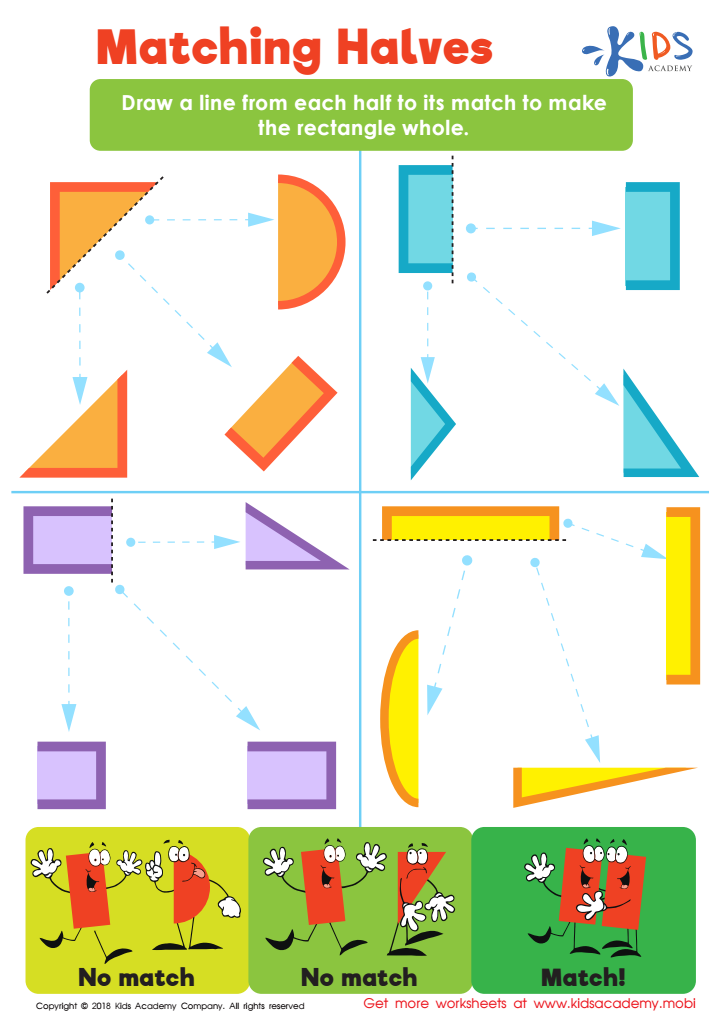
Matching Halves Worksheet
 Assign to My Students
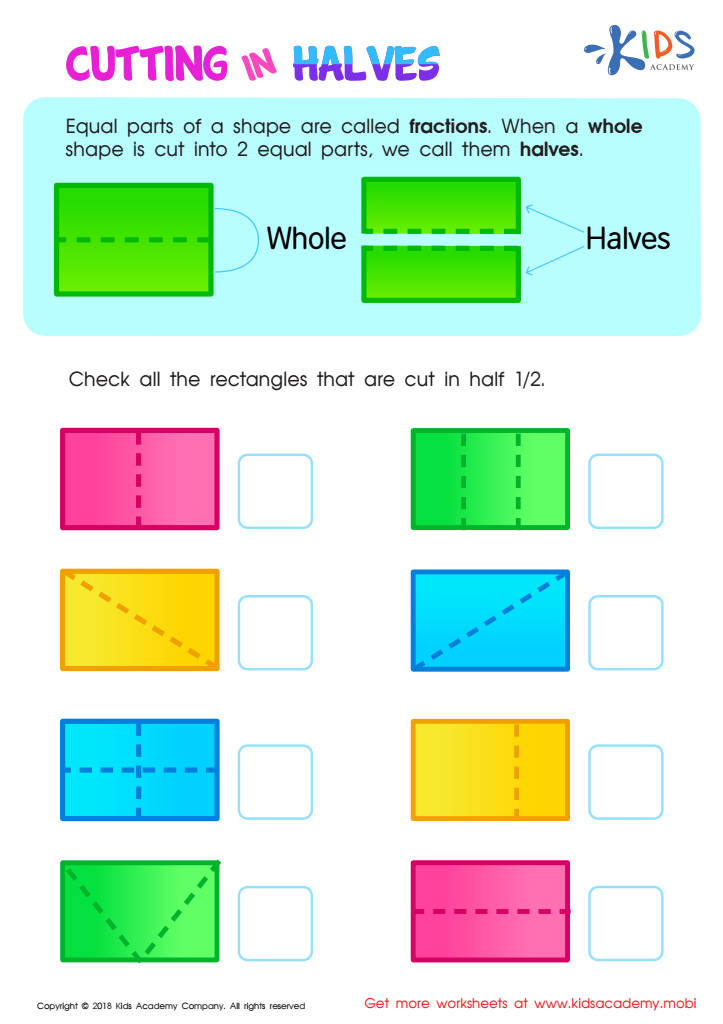
Cutting in Halves Worksheet
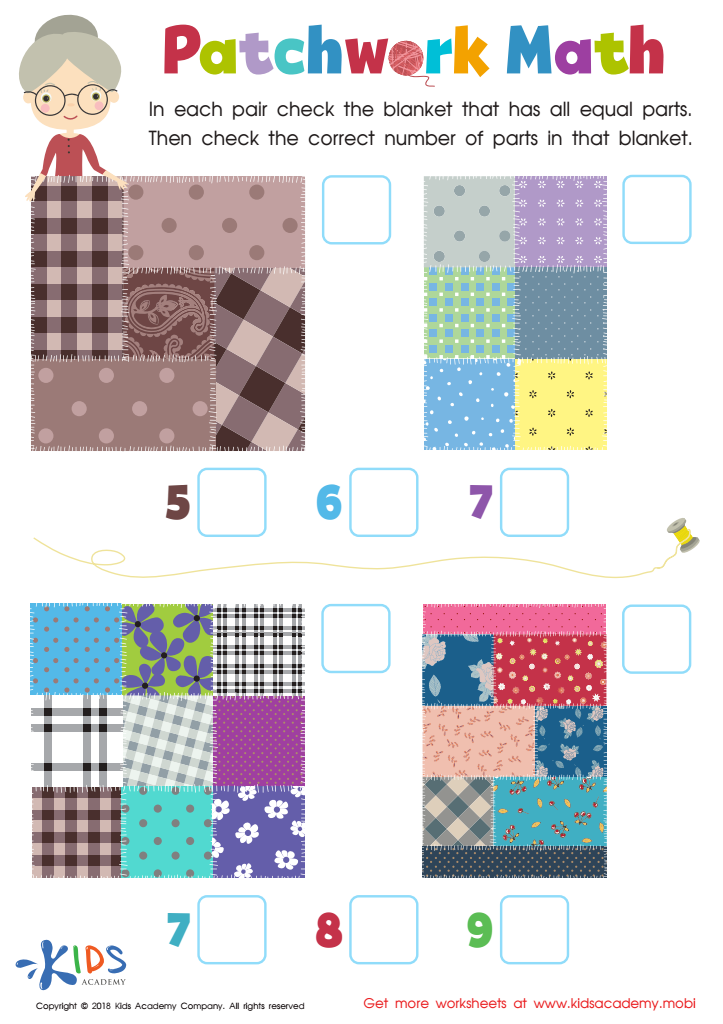
Patchwork Math Worksheet
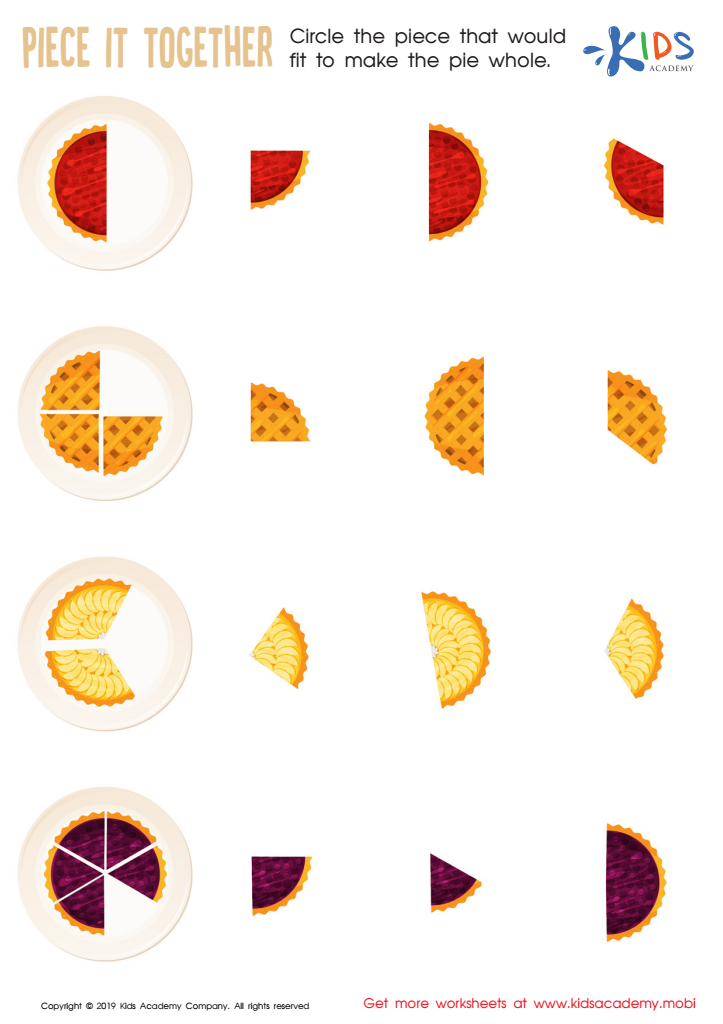
Piece it together Worksheet








Fine motor skills and understanding fractions of shapes are foundational components of early childhood education, essential for children aged 3-8. Fine motor skills involve the coordination of small muscles, typically in the hands and fingers, enabling tasks like writing, buttoning, and using utensils. These skills are crucial for children’s everyday functioning and academic success. By engaging in activities that promote fine motor skill development, like coloring, cutting shapes, or building with blocks, children strengthen their dexterity and hand-eye coordination. This, in turn, prepares them for more complex tasks such as handwriting and independent daily activities.
Introducing fractional concepts through shapes aids cognitive development, spatial awareness, and logical thinking. Understanding fractions—like halves, thirds, and quarters—using tangible, visual aids helps solidify abstract mathematical ideas in a child-friendly manner. For instance, dividing a square into equal parts allows children to visually and physically comprehend division and equality.
Parents and teachers play a vital role in integrating these learning experiences seamlessly into play or classroom activities. By fostering fine motor skills and core mathematical foundations early on, adults ensure children develop confidence and competency, laying the groundwork for future academic achievements and everyday problem-solving abilities.