Number Recognition Easy Numbers Worksheets for Ages 3-8 - Page 3
75 filtered results
-
From - To
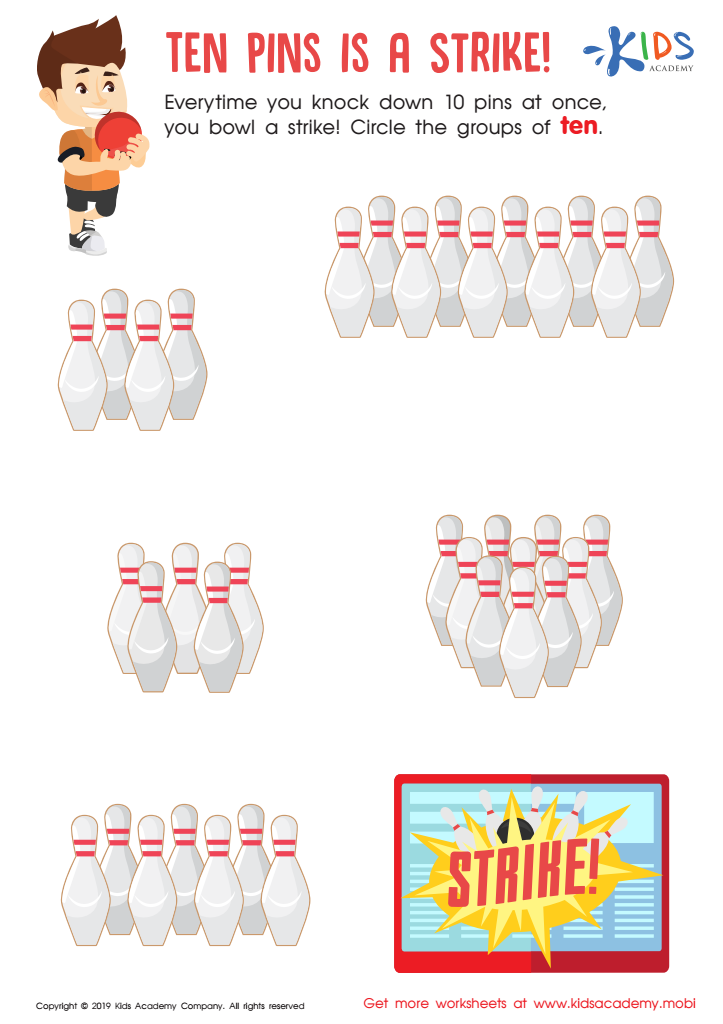
Ten Pins is a Strike Worksheet
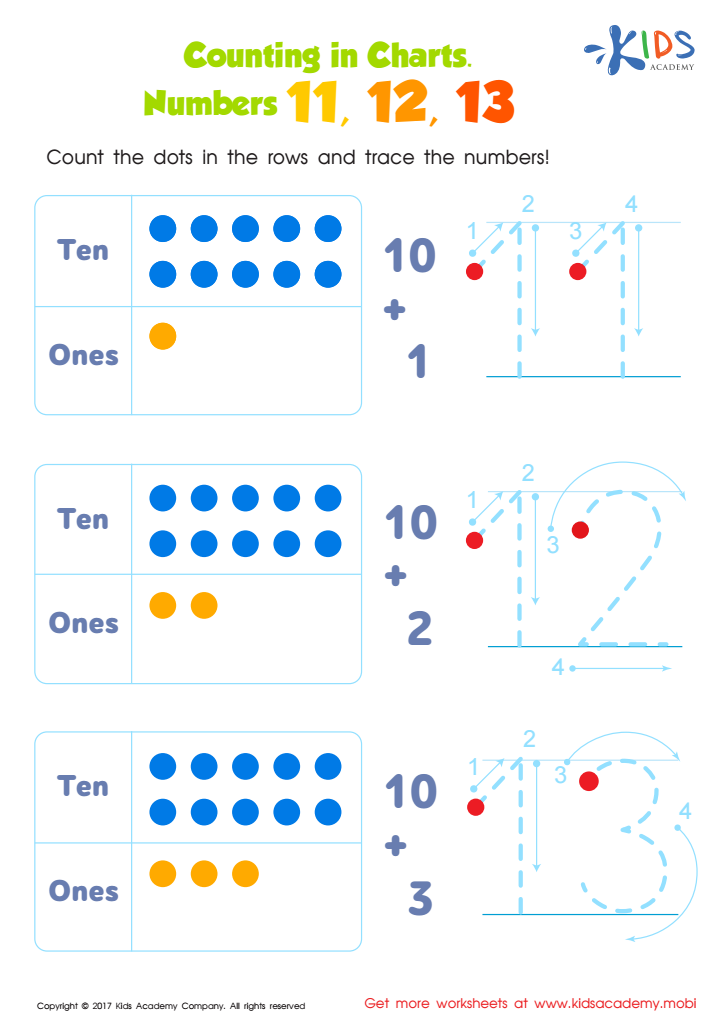
Number Tracing Worksheet For Kindergarten

Eight Geese Worksheet
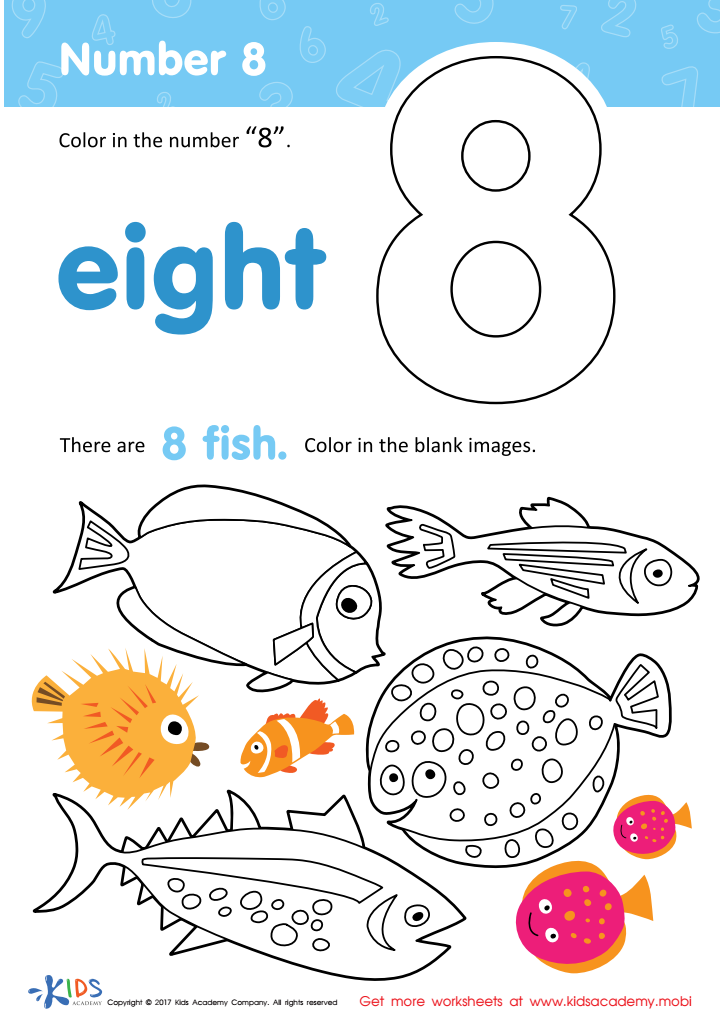
Number 8 Printable
 Assign to My Students
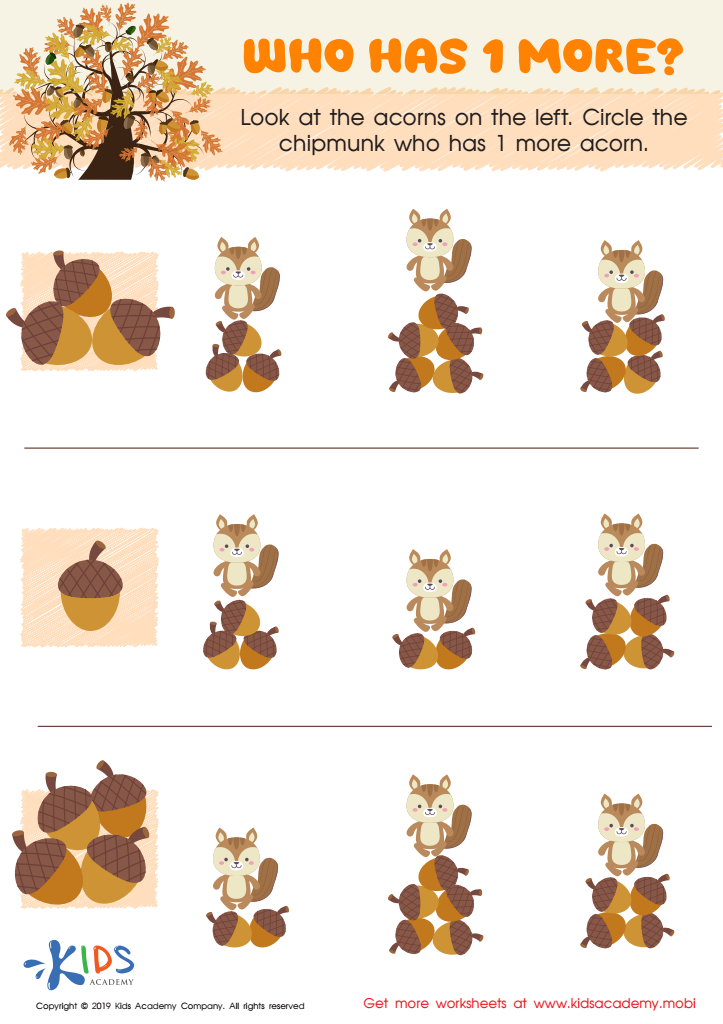
Who Has 1 More? Worksheet
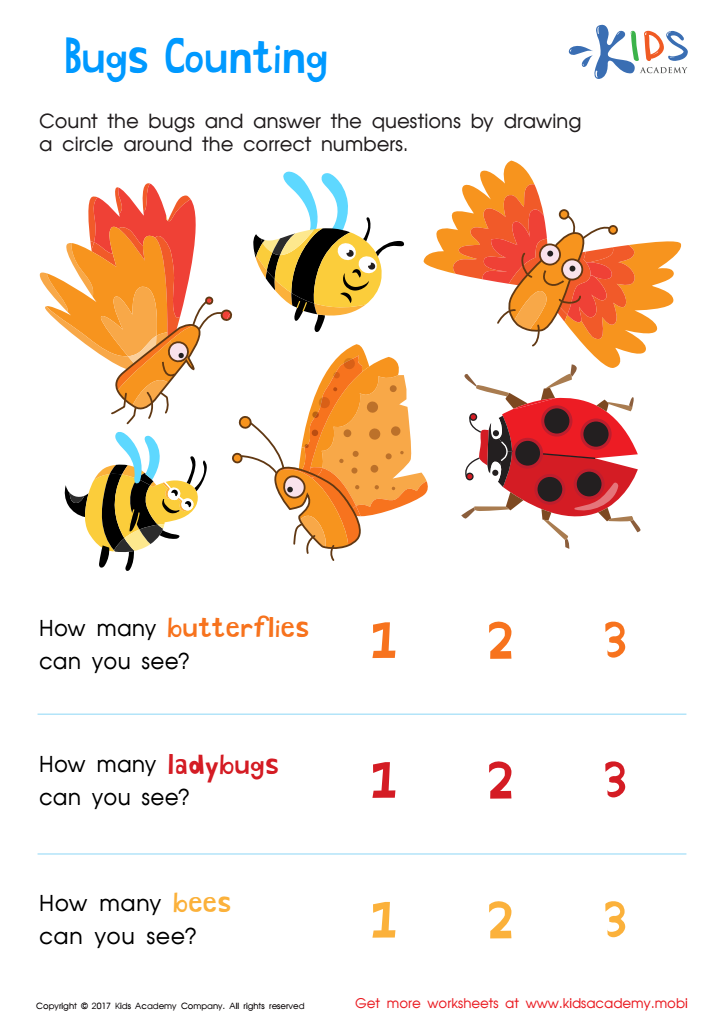
Bugs Counting Worksheet
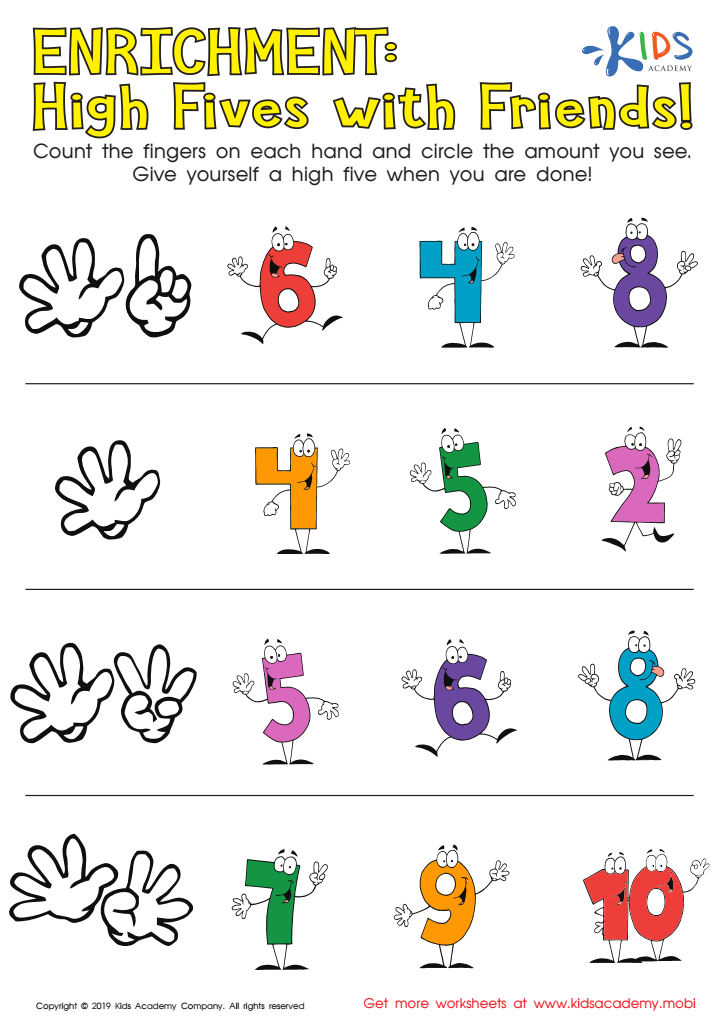
Enrichment: High Fives with Friends! Worksheet
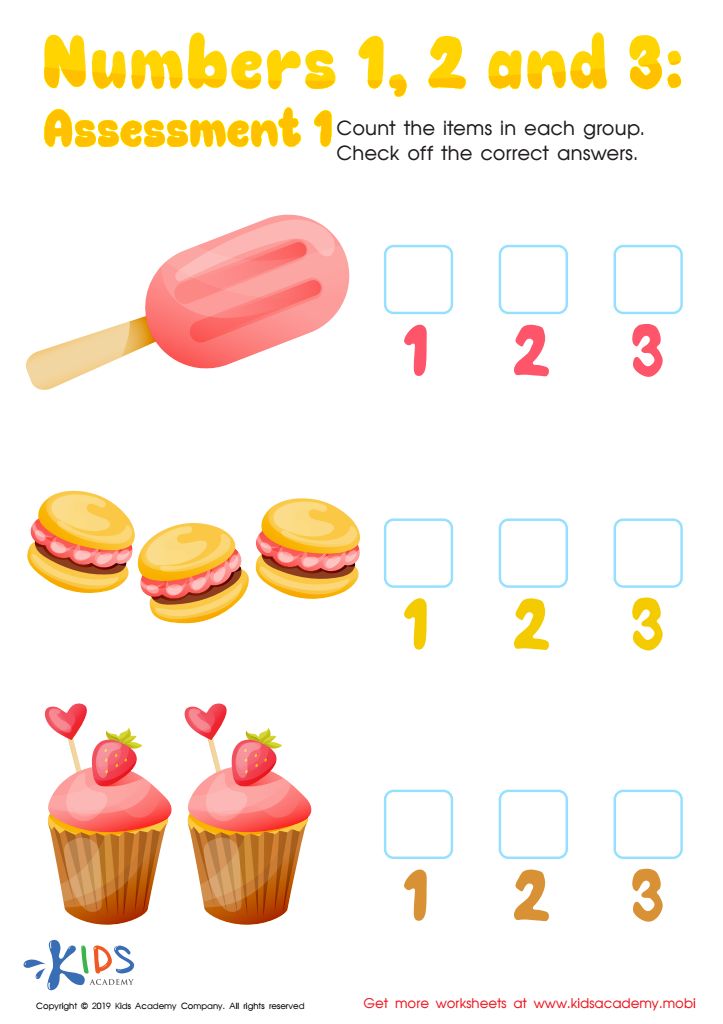
Numbers 1, 2 and 3: Assessment 1 Worksheet
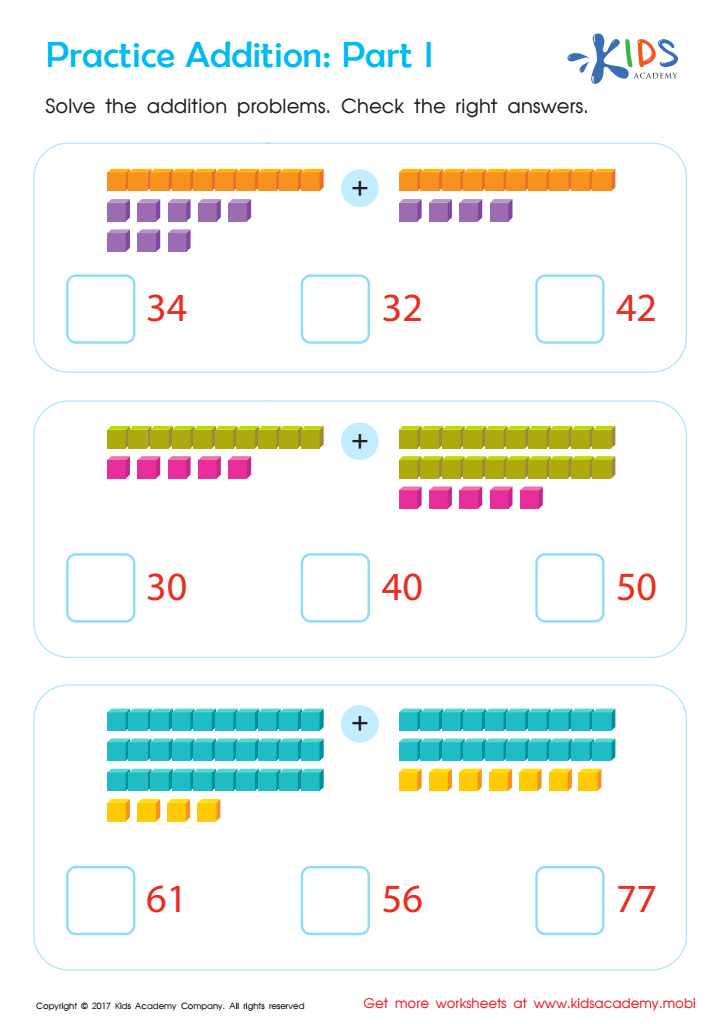
Practice Addition: Part 1 Worksheet
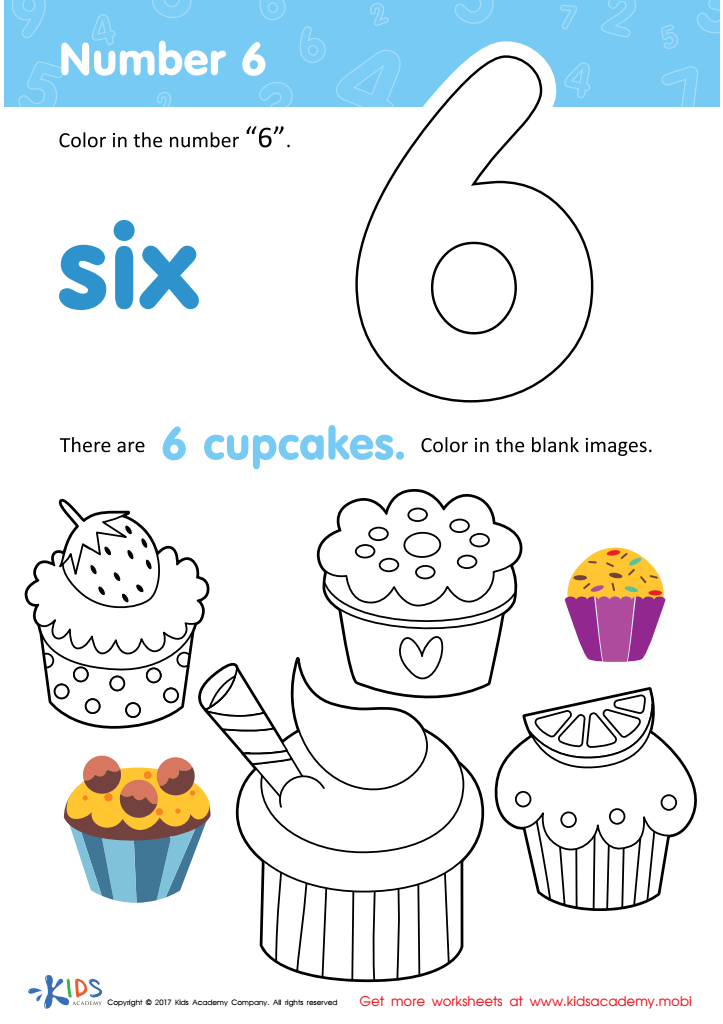
Number 6 Worksheet
Assign to My Students
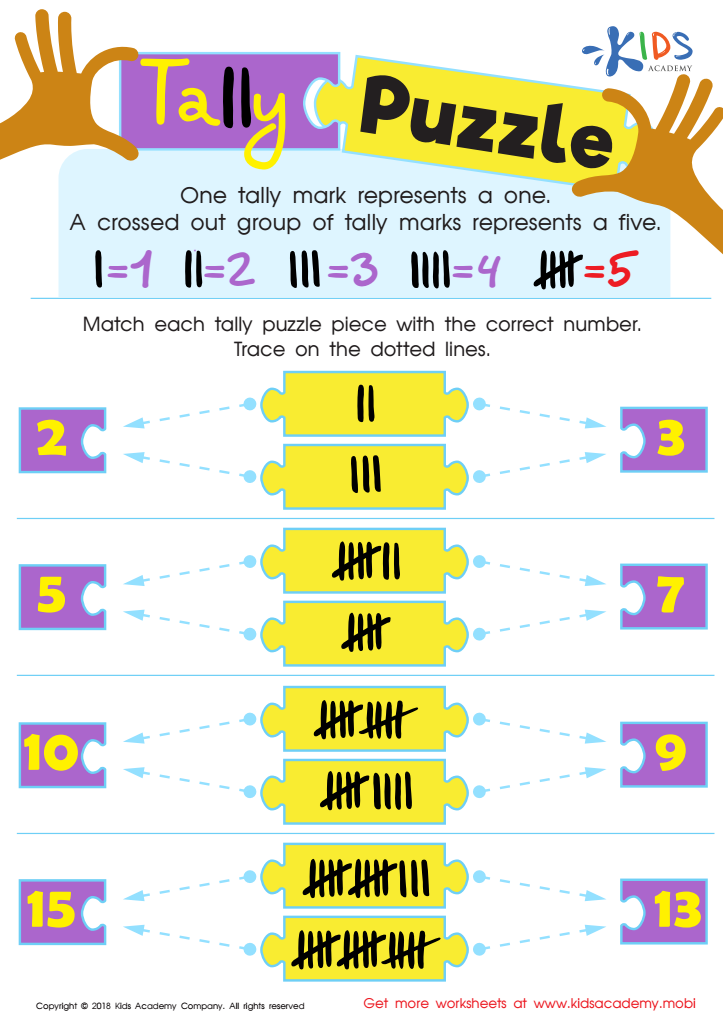
Tally Puzzle Worksheet
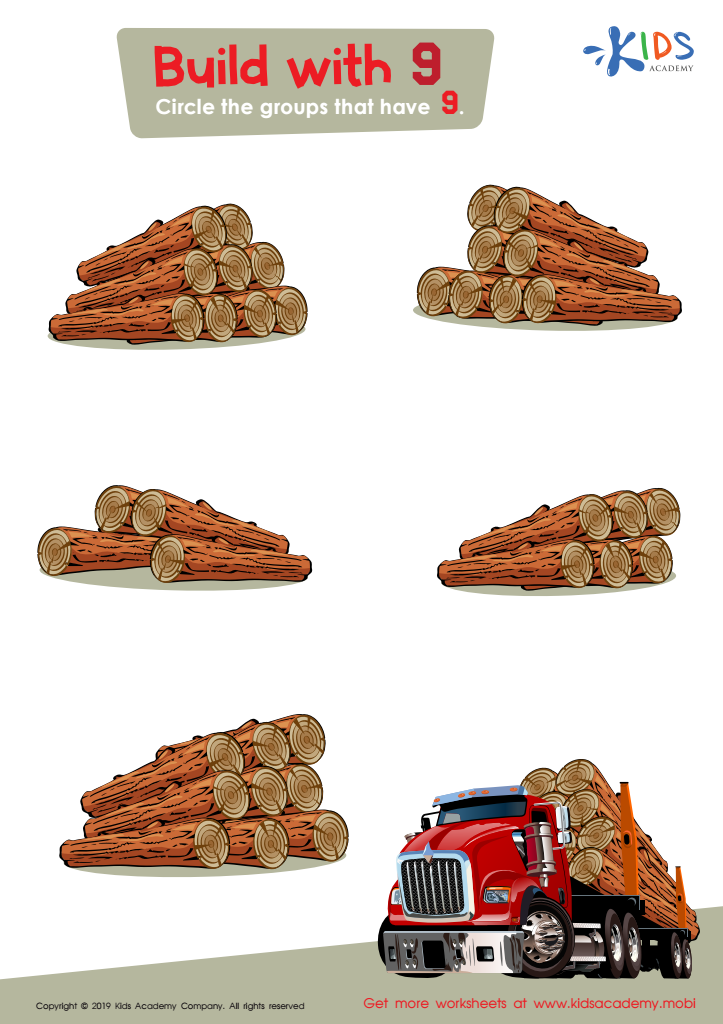
Build with 9 Worksheet
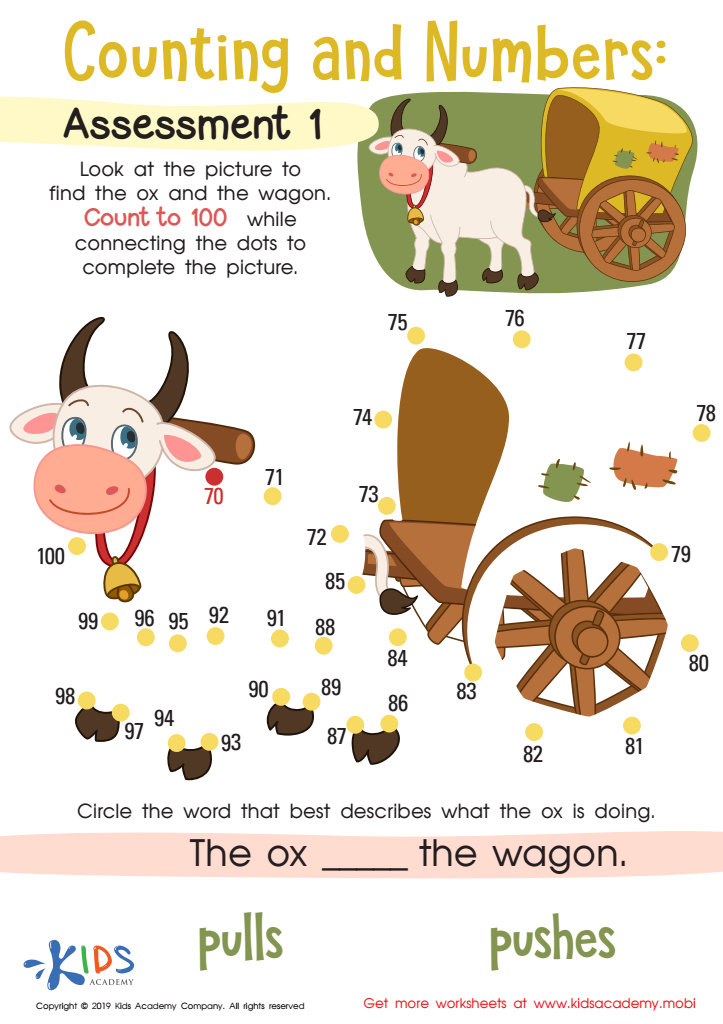
Counting and Numbers: Assessment 1 Worksheet

Make 6 Worksheet
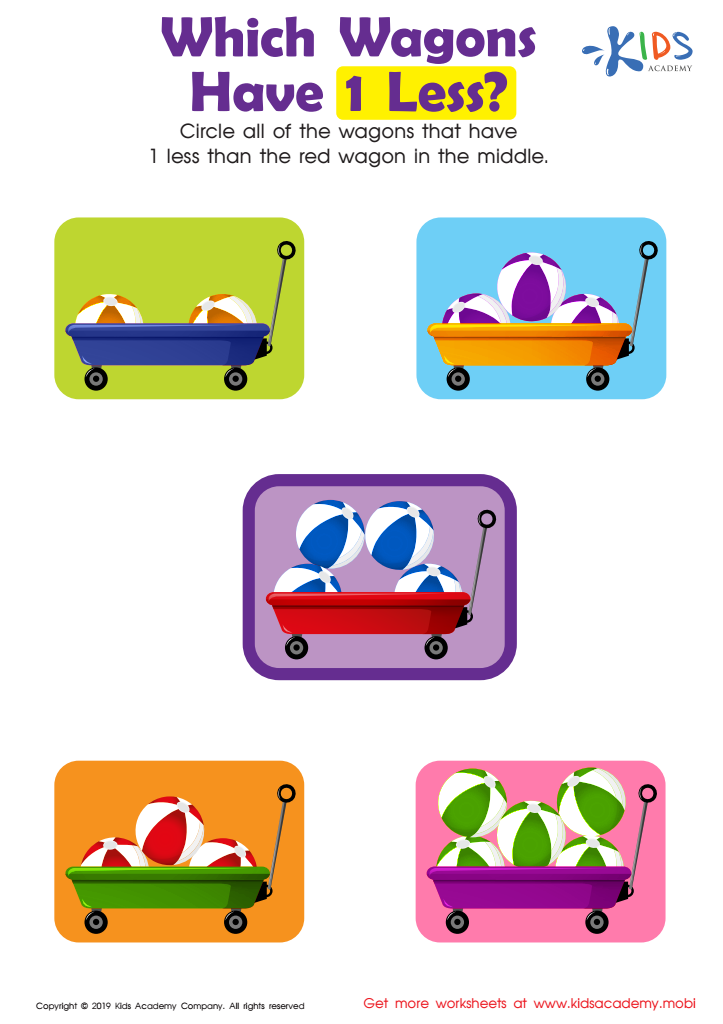
Which Wagons Have 1 Less? Worksheet
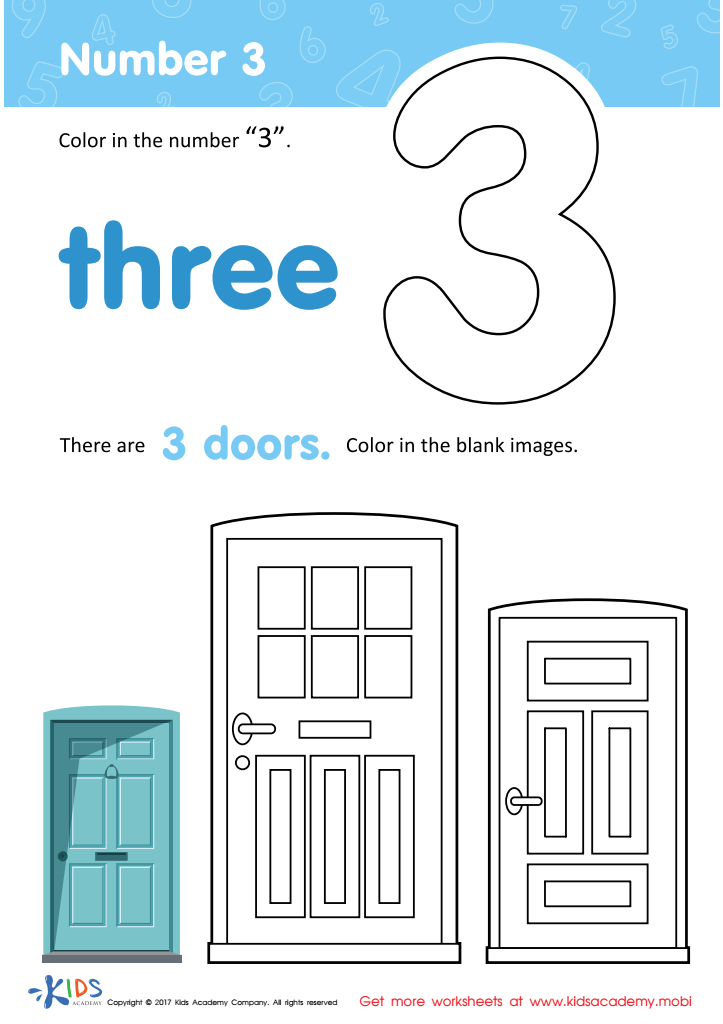
Number 3 Worksheet
Assign to My Students
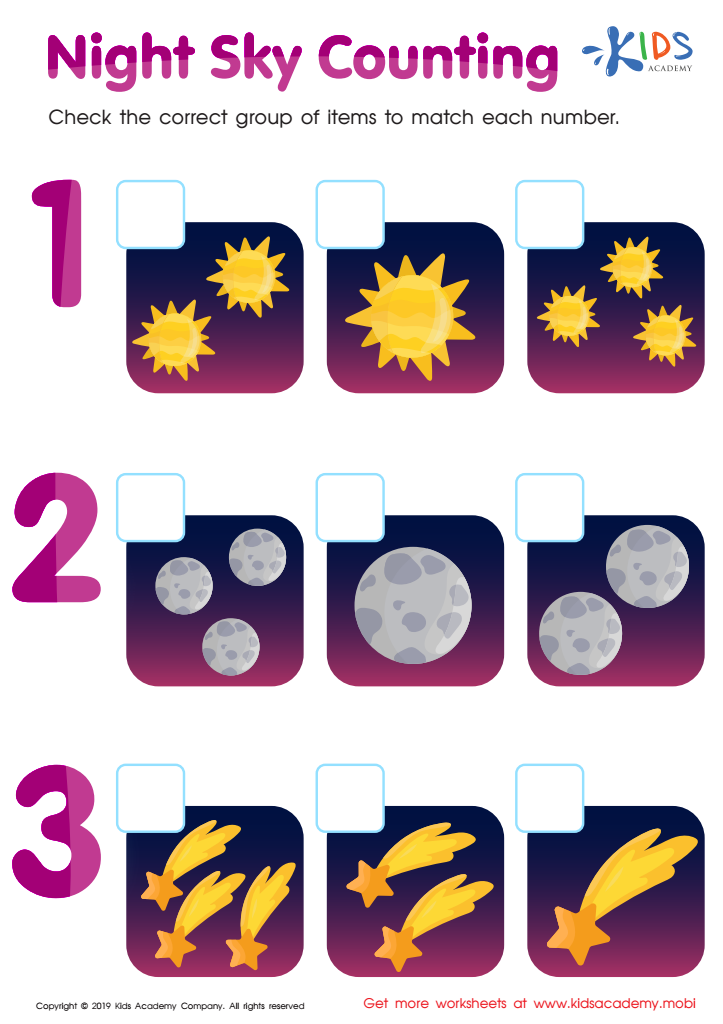
Night Sky Counting Worksheet
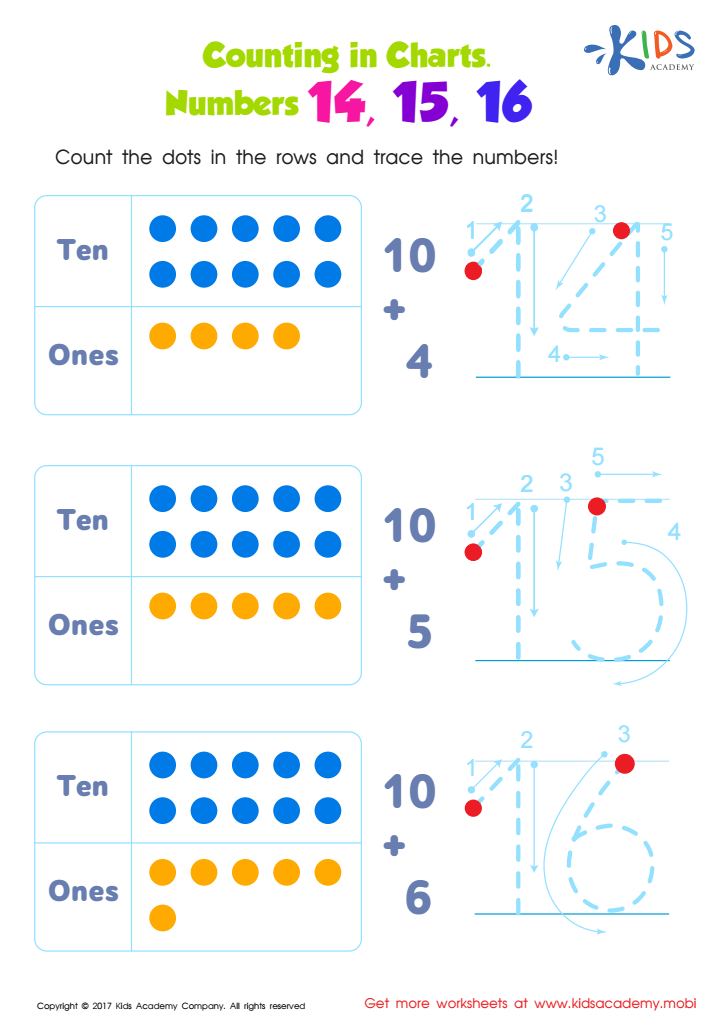
Number Tracing Worksheet
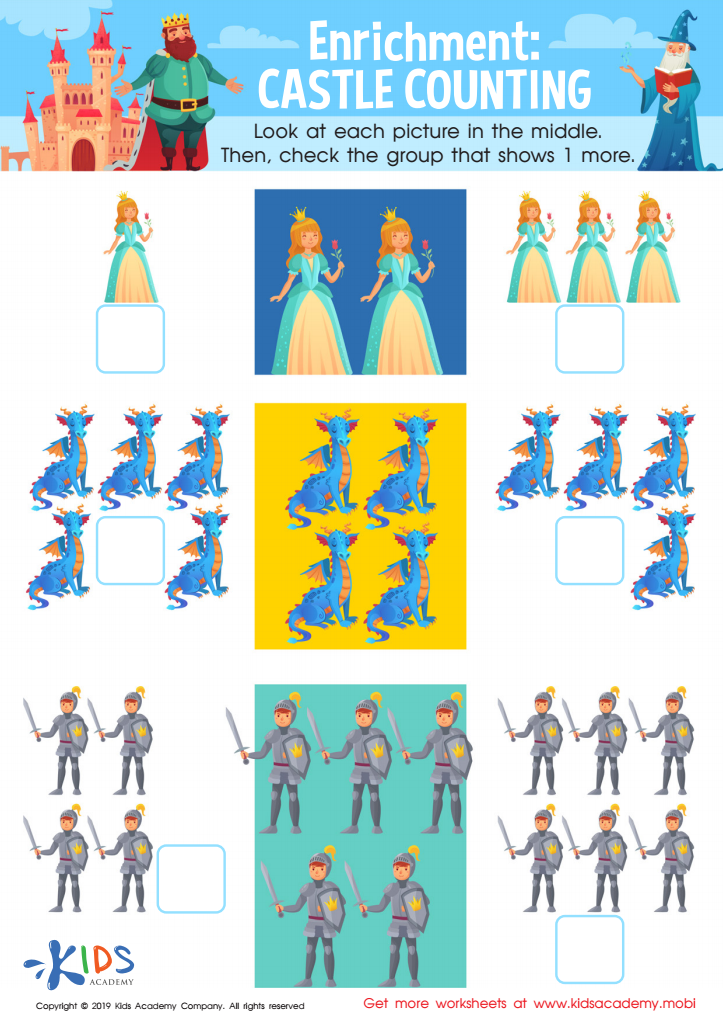
Enrichment: Castle Counting Worksheet
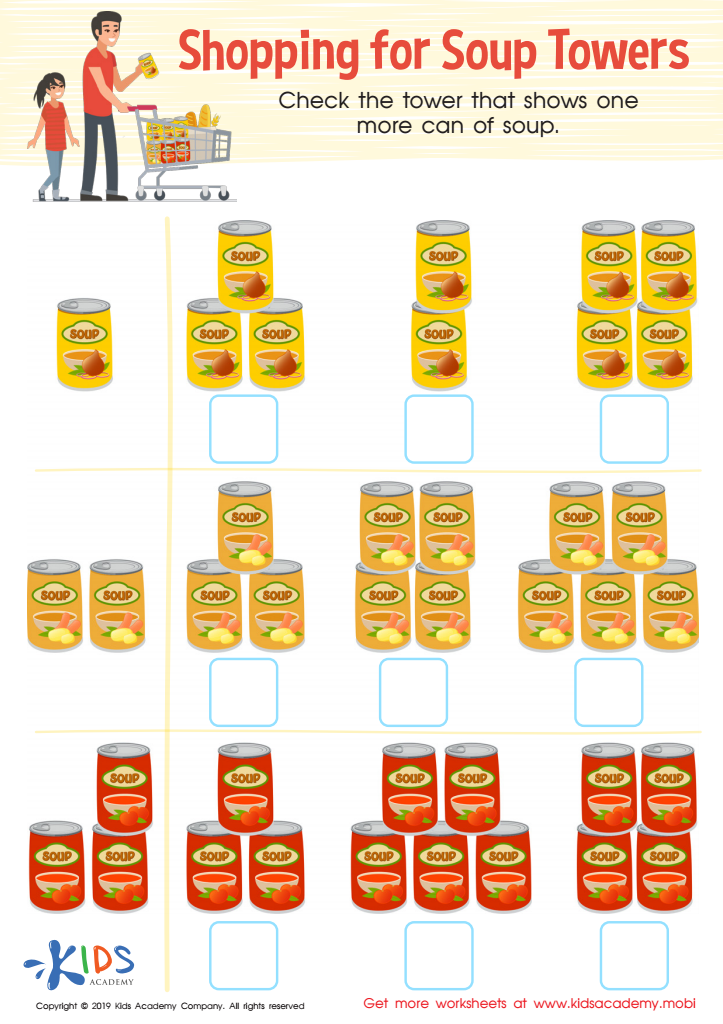
Soup Towers Worksheet
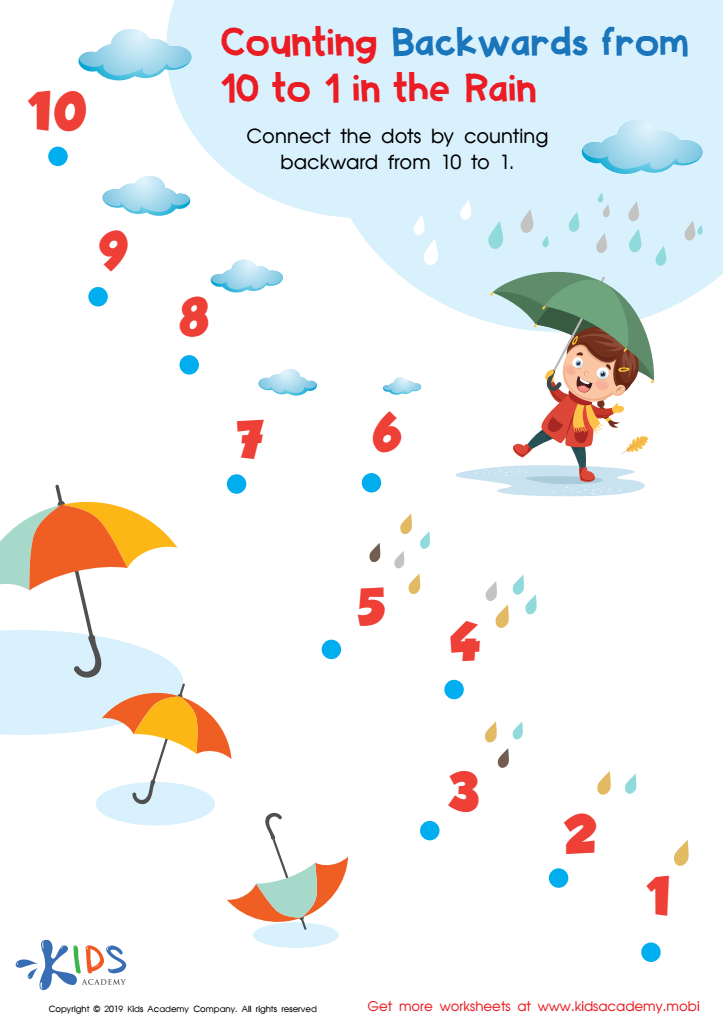
Counting Backwards from 10 to 1 in the Rain Worksheet
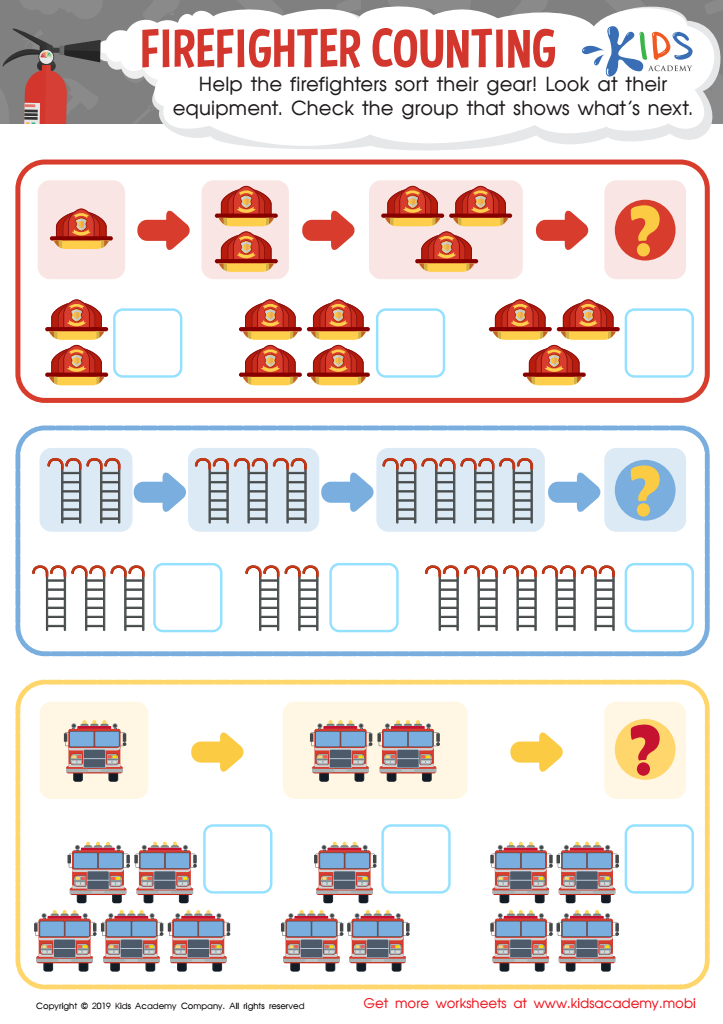
Firefighter Counting Worksheet
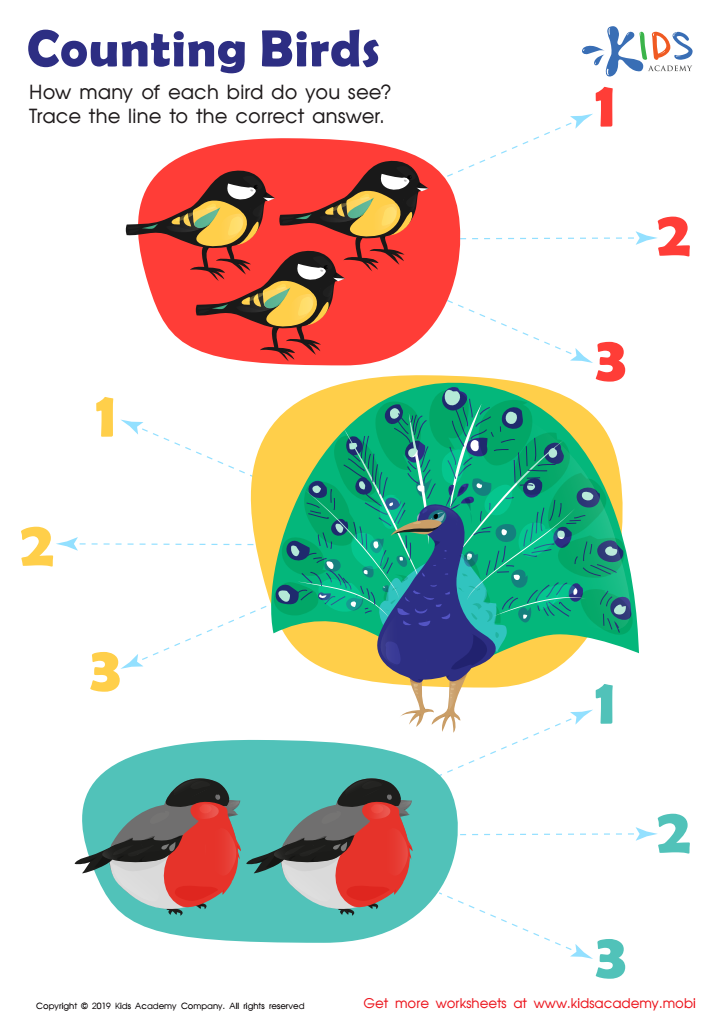
Counting Birds Worksheet
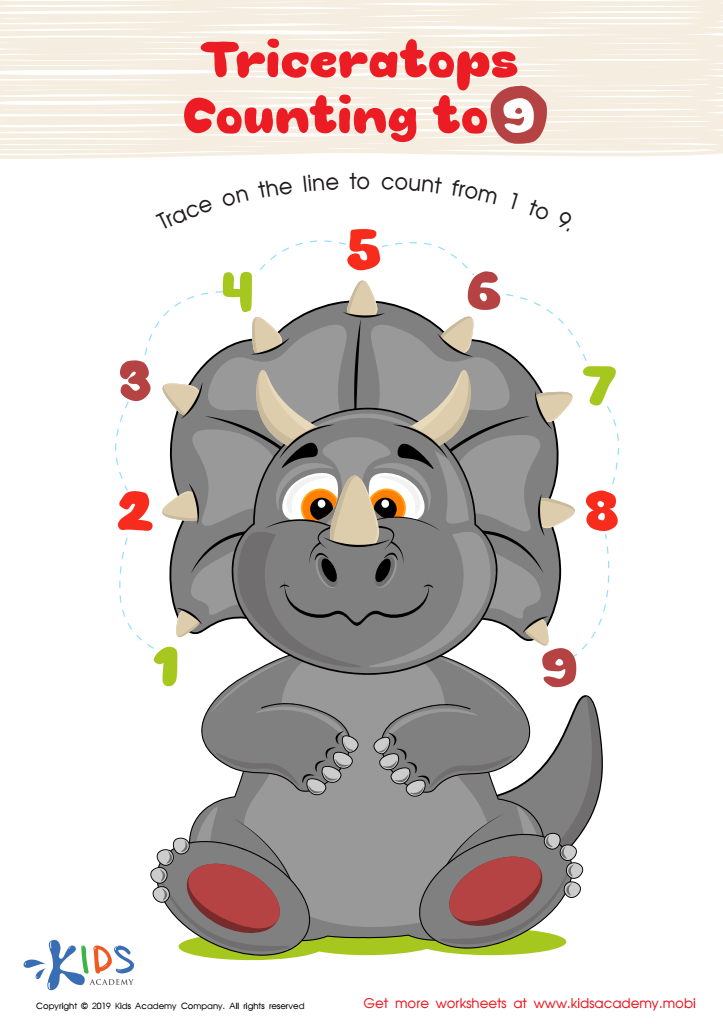
Triceratops Counting to 9 Worksheet








Parents and teachers should deeply care about early number recognition in children aged 3-8 because it lays the foundation for future mathematical understanding and cognitive development. Number recognition is more than just identifying digits; it introduces children to basic math concepts such as counting, sequencing, and patterning. These early skills are crucial as they help develop logical thinking and problem-solving abilities.
Additionally, early exposure to numbers cultivates a positive attitude towards math, reducing anxiety and building confidence in young learners. When children feel capable in recognizing and managing numbers, they're more likely to excel in math in their subsequent school years. This enthusiasm can spill over into other subjects as well, promoting an overall positive attitude toward learning.
Furthermore, number recognition is intertwined with everyday activities. From recognizing phone numbers to understanding time and handling money, these skills make navigating daily life easier for kids. For parents and teachers, fostering these skills can enhance a child's independence and confidence in real-world scenarios.
In summary, investing in number recognition for children aged 3-8 not only supports academic achievement but also personal growth and practical life skills, positioning them well for future success.








