Understanding fractions Easy Numbers Worksheets for Ages 3-8
3 filtered results
-
From - To
"Understanding Fractions Easy Numbers Worksheets for Ages 3-8" offer a fun, engaging way to introduce young learners to the concept of fractions. These worksheets are expertly designed to help children recognize and visualize fractions through hands-on activities and colorful illustrations. Each sheet encourages exploration and builds foundational math skills by breaking down complex ideas into easy-to-understand segments. Perfect for kids aged 3-8, these resources support confidence and enjoyment in learning, making fractions less intimidating and more intuitive. Empower your child with the tools they need to succeed in mathematics through our thoughtfully crafted worksheets.
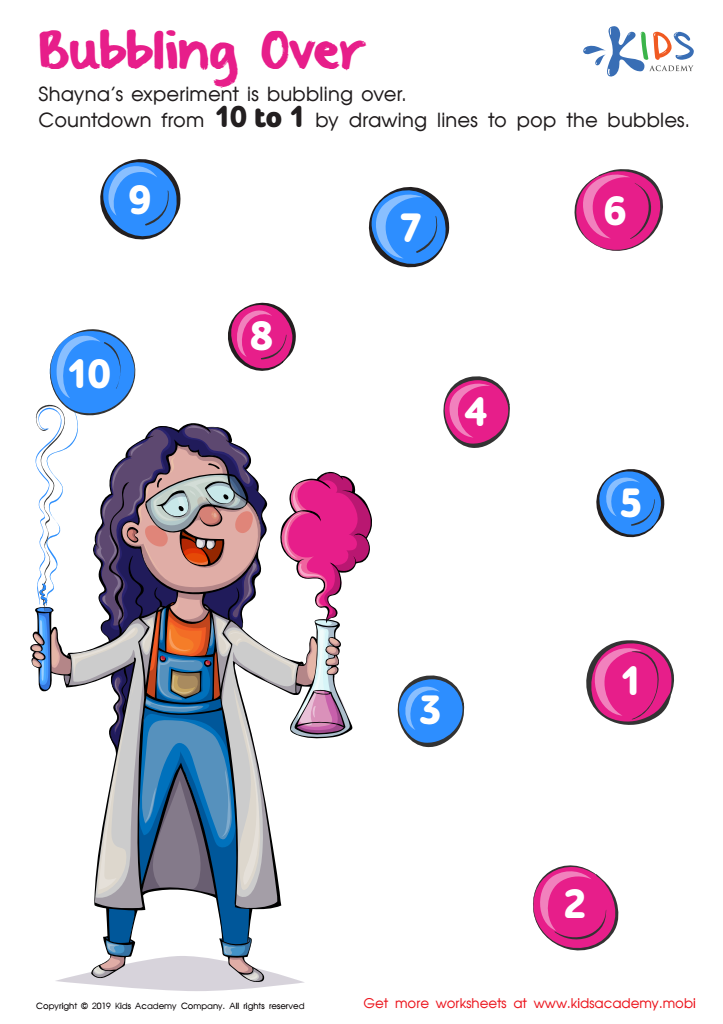
Bubbling Over Worksheet
 Assign to My Students
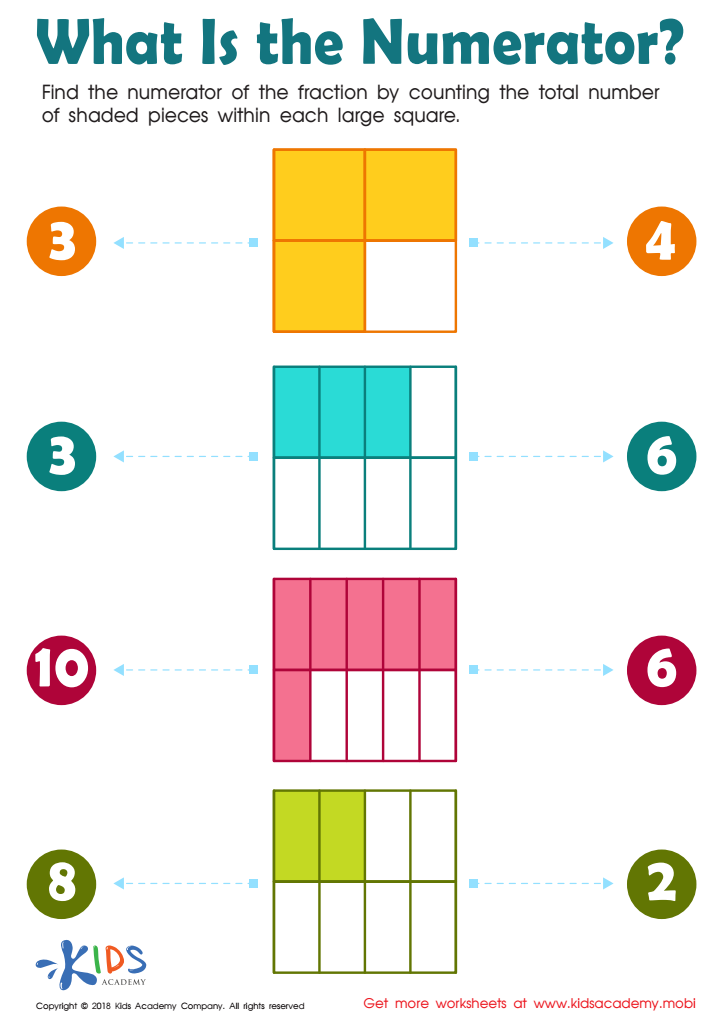
What Is the Numerator? Worksheet
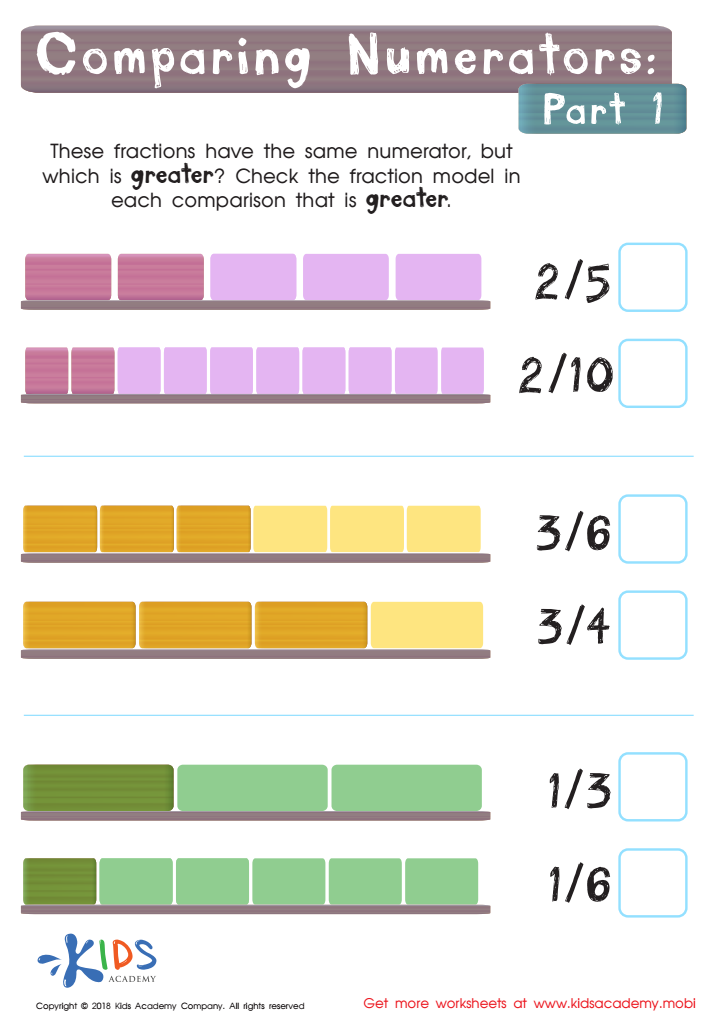
Comparing Numerators Part 1 Worksheet




.jpg)



Introducing children aged 3-8 to fractions and simple numbers sets the stage for their lifelong mathematical development. During these early years, young minds are incredibly adaptive and can easily grasp foundational concepts that will support their future learning. By exposing them to fractions early on, parents and teachers foster an intuitive understanding of how parts relate to whole items, an essential skill that translates well beyond math class.
Understanding fractions also nurtures problem-solving skills and logical thinking. Children learn to divide objects, comprehend proportions, and recognize patterns, all of which encourage cognitive development. Being familiar with these concepts early allows children to approach more complex mathematical problems with confidence as they grow.
Moreover, engaging with math through fun activities like visual aids, games, and hands-on experiences ensures that children see learning as fun rather than daunting. This positive attitude towards math can boost their performance in school and build a resilient mindset.
Parents and teachers play crucial roles in cultivating a rich learning environment. By prioritizing early understanding of fractions and numbers, they provide children with essential tools for academic success and everyday life. Such proactive engagement empowers children to become competent problem-solvers and lifelong learners.








