Basic arithmetic skills Easy Math Worksheets for Ages 3-8
5 filtered results
-
From - To
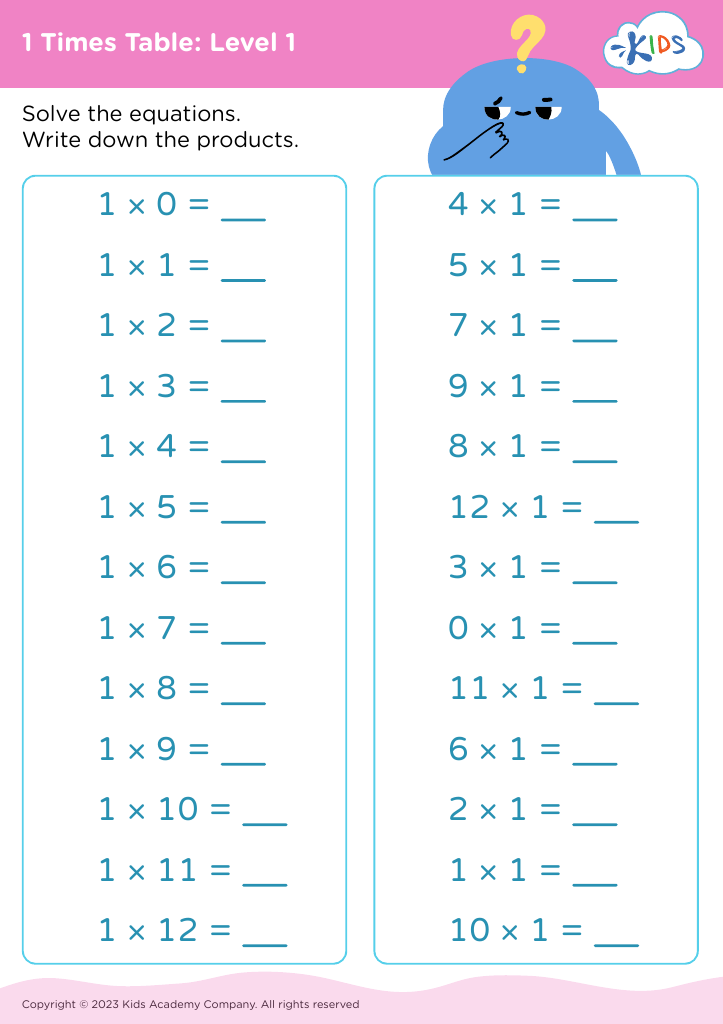
Discover the joy of learning with our "Basic Arithmetic Skills Easy Math Worksheets" designed for children ages 3-8! These engaging worksheets help young learners master essential math concepts, including addition, subtraction, and number recognition. Tailored to different skill levels, our resources foster a love for math through fun exercises and vibrant illustrations. Parents and educators will appreciate our easy-to-use format, making it simple to reinforce arithmetic skills in various settings. Whether in the classroom or at home, these worksheets provide a solid foundation for early math learners, ensuring they build confidence and competency in mathematics. Start your child's math journey today!
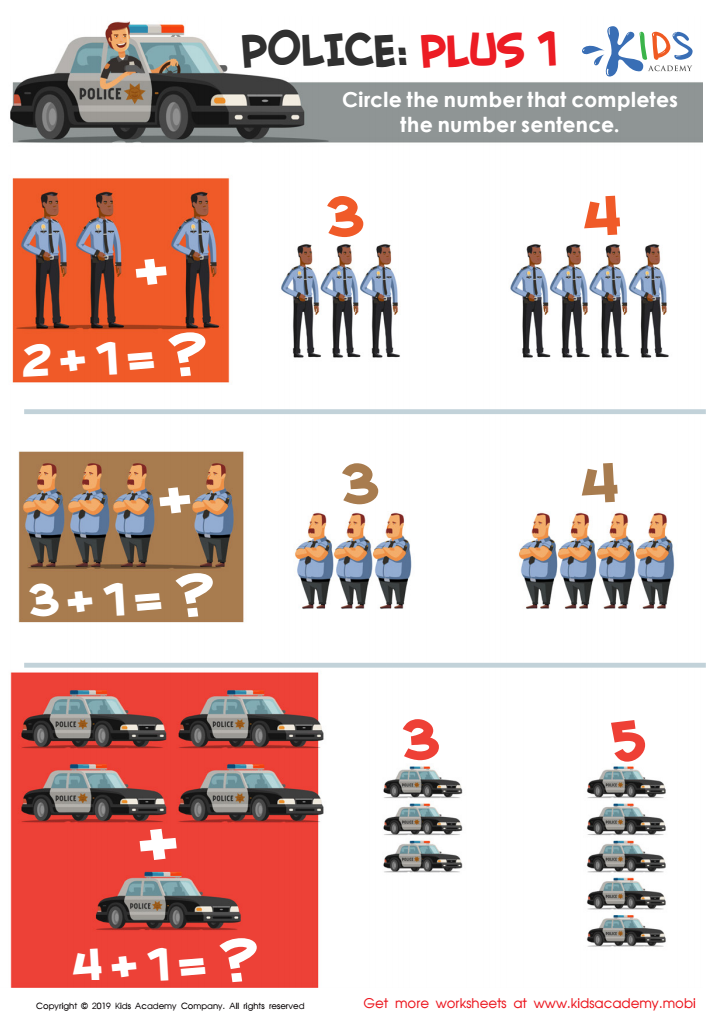
Police: Plus 1 Worksheet
 Assign to My Students
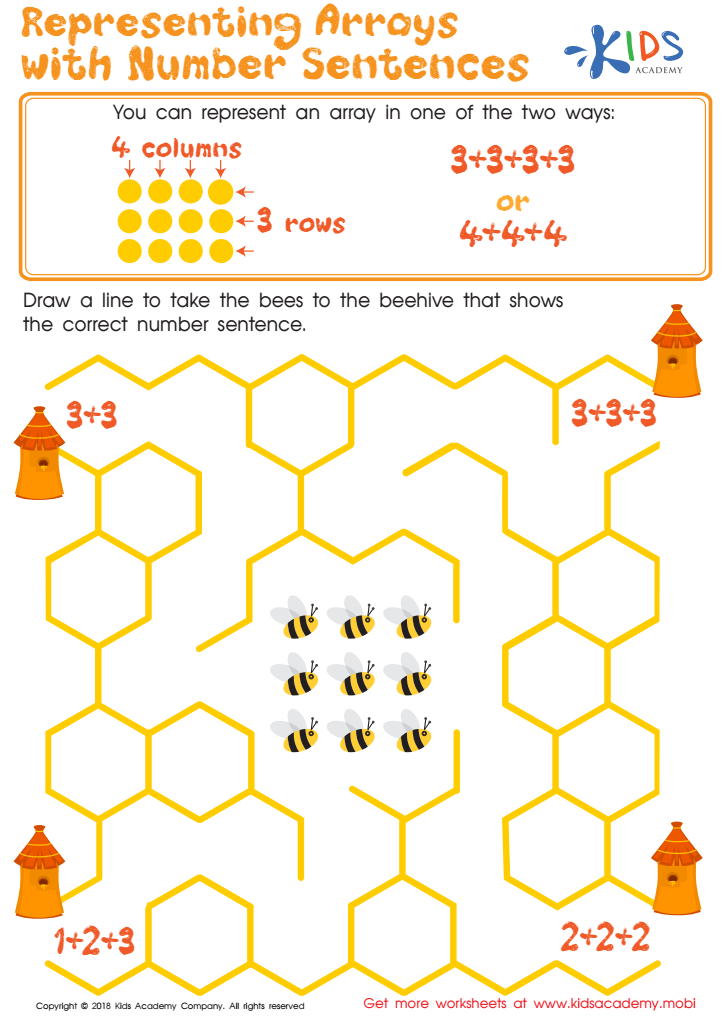
Representing Arrays with Number Sentences Worksheet
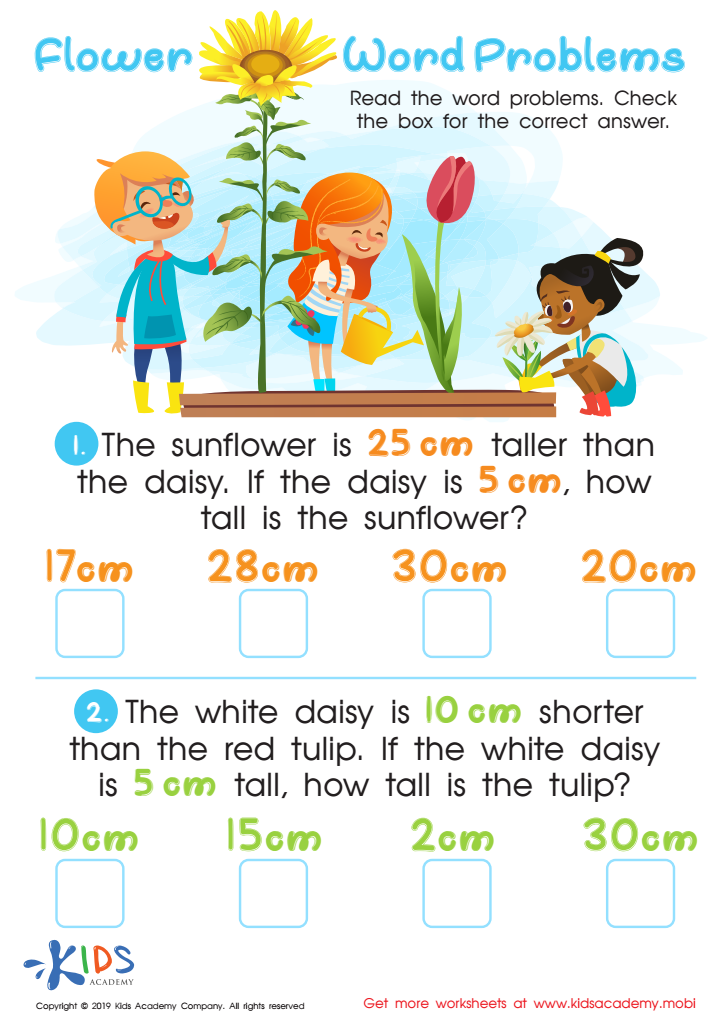
Flower Word Problems Worksheet
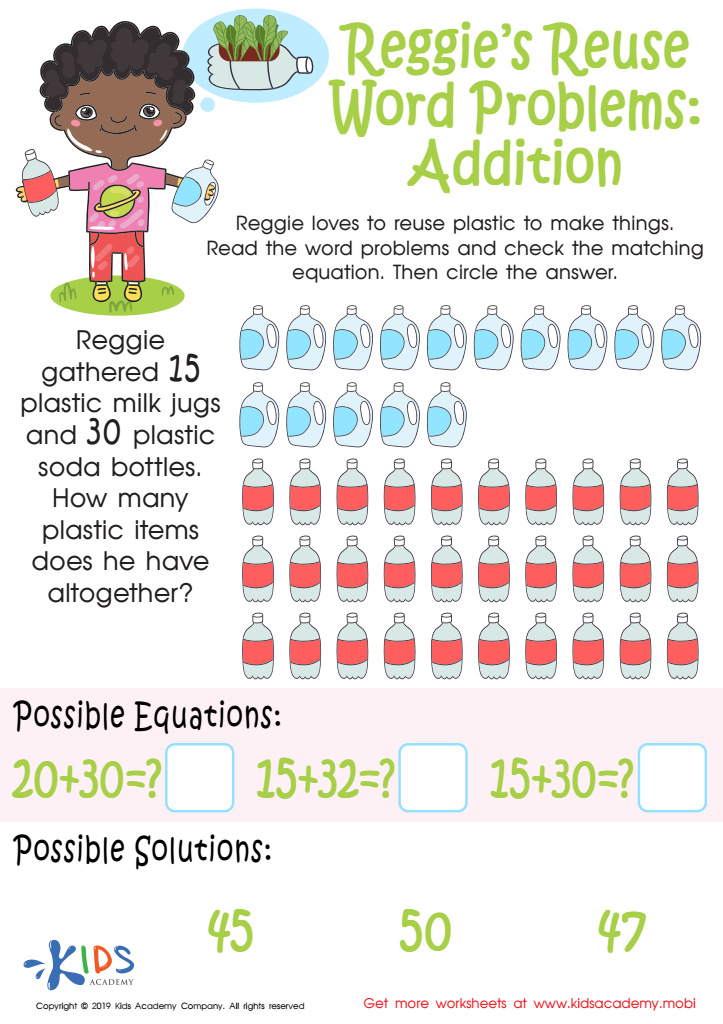
Reggie's Reuse Word Problems: Addition Worksheet







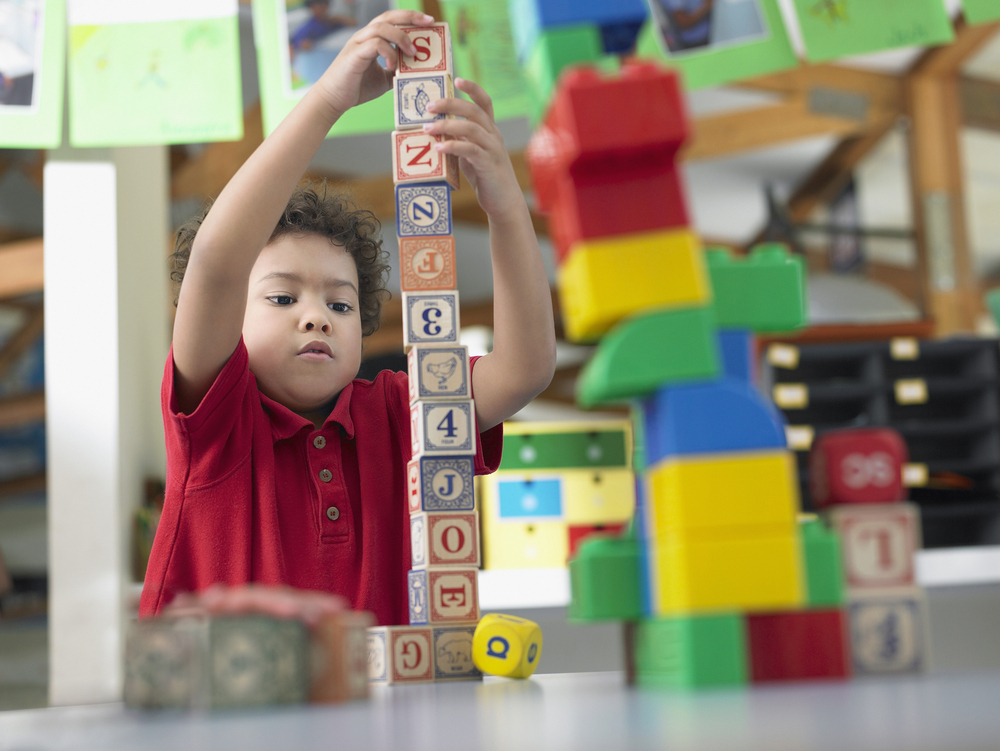
Basic arithmetic skills are vital for children aged 3-8 as they lay the foundation for future academic success and everyday problem-solving abilities. During these early years, children learn the fundamental concepts of numbers, counting, addition, and subtraction, which are essential not only in math but also in understanding the world around them.
Parents and teachers should care about these skills because they enhance cognitive development, promoting logical thinking and reasoning. Mastery of basic math fosters confidence and reduces anxiety surrounding math, encouraging a positive attitude toward learning. Engaging young learners with fun, interactive math activities cultivates a love for learning, making abstract concepts more tangible and enjoyable.
Moreover, basic arithmetic skills enhance critical life skills such as budgeting, measuring, reasoning, and analytical thinking, which are applicable in daily routines and future educational endeavors. Early arithmetic proficiency also prepares children for more complex mathematical concepts in later grades, ensuring a smooth educational journey.
In conclusion, nurturing early math skills equips children with the tools they need for success inside and outside the classroom, promoting emotional and intellectual growth that influences their lifelong relationship with learning. Hence, parents and teachers play a critical role in reinforcing these skills during this foundational stage.








