Problem-Solving Skills Easy Math Worksheets for Ages 3-8 - Page 3
49 filtered results
-
From - To
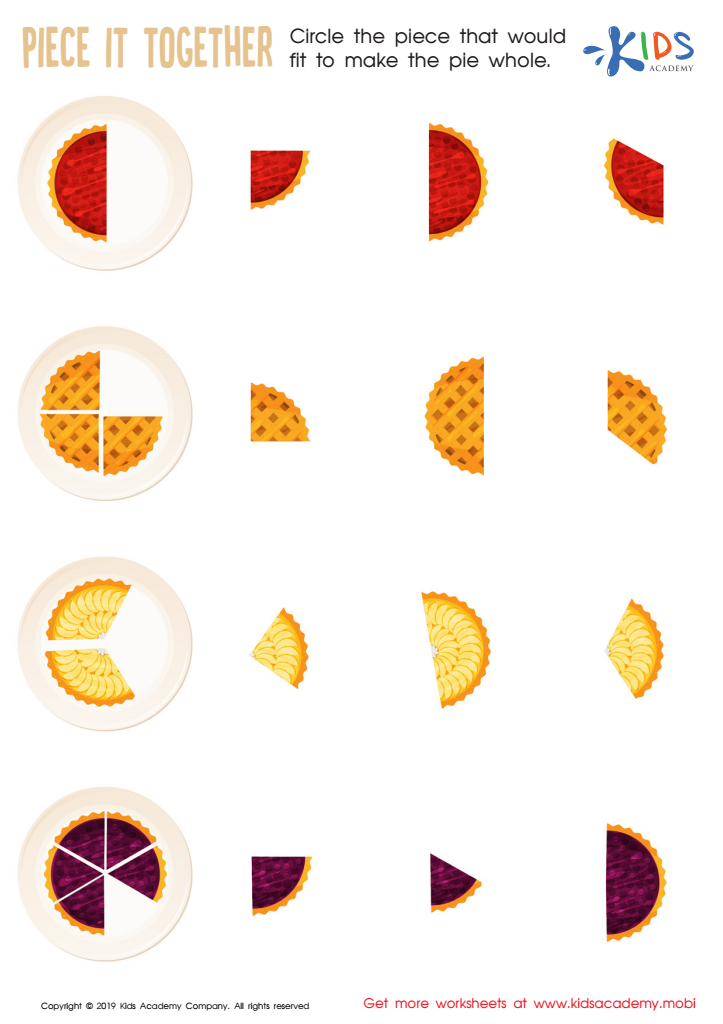
Piece it together Worksheet
 Assign to My Students




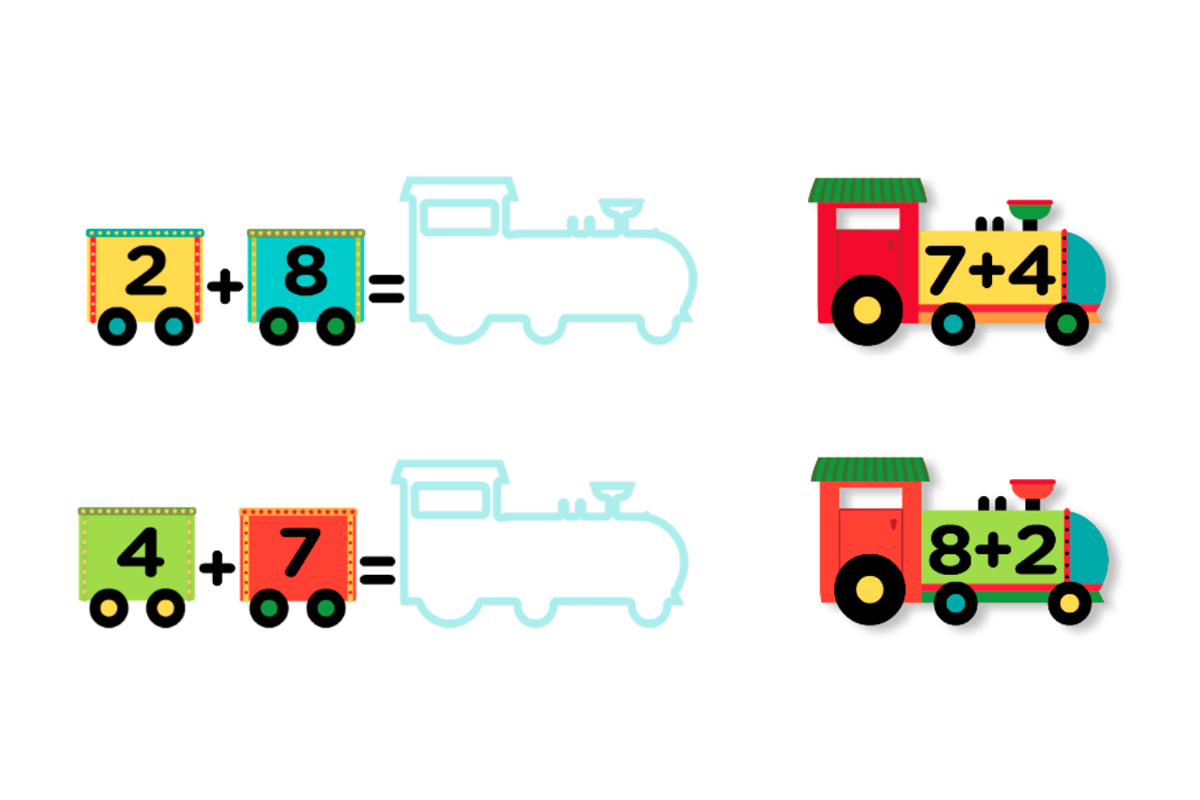

Parents and teachers should prioritize problem-solving skills in early math for children aged 3-8 due to their foundational role in overall cognitive development. Problem-solving in math enhances critical thinking, promotes logical reasoning, and fosters a growth mindset, helping children learn to approach challenges with resilience. At this age, children are naturally curious, and integrating problem-solving activities into math makes learning engaging and fun.
By developing these skills early on, children become equipped to tackle more complex concepts later in life. Furthermore, problem-solving encourages collaboration and communication as children often work in groups, sharing ideas and strategies. This social aspect helps build essential interpersonal skills.
Additionally, fostering problem-solving fosters independence, as children learn to think through their solutions instead of always relying on adult guidance. This autonomy helps children build self-confidence of their abilities.
Investing time in teaching problem-solving through easy math exercises also lays the groundwork for applying these skills in real-life situations, promoting overall success in school and other aspects of life. When parents and teachers nurture these skills, they create a positive learning environment, ultimately preparing children for future academic challenges and life experiences.








