Visual perception Easy Math Worksheets for Ages 3-8
18 filtered results
-
From - To
Enhance your child's learning journey with our Visual Perception Easy Math Worksheets, specially designed for ages 3-8. These engaging and age-appropriate worksheets help young learners develop essential visual discrimination skills, exploring various concepts like shapes, sizes, and patterns. By incorporating fun activities, these worksheets not only promote critical thinking but also make math enjoyable. Perfect for preschoolers and early grade school children, our resources foster foundational skills essential for future academic success. Easy to download and print, these interactive worksheets provide endless opportunities for practice and reinforcement, ensuring your child builds confidence while honing their math abilities through visual perception. Start exploring today!
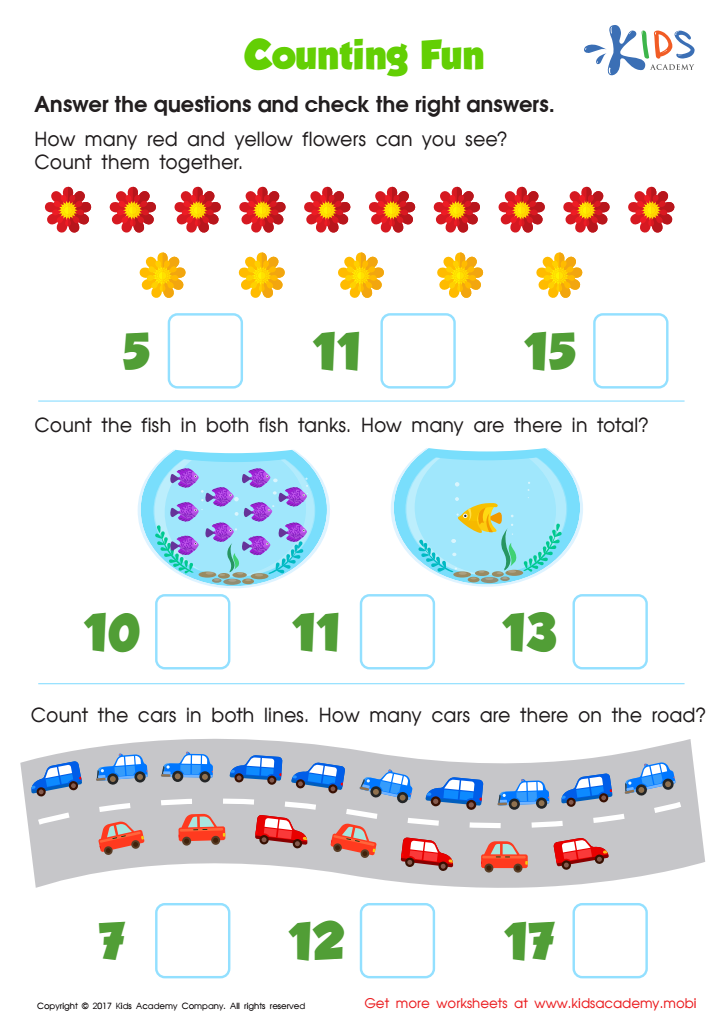
Counting Fun Worksheet
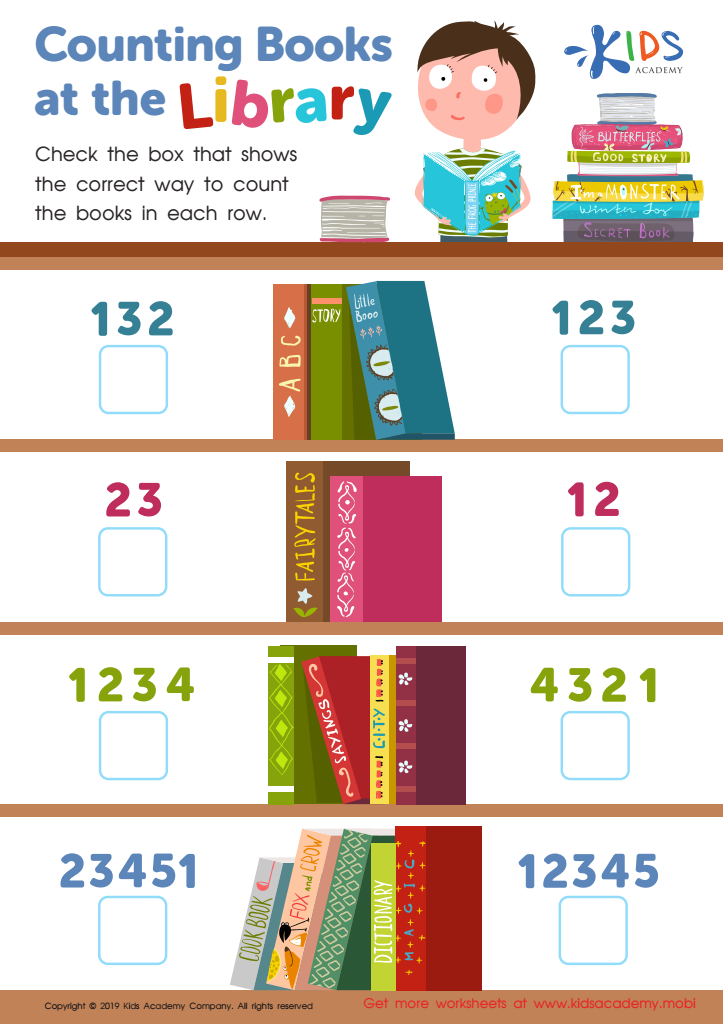
Counting Books at the Library Worksheet
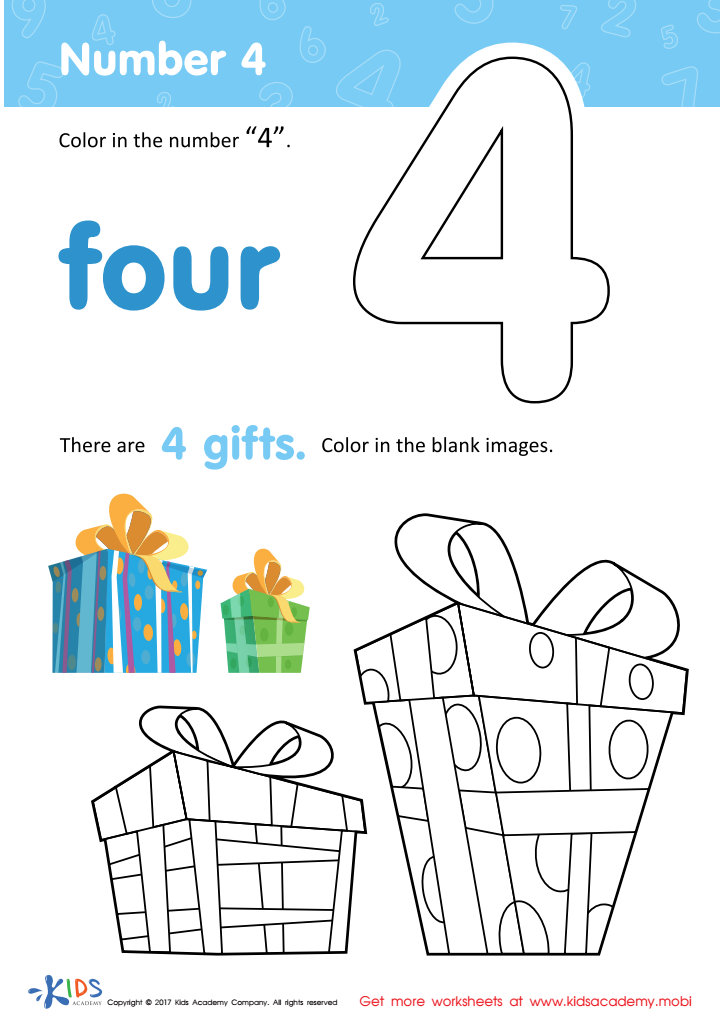
Number 4 Printable
 Assign to My Students
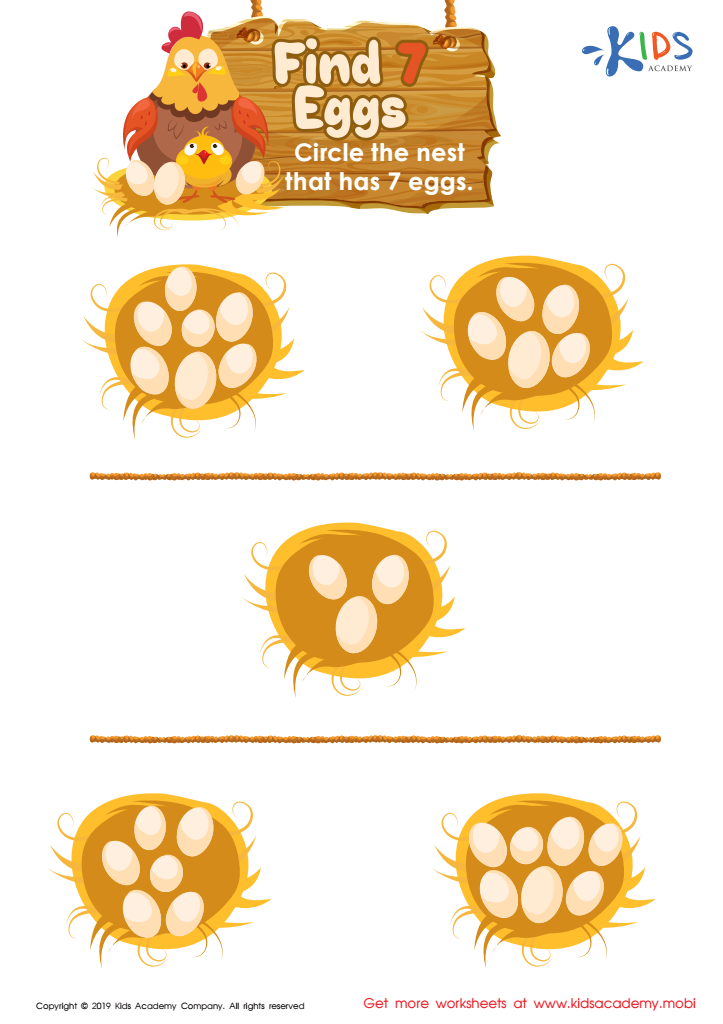
Find 7 Eggs Worksheet
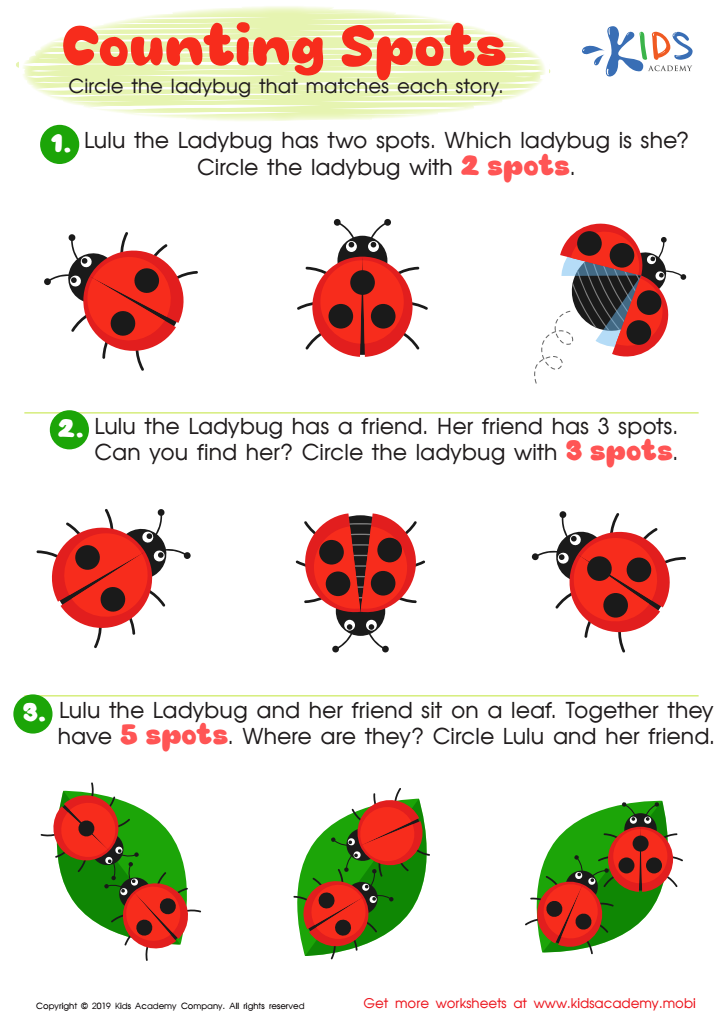
Counting Spots Worksheet
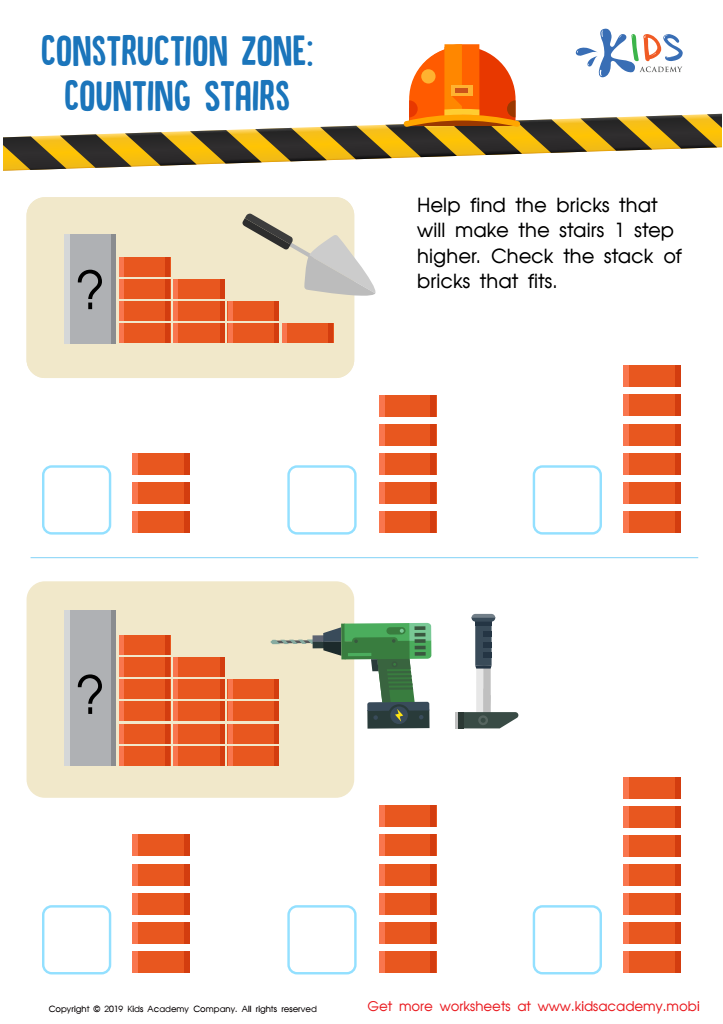
Construction Zone: Counting Stairs Worksheet
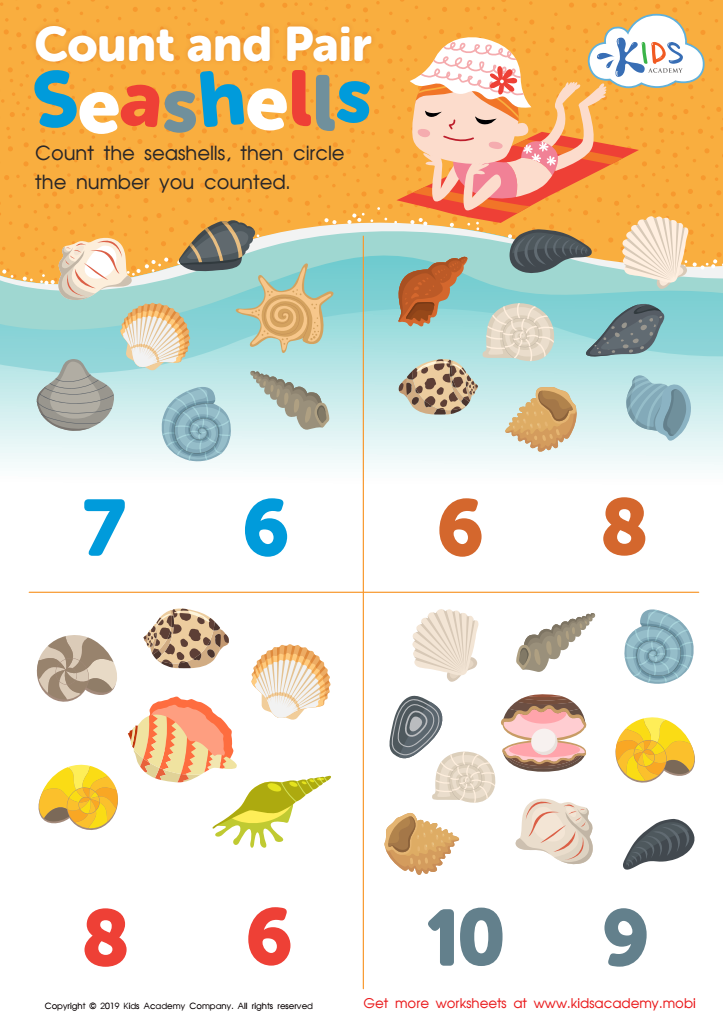
Count and Pair Seashells Worksheet
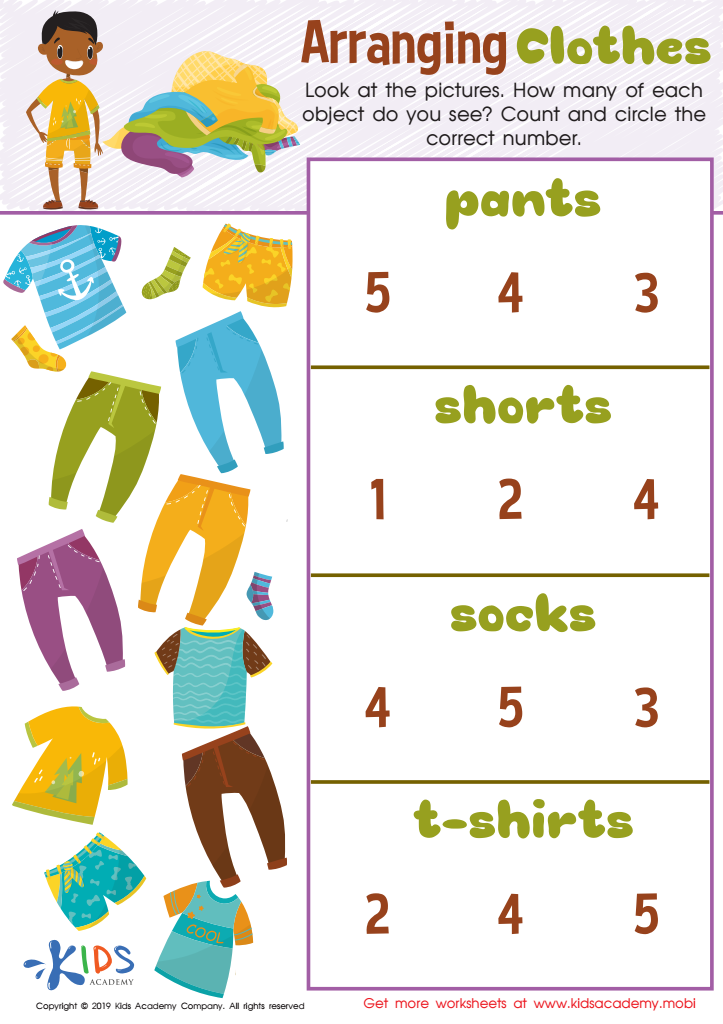
Arranging Clothes Worksheet
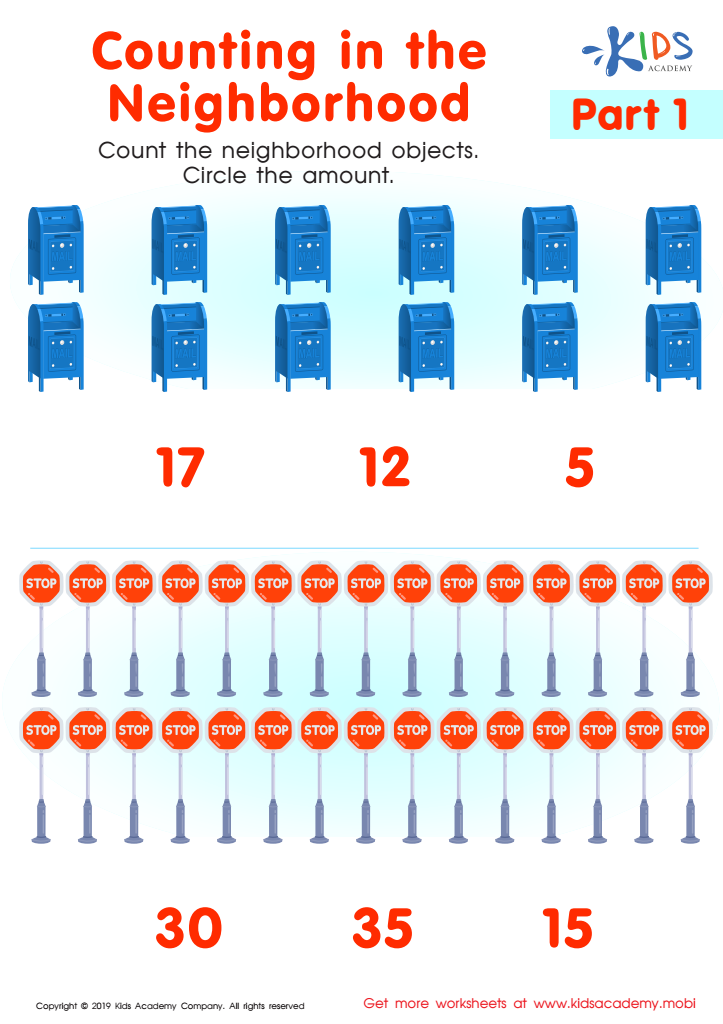
Counting in the Neighborhood Part1 Worksheet
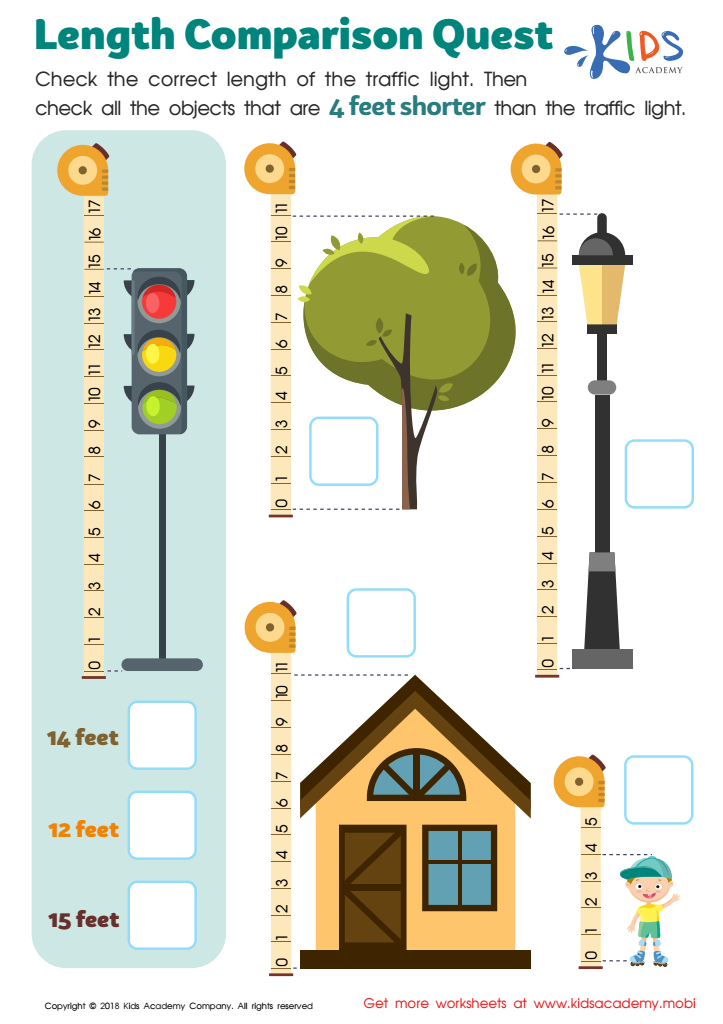
Length Comparison Quest Worksheet
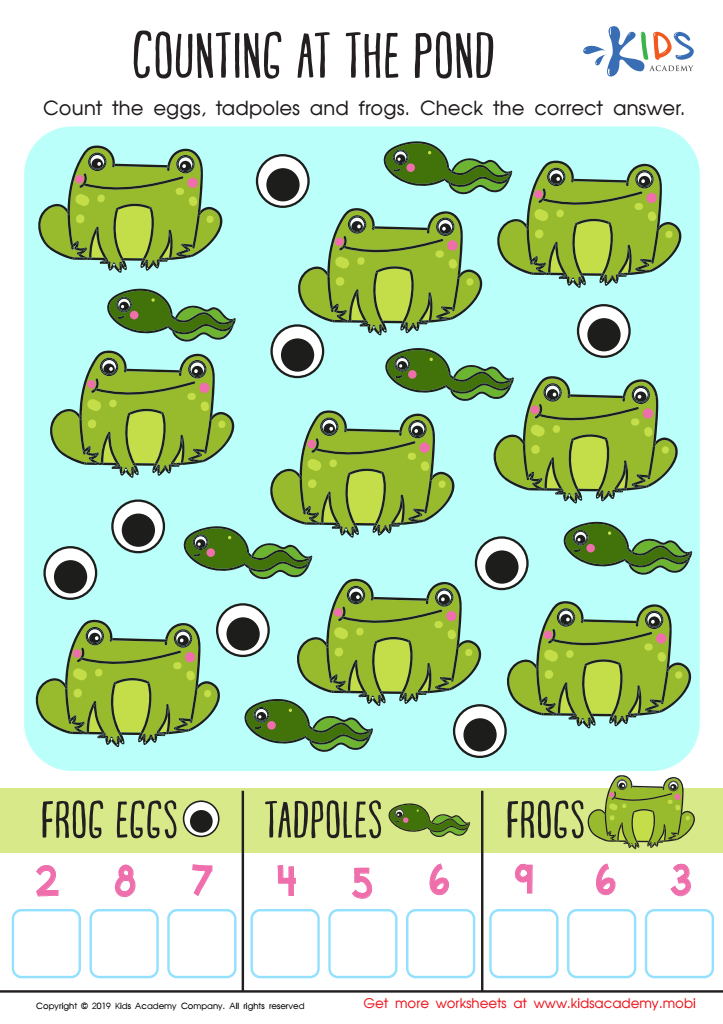
Counting at the Pond Worksheet
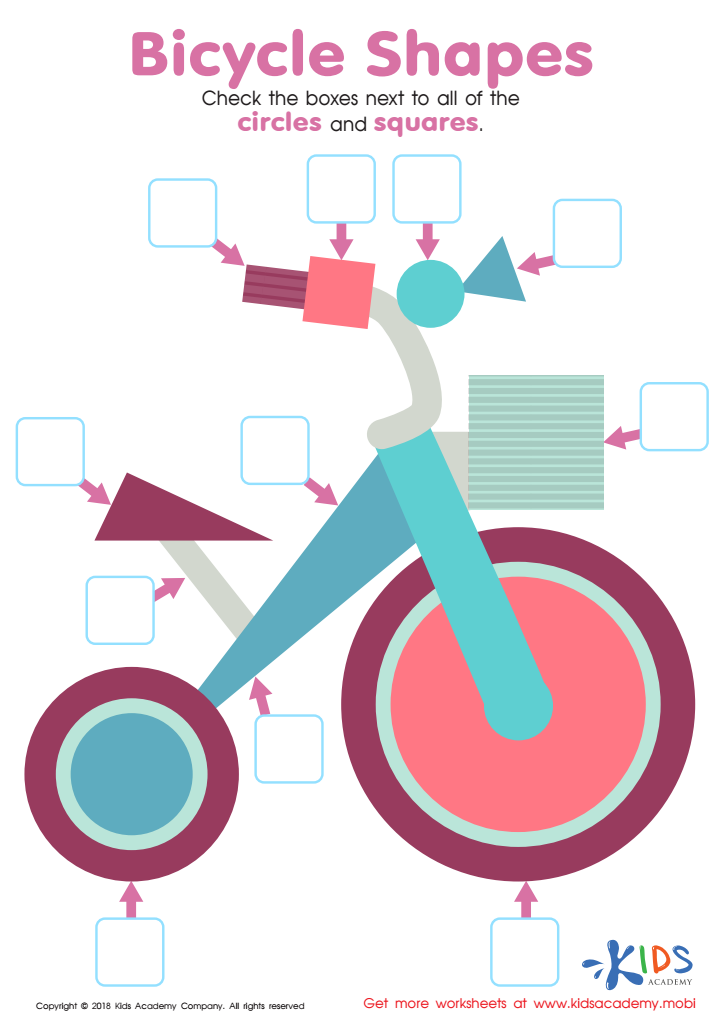
Bicycle Shapes Worksheet
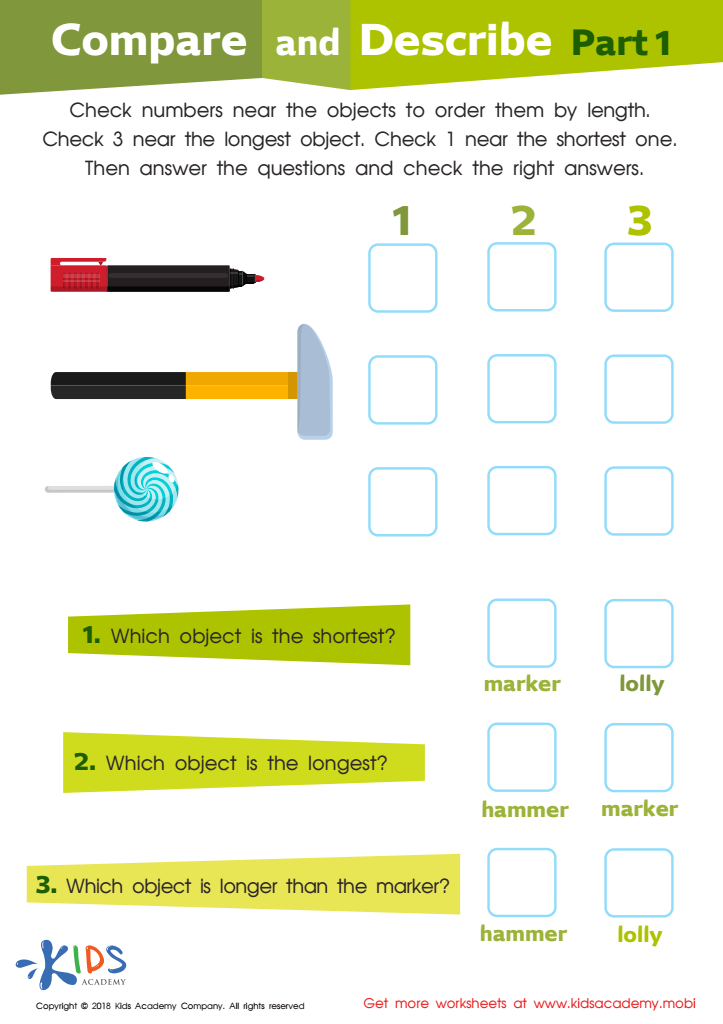
Compare and Describe: Part 1 Worksheet
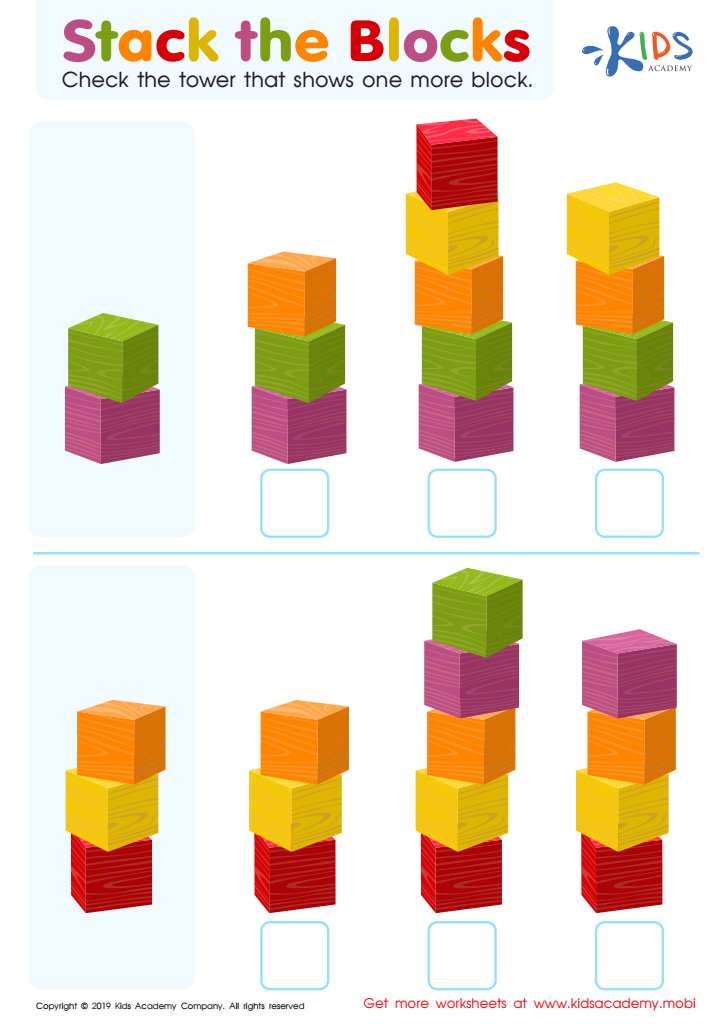
Stack the Blocks Worksheet
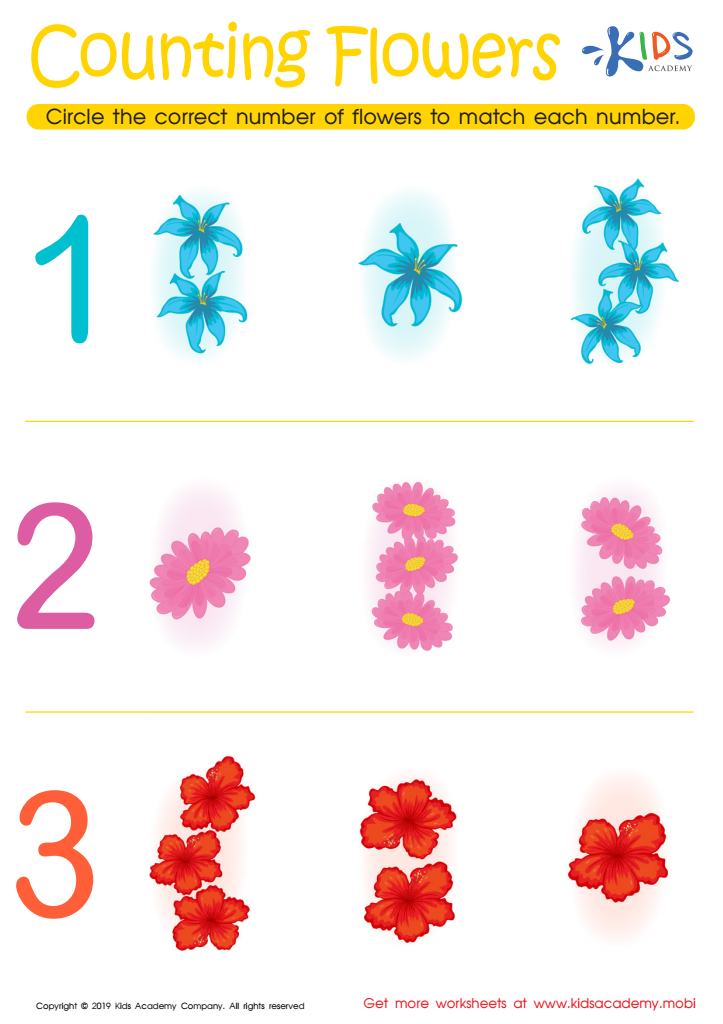
Counting Flowers Worksheet
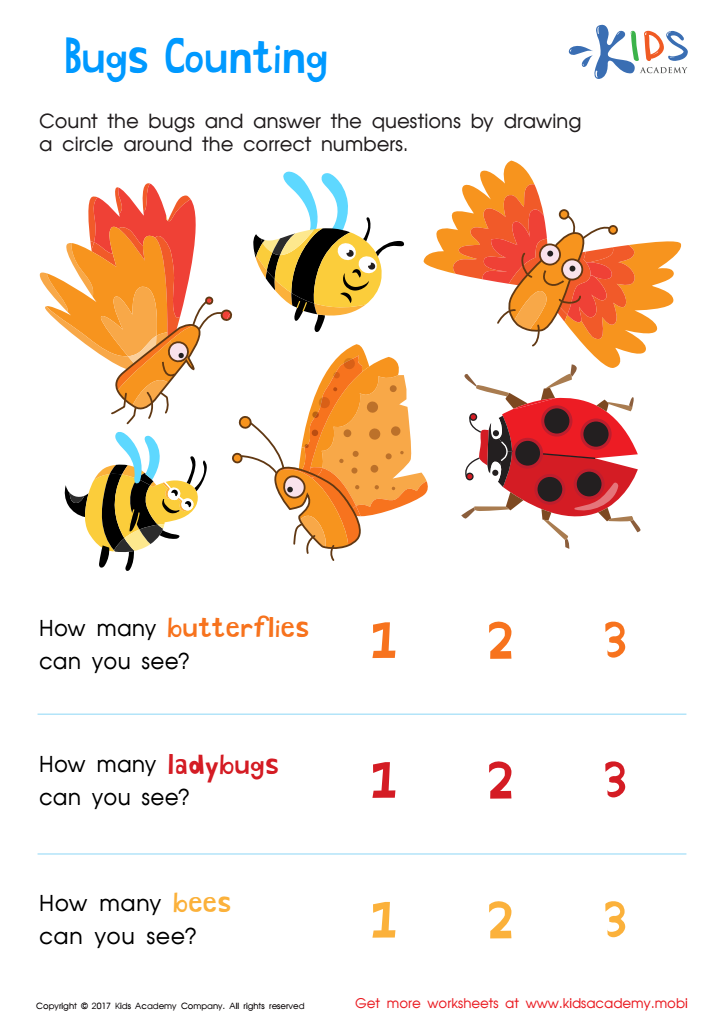
Bugs Counting Worksheet
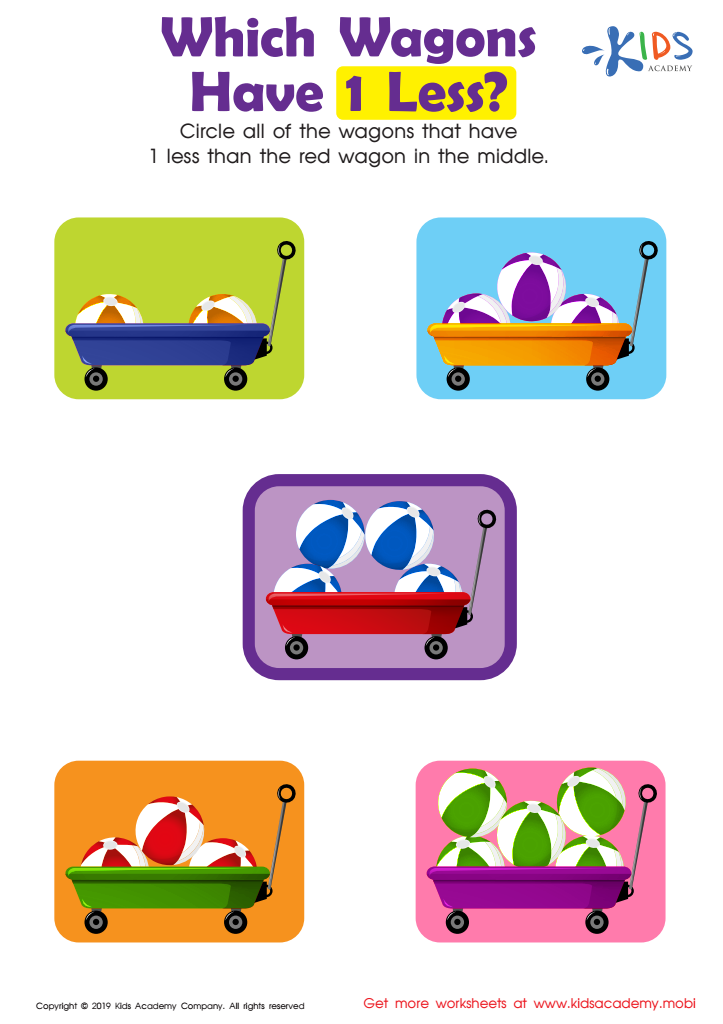
Which Wagons Have 1 Less? Worksheet
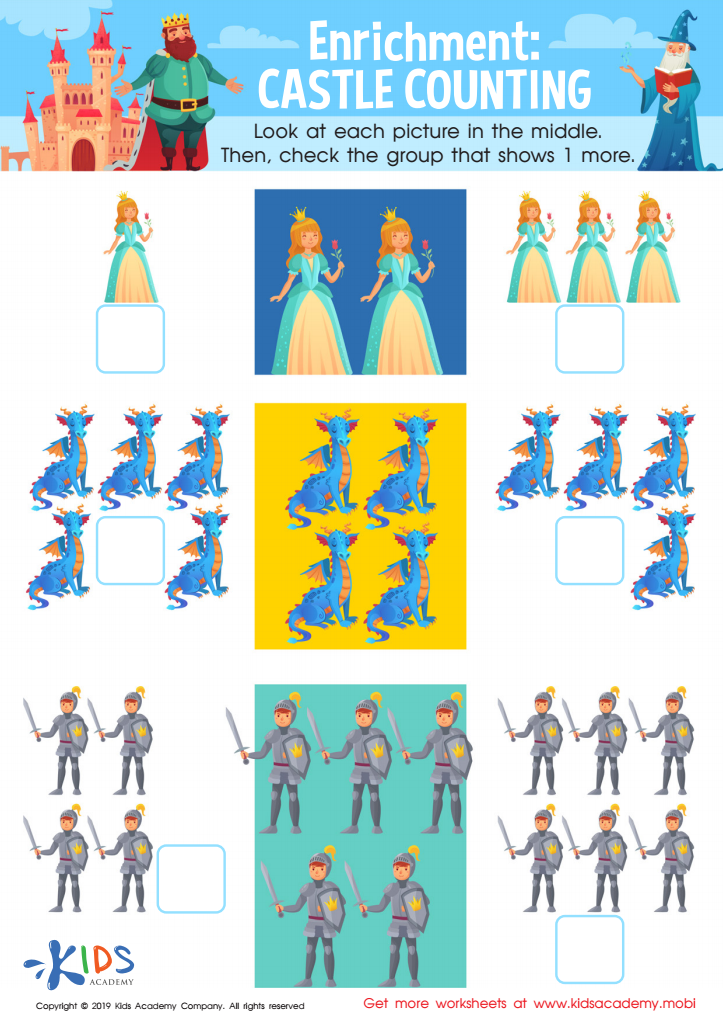
Enrichment: Castle Counting Worksheet








Visual perception is a crucial skill for children aged 3-8, serving as a foundation for their learning journey, particularly in mathematics. Parents and teachers should care about enhancing visual perception, as it directly impacts children's ability to recognize patterns, understand spatial relationships, and make mathematical connections. When children develop strong visual perception skills, they can more easily grasp concepts like shapes, numbers, and measurements, facilitating smoother progression in math.
Early math skills, tied closely to visual perception, help in building critical thinking, reasoning, and problem-solving abilities. Engaging activities that integrate visual perception within math—such as sorting shapes, identifying patterns, or puzzles—make learning fun and interactive. These activities not only sharpen visual recognition but also invite participation and collaboration among peers.
Moreover, fostering strong visual perception can highlight and bridge potential learning gaps. It aids in diagnosing subtle difficulties that children may face, ensuring timely interventions pave the way for more effective learning strategies. Ultimately, a solid foundation in visual perception allows young learners to approach math with confidence, equipping them with essential skills for their future academic endeavors and real-world applications. Parents and teachers play a pivotal role in nurturing this foundational aspect of learning, laying the groundwork for lifelong mathematical skills.








