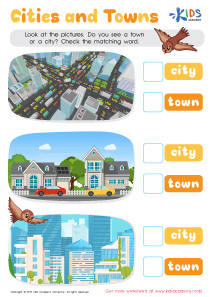
Sequencing Skills Easy Reading Worksheets for Ages 3-8
3 filtered results
-
From - To
Boost your child's reading proficiency with our Sequencing Skills Easy Reading Worksheets, designed specifically for ages 3-8! These engaging printables help young learners understand the vital concept of sequencing by arranging events or actions in logical order. Perfect for early readers, each worksheet builds critical thinking and comprehension skills in a fun, interactive way. Whether at home or in the classroom, these educational resources guide children to become confident, proficient readers. Start enhancing your child's reading journey today with Kid's Academy worksheets, where learning meets fun!
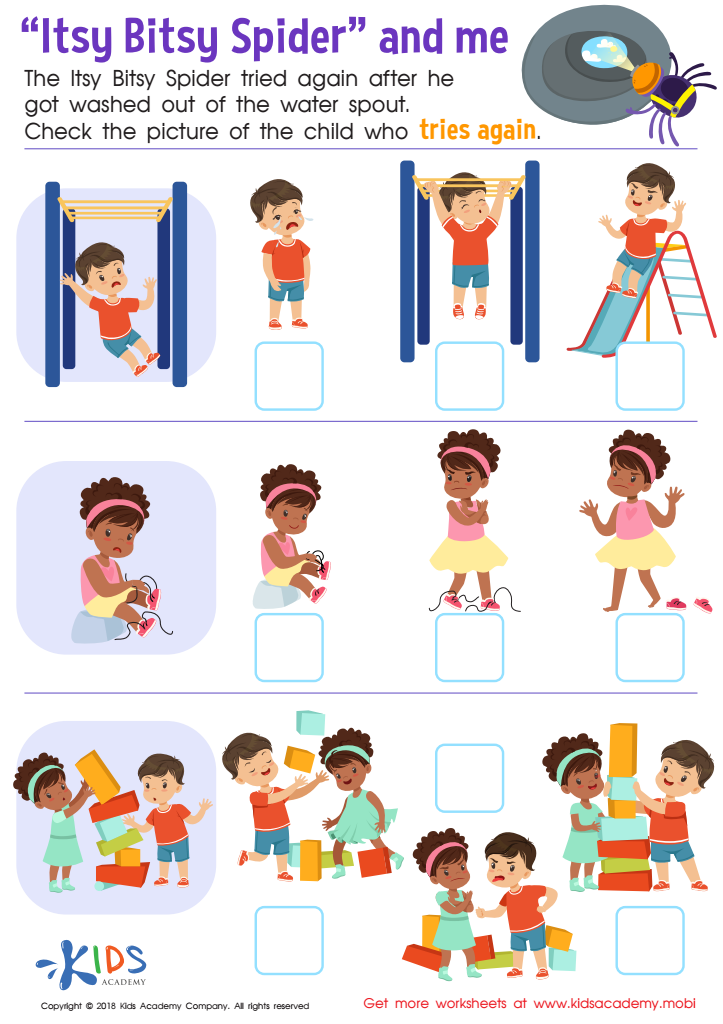
Itsy Bitsy Spider and Me Worksheet
 Assign to My Students
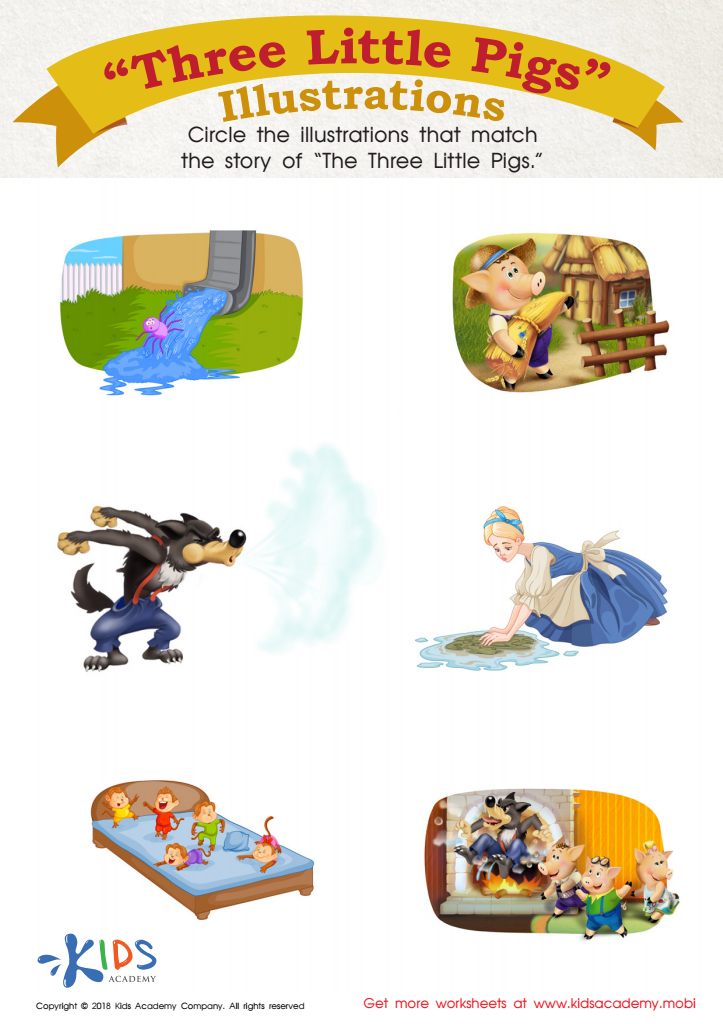
Three Little Pigs: Illustrations Worksheet
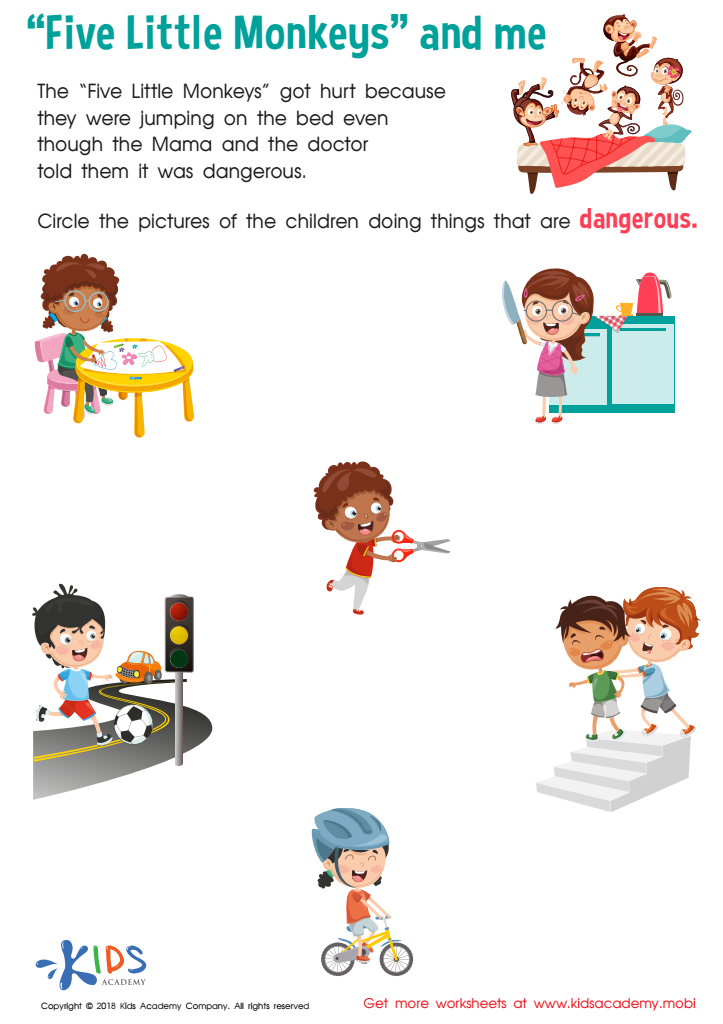
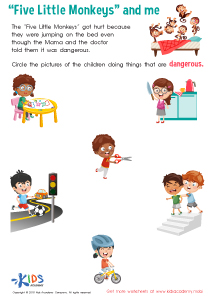
Five Little Monkeys and Me Worksheet








Sequencing skills are fundamental for young learners, as they help children understand the logical order of events and ideas, which is essential for both reading comprehension and overall cognitive development. When parents and teachers focus on nurturing these skills in children aged 3-8, they lay the groundwork for critical thinking, problem-solving, and effective communication.
Firstly, sequencing aids in reading comprehension. By understanding the beginning, middle, and end of a story, children can grasp the plot's progression and predict outcomes, enhancing their enjoyment and engagement with reading. This comprehension builds a strong foundation for more advanced literacy skills later on.
Secondly, sequencing is vital for cognitive development. Activities that involve ordering events—from sequencing daily routines to retelling stories—help children learn to organize their thoughts and actions logically. This ability to sequence extends beyond academics to practical life skills, improving their ability to plan and execute various tasks.
Lastly, focusing on sequencing can foster self-confidence and independence in young learners. When children can follow steps to complete activities or solve problems, they feel a sense of accomplishment and autonomy.
In summary, parents and teachers should prioritize sequencing skills to boost reading comprehension, cognitive development, and life skills, providing children with the tools they need to succeed both academically and personally.