Critical Thinking Easy Reading Comprehension Worksheets for Ages 3-8
9 filtered results
-
From - To
Enhance your child's critical thinking skills with our engaging and educational easy reading comprehension worksheets designed especially for kids aged 3-8. These carefully crafted worksheets not only build essential reading abilities but also promote analytical thinking by encouraging young learners to infer, predict, and draw conclusions from the text. Each worksheet is tailored to be age-appropriate, ensuring that the content is both challenging and enjoyable. With fun illustrations and interactive activities, our worksheets turn reading into an exciting adventure. Help your child develop a love for reading while boosting their critical thinking skills with Kids Academy's expertly designed resources.
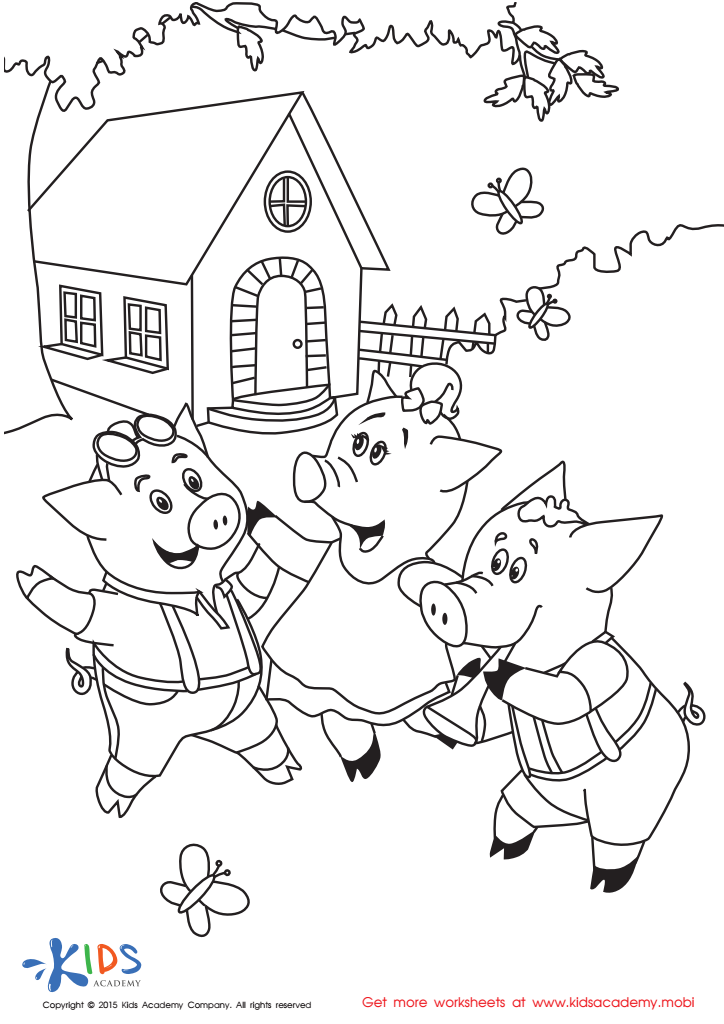
Folktales Printable PDF Worksheet: The 3 Little Pigs
 Assign to My Students
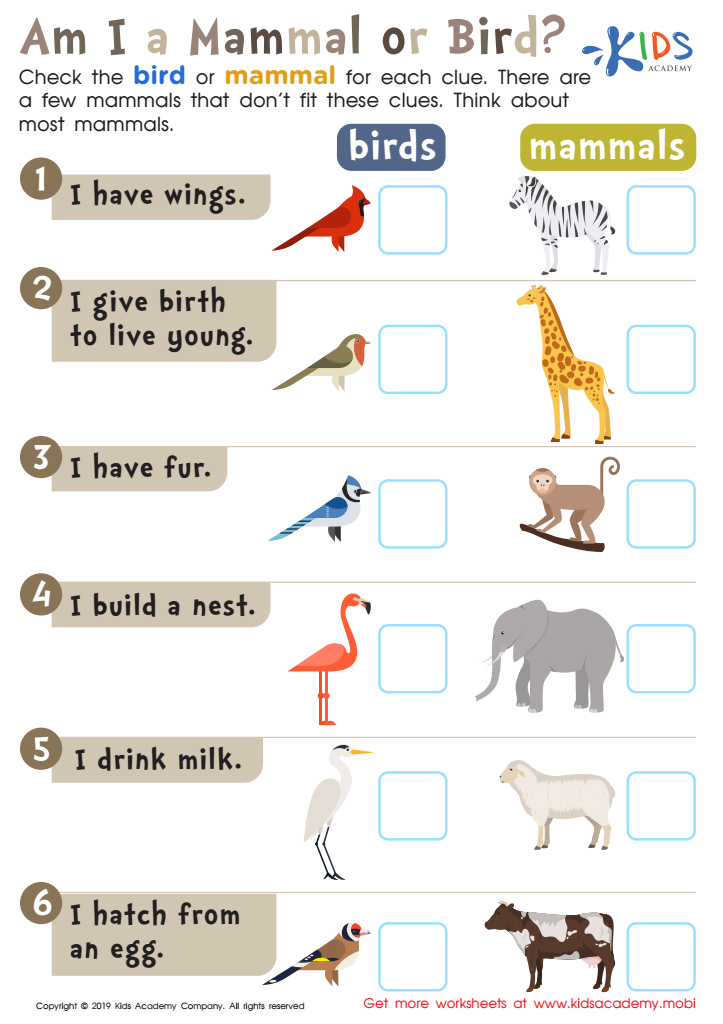
Am I a Mammal or Bird? Worksheet
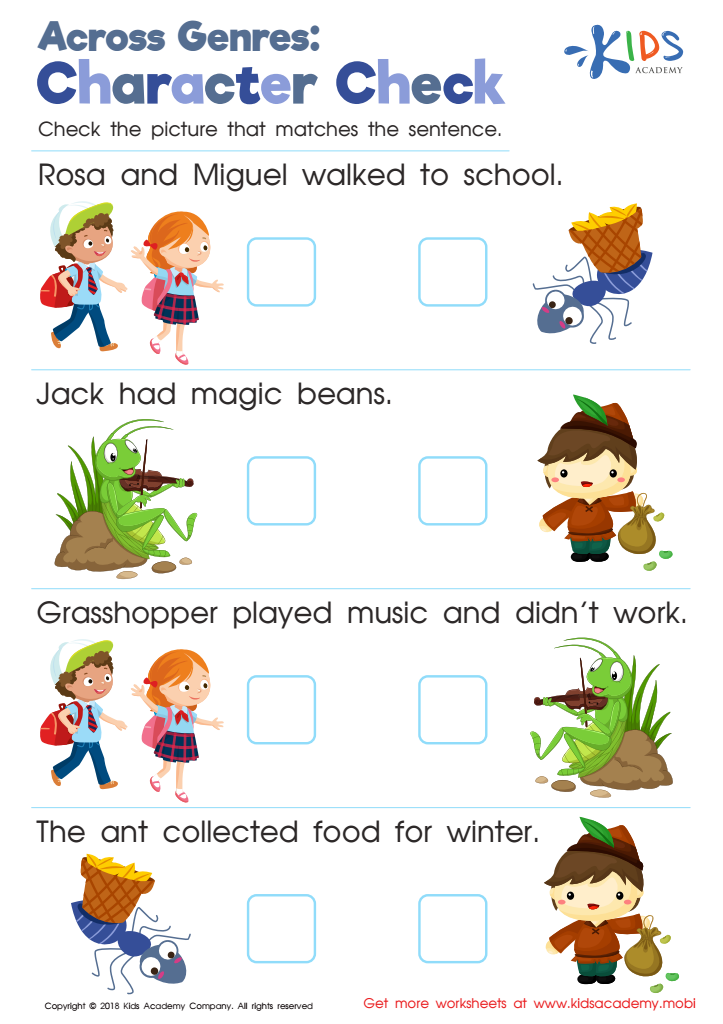
Across Genres: Character Check Worksheet
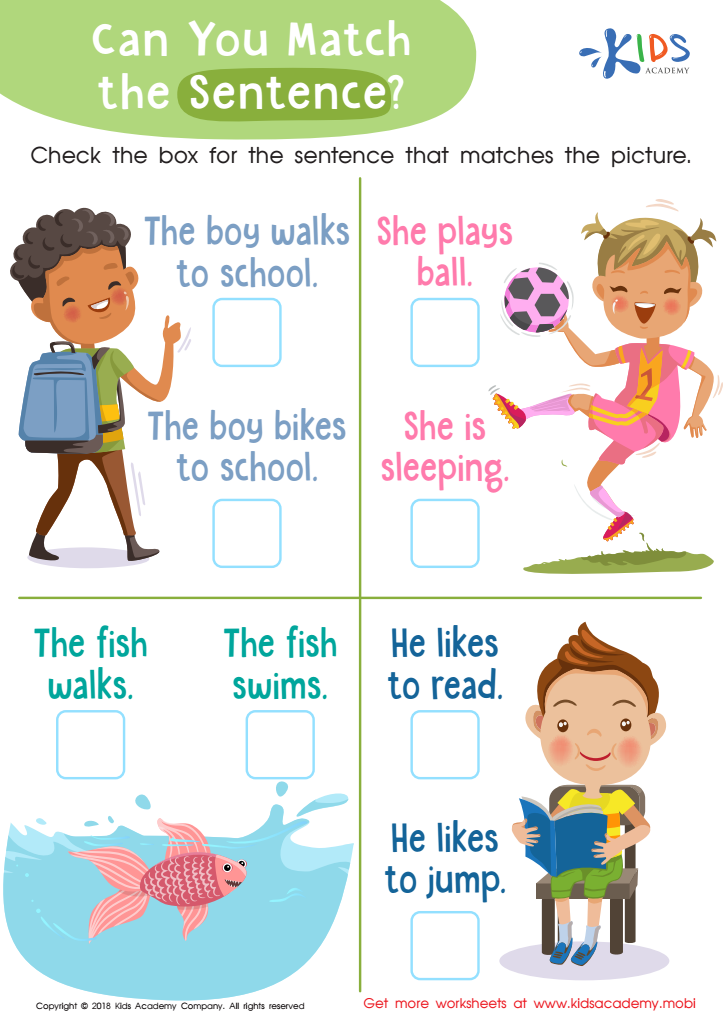
Can You Match the Sentence? Worksheet
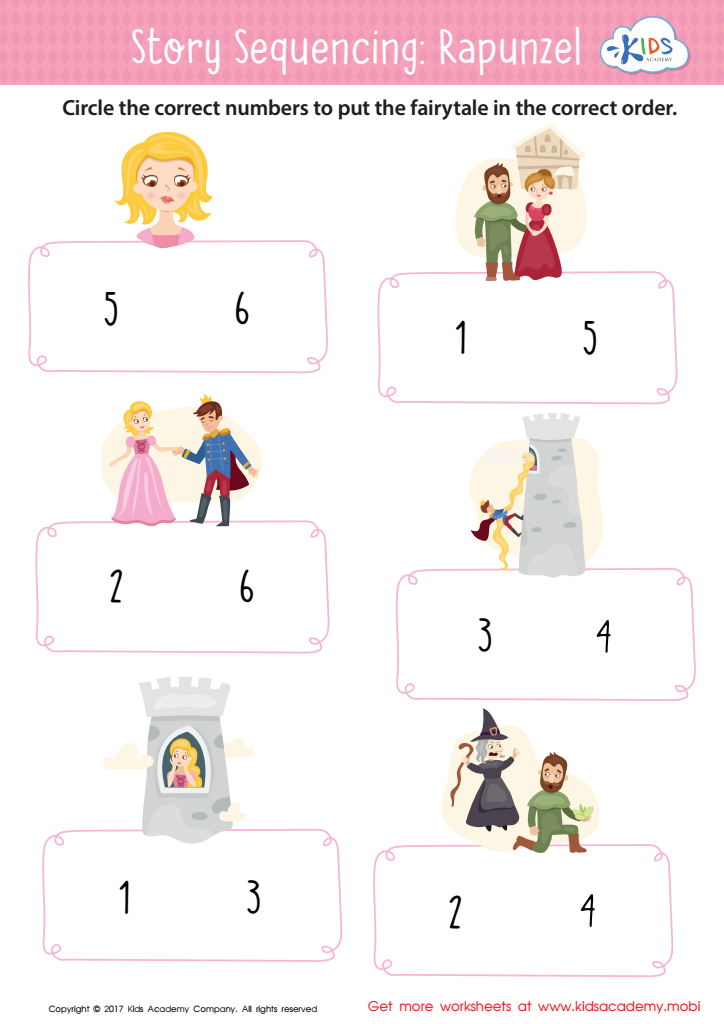
Rapunzel Story Sequencing Worksheet
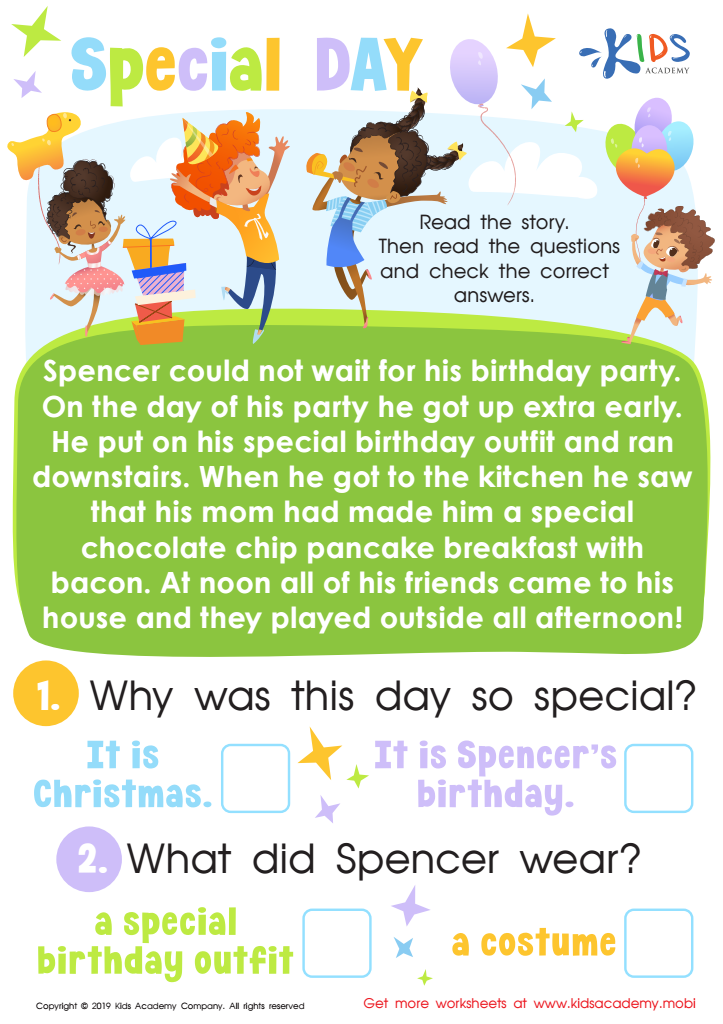
Special Day Worksheet

Questions About Stories: Assessment 1 Worksheet
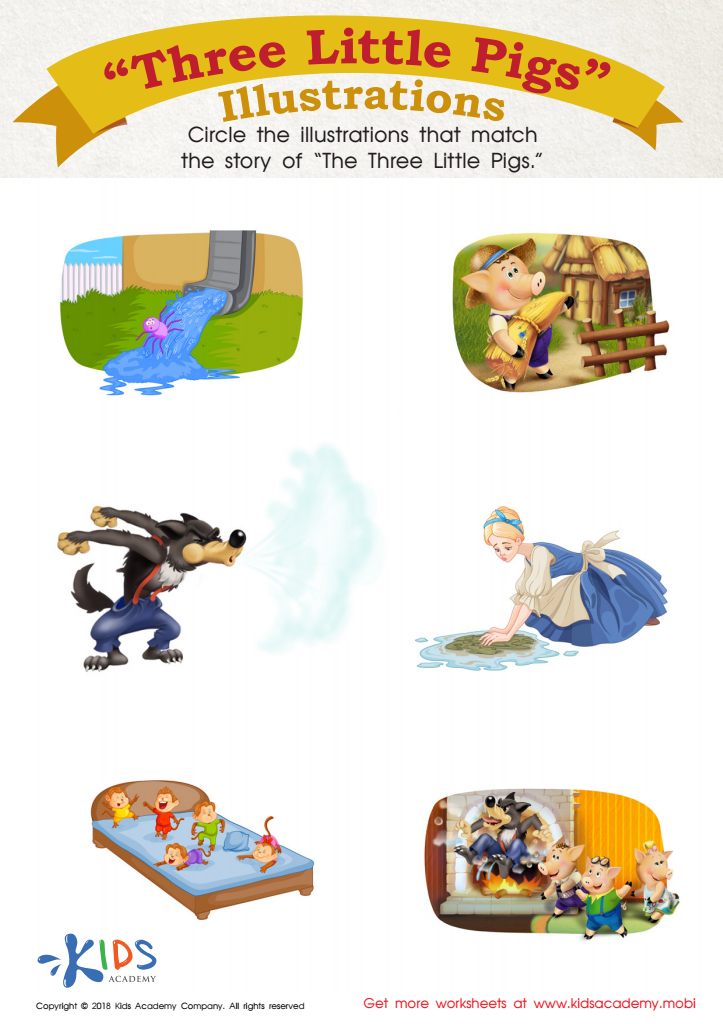
Three Little Pigs: Illustrations Worksheet
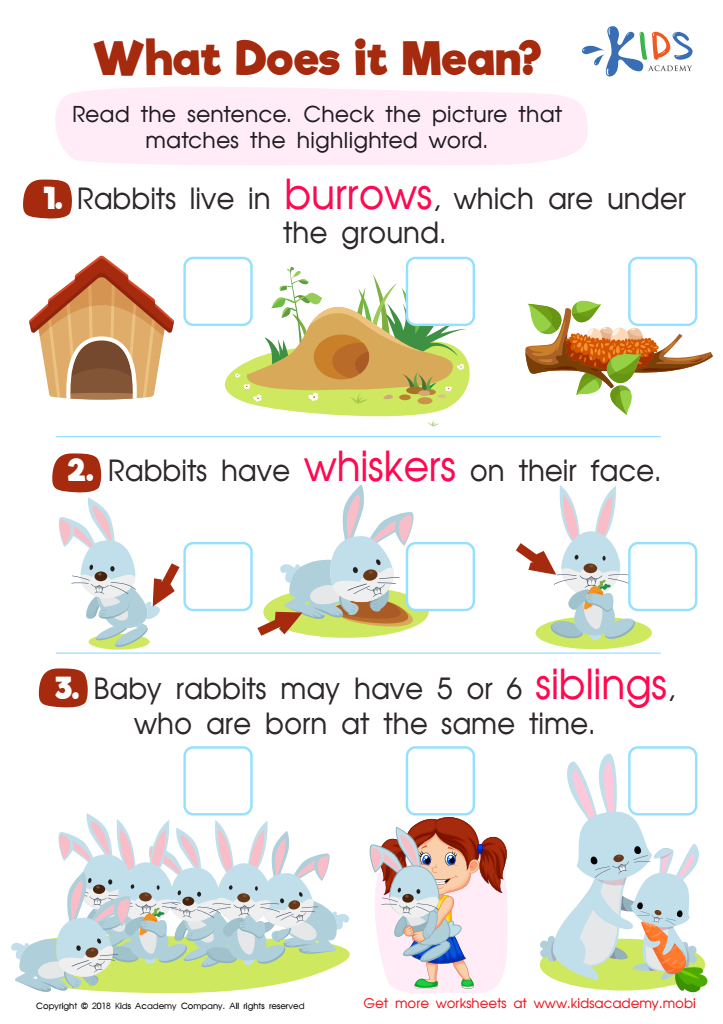
What Does It Mean? Worksheet





.jpg)


Critical thinking and reading comprehension skills form the foundation for a child’s academic and personal development, even at an early age. While it might seem advanced to emphasize these skills for children between ages 3-8, the formative years are a crucial time for cognitive development. These skills support a child's ability to understand and process information, solve problems, and make informed decisions.
First, critical thinking encourages children to question and reflect, fostering a deeper understanding of their surroundings. It lays the groundwork for innovative thought processes and effective problem-solving from a young age. For instance, when children read stories or encounter new information, they learn to analyze characters’ actions, understand cause-and-effect relationships, and make predictions.
Second, reading comprehension goes hand in hand with critical thinking. It enables children to extract meaning from text, recall and summarize information, and make connections to their own experiences. Strong comprehension skills are essential for later academic success, as they impact performance in all subject areas.
By integrating critical thinking and reading comprehension into early education, parents and teachers equip children with essential life skills. These skills foster independence, enhance creativity, and build the capacity to understand and navigate the world. Investing in these foundational abilities ensures children are not just passive recipients of information but active, curious learners.