Reading comprehension Easy Life Science Worksheets for Ages 3-8
3 filtered results
Difficulty Level
Grade
Age
-
From - To
Subject
Activity
Standards
Unleash your child’s potential with our Reading Comprehension Easy Life Science Worksheets for Ages 3-8! These specially designed worksheets combine engaging stories with age-appropriate science concepts to nurture curiosity while enhancing reading skills. Perfect for young learners, these activities foster a love for reading and introduce foundational life science topics in a fun, interactive way. Our collection caters to various reading levels, ensuring that each child can progress confidently. Stimulate your child's intellect and curiosity with worksheets that transform learning into an exciting adventure. Explore today and watch your little one thrive in both science and reading comprehension!
Favorites
With answer key
Interactive
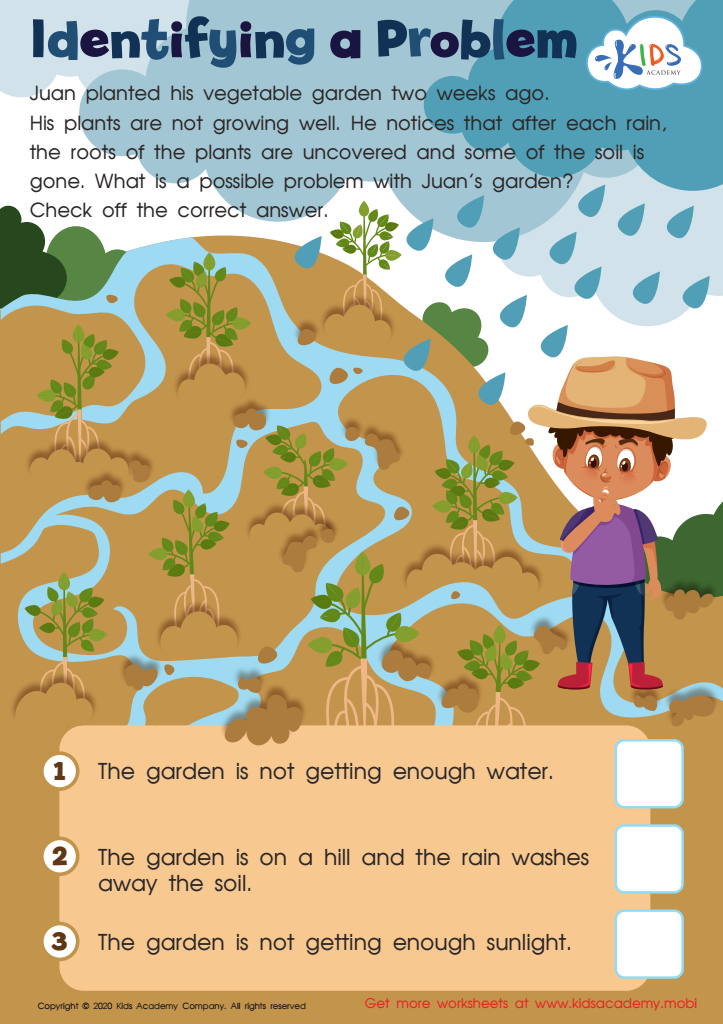
Identifying a Problem Worksheet
Help Juan figure out why his vegetable garden isn't doing well! Print this PDF science worksheet. Read the explanation and observe the scene. What could be causing the problem? Check off the correct answer to complete the challenge. Weather or soil conditions may be the cause – analyze to find out!
 Assign to My Students
Identifying a Problem Worksheet
Worksheet
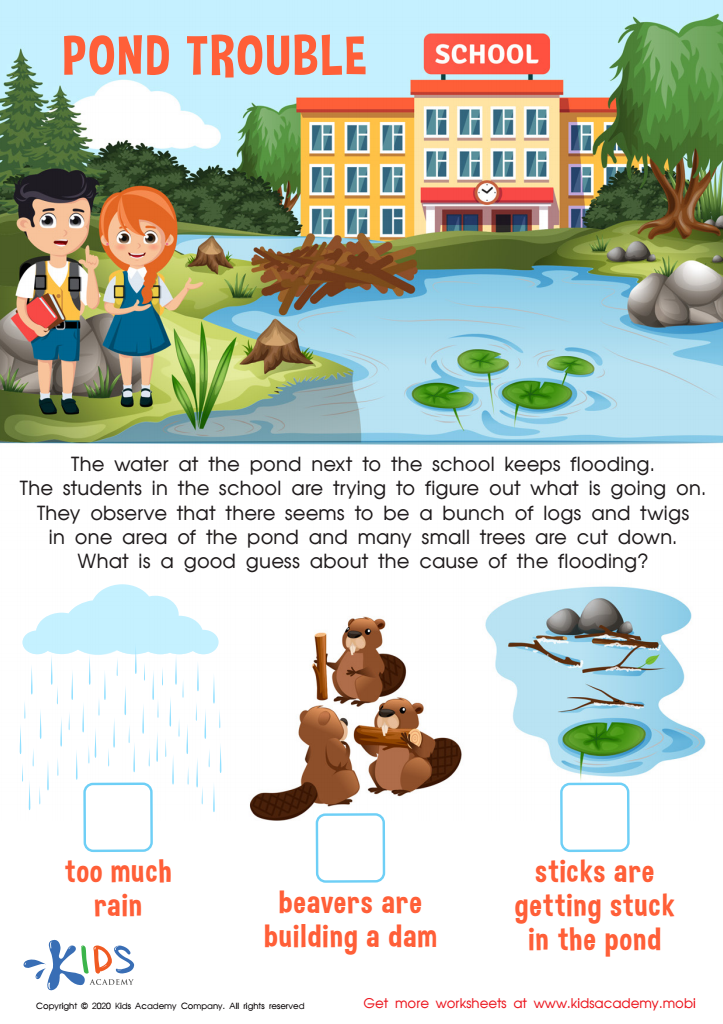
Pond Trouble Worksheet
This fun worksheet will get your child's brain buzzing! They must help the characters solve the mystery of a flooding pond by reading the explanation and carefully considering each answer choice. Encourage them to think deeply about the possible cause before picking the most likely one.
Pond Trouble Worksheet
Worksheet
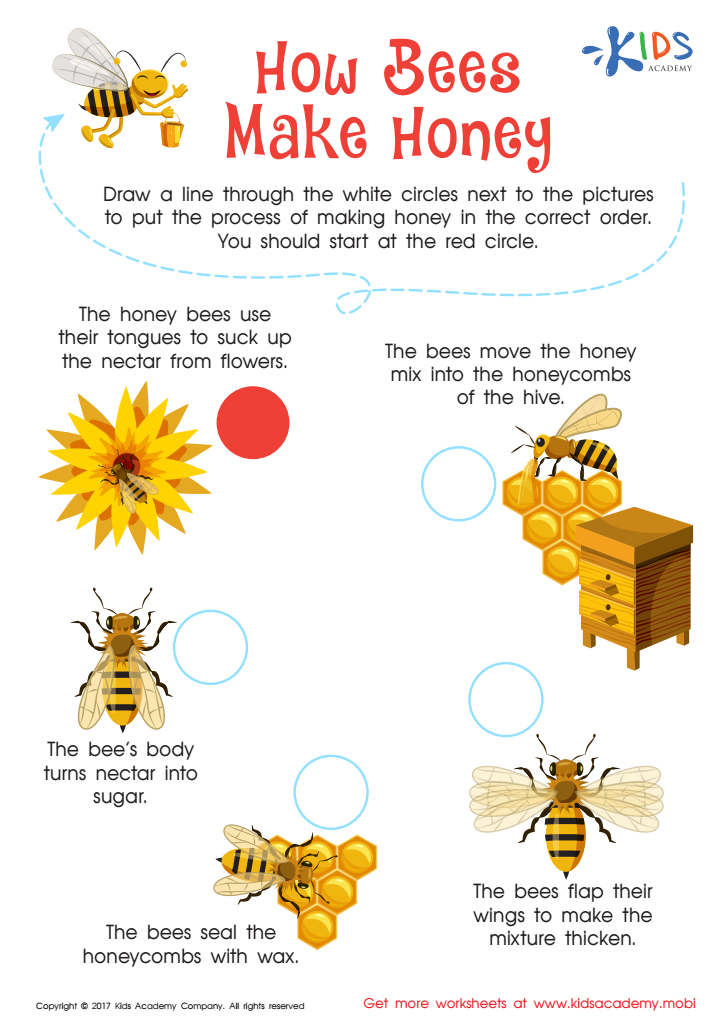
Honey Bee Worksheet
Kids learn about life science and the process of making honey with this sweet honeybee worksheet for 3rd grade. They identify the steps bees take and put the cycle in order, developing knowledge and appreciation for honeybees!
Honey Bee Worksheet
Worksheet
Join Kids Academy for Free
Who is primarily going to use this learning content?







Parents and teachers should prioritize reading comprehension in early life science topics for children aged 3-8 because it fosters a solid educational foundation and nurtures curiosity about the natural world. At this formative stage, engaging with simple science texts helps develop critical language and thinking skills. Comprehending what they read is vital for learning new concepts and for their overall academic success.
Additionally, understanding life science basics, such as plant growth, animal behavior, and human body functions, cultivates a sense of wonder and respect for nature. This early introduction can spark lifelong interest in science, encouraging children to ask questions, seek answers, and think critically—a skill set valuable in nearly every academic discipline and real-life situation.
Picture books and simple texts on life science topics often include vivid illustrations and relatable content that captivate young minds, making learning an enjoyable experience. This enthusiasm can lead to more profound investigation and learning as they grow.
Furthermore, early comprehension in science helps children make informed observations and decisions about health, environment, and daily life. Parents and teachers guiding this crucial development stage are setting the groundwork for curious, knowledgeable, and critical thinkers who are better prepared to navigate and contribute positively to the world around them.