Understanding life cycles Easy Plants and Animals Worksheets for Ages 3-8
3 filtered results
-
From - To
Discover our engaging "Understanding Life Cycles" worksheets designed specifically for children aged 3-8! These fun and easy-to-use resources help young learners explore the fascinating life cycles of plants and animals. Each worksheet features colorful illustrations and age-appropriate activities, enabling kids to grasp essential concepts while having fun. Topics include the growth stages of butterflies, frogs, and flowers, promoting essential scientific understanding from an early age. These printable worksheets are perfect for home or classroom use and cater to various learning styles, ensuring that every child can engage with and enjoy the wonders of life cycles. Start exploring today!
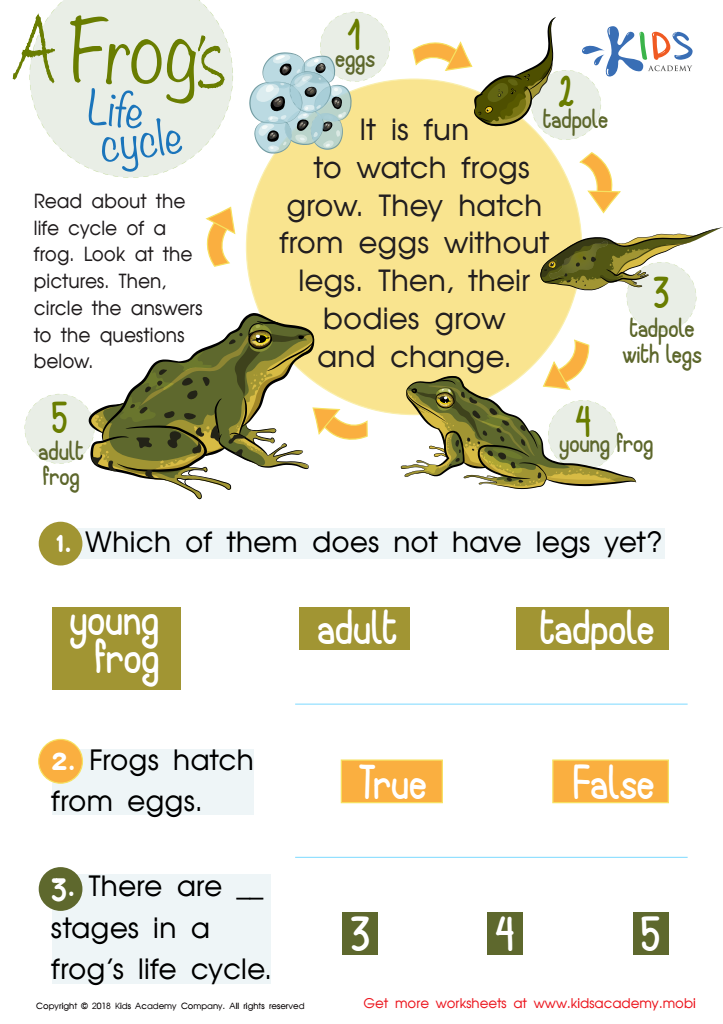
A Frog’s Life Cycle Worksheet
 Assign to My Students


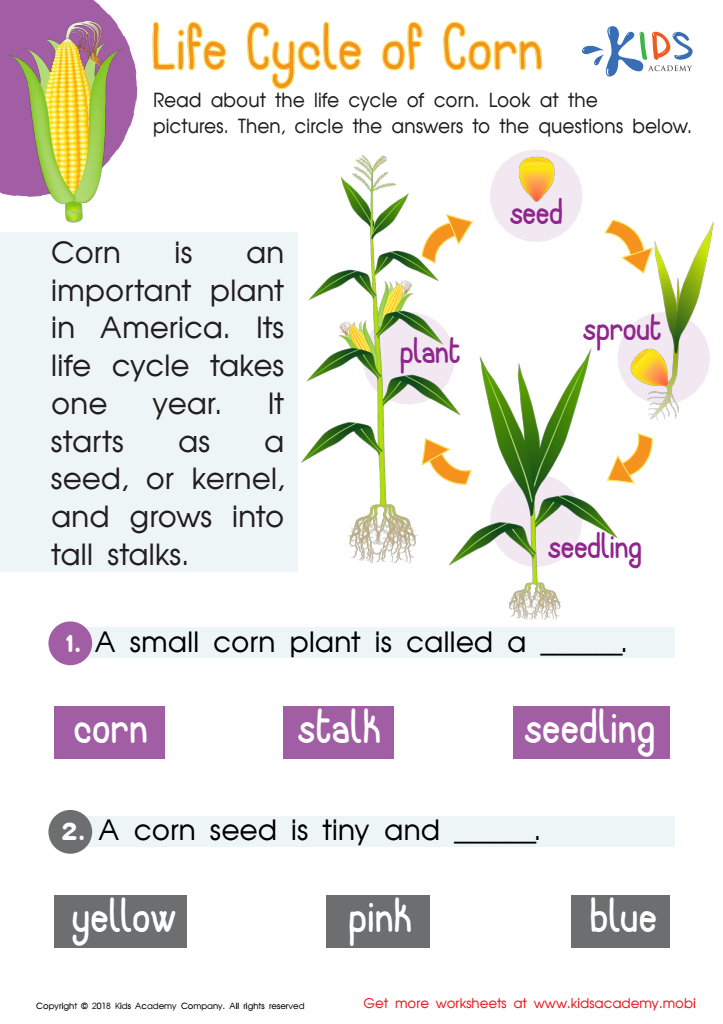
Life Cycle of Corn Worksheet
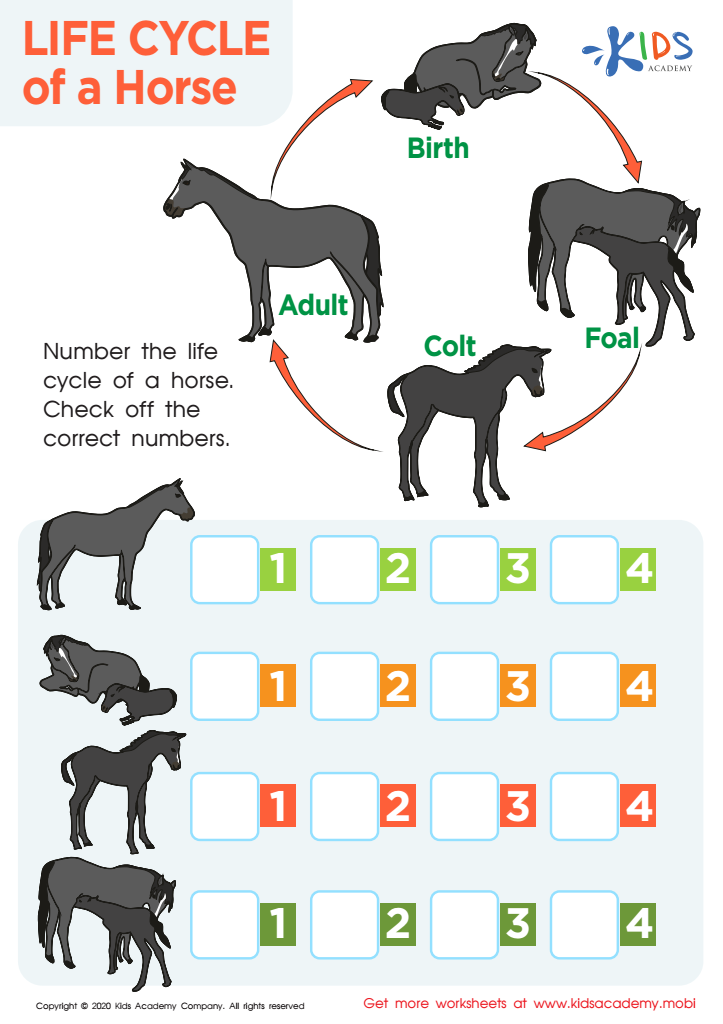
Life Cycle of a Horse Worksheet





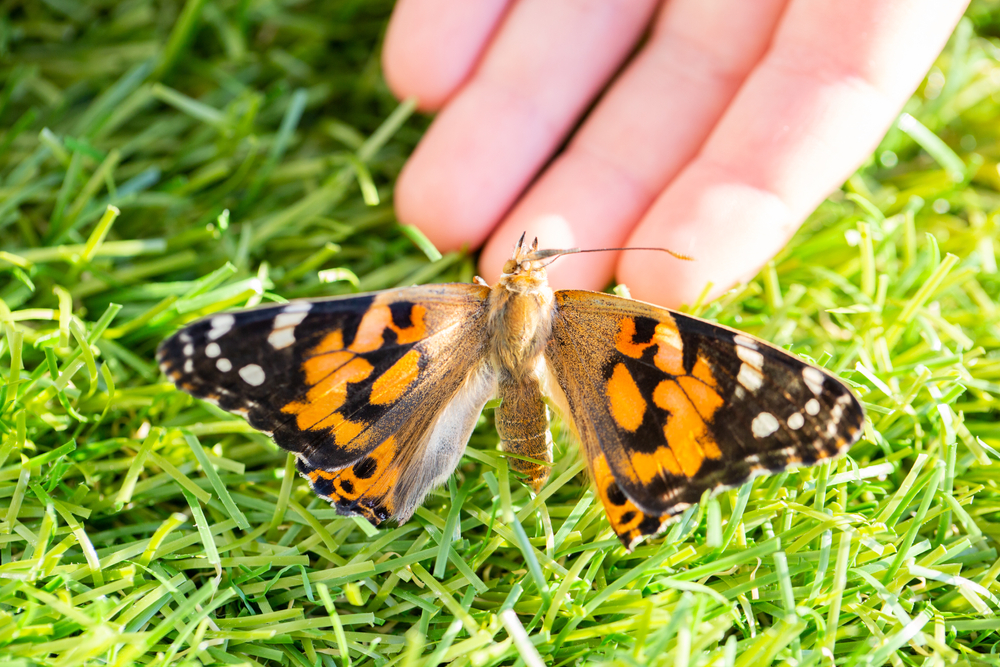

Understanding life cycles of easy plants and animals is essential for parents and teachers of children aged 3-8, as it lays a crucial foundation for many aspects of learning and personal development. First, it fosters an appreciation for nature, helping children recognize the interconnectedness of living things. By exploring life cycles, children learn about growth, change, and the vital roles organisms play in ecosystems, nurturing their curiosity about the environment.
Additionally, marking the stages of life cycles introduces fundamental scientific concepts, enhancing critical thinking and observation skills. Children can engage in hands-on activities like planting seeds or observing caterpillars transform into butterflies, making learning tangible and memorable. Such experiences promote not only cognitive growth but also emotional connections, as children develop empathy and respect for living creatures.
Moreover, understanding life cycles can support social and emotional development. Witnessing the resilience and adaptability in nature can teach valuable life lessons about perseverance, patience, and the importance of nurturing growth—qualities essential for a child’s emotional well-being. Ultimately, investing time in understanding life cycles promotes holistic education, encouraging a love of learning and appreciation for the world around them, which are vital for a child's lifelong development.