Categorization skills Easy Worksheets for Ages 3-9
6 filtered results
-
From - To
Discover our "Categorization Skills Easy Worksheets for Ages 3-9" at Kids Academy, designed to boost your child's sorting and organizational abilities. These engaging worksheets help young learners identify and group similar items, fostering critical thinking and early problem-solving skills. Perfect for preschool and elementary-age children, our easy-to-follow activities promote cognitive development in a fun and interactive way. From simple matching exercises to complex categorization tasks, each worksheet is tailored to keep your child challenged and motivated. Visit our website to empower your child with essential categorization skills today!
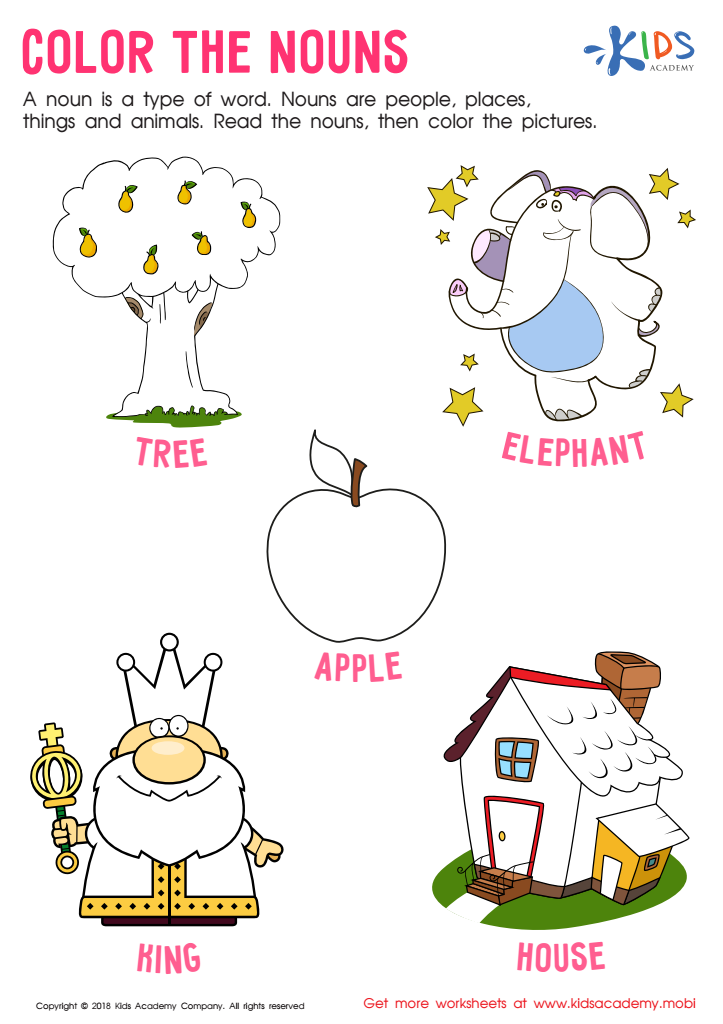
Color the Nouns Worksheet
 Assign to My Students
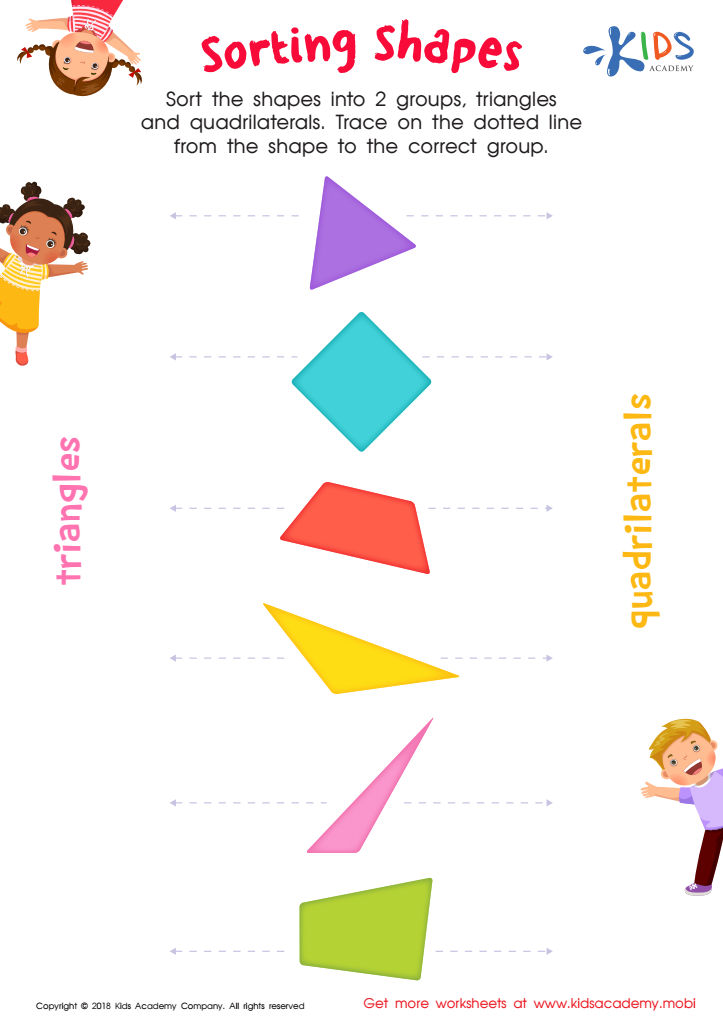
Sorting Shapes Worksheet
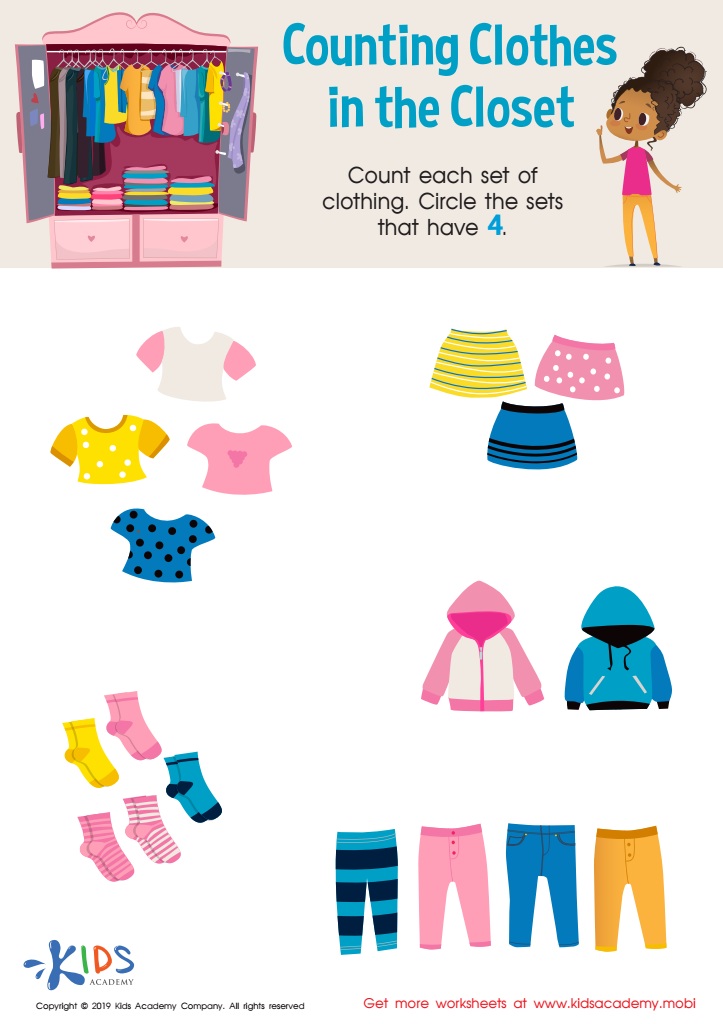
Counting Clothes Worksheet
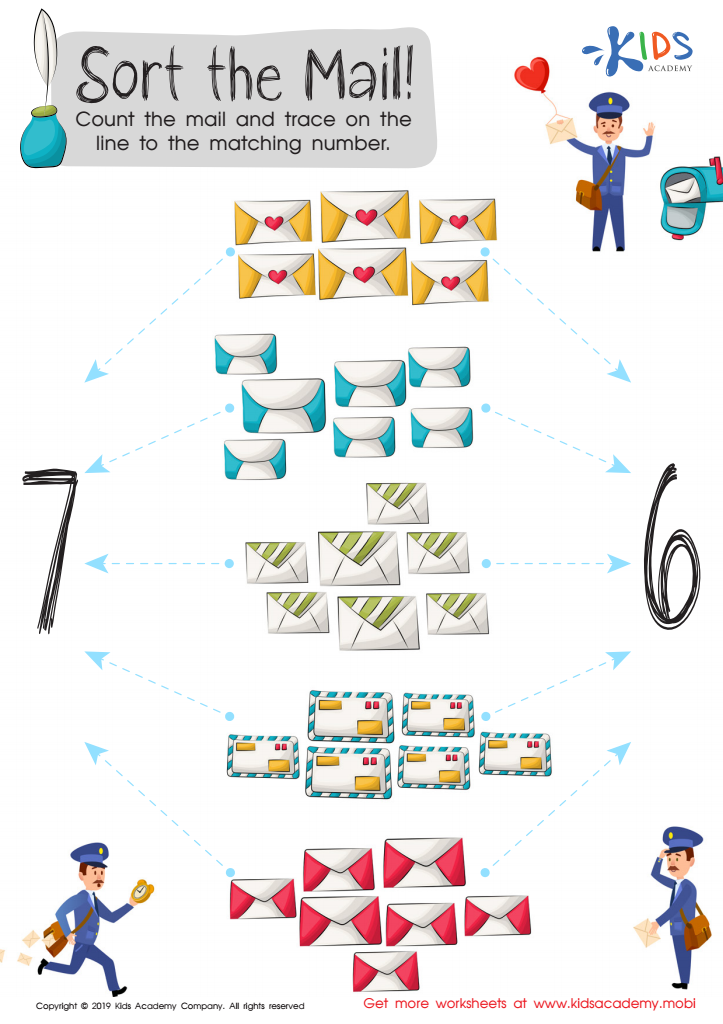
Sort the Mail Worksheet
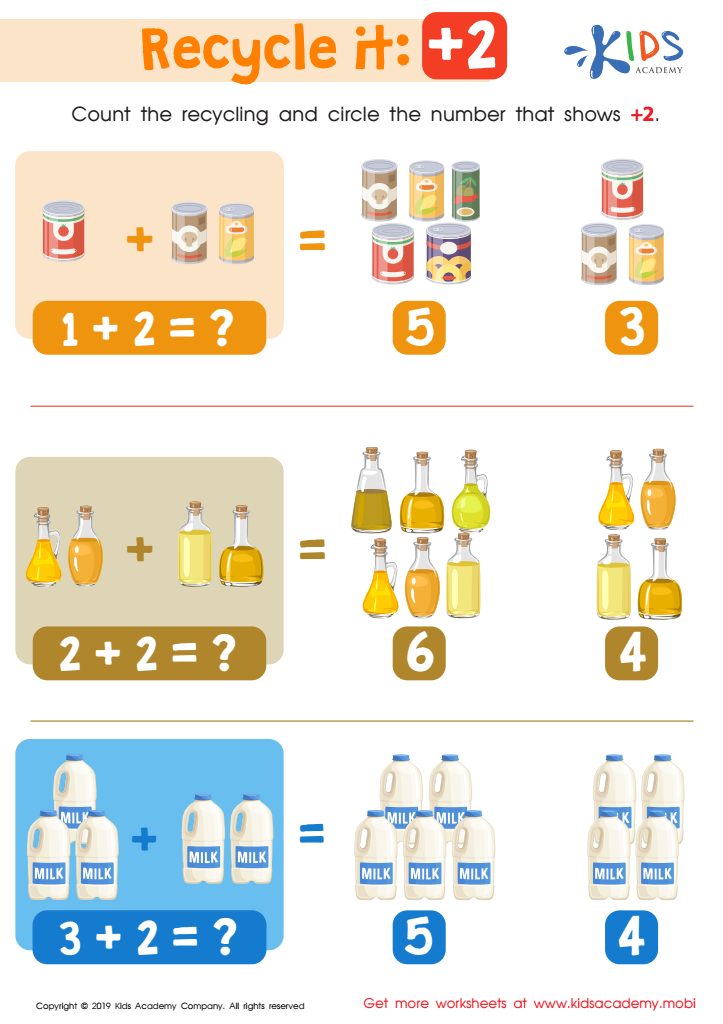
Recycle It: +2 Worksheet
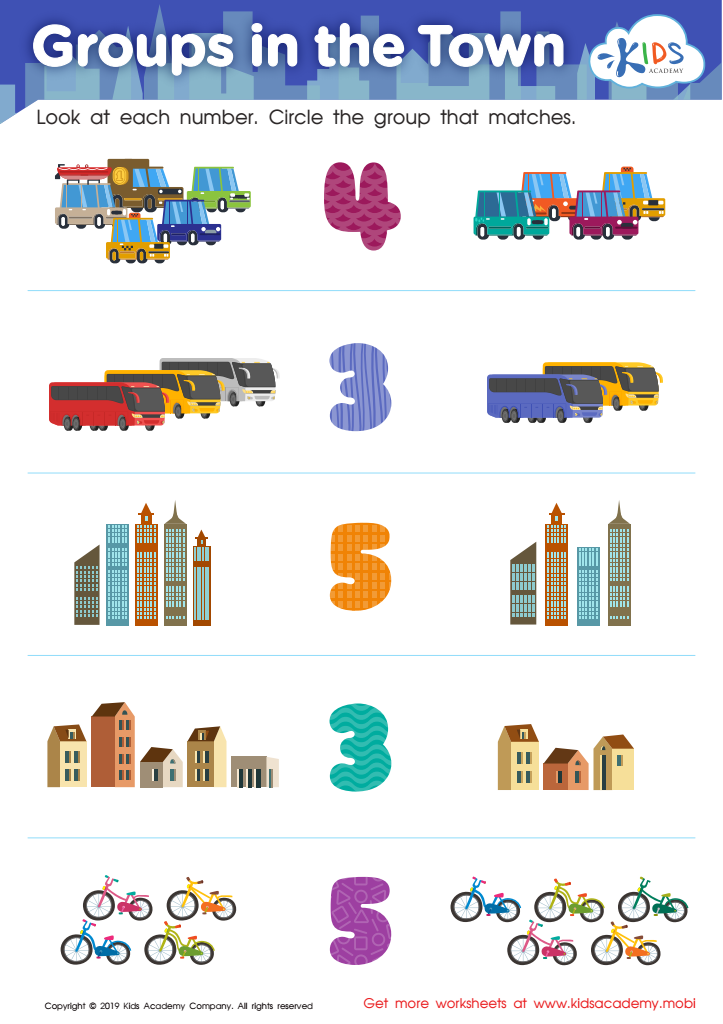
Groups in the Town Worksheet


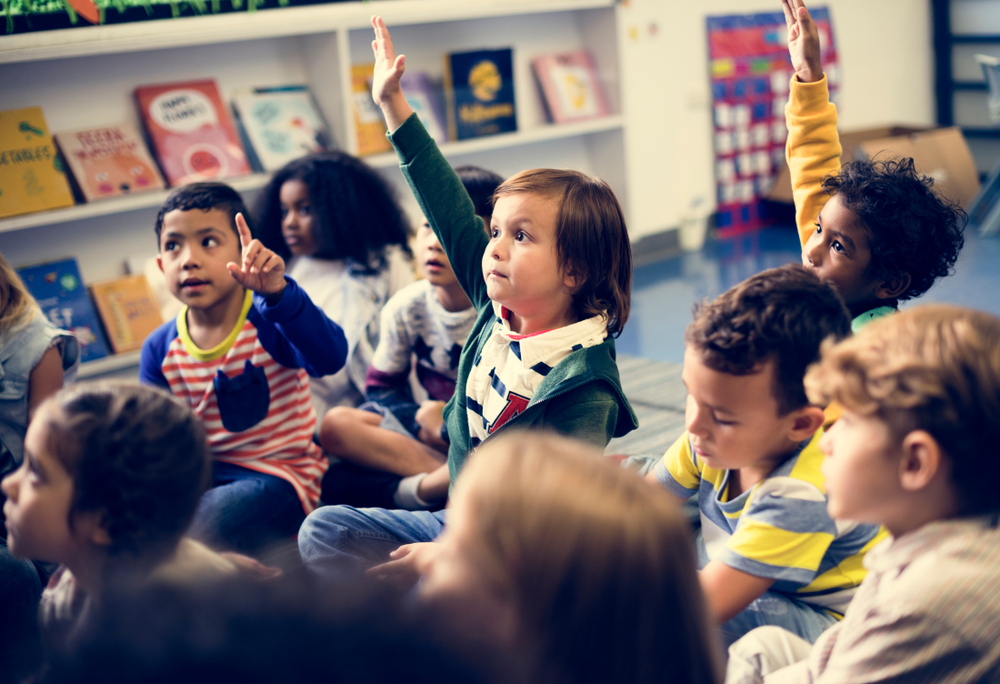




Categorization skills are fundamental cognitive abilities that enable children ages 3-9 to make sense of the world around them by grouping objects, ideas, or information into categories based on shared characteristics. Parents and teachers should invest in nurturing these skills for several compelling reasons.
Firstly, categorization is a cornerstone of logical thinking and problem-solving. When children can categorize objects and ideas, they can better understand relationships and hierarchies, which are essential for higher-order thinking. For instance, sorting food items into groups like fruits, vegetables, and grains helps kids grasp nutritional concepts.
Secondly, categorization skills are intricately tied to language development. By grouping similar items, children expand their vocabulary and improve their ability to describe objects and their functions. This enhanced linguistic ability directly supports reading and comprehension skills.
Furthermore, categorization aids memory and information retention. When kids can organize information into categories, they find it easier to recall facts and details, which is crucial for academic success across subjects.
Finally, strong categorization skills foster independence. Children who can effectively organize and classify their belongings tend to develop better organizational habits and time management skills, which benefit them both academically and personally.
By focusing on categorization skills, parents and teachers can provide a strong foundation for a child's cognitive, linguistic, and organizational development, setting them up for long-term success.








