Reading practice Easy Worksheets for Ages 3-9
4 filtered results
-
From - To
Boost your child’s reading skills with our fun and engaging Reading Practice Easy Worksheets for Ages 3-9. Designed by educational experts, these printable worksheets are packed with simple activities to develop essential reading abilities. Perfect for young learners, they include age-appropriate exercises that promote phonics, word recognition, and early reading comprehension. With colorful illustrations and interactive tasks, these worksheets make reading practice both enjoyable and effective. Ideal for at-home learning or classroom use, they provide parents and teachers with valuable tools to support kids' reading journeys. Start today and watch your child’s confidence soar!
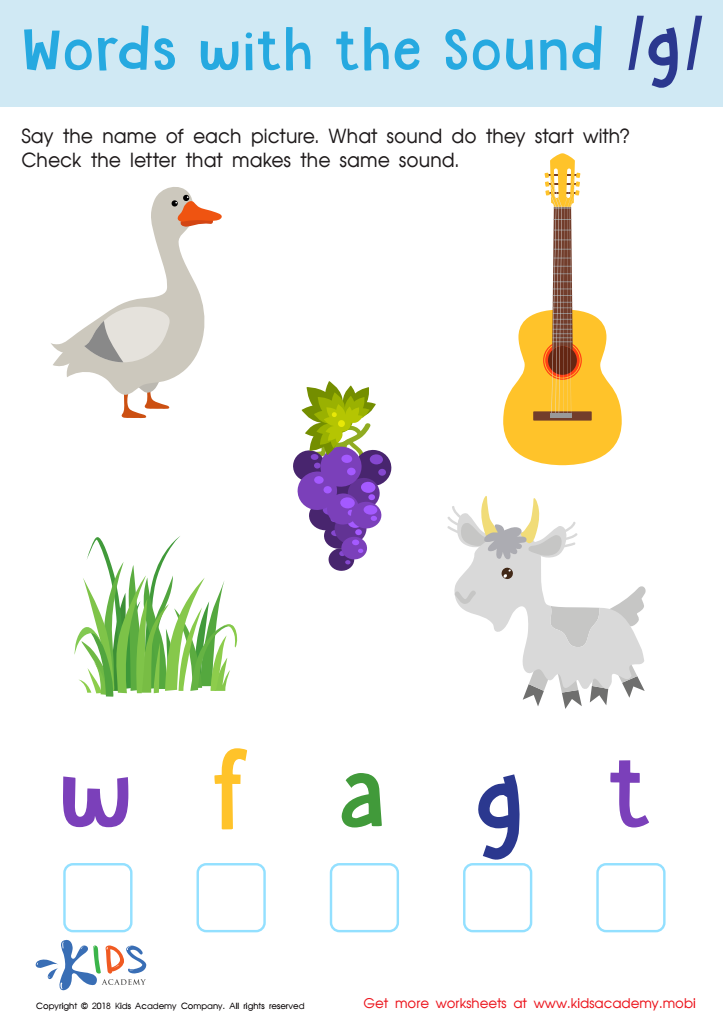
Words with sound g Reading Worksheet

Boy and Girl Words Coloring Worksheet
 Assign to My Students

Nursery Rhymes: Twinkle Little Star Worksheet
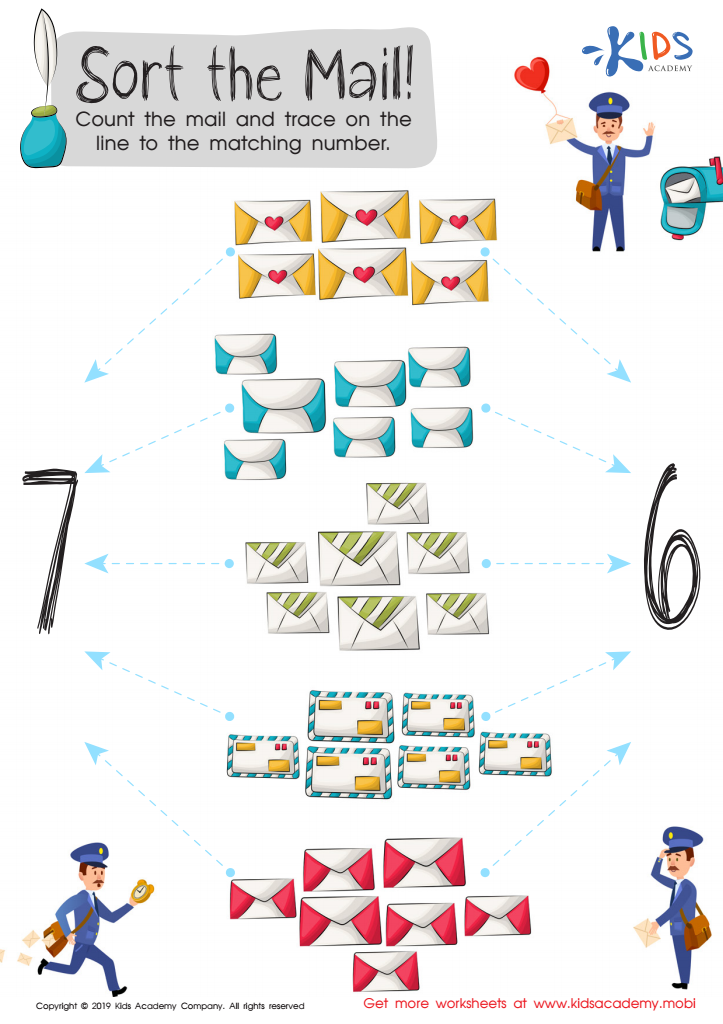
Sort the Mail Worksheet







Reading practice for children aged 3-9 is crucial for their overall development and future success. At this age, children's brains are highly receptive to learning new skills, and reading is a fundamental one that paves the way for academic achievement and lifelong learning.
Firstly, reading enhances vocabulary and language skills. As children encounter new words and sentence structures, they become better equipped to express themselves clearly and understand others. This is essential for effective communication both inside and outside the classroom.
Secondly, reading fosters cognitive development, improving focus, concentration, and critical thinking abilities. It encourages curiosity and imagination, allowing children to explore diverse worlds and concepts that expand their horizons beyond immediate experiences.
Thirdly, regular reading practice strengthens social and emotional skills. Through stories, children learn about different cultures, emotions, and relationships, helping them develop empathy and social understanding. They grasp moral lessons and recognize the consequences of various actions, promoting emotional intelligence and ethical behavior.
For parents and teachers, ensuring children engage in enjoyable and appropriate reading activities builds a strong foundation for academic performance. Children who read regularly are more likely to excel in all subjects as literacy skills are interconnected with other areas of learning.
In essence, nurturing a love for reading in early childhood is investing in children's future, equipping them with essential skills that benefit all aspects of their life. It is an investment in their holistic growth, intellectual achievements, and emotional resilience.








