Easy Numbers 11–20 Worksheets for Ages 3-9
9 filtered results
-
From - To
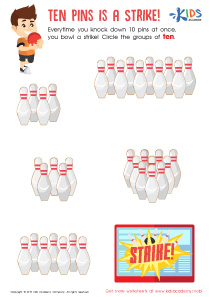
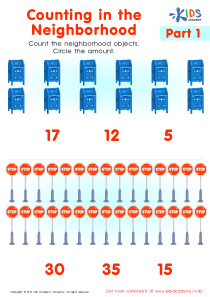
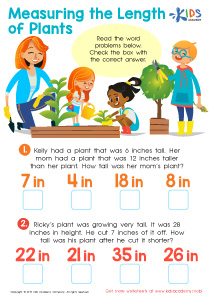
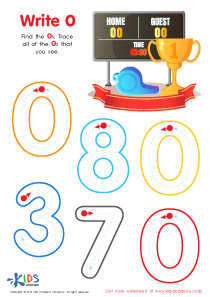
Discover our engaging "Easy Numbers 11–20 Worksheets" designed specifically for children aged 3-9. These resources offer a fun and interactive way for young learners to master numbers 11 through 20. Perfect for home or classroom use, our worksheets include a variety of activities such as counting, matching, and number tracing that cater to different learning styles. With colorful illustrations and simple instructions, your child will enhance their numerical understanding while enjoying the learning process. Empower their mathematical journey with these easy-to-use printables, making number learning an exciting adventure! Explore our extensive collection now to inspire your budding mathematicians!
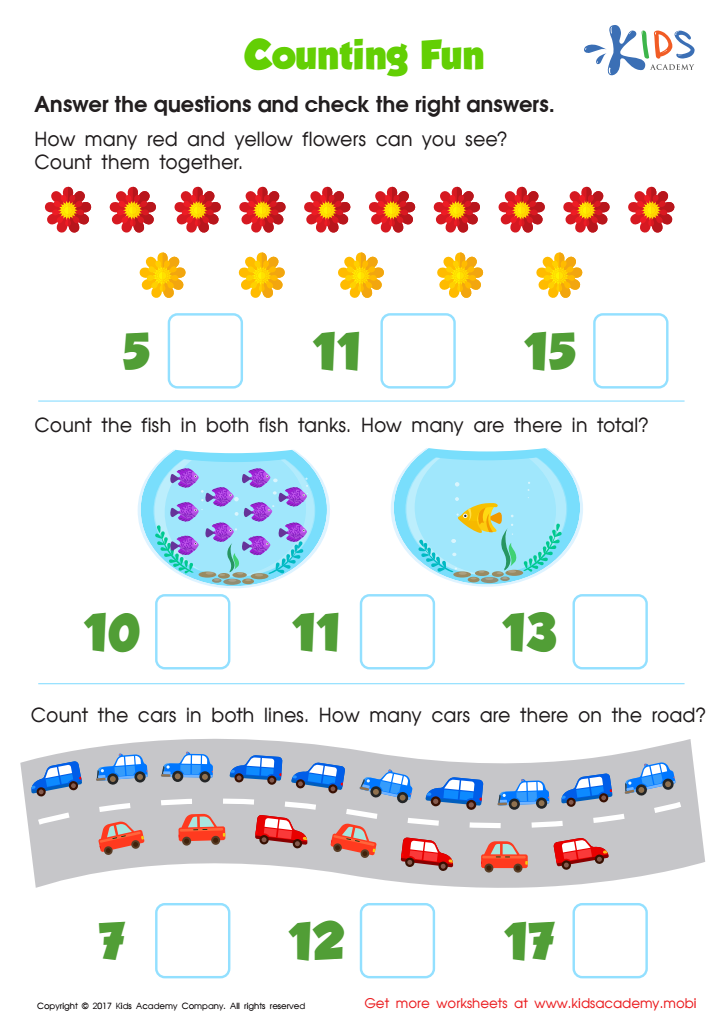
Counting Fun Worksheet
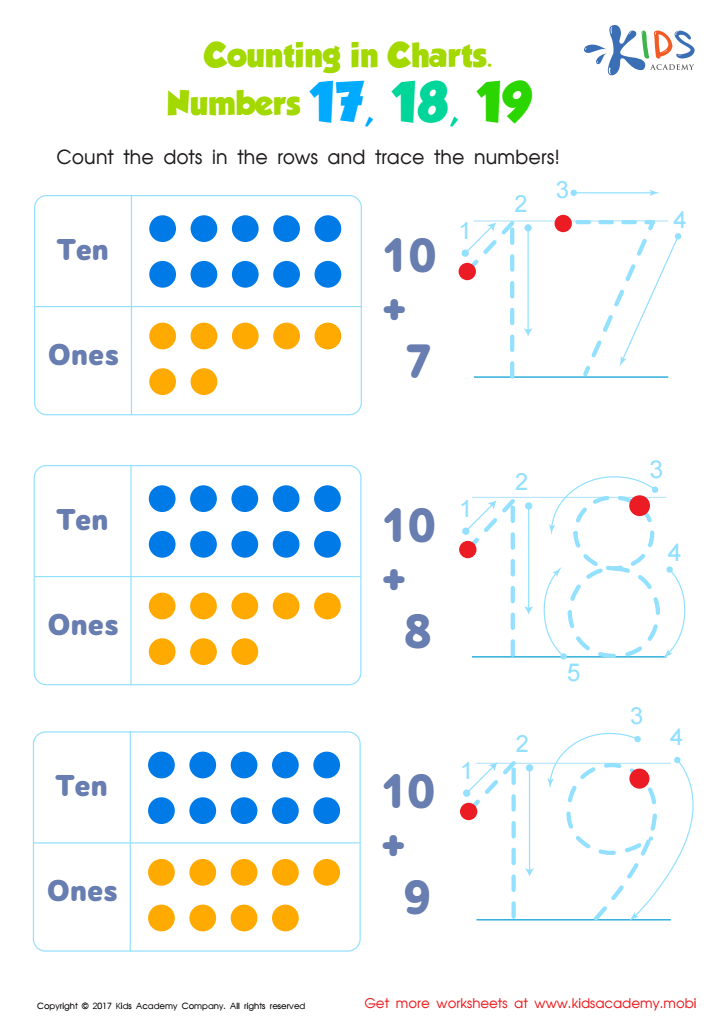
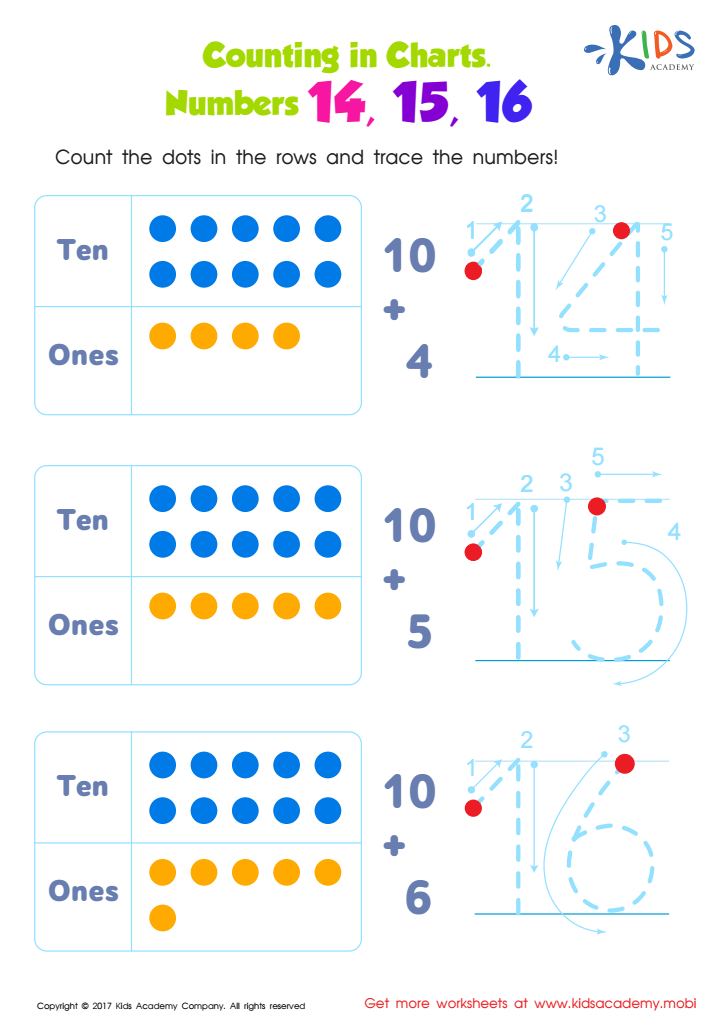
Kindergarten Number Tracing: Counting in Charts Worksheet
Color the Nouns Worksheet
 Assign to My Students
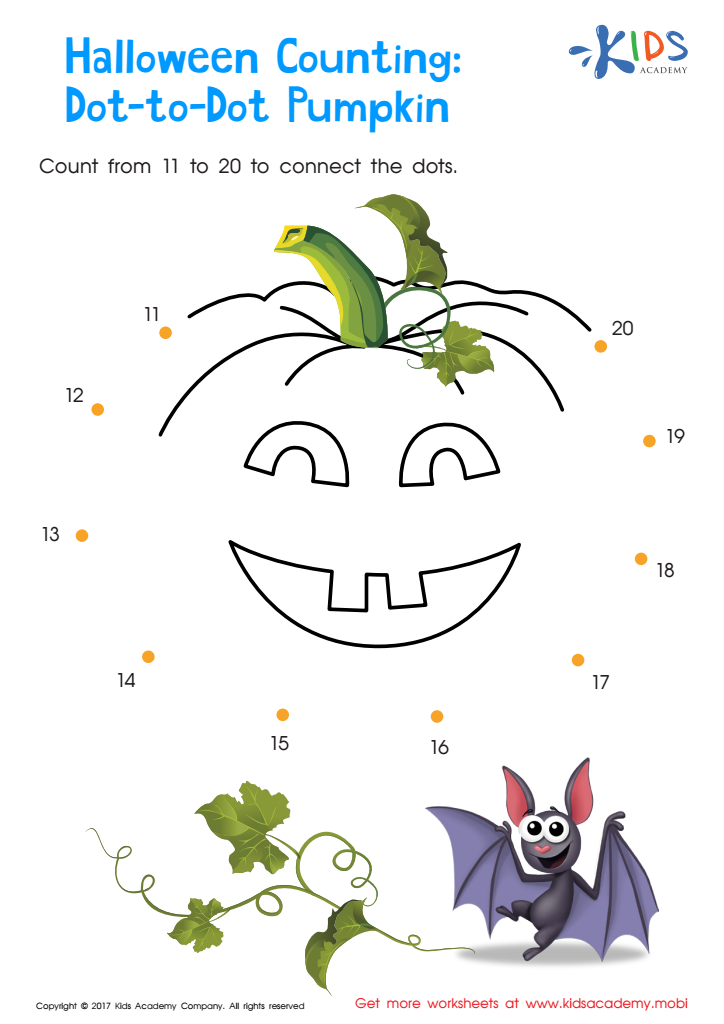
Ordering 11–20: Halloween Counting Worksheet
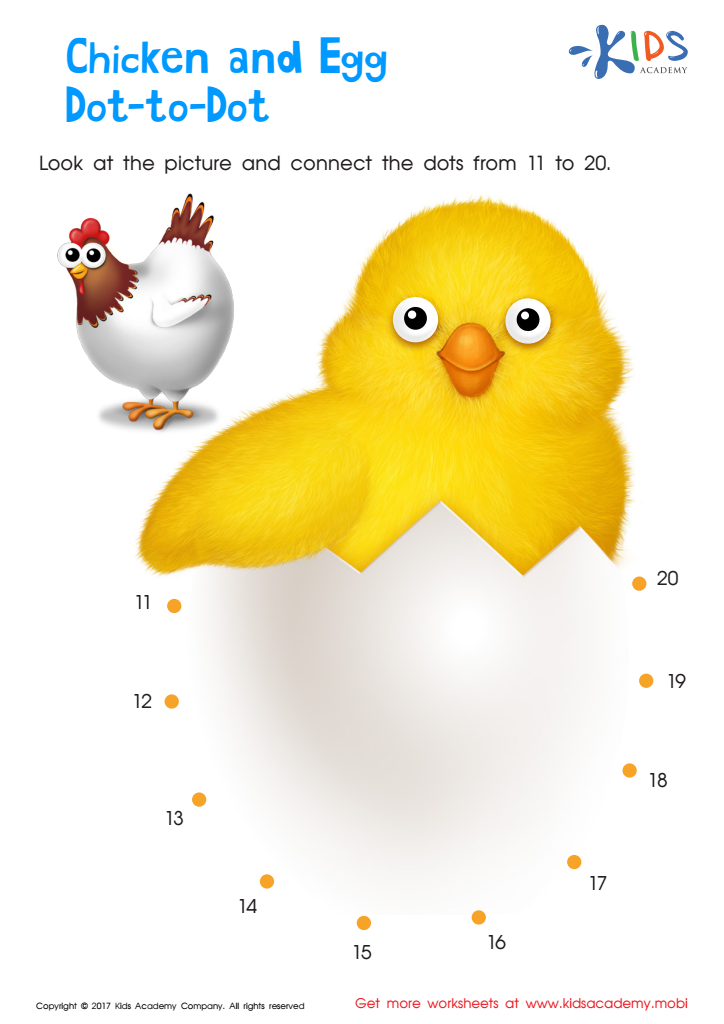
Ordering 11–20: Chicken & Egg Dot–to–dot Worksheet
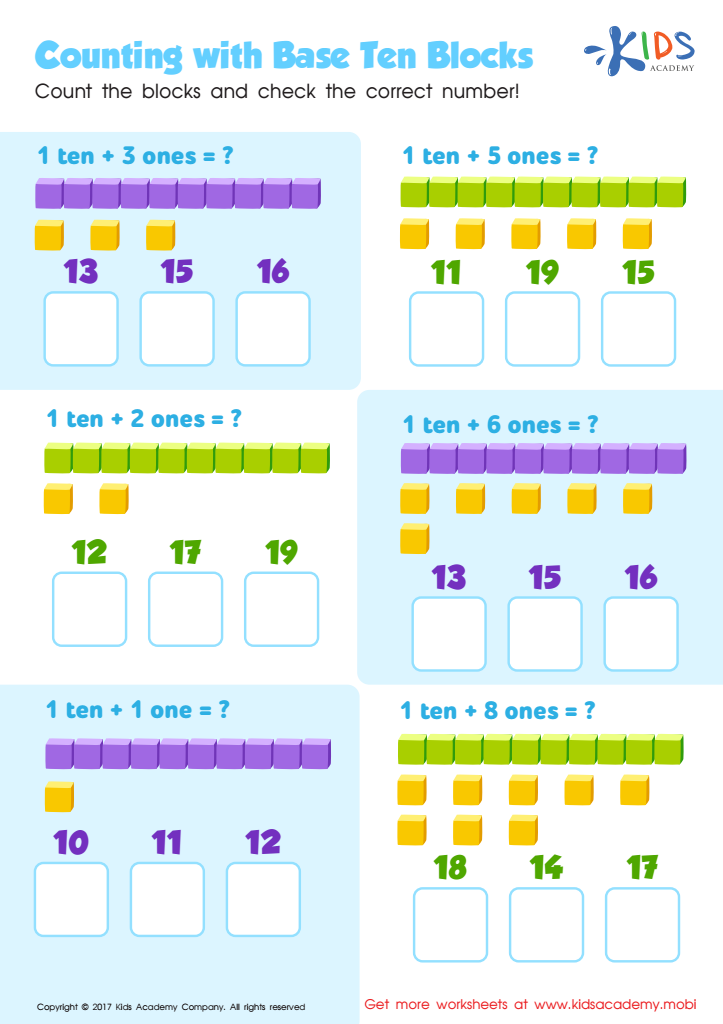
Counting with Base Ten Blocks Worksheet
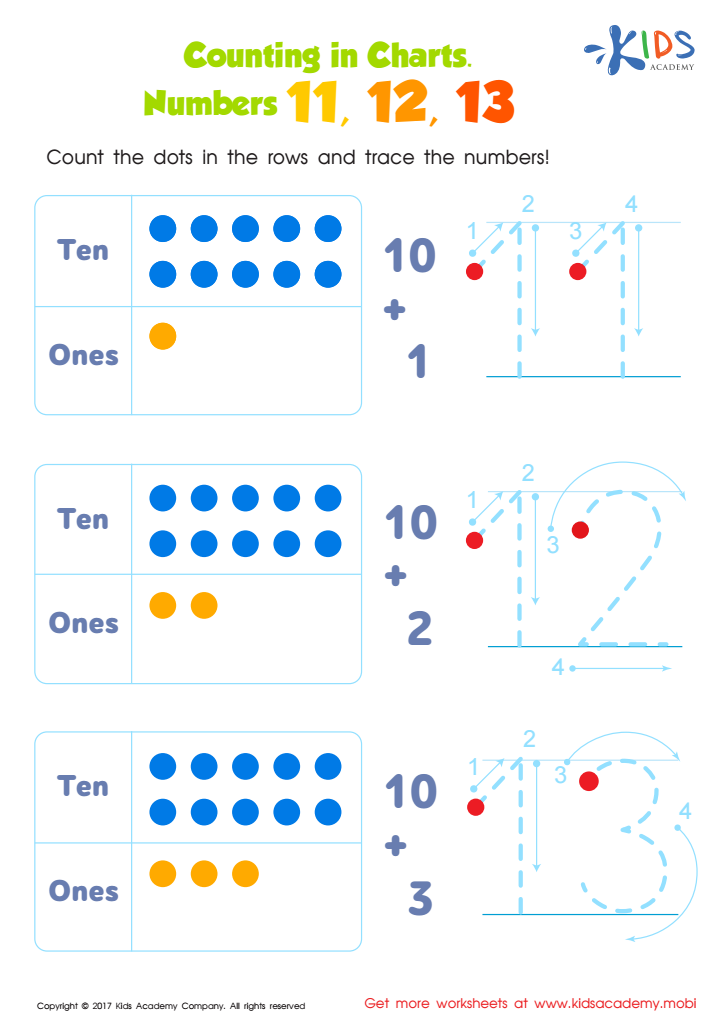
Number Tracing Worksheet For Kindergarten
Number Tracing Worksheet
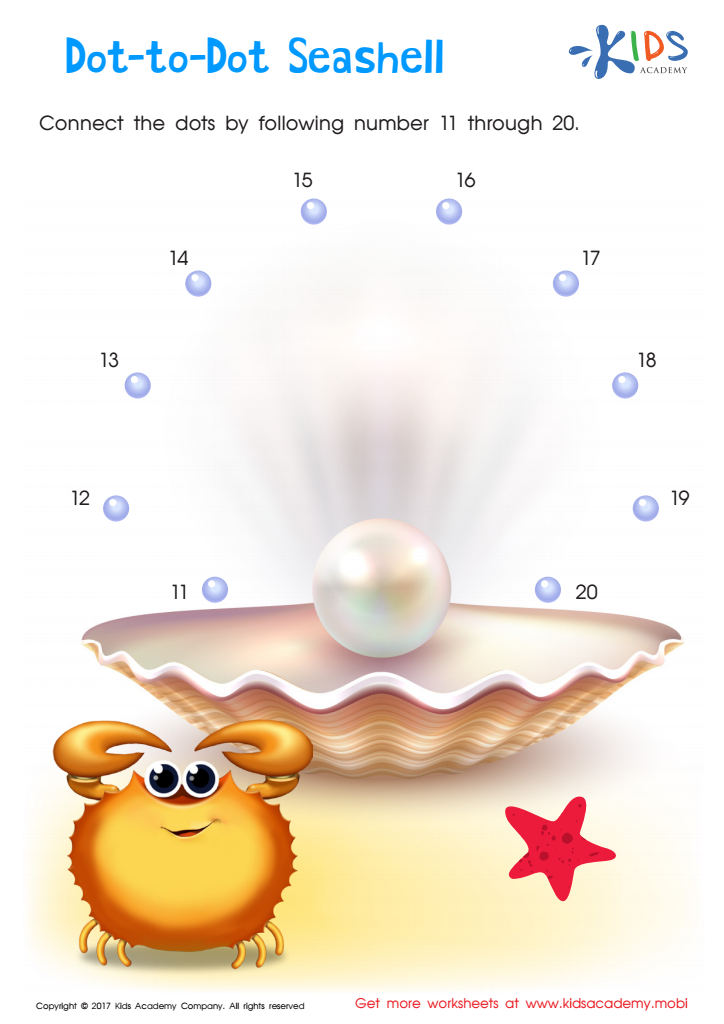
Ordering 11–20: Dot–to–dot Seashell Printable



Parents and teachers should prioritize teaching Easy Numbers 11–20 to children ages 3-9 because this foundational knowledge substantially supports early mathematical understanding. Mastering numbers in this range helps develop numeracy skills essential for grasping basic concepts, such as addition and subtraction. At this age, children are in a critical developmental stage where they are forming cognitive frameworks for understanding more complex mathematical processes.
Fostering number recognition and comprehension from 11 to 20 engages their curiosity and cognitive abilities, setting the stage for problem-solving skills they will utilize throughout their education. Familiarity with these numbers also aids in enhancing counting skills and understanding the concept of one-to-one correspondence, which builds confidence in their mathematical abilities.
Moreover, learning these numbers through playful activities and engaging lessons can strengthen parent-child and teacher-student connections, making learning interactive and enjoyable. Incorporating games, art, and storytelling while exploring these numbers encourages a love for math, reducing the likelihood of math anxiety in the future. By focusing on 11–20, parents and teachers empower children to develop a strong mathematical foundation that will benefit not only their academic performance but also their everyday life skills. Ultimately, investing time in this area of learning fosters well-rounded, numerically literate individuals.