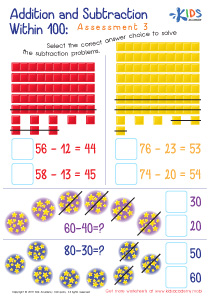
Hand-eye Coordination Easy Tracing Numbers Worksheets for Ages 3-9
3 filtered results
Difficulty Level
Grade
Age
-
From - To
Subject
Activity
Standards
Discover our "Hand-eye Coordination Easy Tracing Numbers Worksheets for Ages 3-9"! Designed to make number learning fun and interactive, these worksheets help young learners develop essential hand-eye coordination skills while tracing numbers. Perfect for children ages 3 to 9, our engaging activities build a strong mathematical foundation through playful exercises. Each worksheet is crafted to boost fine motor skills, improve concentration, and enhance number recognition. Suitable for home or classroom use, these tools simplify the teaching process and foster a love for learning. Download now to support your child's early educational journey.
Favorites
With answer key
Interactive
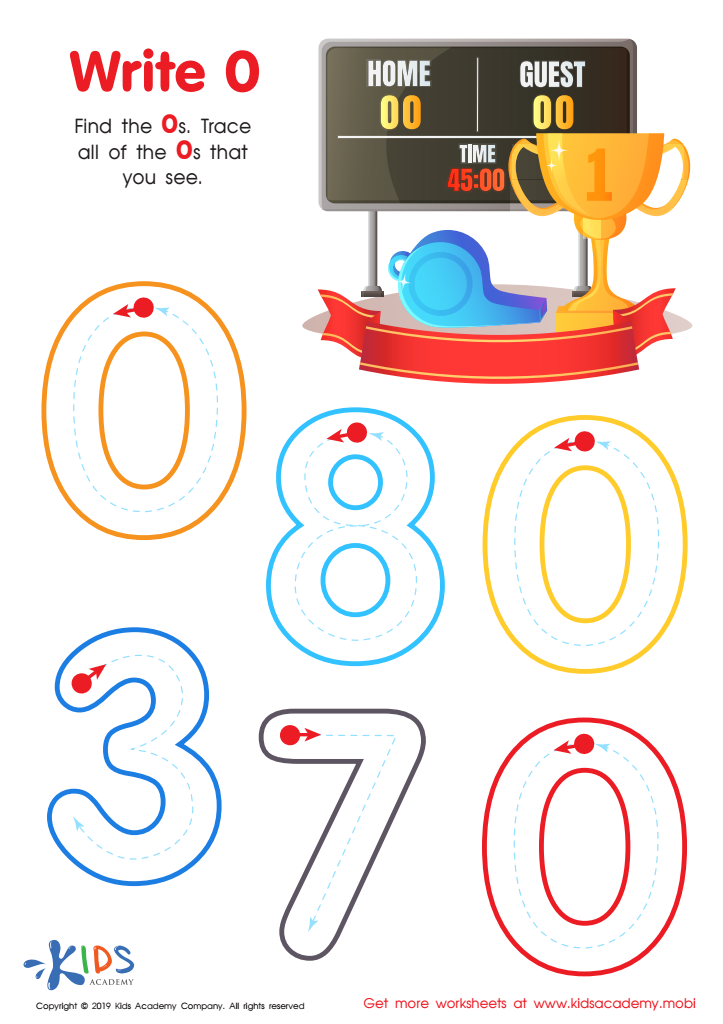
Write 0 Worksheet
Help your children become number pros! This worksheet will give them the edge they need to count, while also helping them practice writing the number 0. Have them find the 0s in the printout, then trace them. It's a great way to build a math foundation and get them ready to succeed with more advanced math concepts.
 Assign to My Students
Write 0 Worksheet
Worksheet
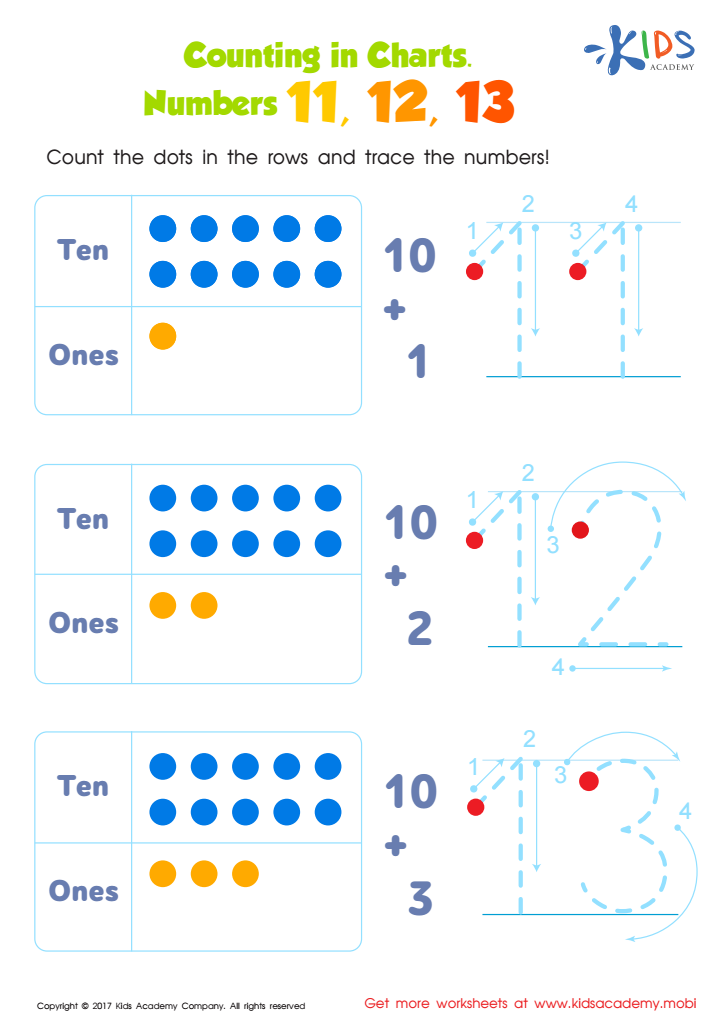
Number Tracing Worksheet For Kindergarten
Help your child develop addition skills and improve number recognition with this easy-to-use worksheet. Have them count the dots and add to solve each problem. Then, trace over the number to complete each row! It's a fun and simple way for kindergarteners to practice their math skills.
Number Tracing Worksheet For Kindergarten
Worksheet
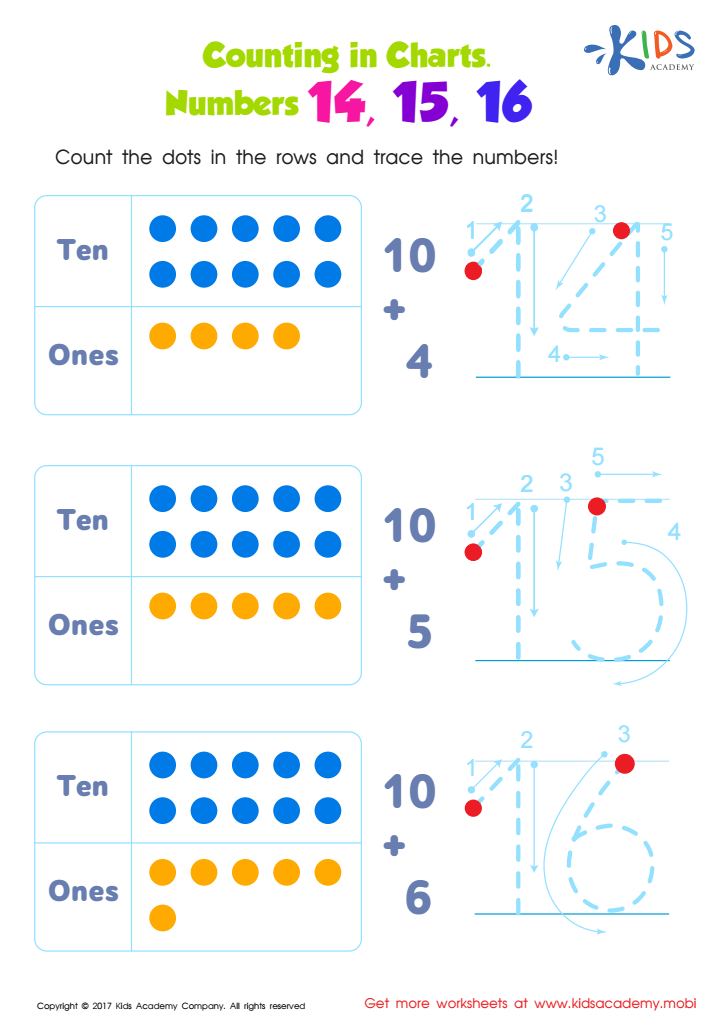
Number Tracing Worksheet
Kids learn math with counters and place value! This handy worksheet helps form a foundation for math skills and number sense! Have your child count the dots and trace the answers to the addition problems. It's a great way to support their math skills!
Number Tracing Worksheet
Worksheet
Join Kids Academy for Free
Who is primarily going to use this learning content?




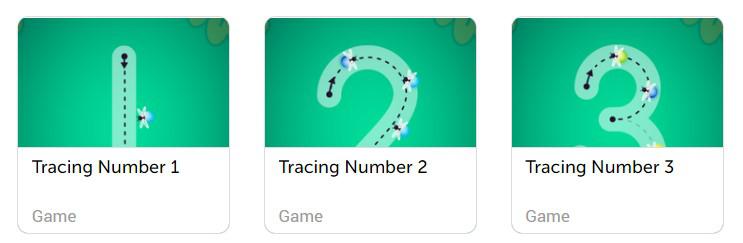



Hand-eye coordination is a crucial developmental skill that helps children connect what they see with how they move. Easy tracing numbers guides like those designed for ages 3-9 are incredibly valuable for fostering this essential ability. Parents and teachers should care about this because these exercises serve as a foundation for numerous practical and educational skills that children will use throughout their lives.
For young children, tracing numbers not only helps them learn to recognize and write numerals properly, but it also strengthens their fine motor skills. Holding a pencil and carefully following the outline of a number engages small muscles in the hands and eyes, improving control and dexterity. These skills are fundamental for other tasks such as tying shoelaces, buttoning clothes, and later on, writing legibly and efficiently.
Moreover, good hand-eye coordination aids cognitive development by reinforcing the brain's visual and motor learning pathways. This might even aid their performance in future academic activities that require spatial awareness and manual precision, such as using a ruler in math or conducting science experiments. Additionally, such activities can improve concentration and patience, as children practice maintaining focus to complete tracing tasks correctly.
In essence, hand-eye coordination tracing activities prepare young learners for both academic and everyday success, making them a vital component of early education.