Easy Word Problems Worksheets for Ages 3-9 - Page 2
44 filtered results
-
From - To
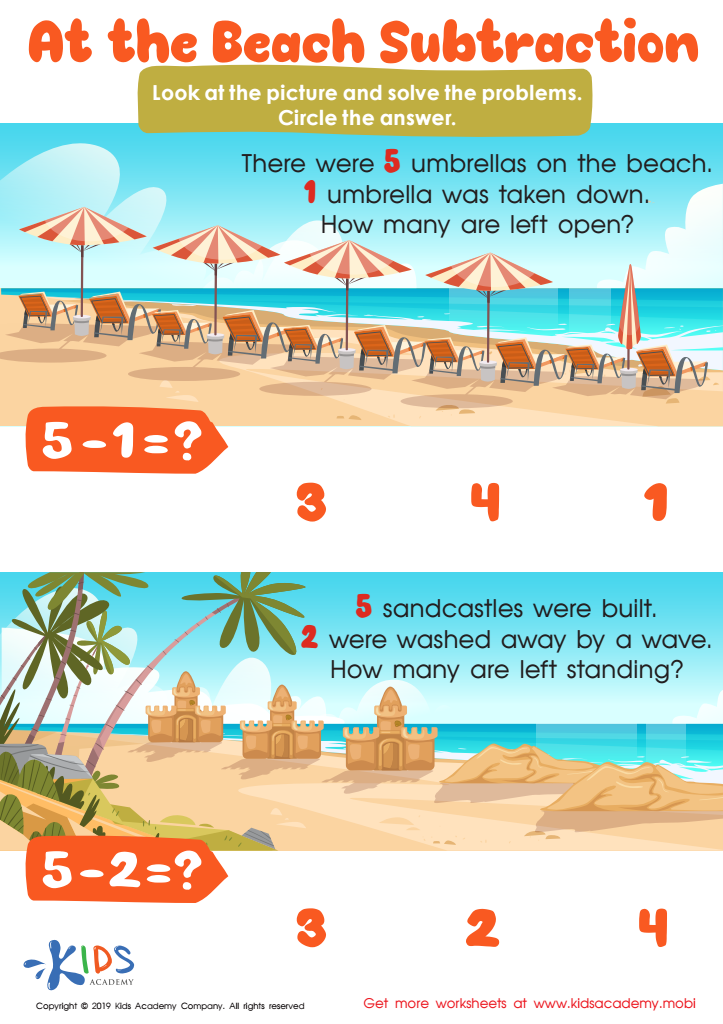
At the Beach Subtraction Worksheet
 Assign to My Students
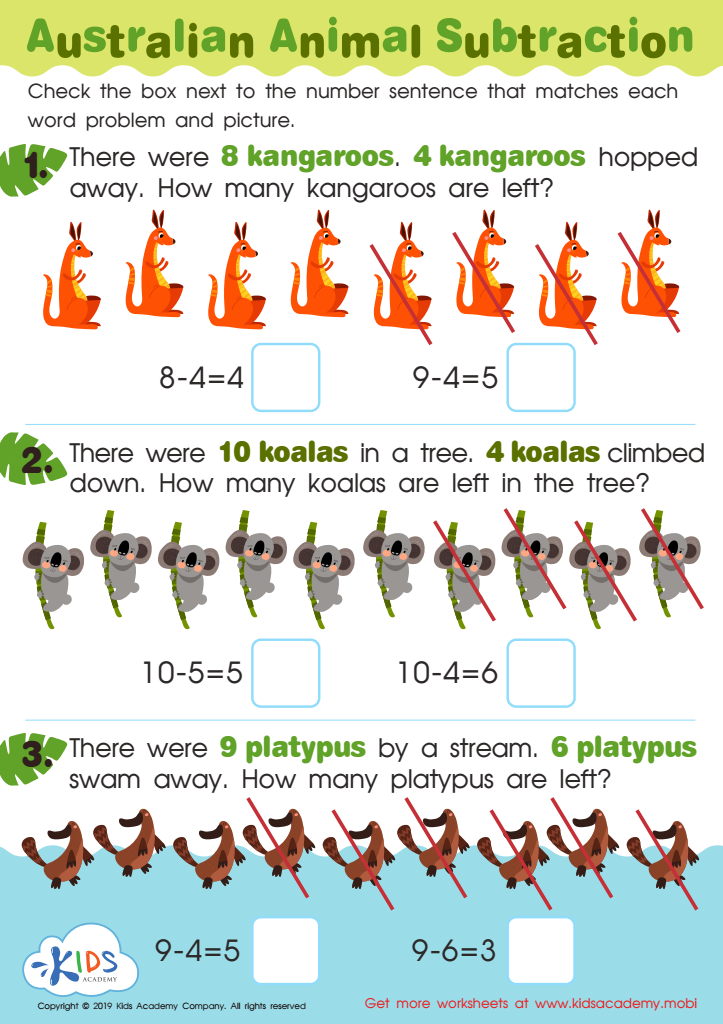
Australian Animal Subtraction Worksheet
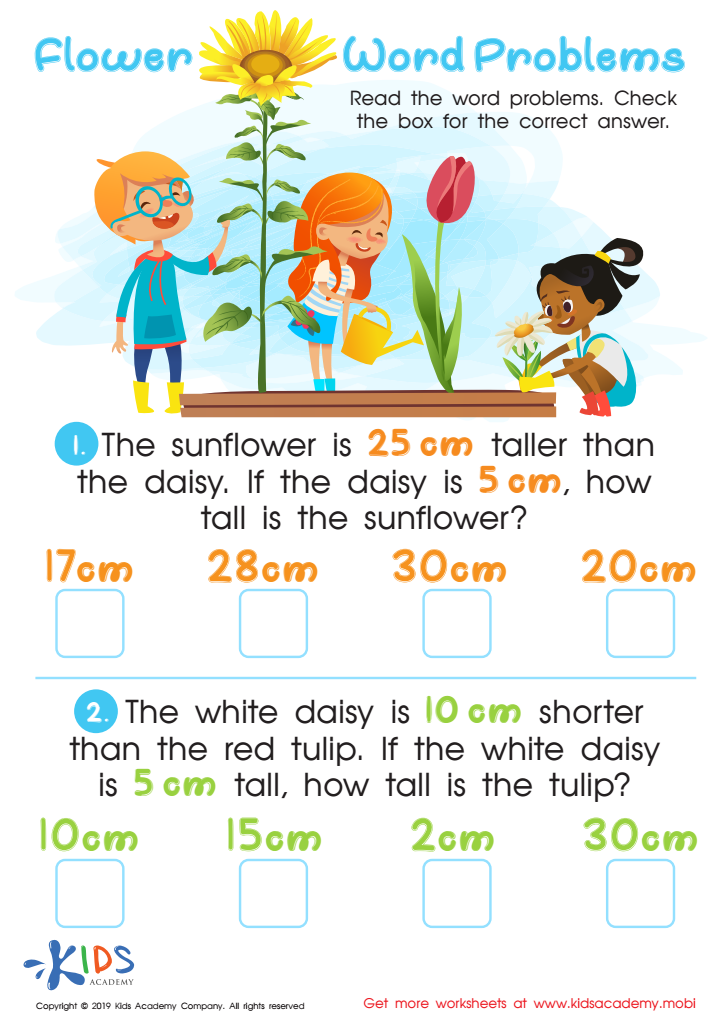
Flower Word Problems Worksheet
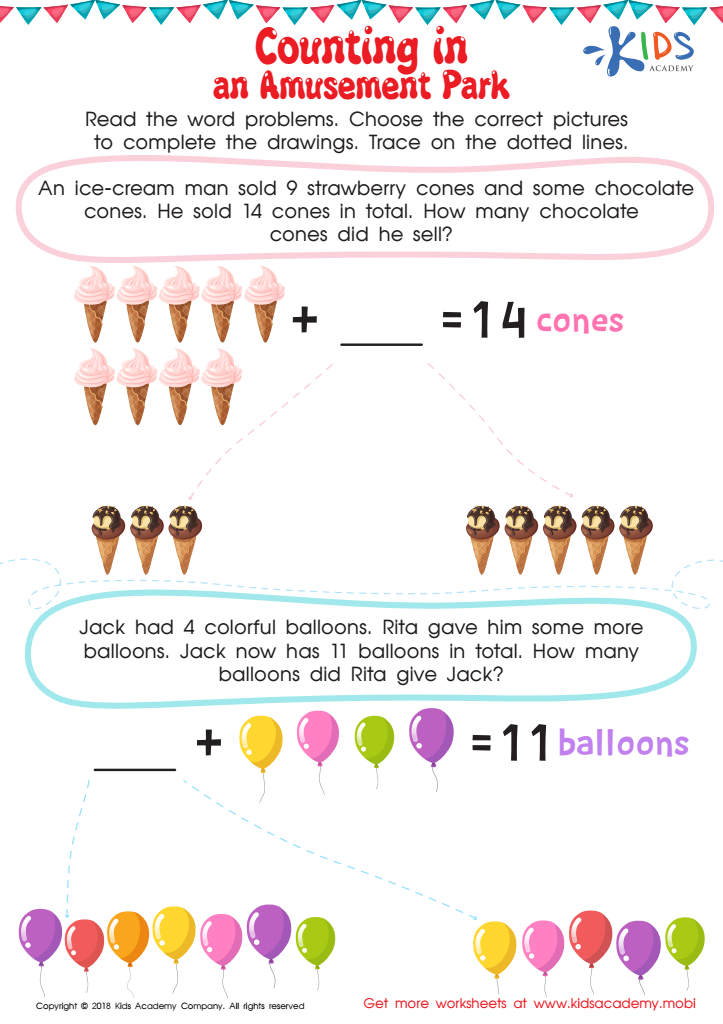
Counting in an Amusement Park Worksheet
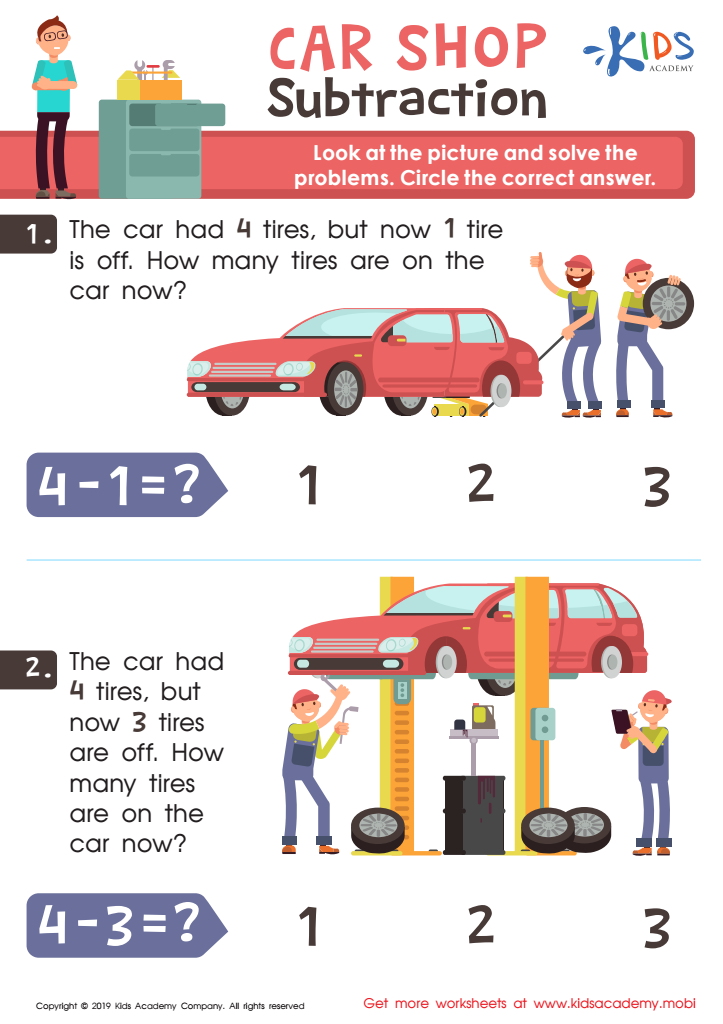
Car Shop Subtraction Worksheet
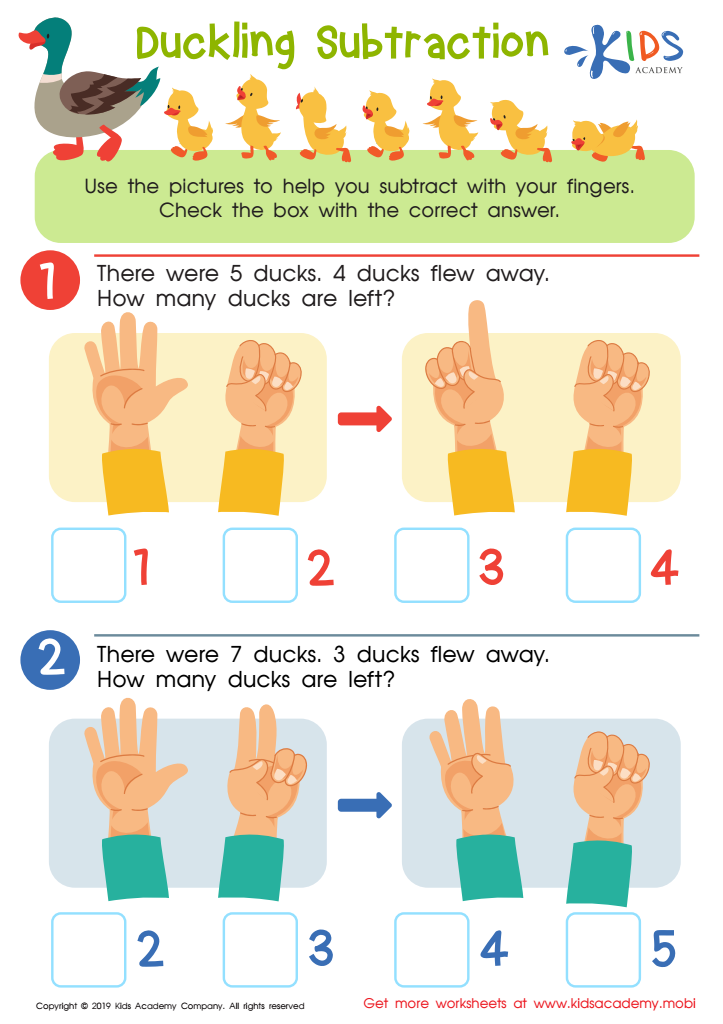
Duckling Subtraction Worksheet
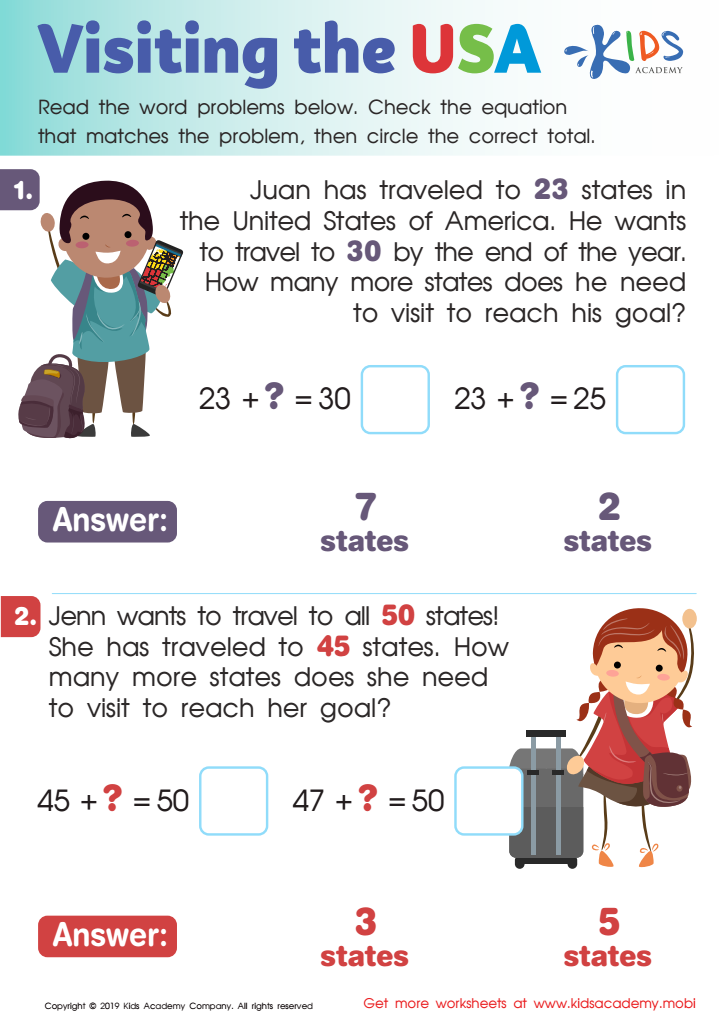
Visiting the USA Worksheet
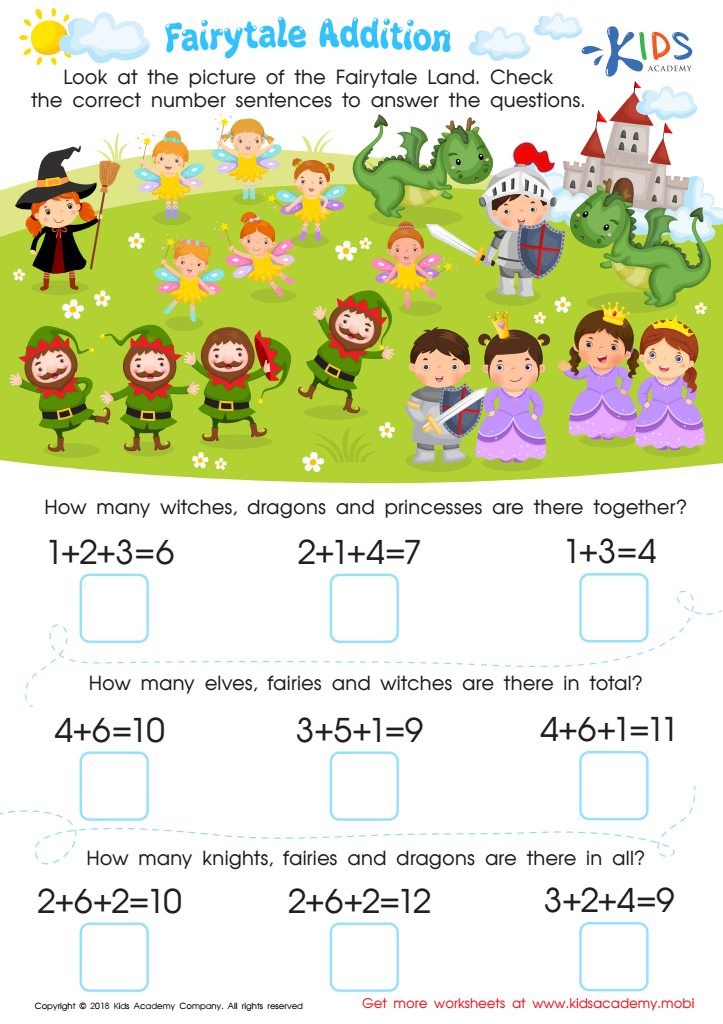
Fairytale Addition Worksheet
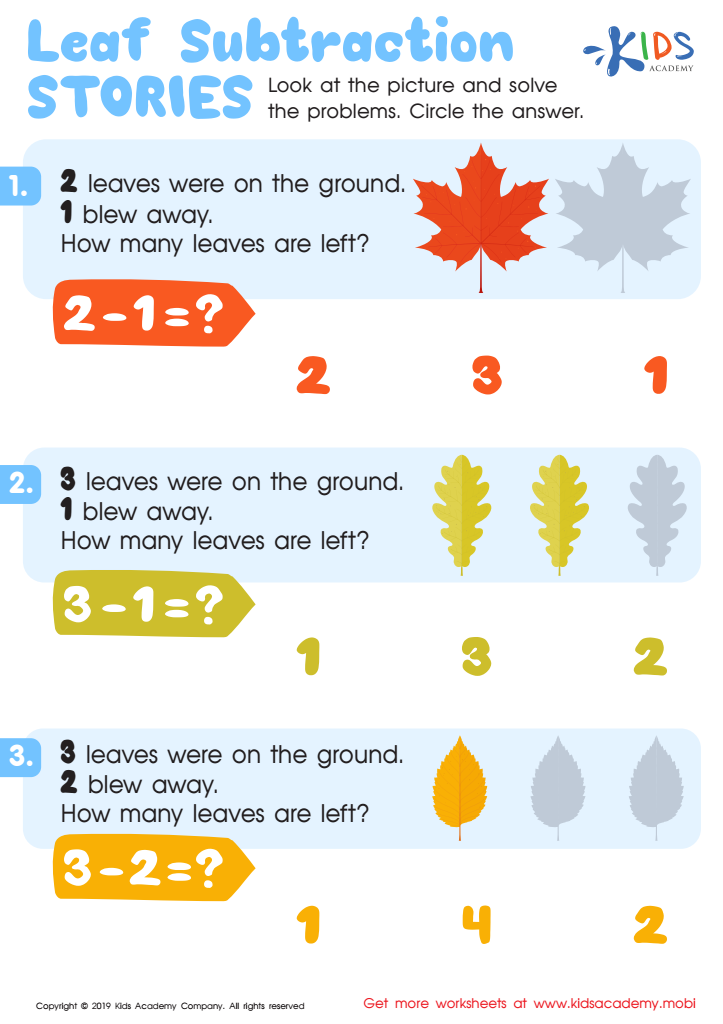
Leaf Subtraction Stories Worksheet
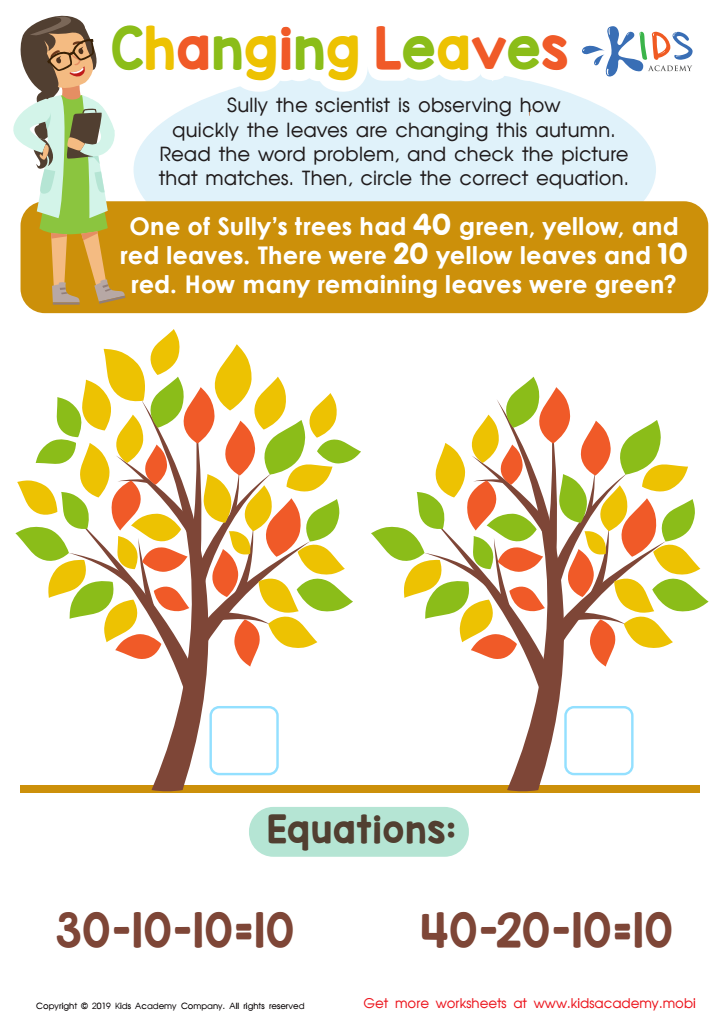
Changing Leaves Worksheet
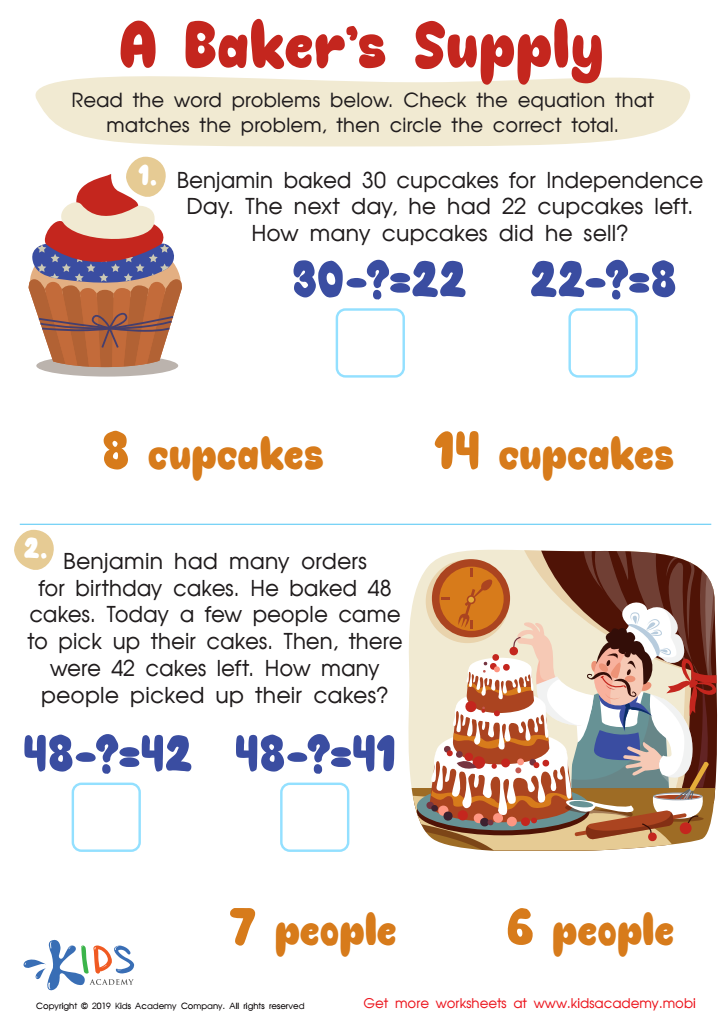
A Baker's Supply Worksheet
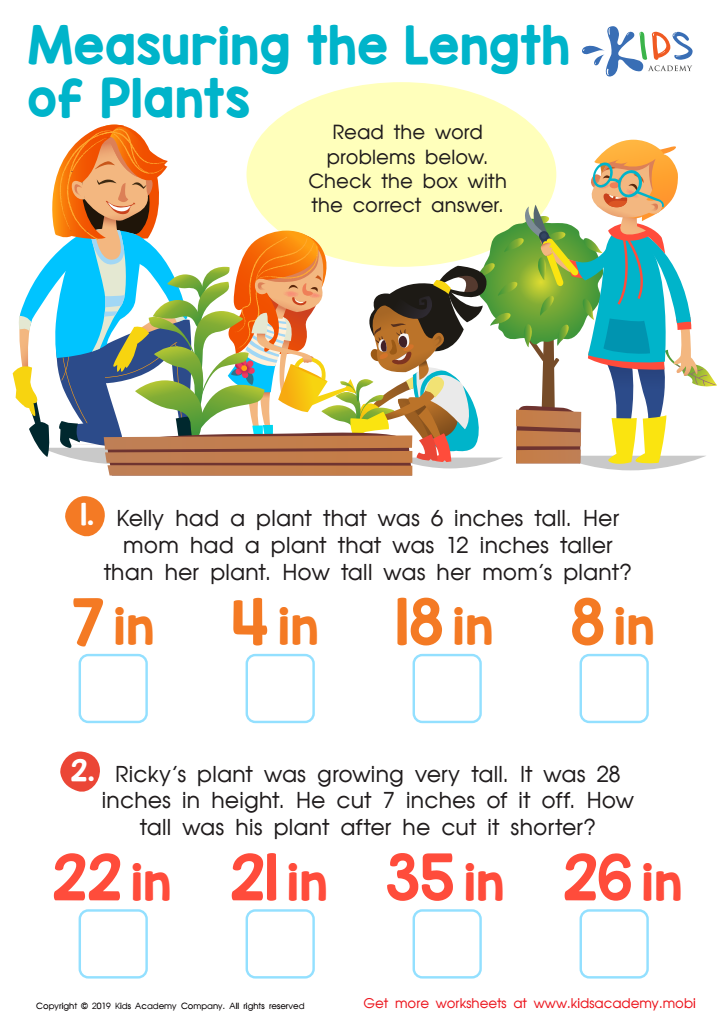
Measuring the Length of Plants Worksheet
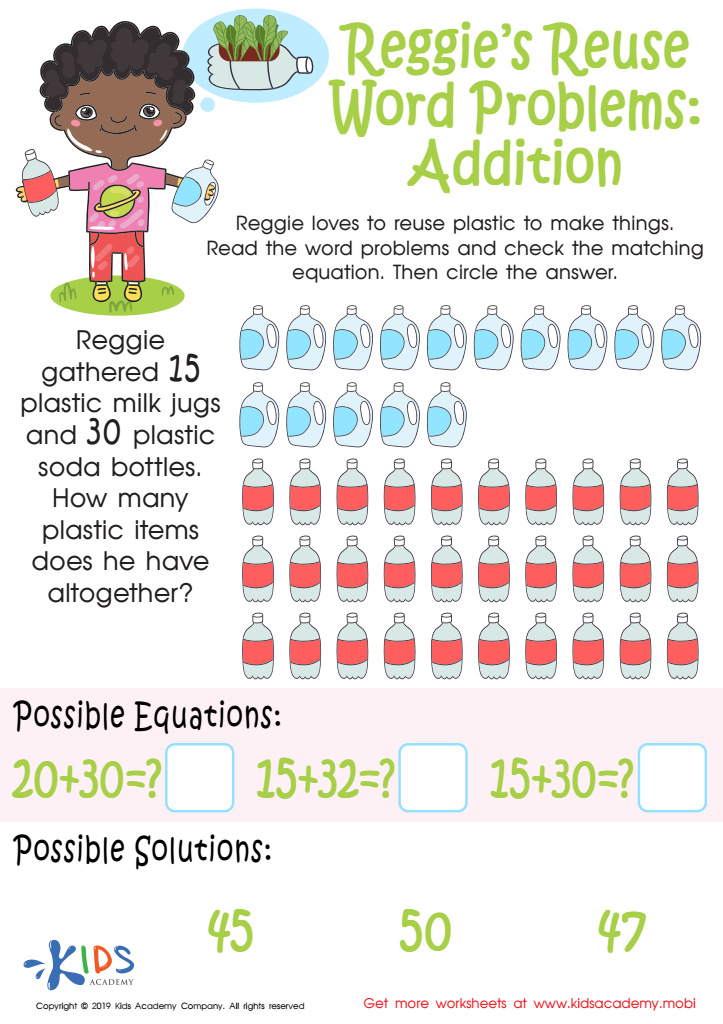
Reggie's Reuse Word Problems: Addition Worksheet
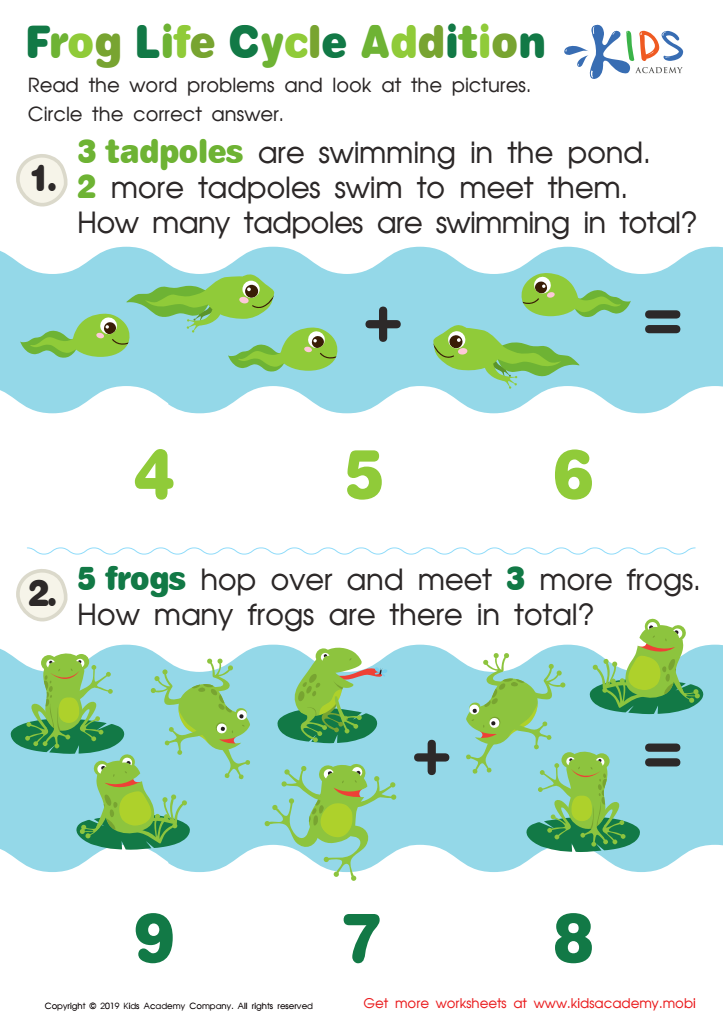
Frog Life Cycle Addition Worksheet
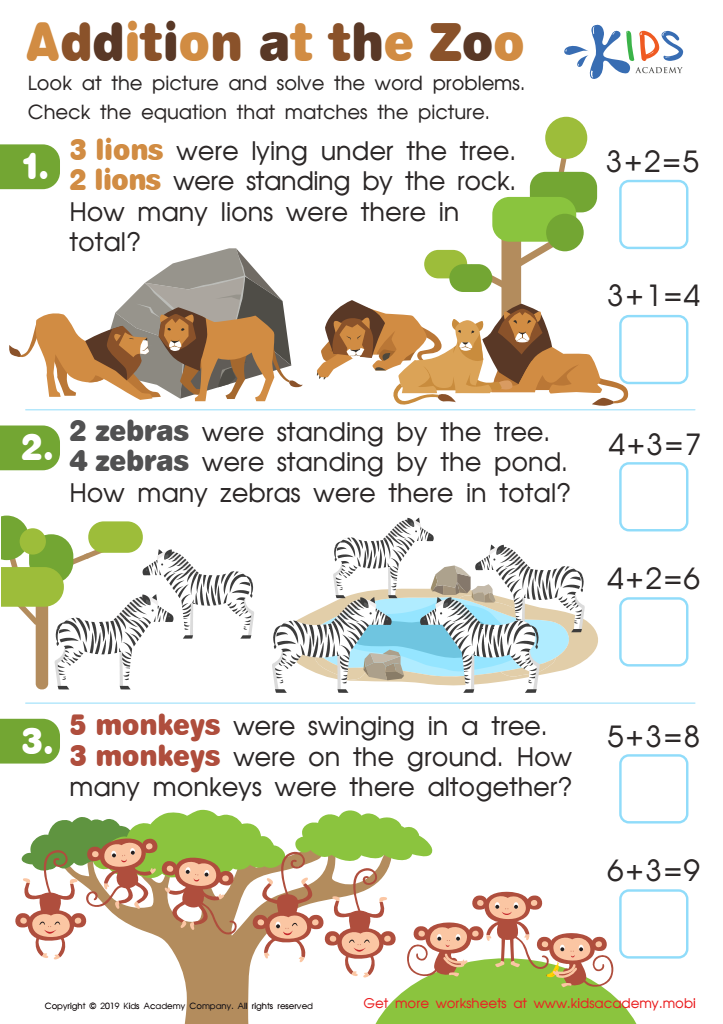
Addition at the Zoo Worksheet
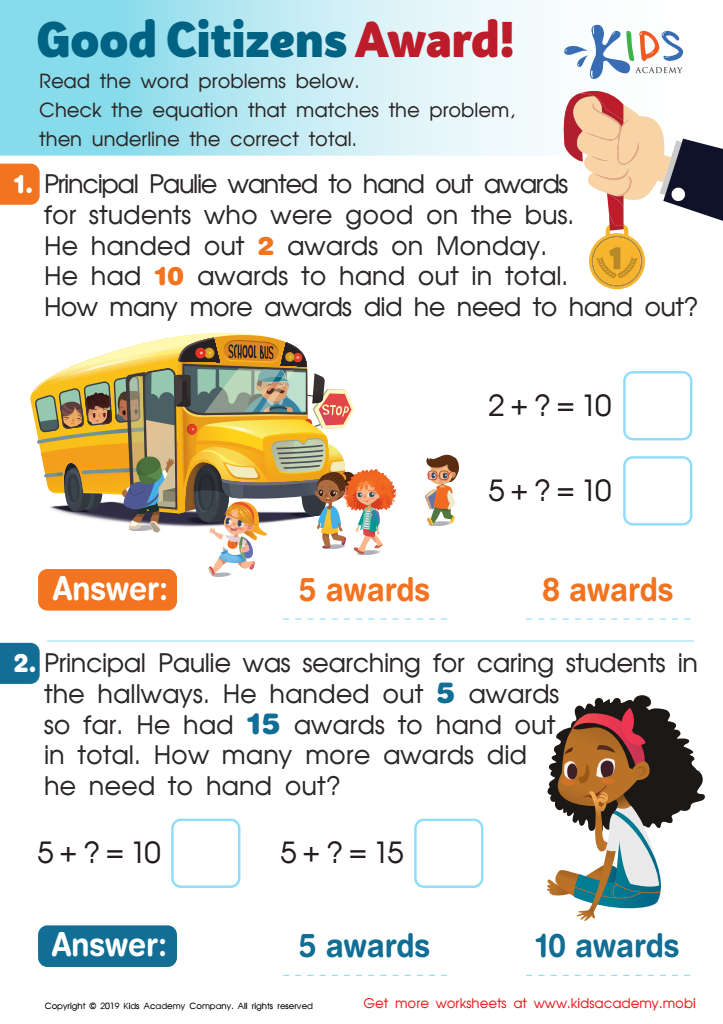
Good Citizens Award! Worksheet
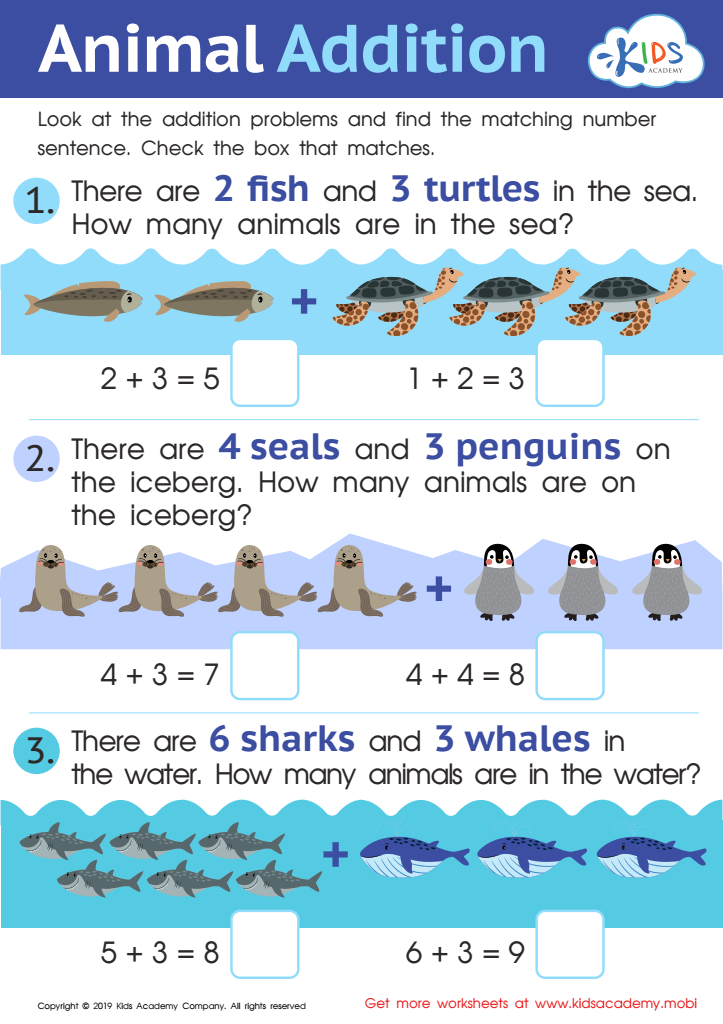
Animal Addition Worksheet
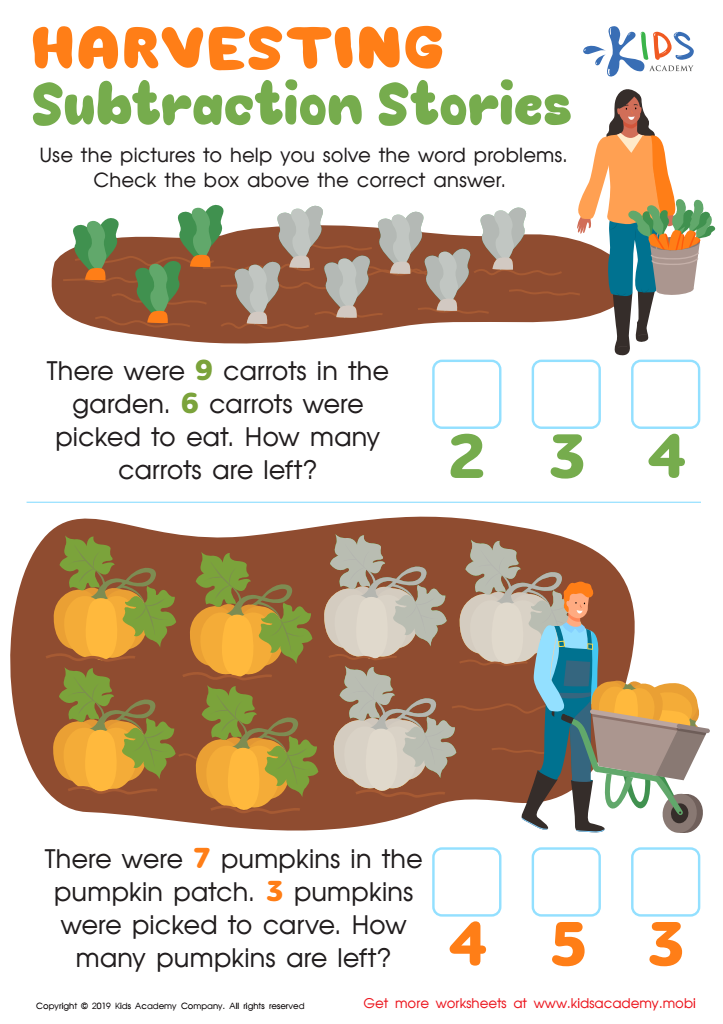
Harvesting Subtraction Stories Worksheet
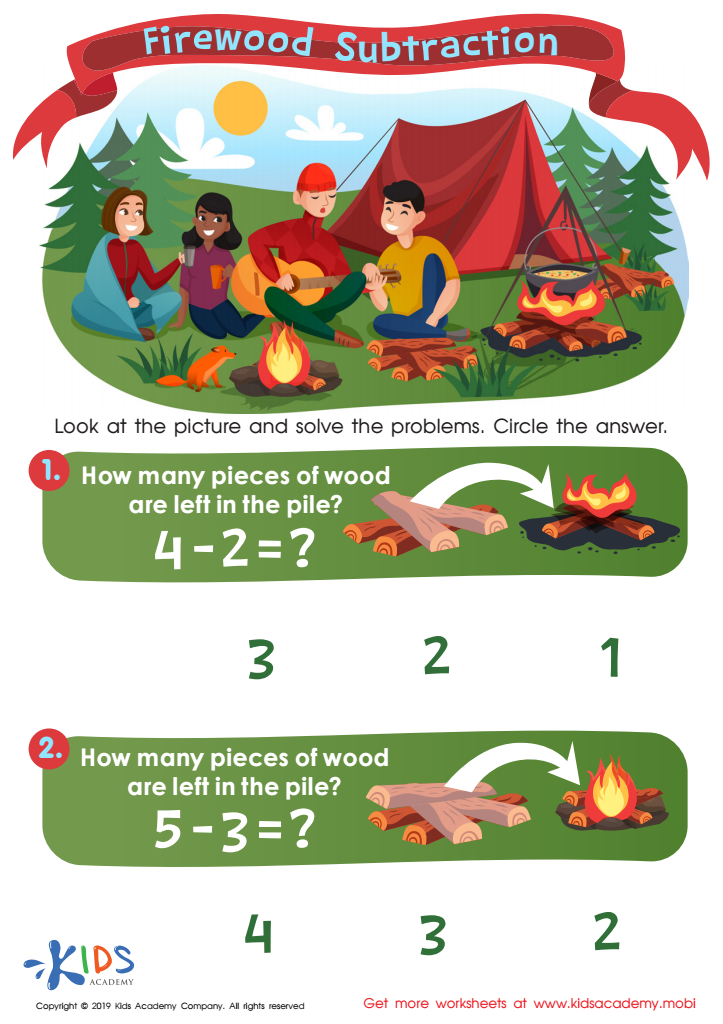
Firewood Subtraction Worksheet
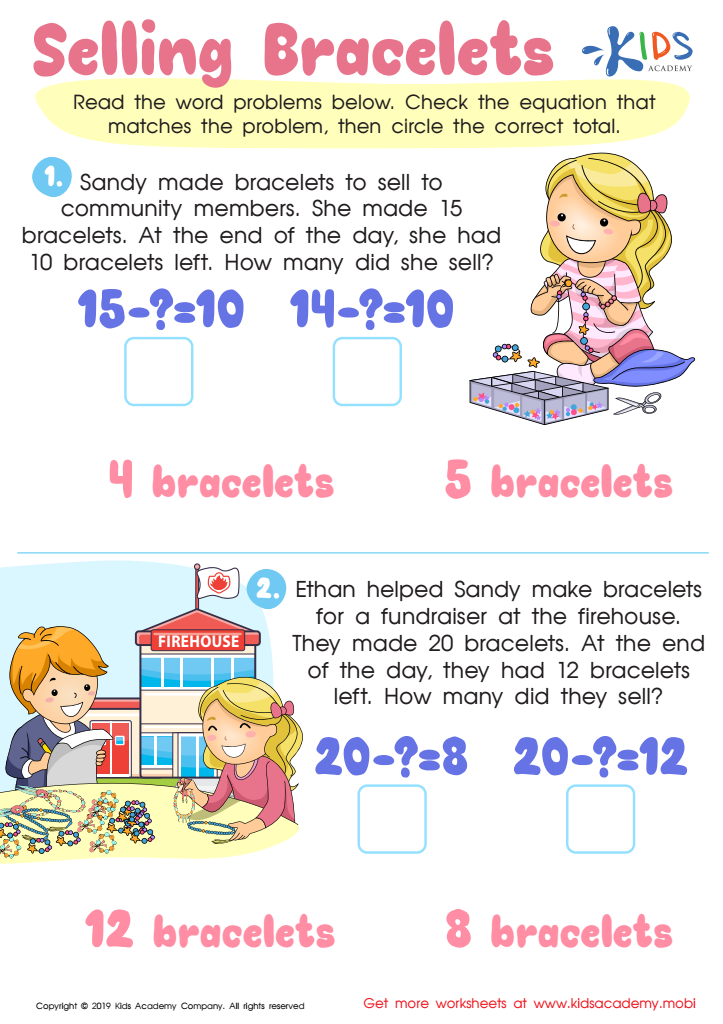
Selling the Bracelets Worksheet


.jpg)





Parents and teachers should prioritize Easy Word Problems for children aged 3-9 because these foundational activities are essential for developing critical thinking, problem-solving skills, and early math understanding. At this age, children are naturally curious and eager to explore the world around them. Introducing them to simple word problems helps foster their cognitive development, enabling them to connect abstract concepts to real-life situations.
Engaging young learners with easy word problems enhances their language skills as they learn to interpret questions and convey their reasoning effectively. This practice also promotes perseverance, encouraging children to work through challenges and recognize the value of effort. Additionally, word problems pave the way for multi-step reasoning and decision-making, which are crucial for later academic success.
Moreover, addressing math anxiety early on can have lasting effects. By making learning enjoyable and accessible, parents and teachers can build a strong mathematical foundation, boosting confidence and a positive attitude toward math. Ultimately, nurturing proficiency in this area sets the stage for lifelong learning, helping children become capable and autonomous thinkers. Emphasizing Easy Word Problems cultivates a holistic approach to early education, benefiting both the child’s intellect and emotional well-being.








