Categorization skills Easy Worksheets for Ages 4-5
5 filtered results
-
From - To
Introducing our "Categorization Skills Easy Worksheets for Ages 4-5," designed to enhance young learners' abilities to classify and group objects based on similarities and differences. These fun, engaging worksheets help children develop essential critical thinking and sorting skills through colorful images and relatable themes. Activities include sorting animals, fruits, shapes, and everyday items, making learning enjoyable and interactive. Ideal for early childhood educators and parents, our worksheets promote cognitive development and encourage creativity while making learning a delightful experience. Download these ready-to-use resources today and watch your little ones thrive as they master categorization in an exciting way!
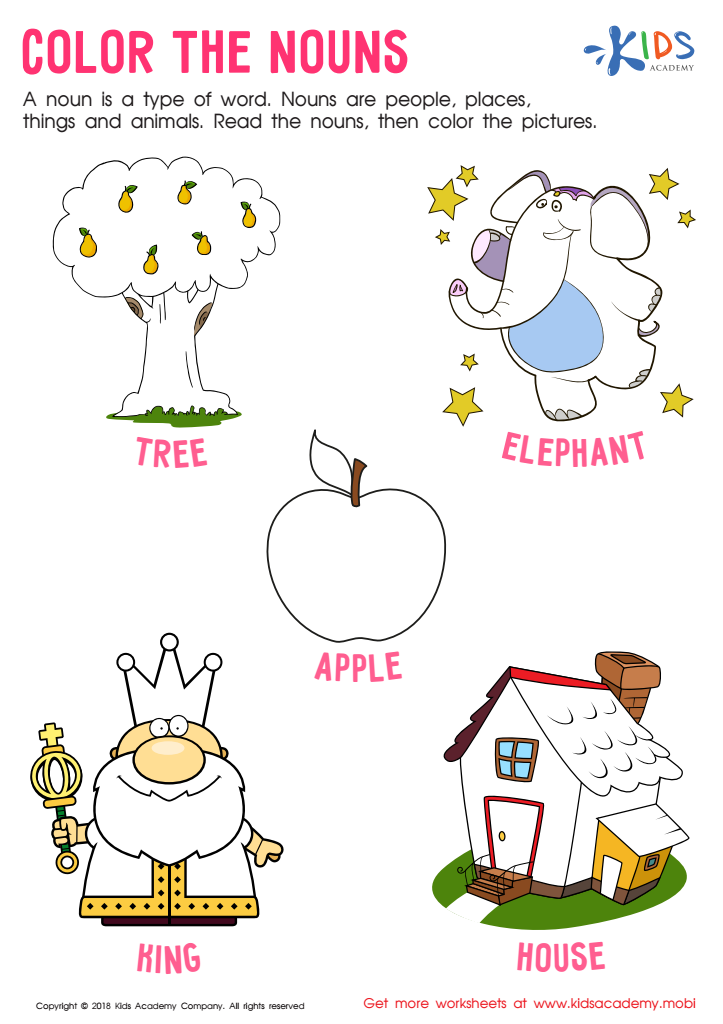
Color the Nouns Worksheet
 Assign to My Students
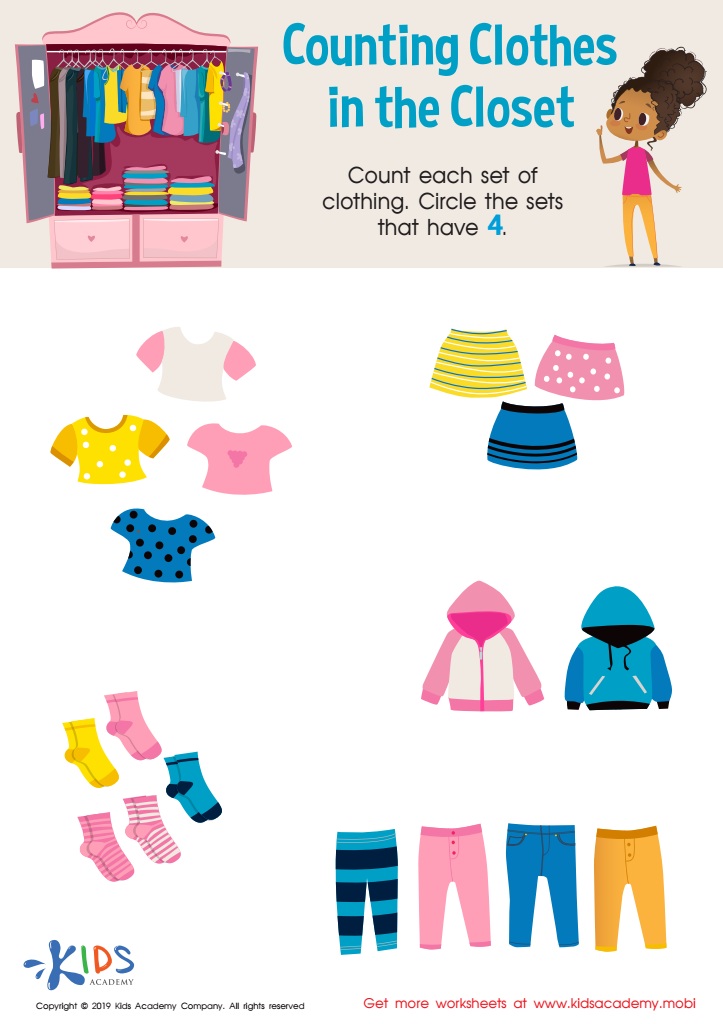
Counting Clothes Worksheet
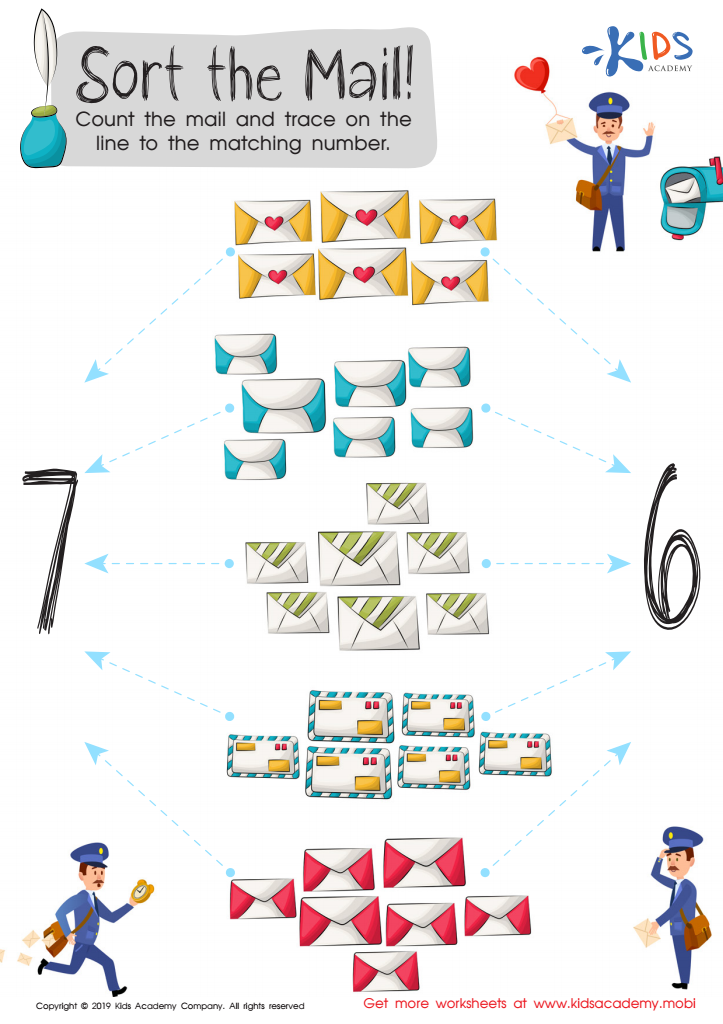
Sort the Mail Worksheet
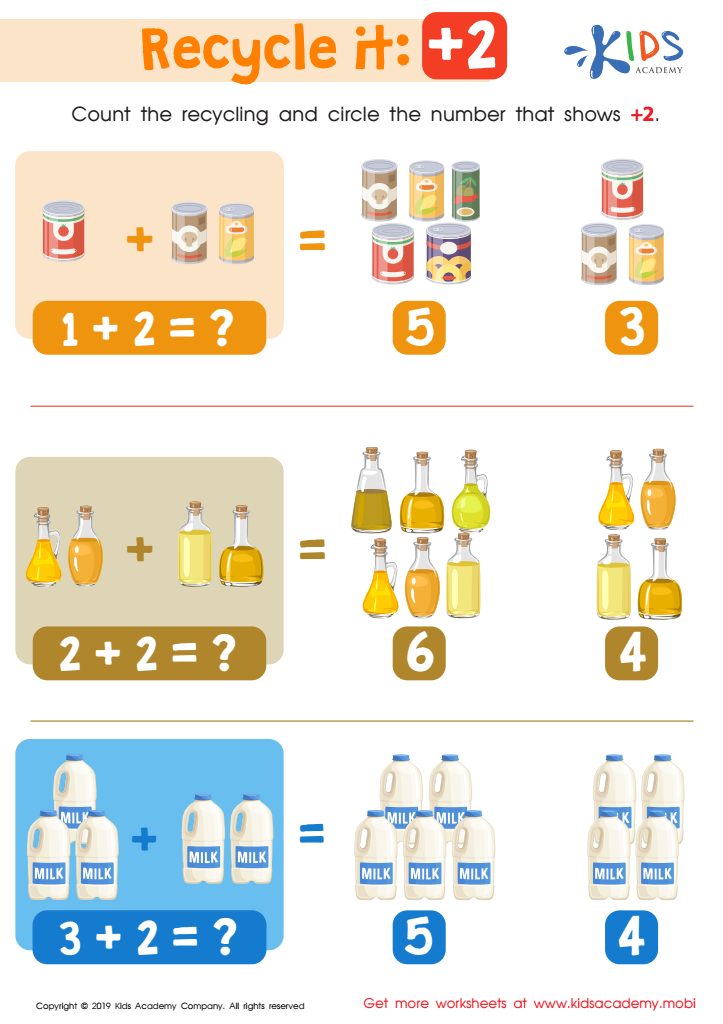
Recycle It: +2 Worksheet
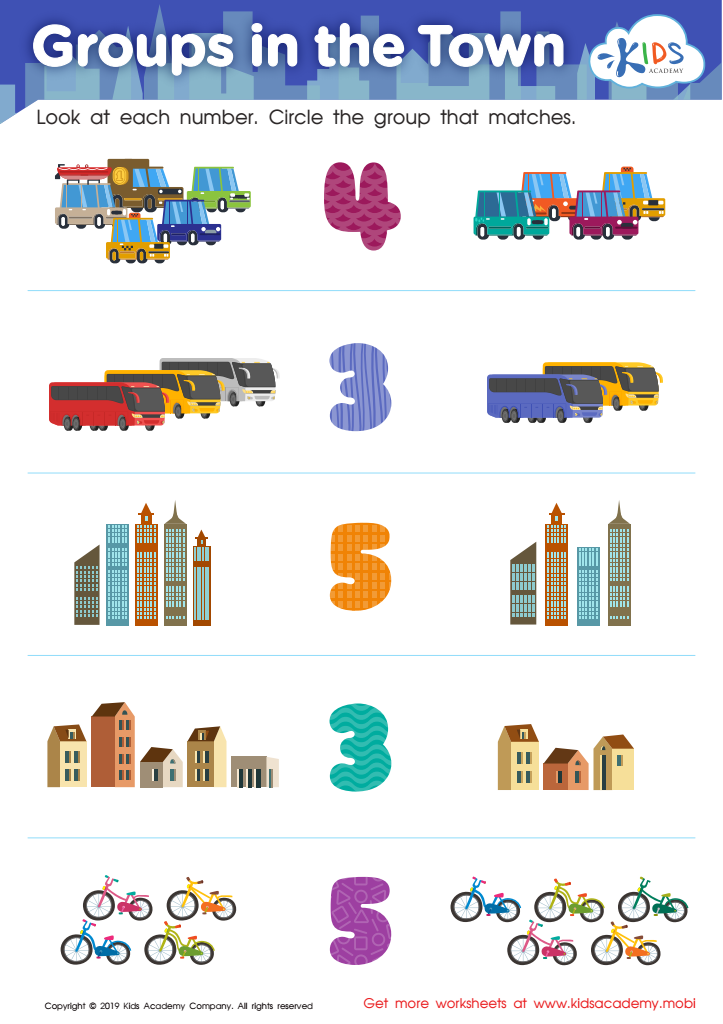
Groups in the Town Worksheet








Categorization skills are crucial for children aged 4-5, and understanding their importance can guide parents and teachers in fostering these abilities. At this developmental stage, children begin to explore the world and make sense of the information they encounter. Categorizing helps young learners organize their thoughts, making it easier to process and recall information. For example, when a child sorts animals into groups like “mammals,” “birds,” or “insects,” they not only learn about the animals themselves but also develop critical thinking and reasoning skills.
Moreover, effective categorization enhances language development. As children label and discuss their categorized items, they expand their vocabulary and comprehension abilities. Learning to categorize also aids in problem-solving, as children learn to identify similarities and differences, ultimately fostering their creativity and flexibility in thinking.
In an educational context, teaching categorization skills sets the foundation for more advanced concepts in math, science, and reading later on. By promoting these skills during play and everyday activities, parents and teachers can enrich children's learning experiences, build self-confidence, and prepare them for structured learning in the future. Ultimately, encouraging categorization serves as a building block for holistic development, setting children on a path to academic and personal success.








