Identifying objects Easy Worksheets for Ages 4-5
3 filtered results
-
From - To
Discover our "Identifying Objects Easy Worksheets" designed specifically for children ages 4-5! These engaging worksheets help young learners develop crucial observation and classification skills as they explore a variety of objects. The activities are tailored to enhance cognitive abilities, boost vocabulary, and foster a love for learning through vibrant illustrations and interactive challenges. Perfect for preschool and kindergarten settings, our worksheets encourage fun, hands-on learning that can be done at home or in the classroom. Make object identification enjoyable and effective with these thoughtfully crafted resources that support early childhood education and growth. Engage your child's imagination and curiosity today!
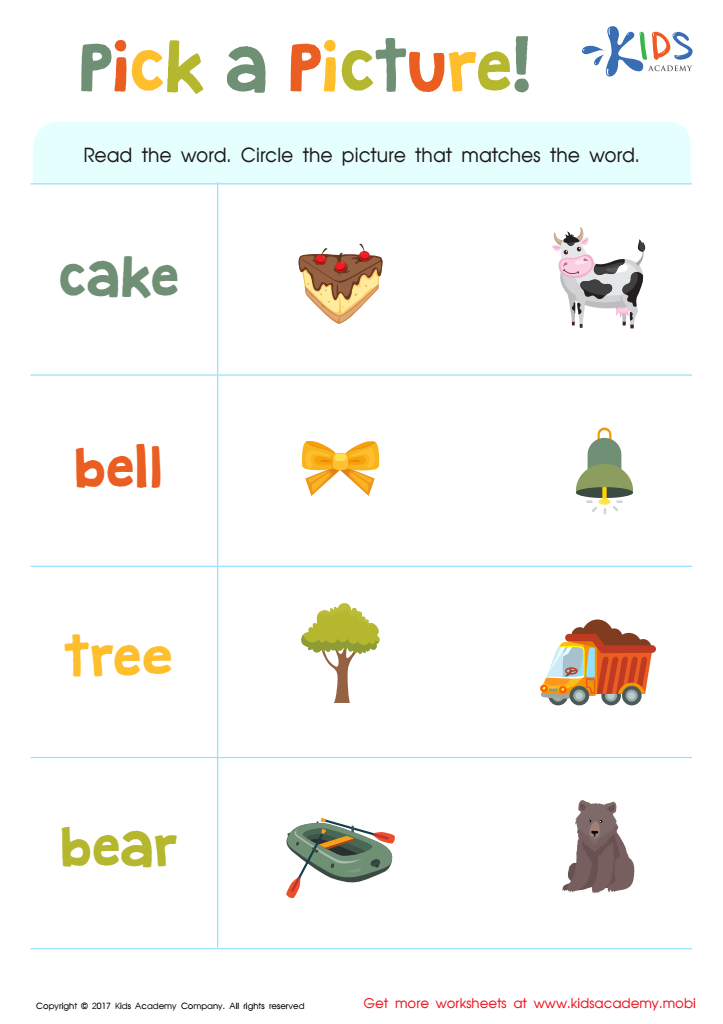
Pick a Picture Word Recognition Worksheet
 Assign to My Students
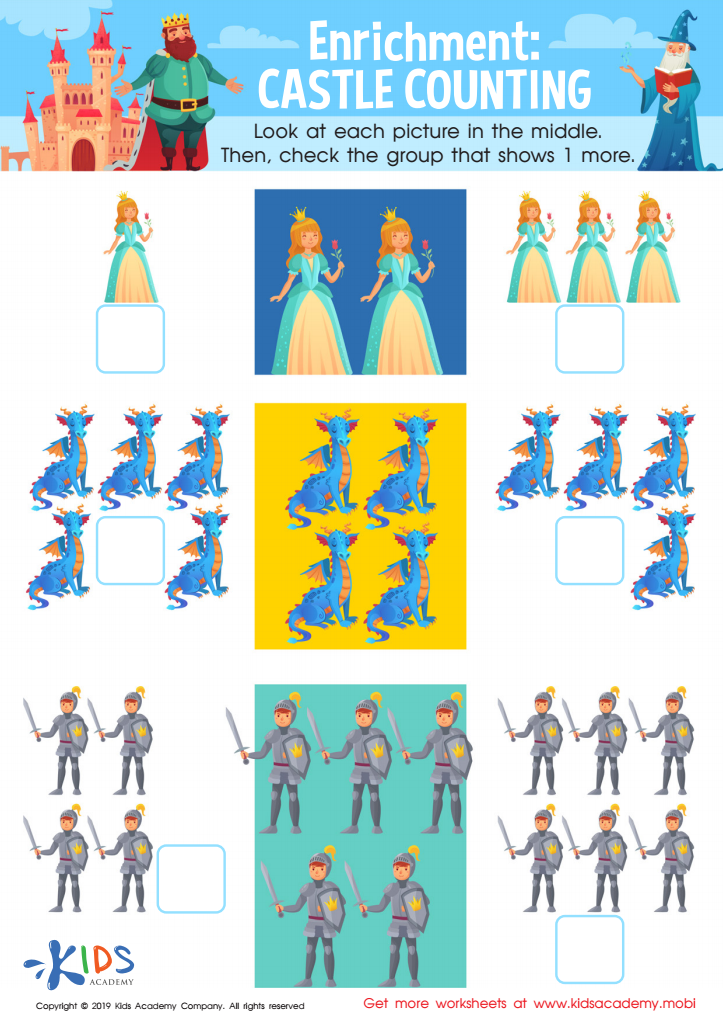
Enrichment: Castle Counting Worksheet
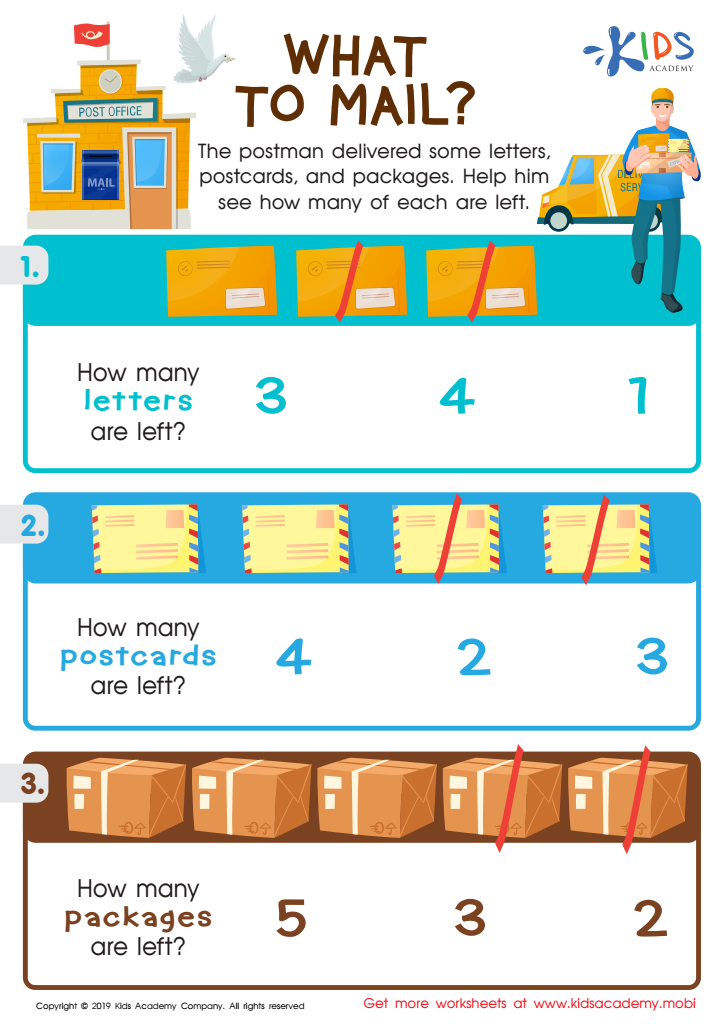
What to Mail? Worksheet








Identifying objects is a crucial developmental milestone for children aged 4-5 years. During this period, their cognitive skills are rapidly evolving, making it essential for parents and teachers to engage in activities that promote object recognition. This foundational skill is not only vital for language development—enabling children to name and describe objects—but also enhances critical thinking as they learn to categorize and understand their surroundings.
Moreover, being able to identify objects aids in the development of fine motor skills and coordination. For example, recognizing different shapes or sizes while playing with blocks encourages sensory exploration and hand-eye coordination. From a social perspective, discussing objects in group settings fosters communication skills and enhances social interaction.
Additionally, early object identification lays the groundwork for subjects such as mathematics and science, where categorization and classification are vital. It encourages curiosity, inviting children to explore and learn about the world around them.
Ultimately, supporting children in developing this skill not only builds a strong educational foundation but also boosts their confidence as they navigate and make sense of their ever-expanding environment. Thus, both parents and teachers play a crucial role in this enriching process.








