Logical Reasoning Easy Worksheets for Ages 4-5
6 filtered results
-
From - To
Welcome to our "Logical Reasoning Easy Worksheets for Ages 4-5"! Designed specifically for preschoolers, these engaging worksheets foster critical thinking and problem-solving skills in a fun and interactive way. Each worksheet features age-appropriate puzzles, patterns, and exercises that challenge young minds and promote logical reasoning. Our materials encourage creativity, attention to detail, and logical patterns through colorful graphics and simple instructions. Perfect for classroom or home use, these worksheets help lay a solid foundation for future learning. Explore our collection and watch your child's confidence and reasoning skills grow as they tackle each exciting challenge!
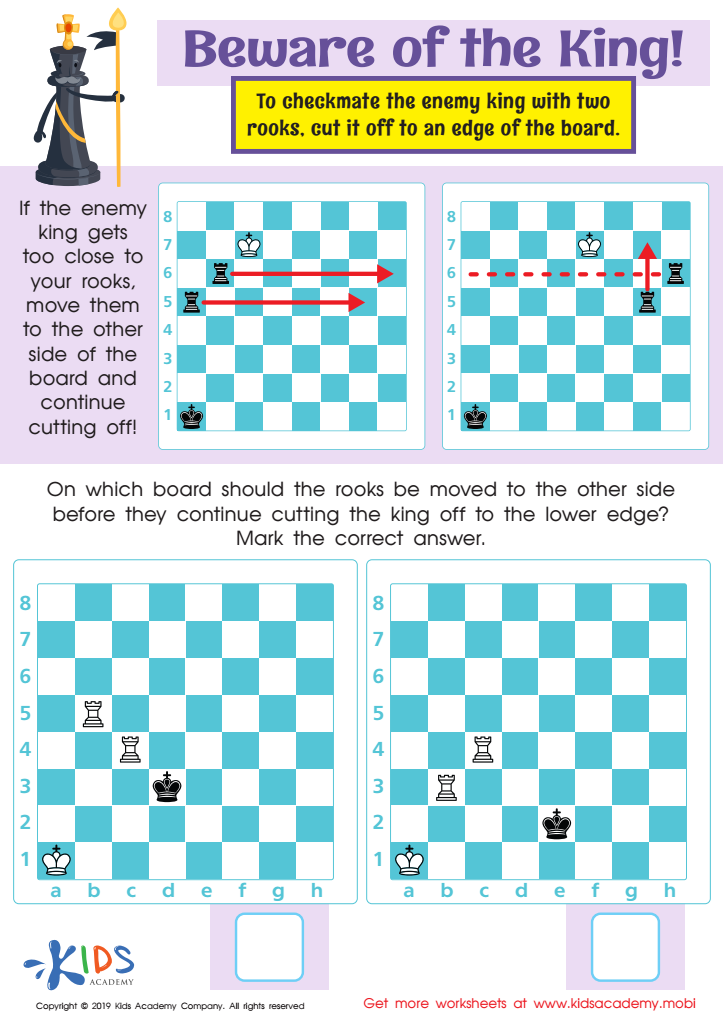
Beware of the King! Worksheet
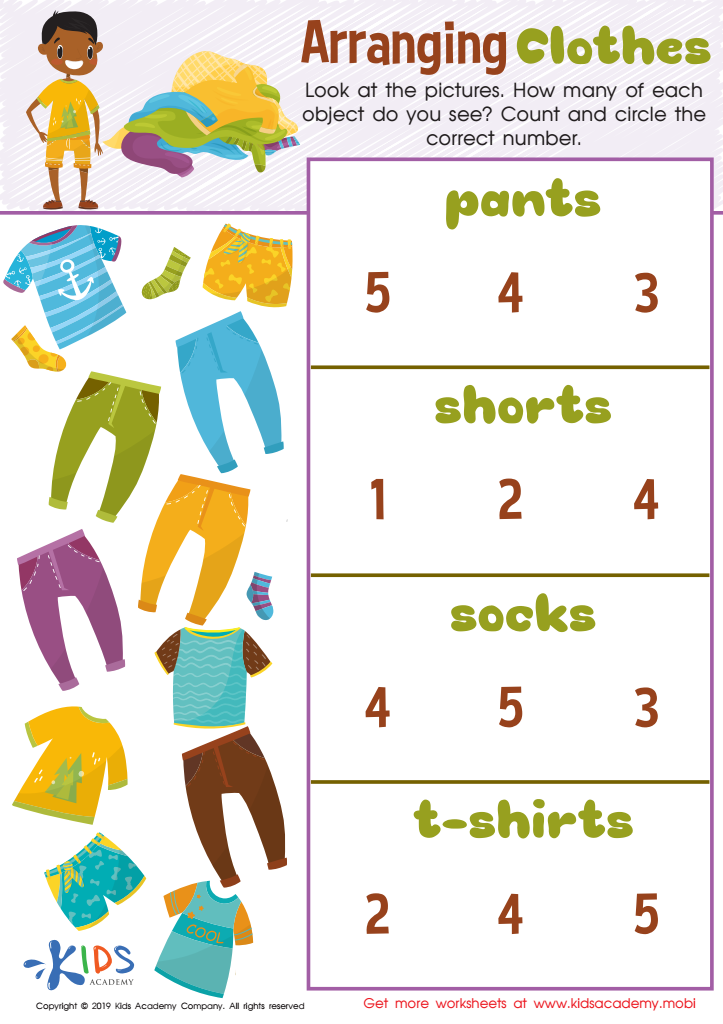
Arranging Clothes Worksheet
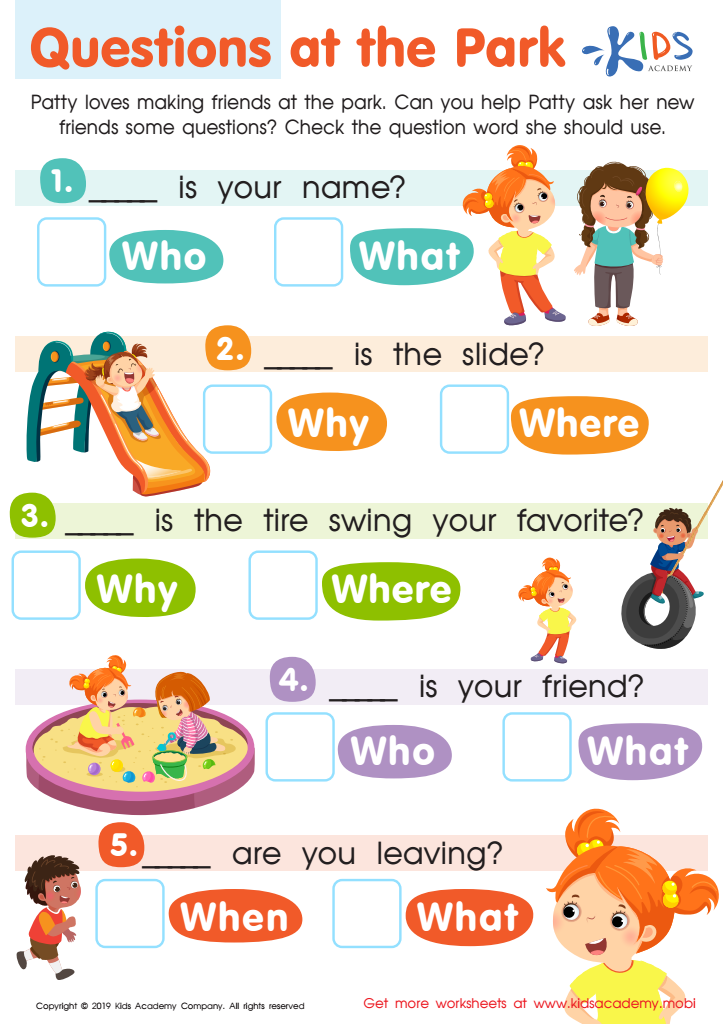
Questions at the Park Worksheet
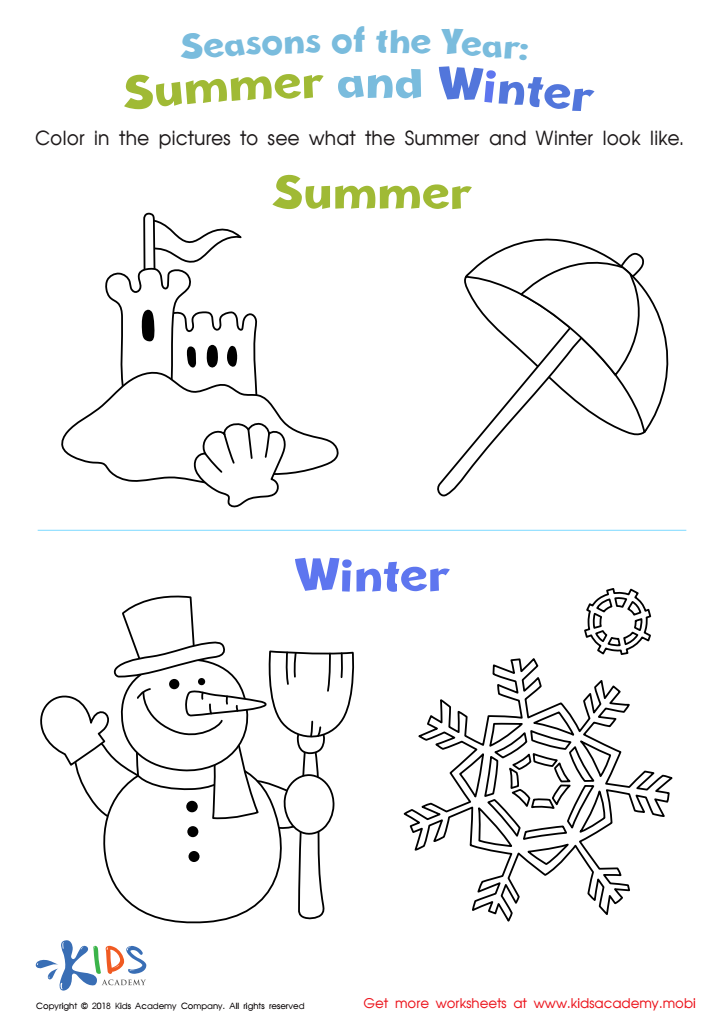
Summer and Winter Worksheet
 Assign to My Students
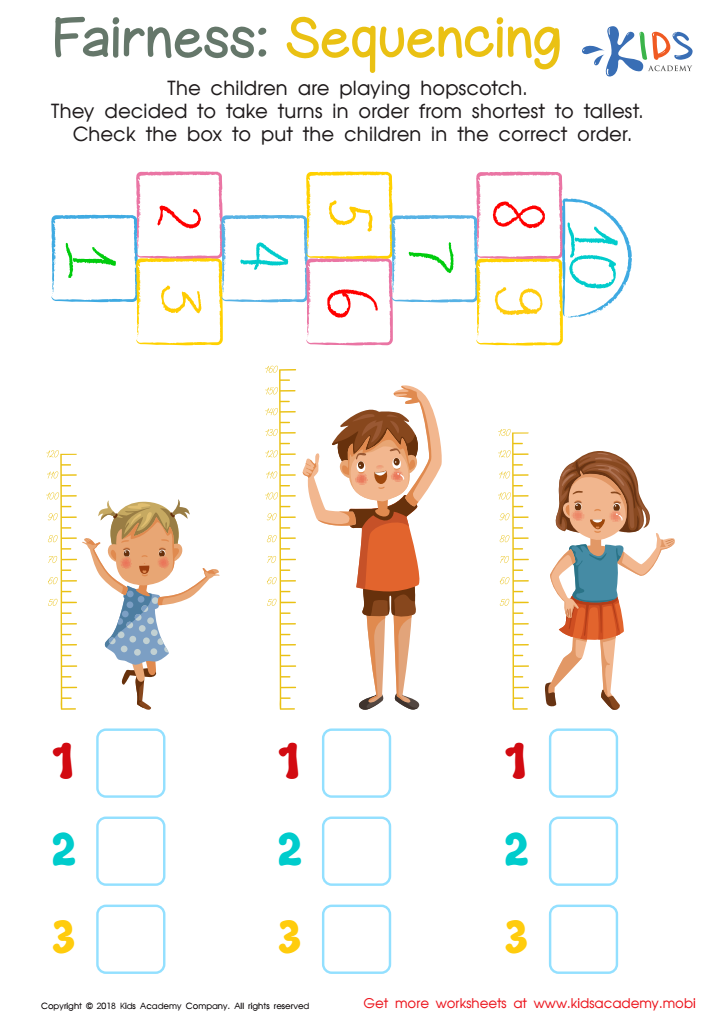
Fairness: Sequencing Worksheet
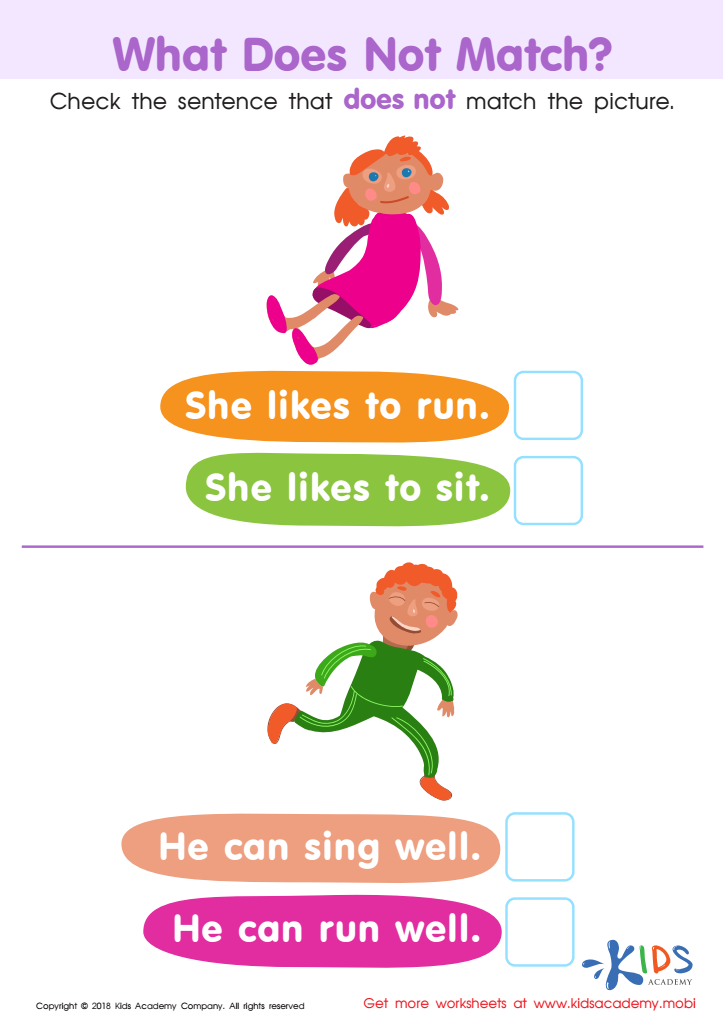
What Does Not Match? Worksheet



.jpg)
.jpg)



Logical reasoning is a critical skill for young children, laying the foundation for problem-solving, critical thinking, and decision-making throughout their lives. For parents and teachers, fostering this ability in children aged 4-5 is vital for several reasons.
Firstly, engaging kids in logical reasoning activities nurtures their cognitive development. At this age, children are naturally curious and eager to explore patterns, relationships, and basic concepts of cause and effect. Introducing simple puzzles, sequencing games, and classification problems encourages them to think critically and approach challenges methodically.
Secondly, logical reasoning enhances language skills. As children articulate their thought processes or explain their reasoning, they expand their vocabulary and improve communication abilities, essential for future academic success.
Additionally, logical reasoning fosters social skills. When children collaborate on group activities that require sharing ideas and conclusions, they learn negotiation, team work, and respectful discussion.
Lastly, early exposure to logical reasoning helps build confidence. Children who feel competent in their ability to solve problems become more resilient when faced with academic challenges later on.
Thus, prioritizing logical reasoning in early education empowers young children, equipping them with essential tools for lifelong learning and success. Both parents and teachers play a crucial role in supporting this developmental journey.








