Reading practice Easy Worksheets for Ages 4-5
4 filtered results
-
From - To
Unlock the magic of reading with our fun and engaging Reading Practice Easy Worksheets designed for ages 4-5. Crafted by educational experts, these worksheets help young learners build fundamental reading skills in a playful, stress-free environment. Each worksheet features bright, colorful illustrations and simple sentences that capture children’s imaginations, encouraging a love for reading. Parents and educators will find these resources perfect for at-home practice or classroom activities. Our worksheets support letter recognition, phonics, and early vocabulary development, ensuring a smooth start to a child's reading journey. Explore now and set your little reader on the path to success!
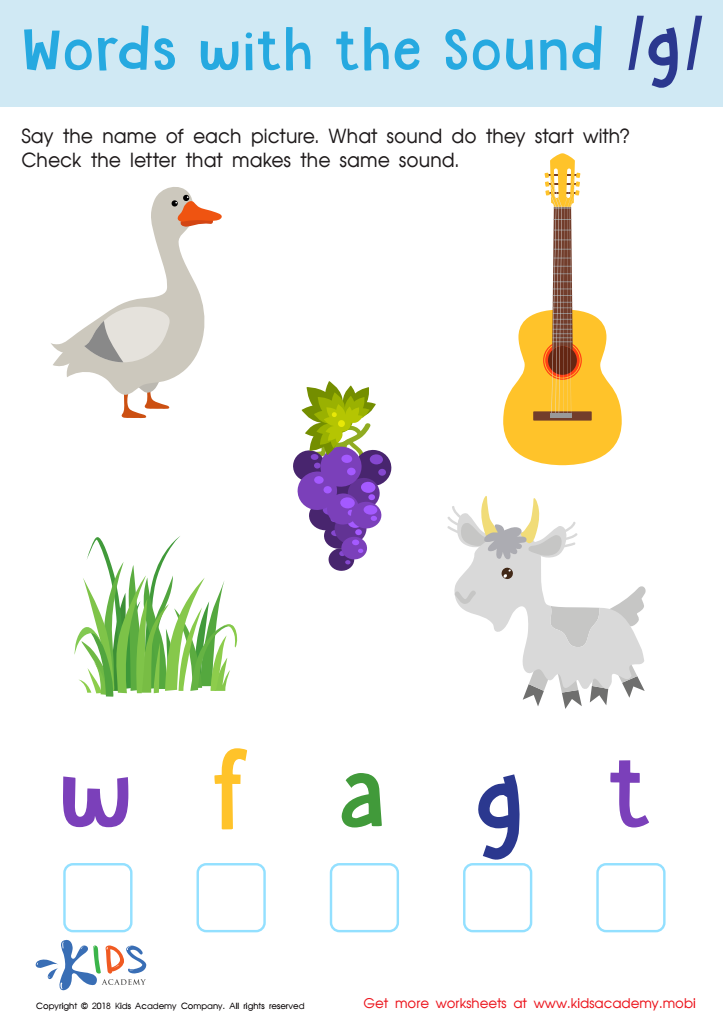
Words with sound g Reading Worksheet
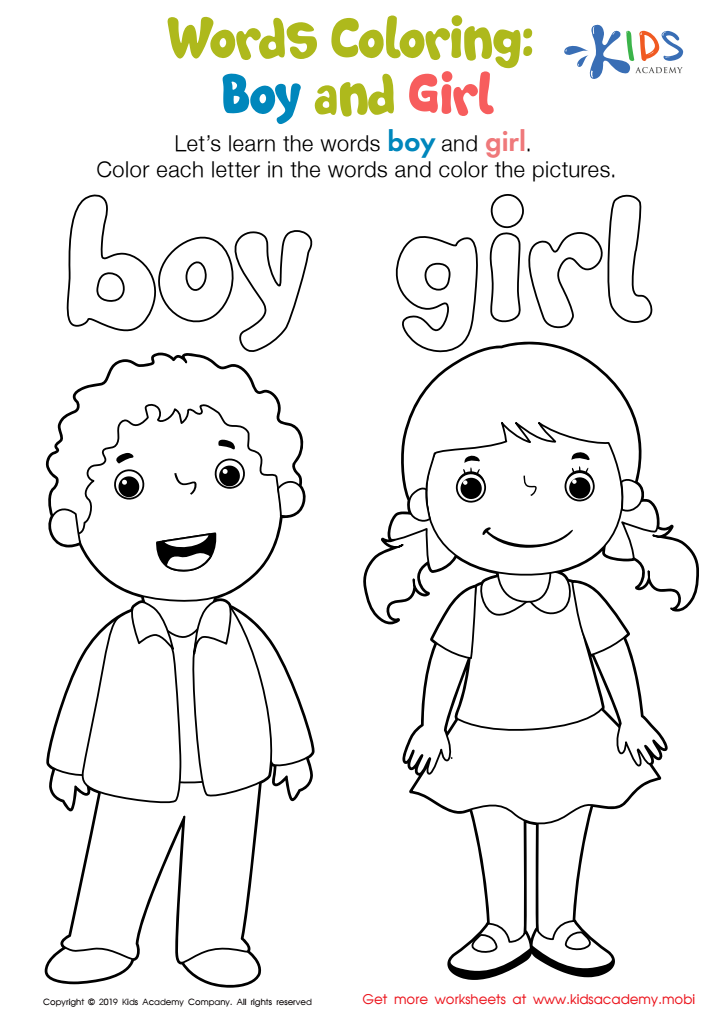
Boy and Girl Words Coloring Worksheet
 Assign to My Students
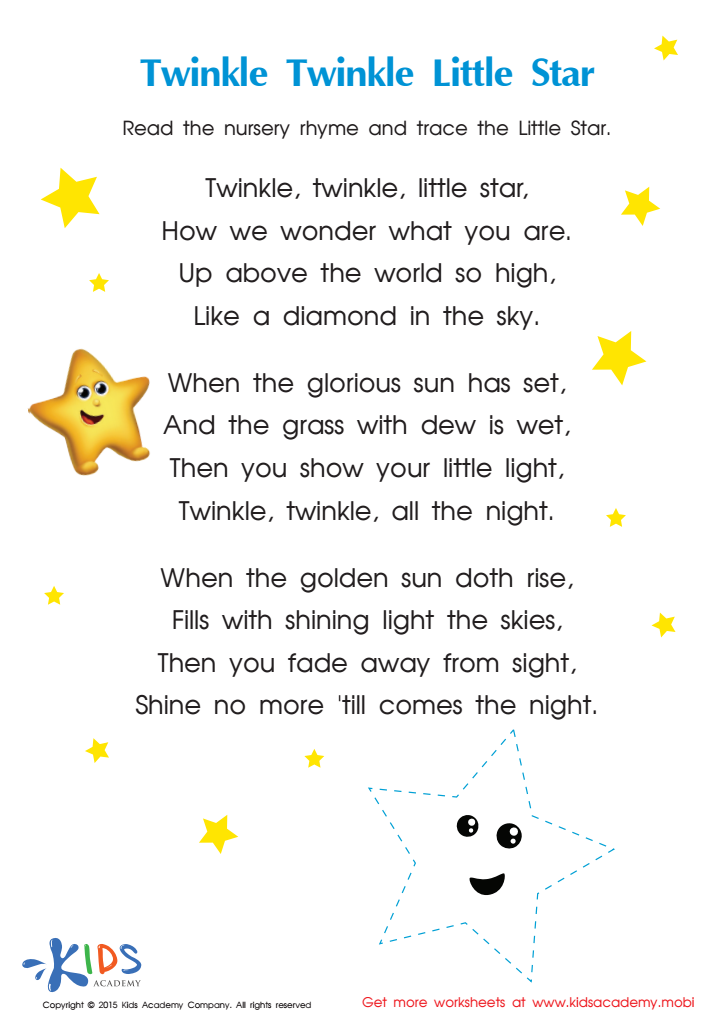
Nursery Rhymes: Twinkle Little Star Worksheet
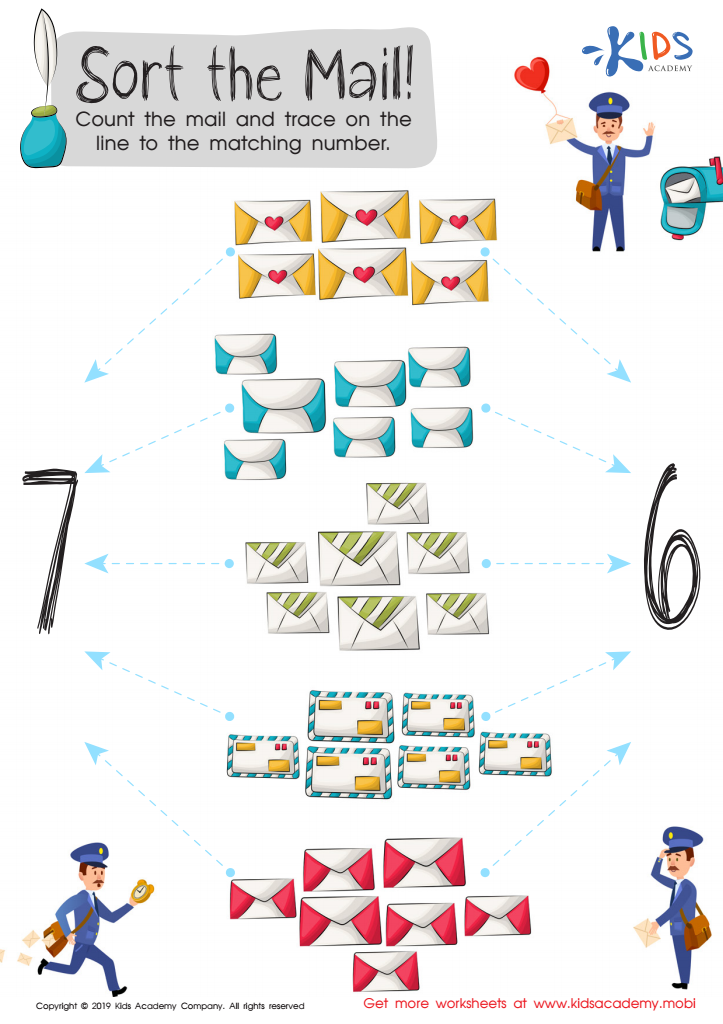
Sort the Mail Worksheet






.jpg)

Reading practice for ages 4-5 is crucial for several reasons, particularly during a child’s early years. At this age, children are developing foundational language and cognitive skills that will set the tone for their educational journey. Practicing reading, even with simple, age-appropriate materials, helps enhance vocabulary, phonemic awareness, and comprehension skills, which are essential for future academic success.
Firstly, early reading practice fosters a love for books and learning. Kids who are exposed to reading early are more likely to develop a positive attitude towards it, which can lead to lifelong learning and curiosity. Secondly, reading with young children strengthens their listening and concentration skills, pivotal for academic excellence in later years. Socially, it can improve their communication abilities, helping them articulate thoughts and ideas clearly.
Moreover, shared reading experiences create bonding opportunities between the child and their caregivers. This not only promotes emotional security but also models good reading habits and techniques. Scientific research underscores the importance of early literacy, showing a direct correlation between early reading proficiency and later success in school and life.
Therefore, incorporating reading practice early on helps lay a strong educational foundation, contributing to well-rounded, confident, and capable learners. Parents and teachers play a critical role in this developmental phase by making reading engaging and encouraging consistent practice.








