Counting skills Easy Math Worksheets for Ages 4-5 - Page 2
66 filtered results
-
From - To
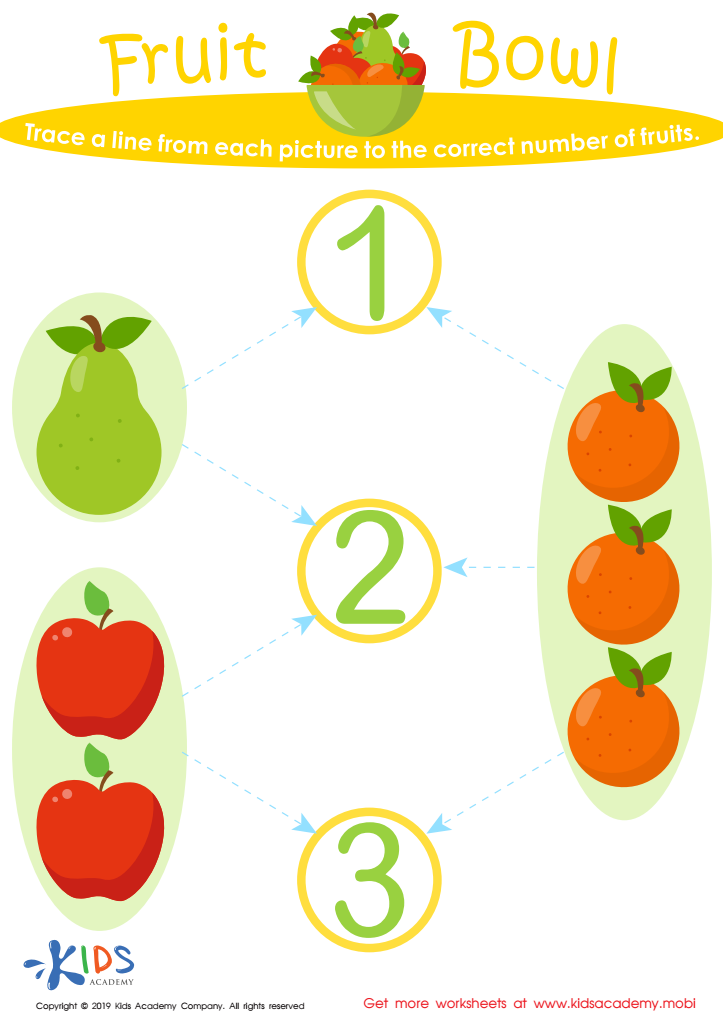
Fruit Bowl Worksheet
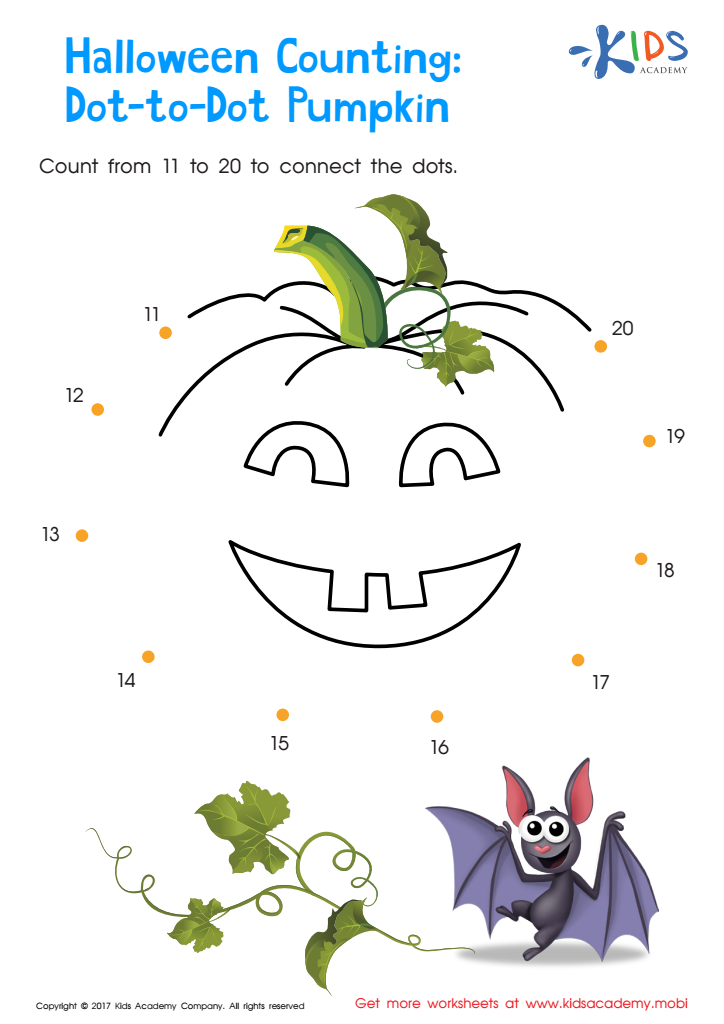
Ordering 11–20: Halloween Counting Worksheet
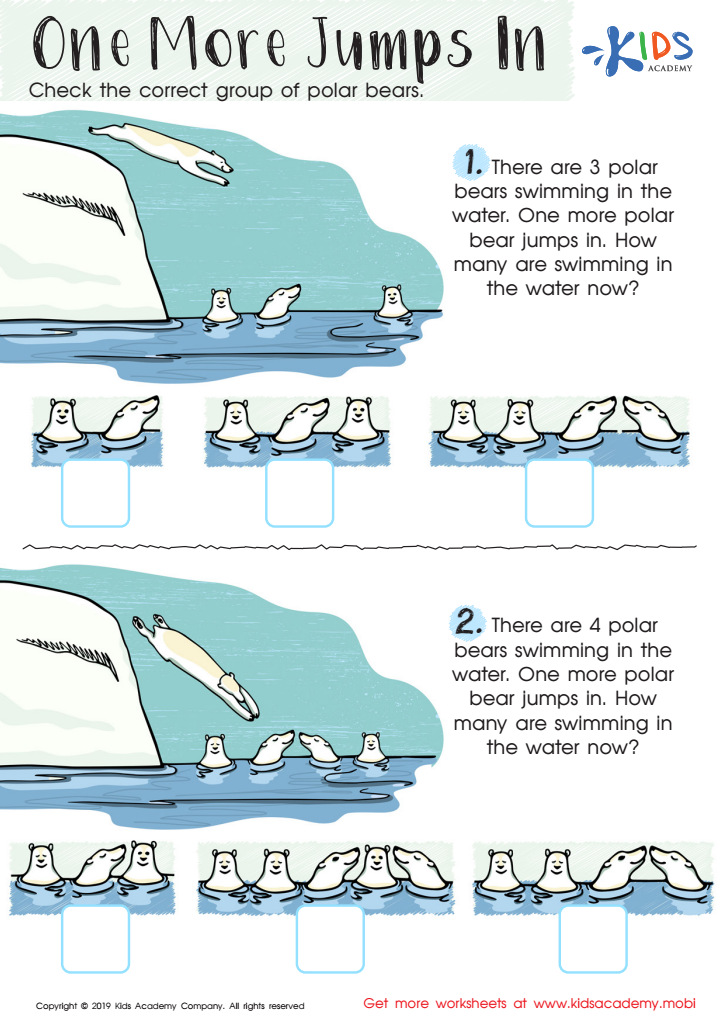
One More Jumps In Worksheet
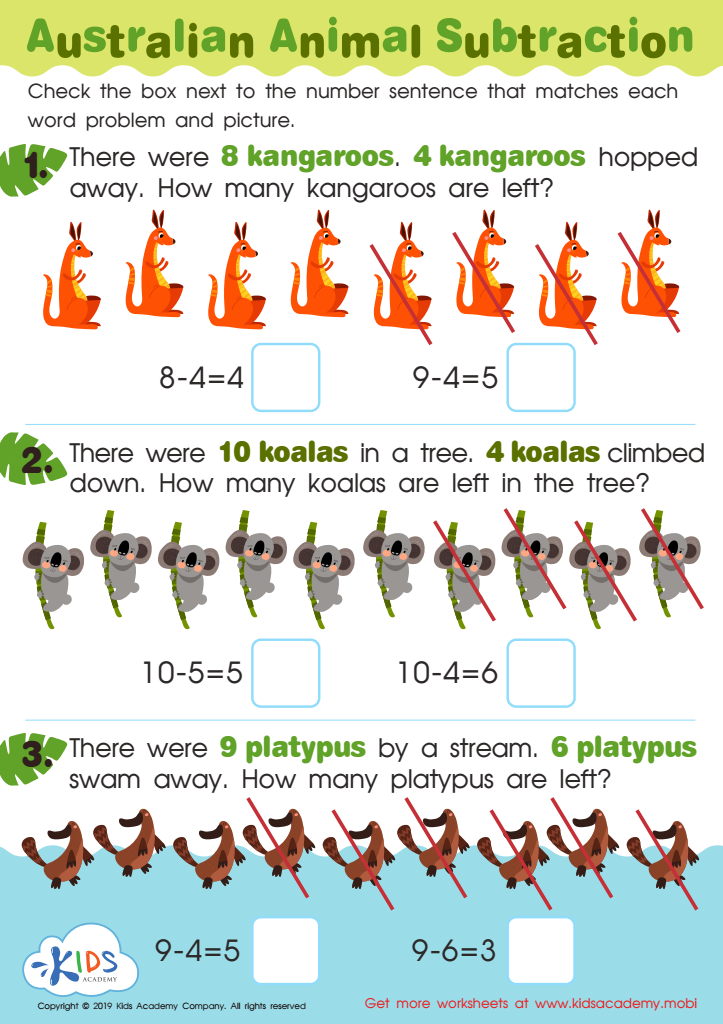
Australian Animal Subtraction Worksheet
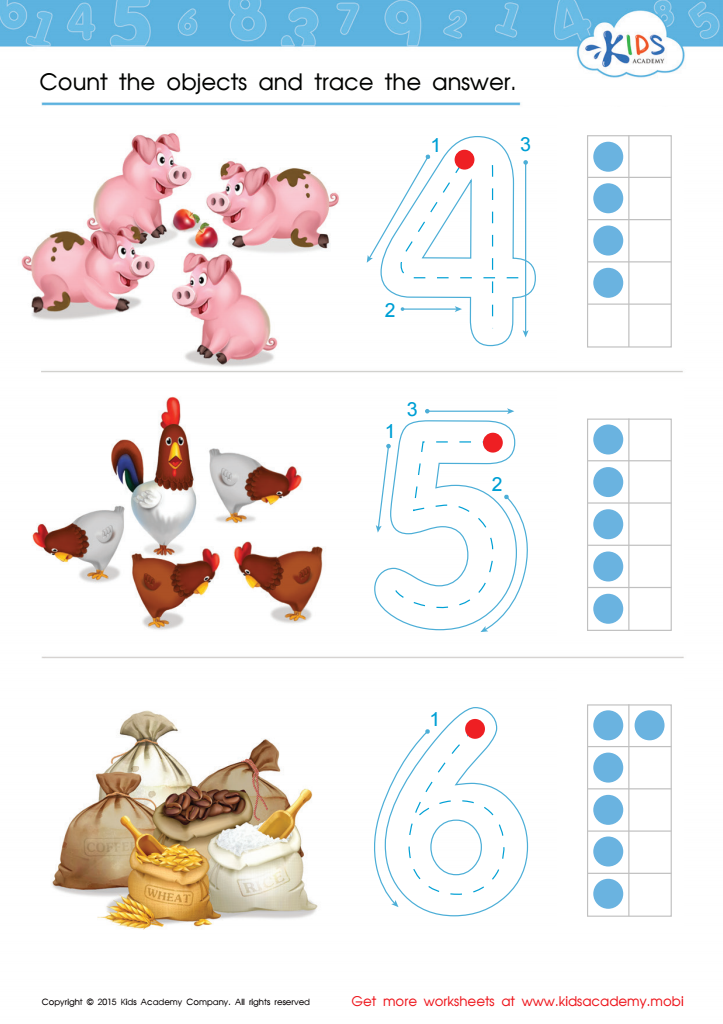
Count and Trace 4 – 6 Worksheet
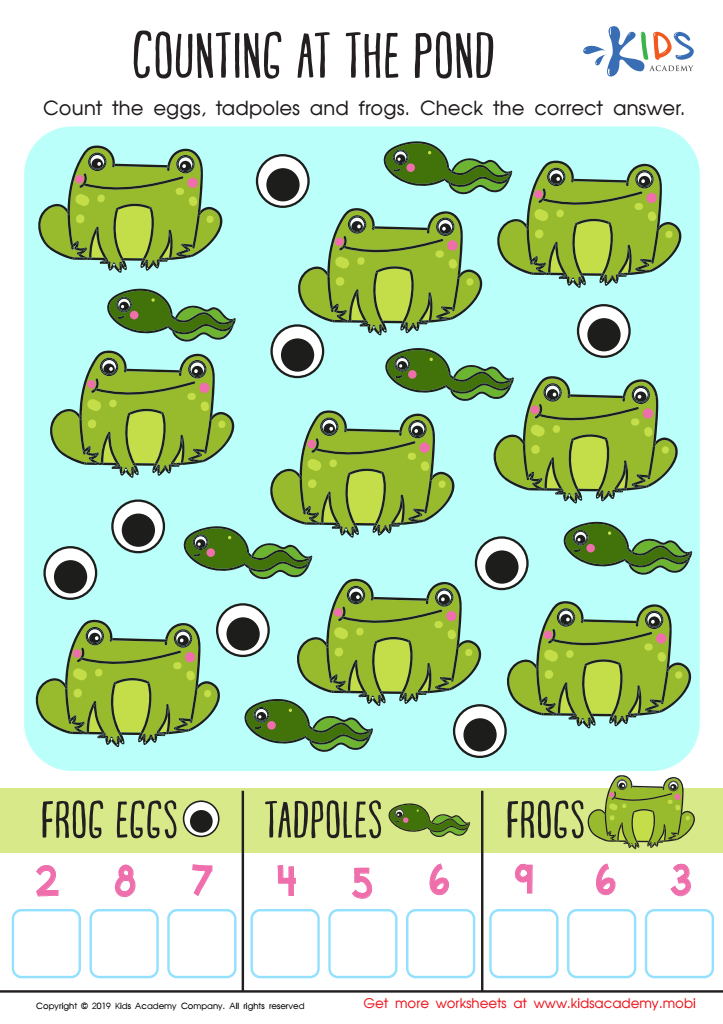
Counting at the Pond Worksheet
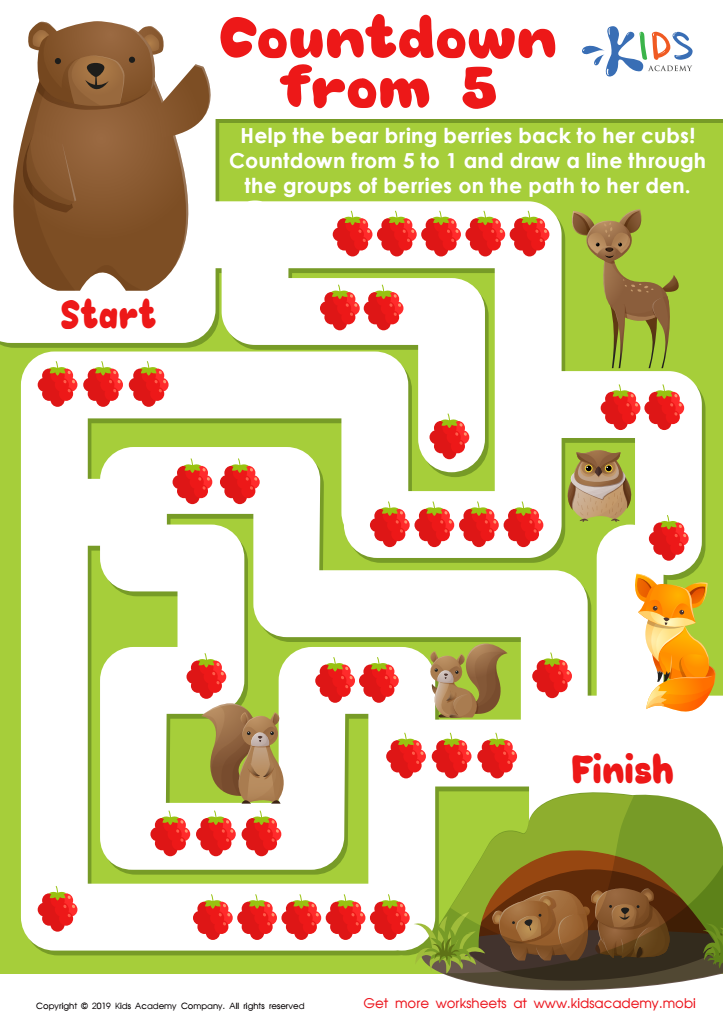
Countdown from 5 Worksheet
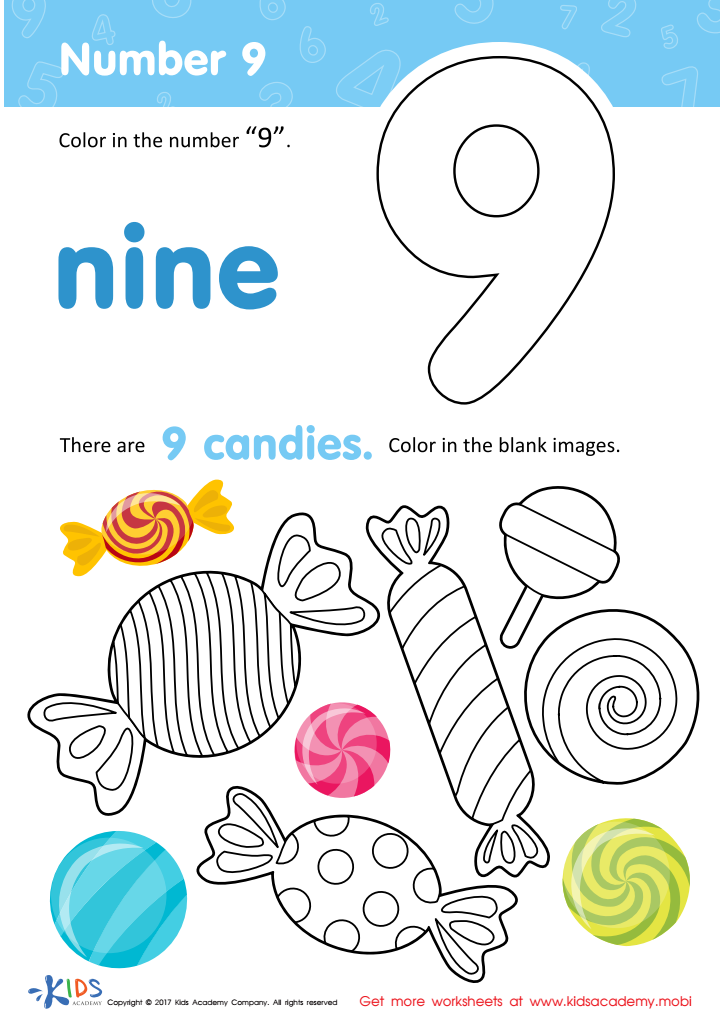
Number 9 Printable
 Assign to My Students
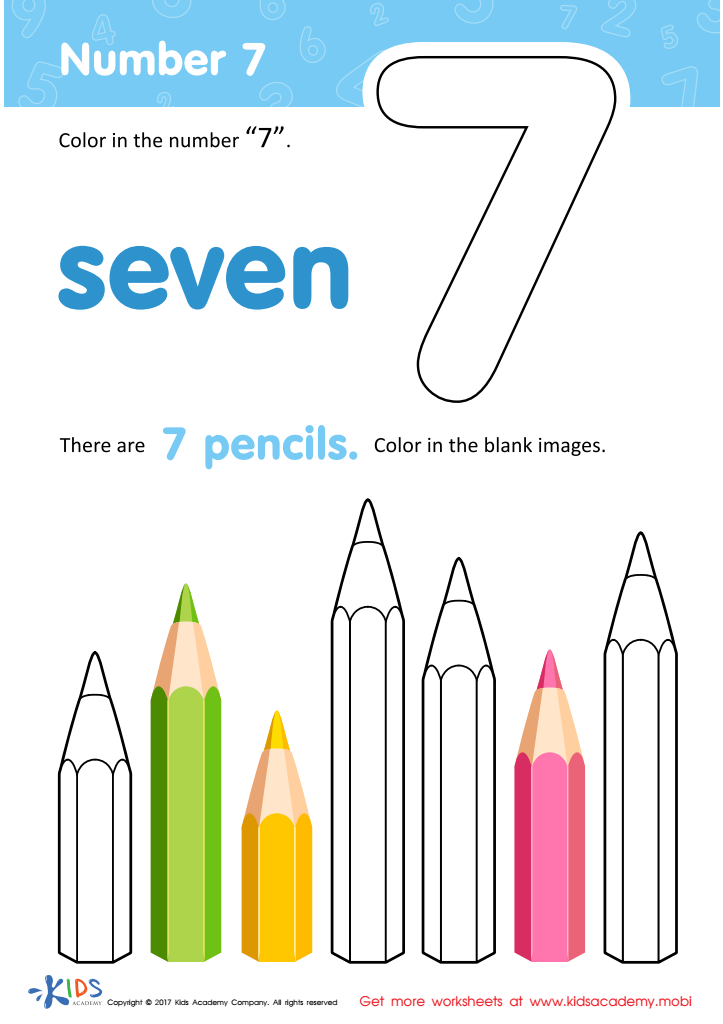
Number 7 Worksheet
Assign to My Students
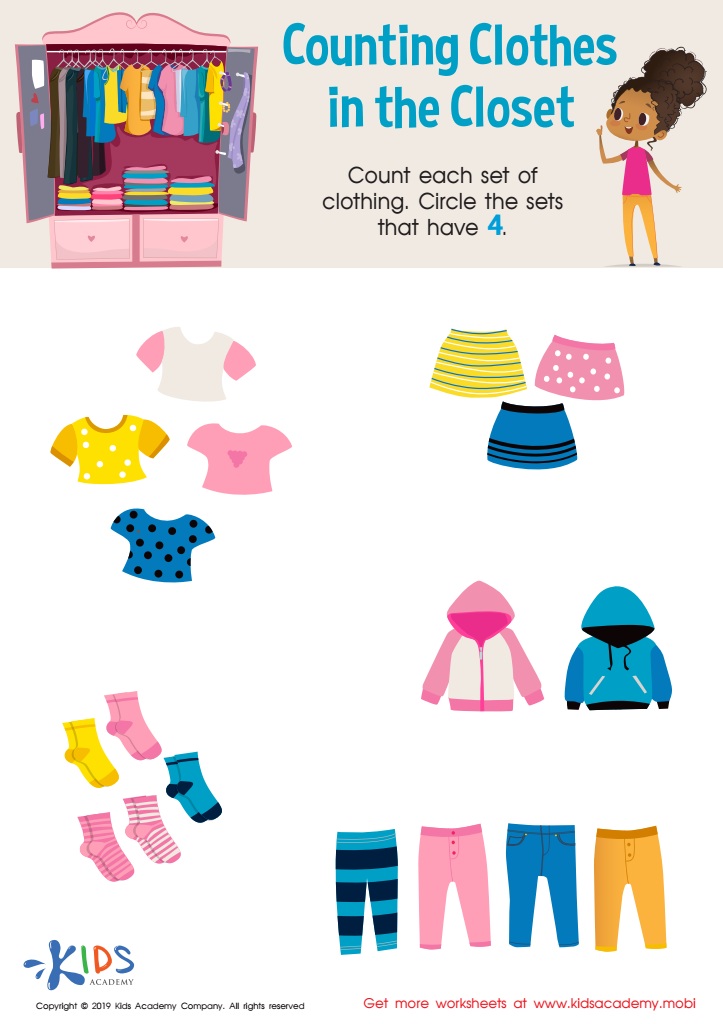
Counting Clothes Worksheet
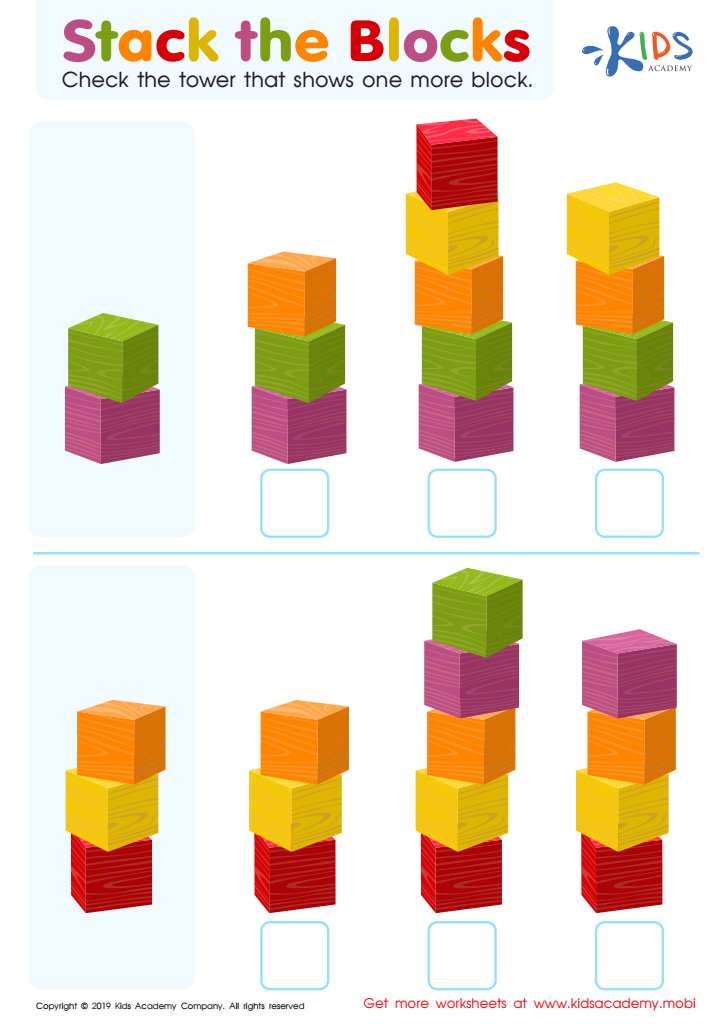
Stack the Blocks Worksheet
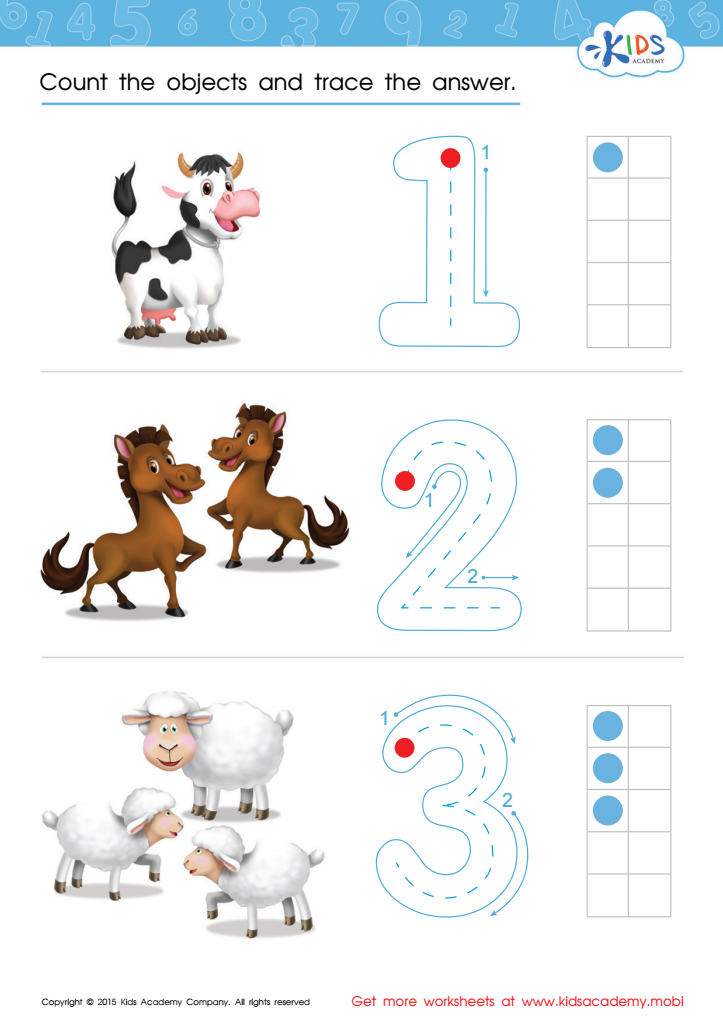
Count and Trace 1 – 3 Worksheet
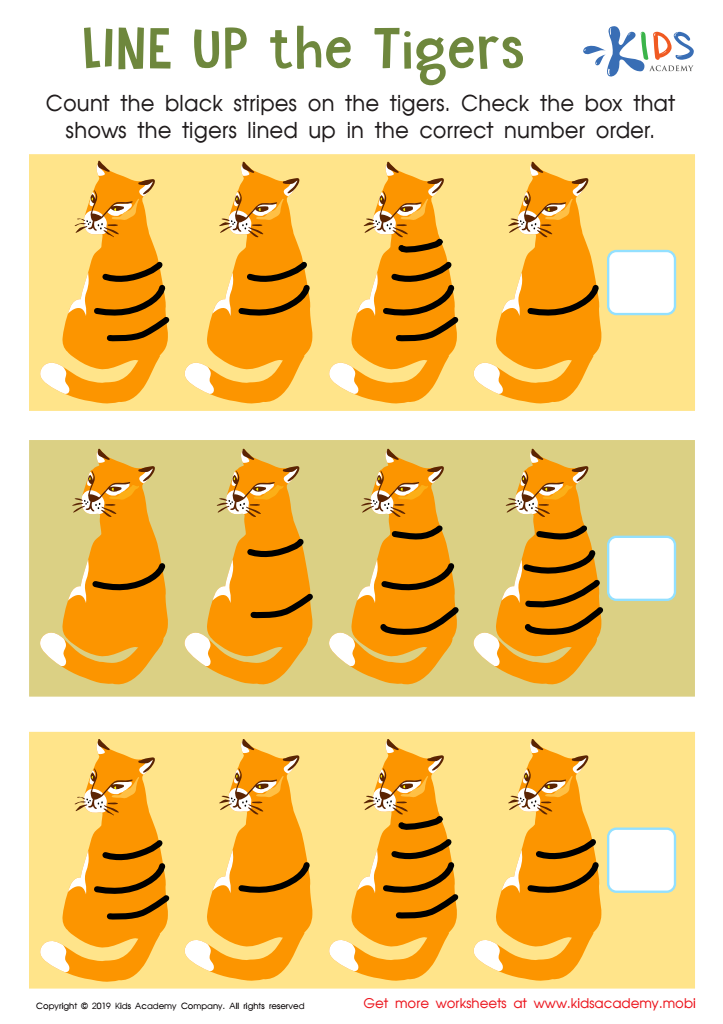
Line up the Tigers Worksheet
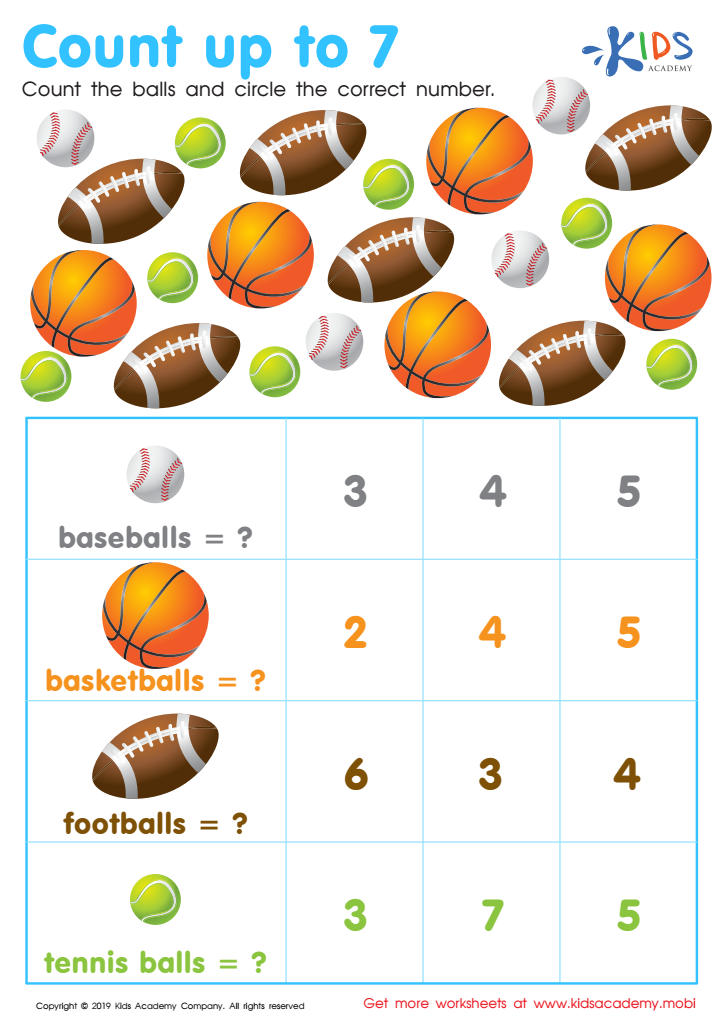
Count up to 7 Worksheet
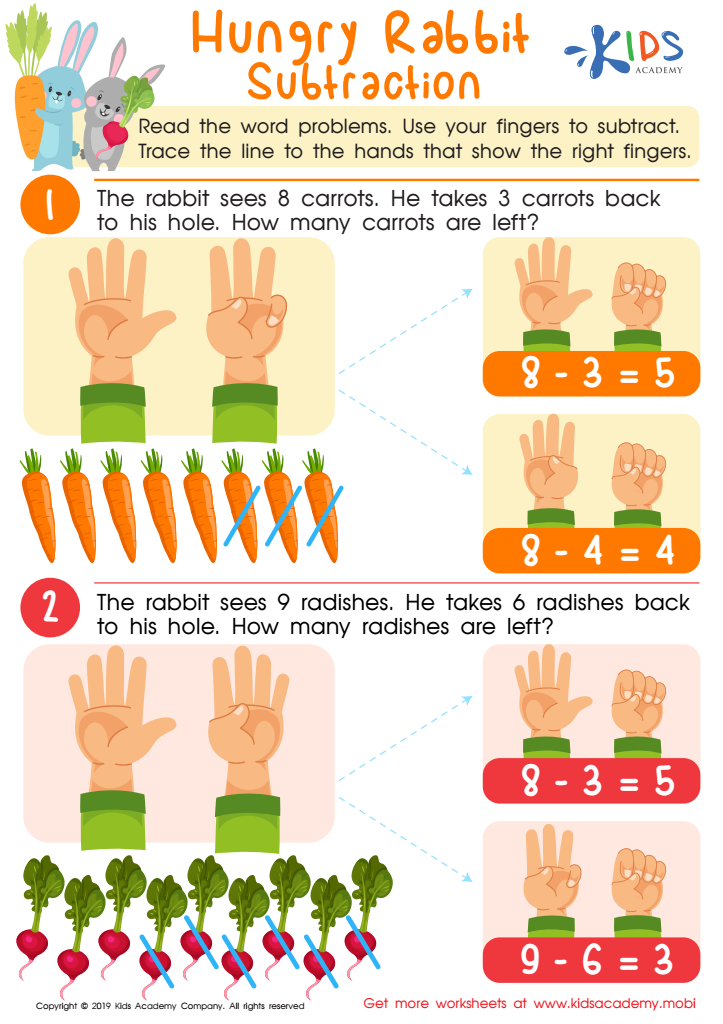
Hungry Rabbit Subtraction Worksheet
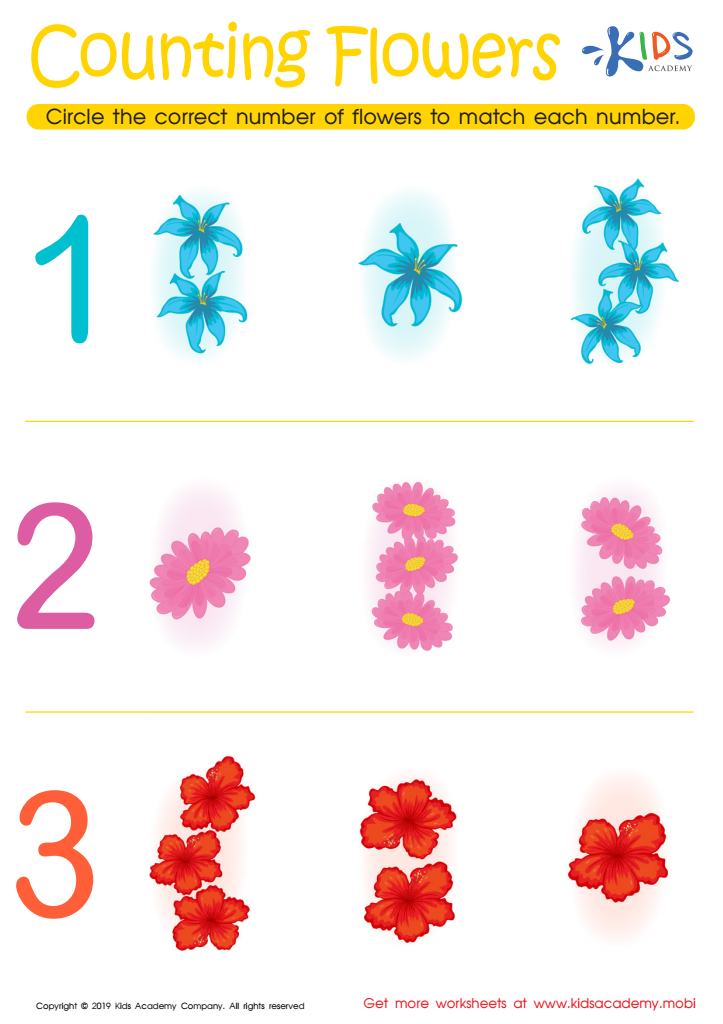
Counting Flowers Worksheet
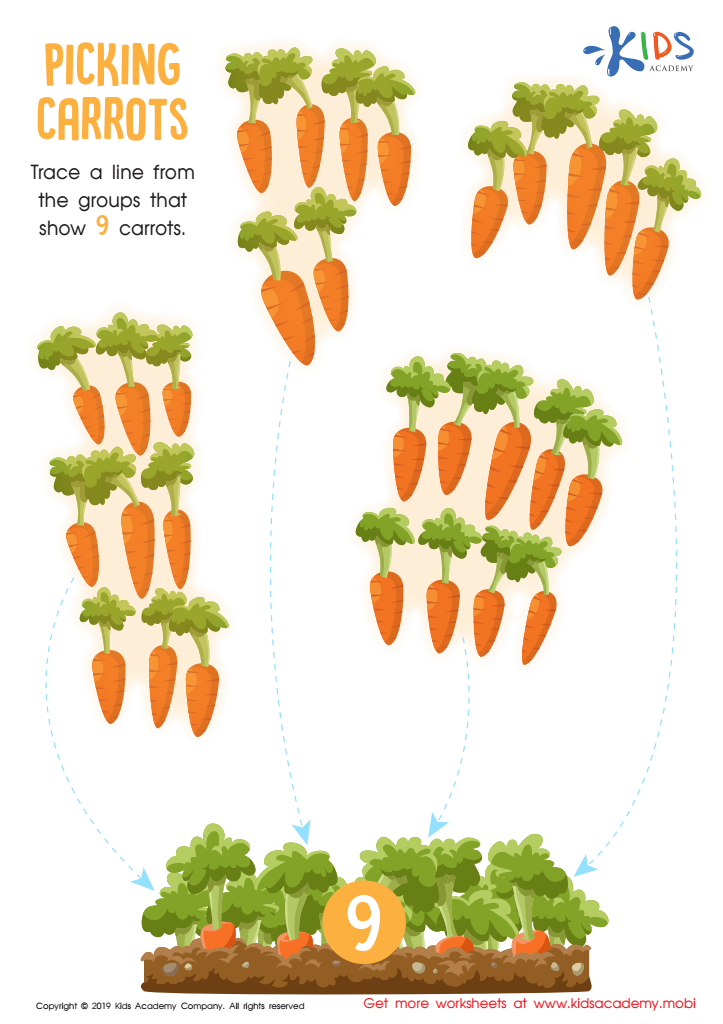
Picking Carrots Worksheet
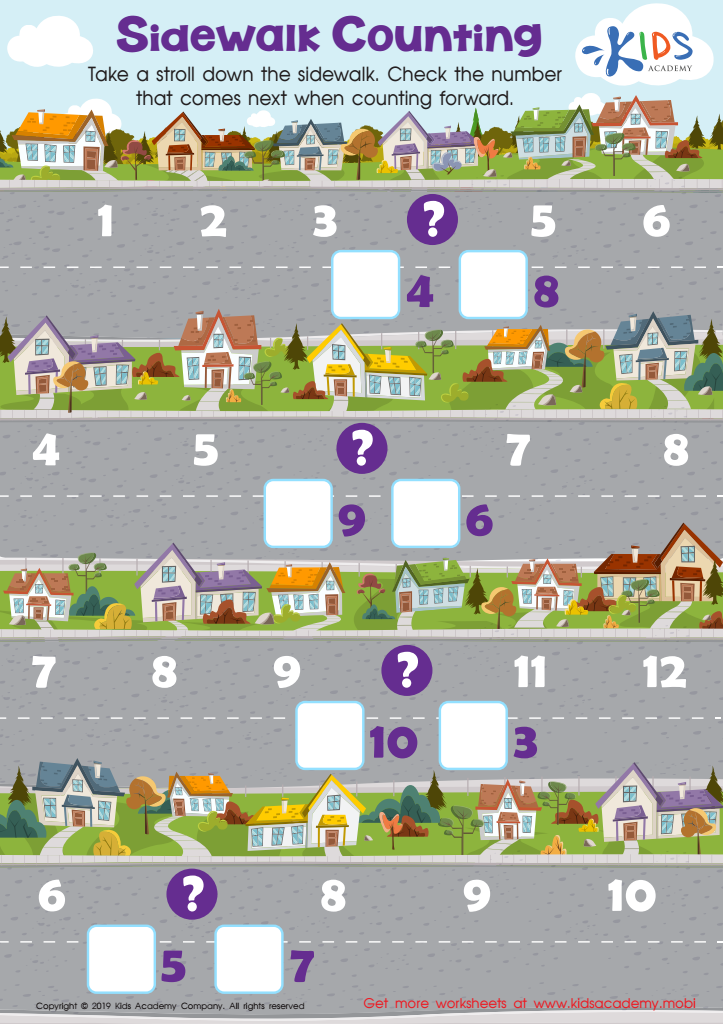
Sidewalk Counting Worksheet
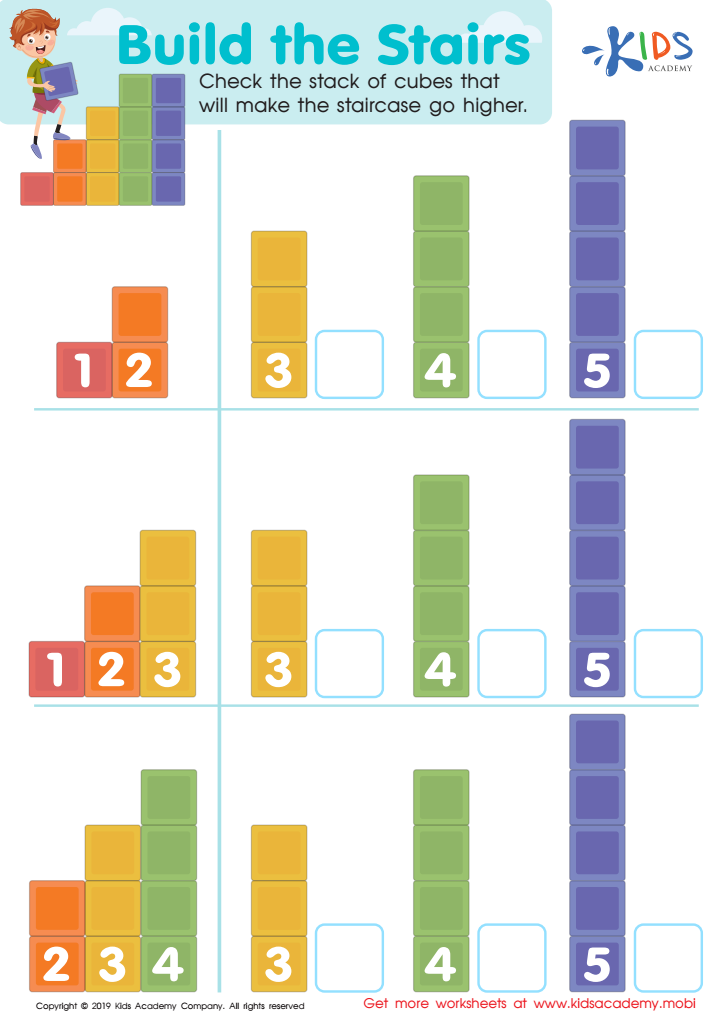
Build the Stairs Worksheet
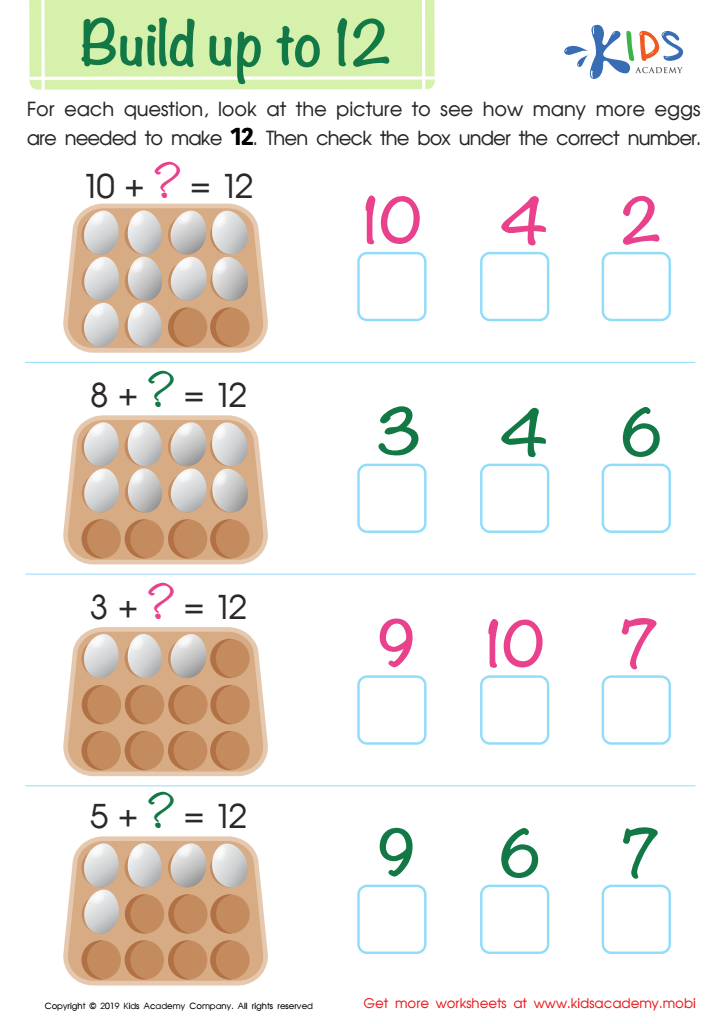
Build up to 12 Worksheet
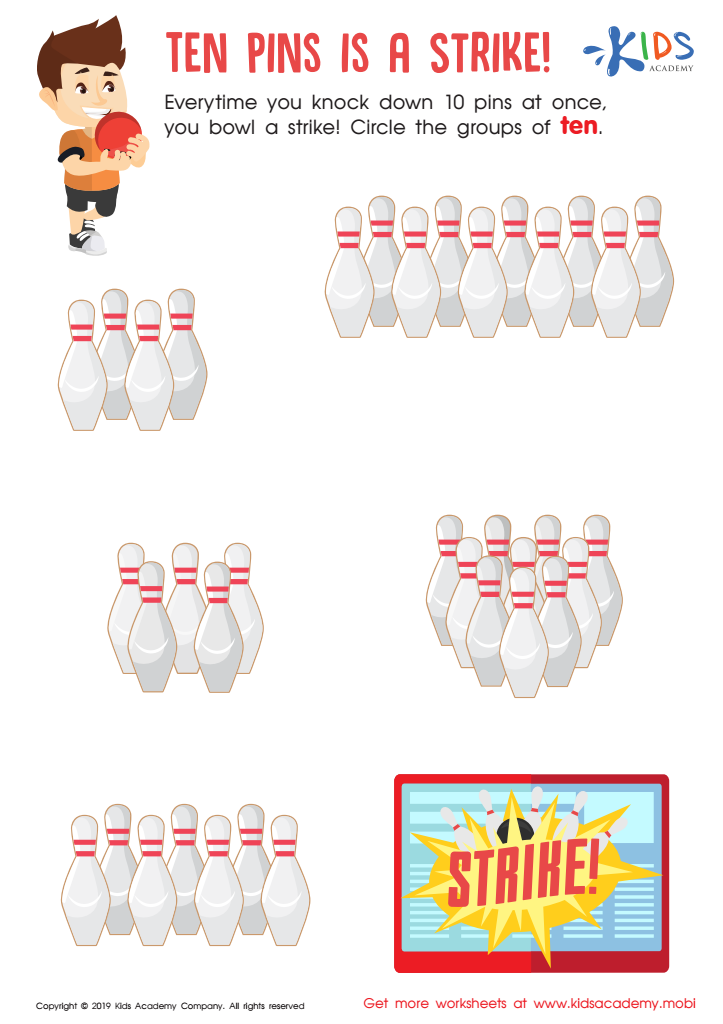
Ten Pins is a Strike Worksheet
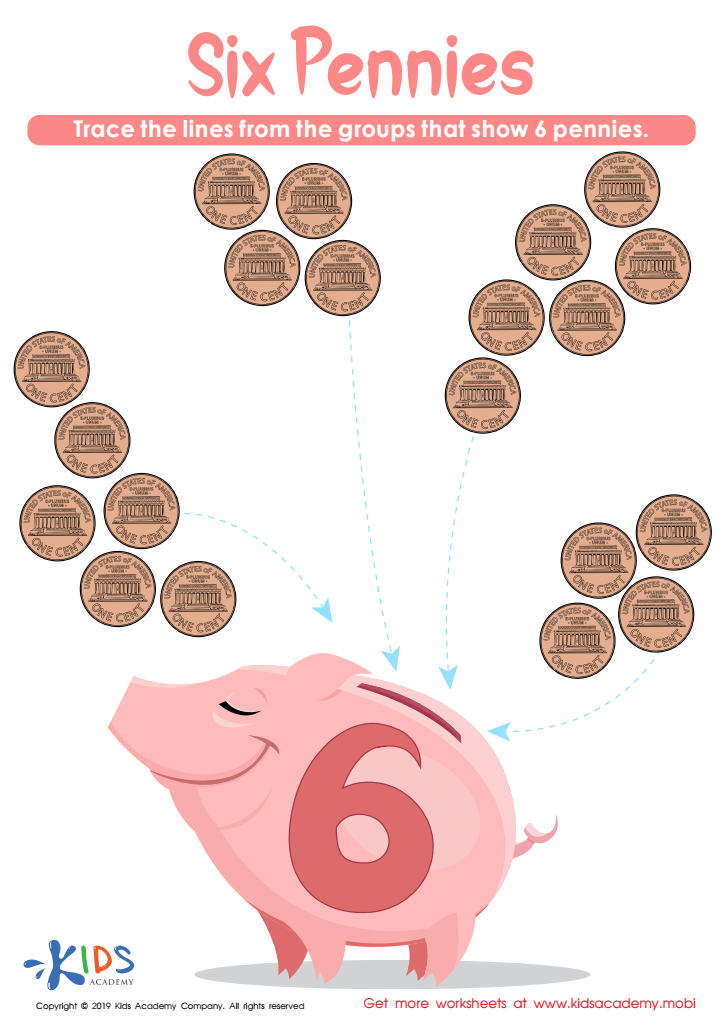
Six Pennies Worksheet
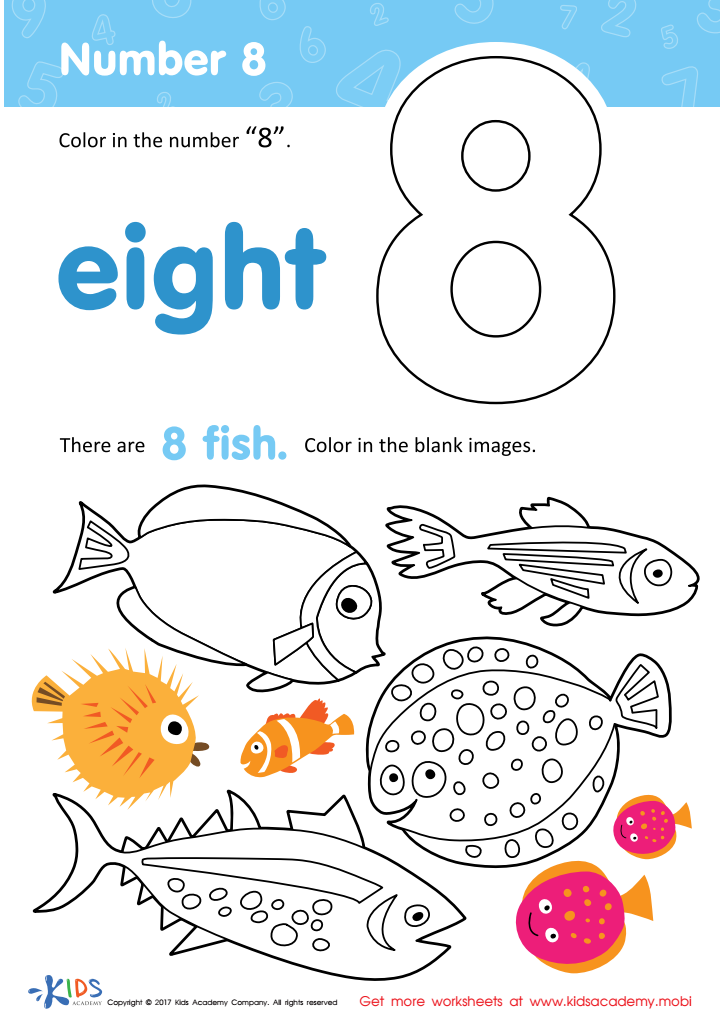
Number 8 Printable
Assign to My Students
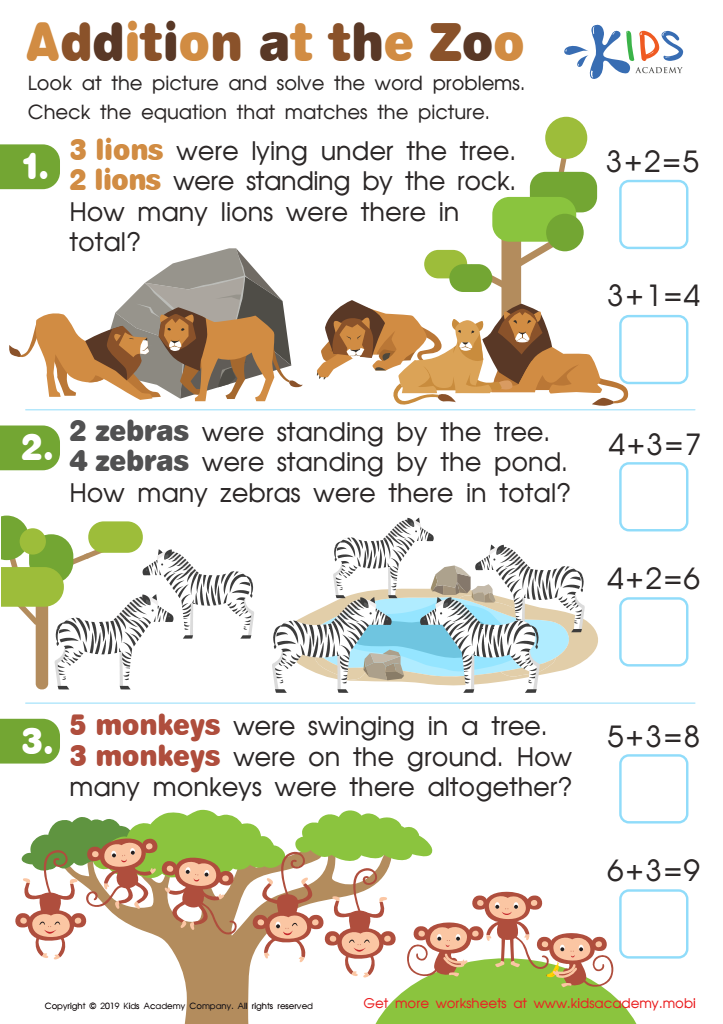
Addition at the Zoo Worksheet








Counting skills are foundational for young children's overall mathematical development, and parents or teachers should care deeply about nurturing these skills in children aged 4-5. At this critical stage, children are beginning to understand numbers and their significance, and early proficiency in counting sets the stage for future math success.
Counting is more than just reciting numbers; it teaches one-to-one correspondence, where a child learns to match each number with an object. This helps in developing a concrete understanding of quantities. Additionally, counting skills foster a child’s ability to recognize patterns, understand sequences, and build memory retention, all of which are key components not only in math but in other academic areas and everyday life.
Early exposure to counting also boosts cognitive development and problem-solving abilities. As children become adept, they gain confidence and enthusiasm for learning, which promotes a positive attitude toward mathematics in general. Furthermore, engaging in counting activities can strengthen parent-child and teacher-student relationships as these interactions are often fun, playful, and educational.
In summary, emphasizing easy math and counting skills at ages 4-5 provides children with critical tools for academic success and lifelong learning, laying down a strong foundation for their future educational journey.








