Story sequencing Easy Reading Comprehension Worksheets for Ages 4-5
3 filtered results
-
From - To
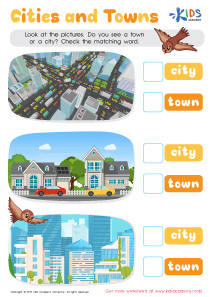
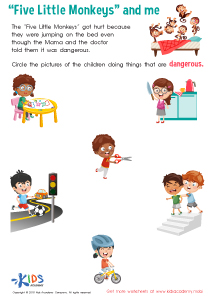
Enhance your child's reading skills with our Story Sequencing Easy Reading Comprehension Worksheets, designed specifically for ages 4-5. These engaging worksheets help young learners understand story flow by arranging events in the correct sequence. With colorful illustrations and age-appropriate content, children will connect with stories, boost their comprehension, and develop critical thinking skills. Perfect for early literacy, these worksheets provide a fun way to reinforce narrative skills while fostering a love for reading. Ideal for both classroom and at-home learning, our resources ensure that children not only learn but also enjoy the process. Start their learning adventure today!
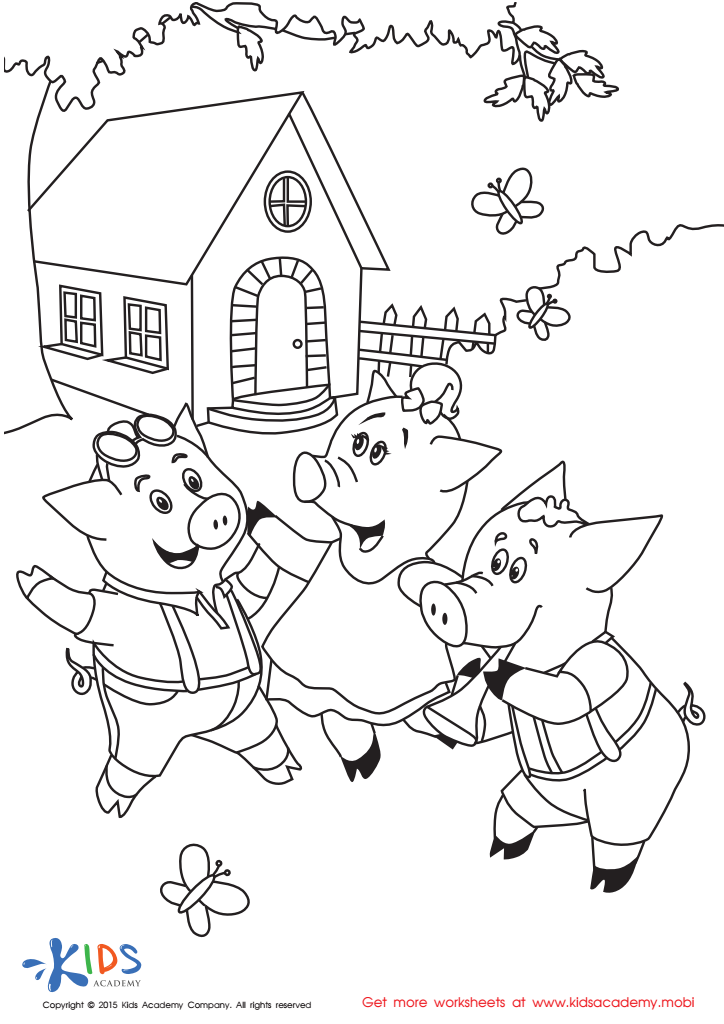
Folktales Printable PDF Worksheet: The 3 Little Pigs
 Assign to My Students
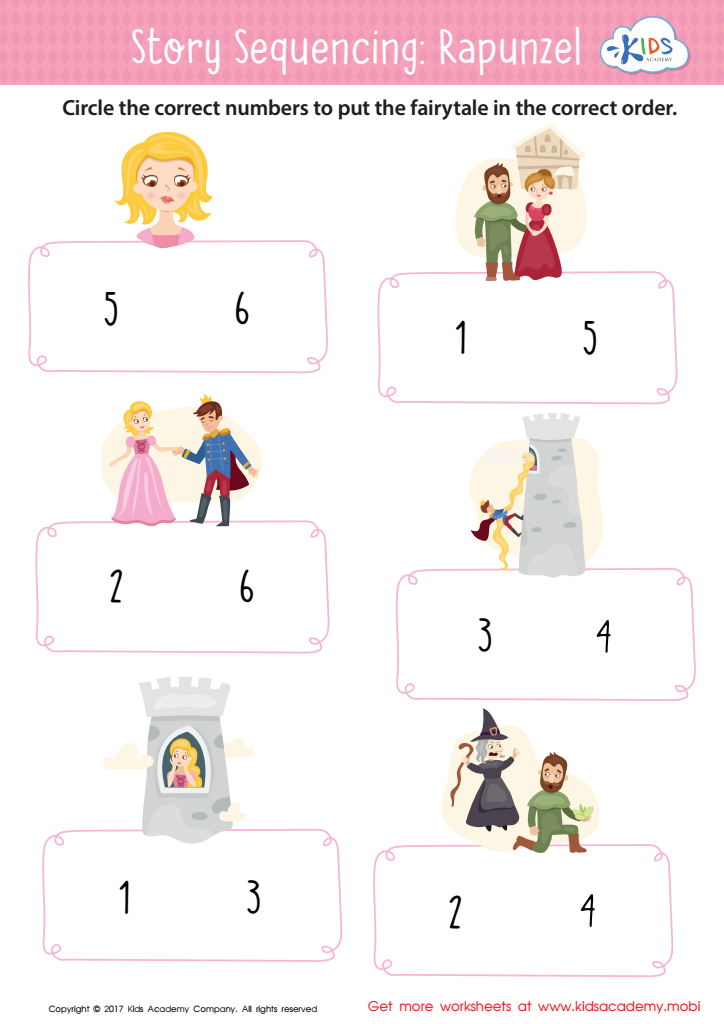
Rapunzel Story Sequencing Worksheet
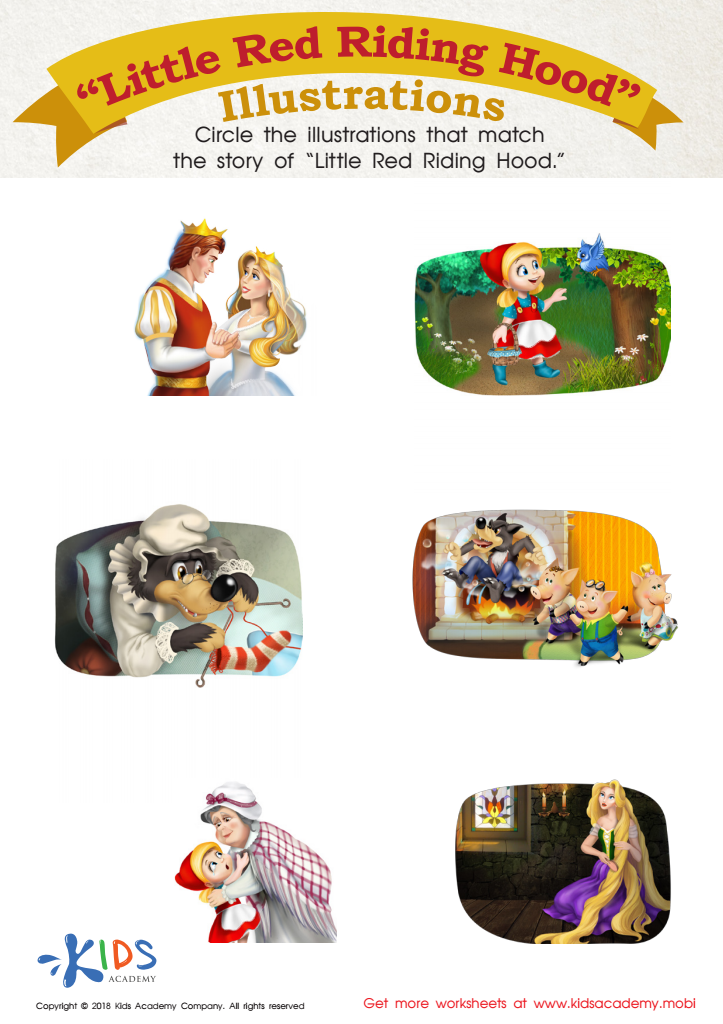
Little Red Riding Hood: Illustrations Worksheet








Story sequencing is a fundamental skill in early literacy that significantly benefits children aged 4-5. By understanding the order of events in a story, children enhance their reading comprehension, which is crucial for their overall academic success. This age group is inherently curious, and story sequencing taps into this natural inclination, encouraging them to think critically about how stories unfold.
When parents or teachers emphasize story sequencing, they help children develop vital cognitive skills, such as memory retention and logical reasoning. Being able to identify the beginning, middle, and end of a story lays a strong foundation for children to express their thoughts, make predictions, and relate to their own experiences.
These skills foster a love for reading, sparking engagement not only in literature but in learning as a whole. Additionally, story sequencing activities promote language development, as children are given the opportunity to articulate their understanding and share narratives with peers and caregivers.
In a classroom or at home, incorporating story sequencing into play can make learning fun, providing children with tools that extend beyond literacy—such as patience, empathy, and teamwork. Ultimately, nurturing these skills prepares children for future learning in a wide array of subjects.