Attention to Detail Easy Worksheets for Ages 4-6
5 filtered results
-
From - To
Discover our engaging "Attention to Detail Easy Worksheets" designed for children aged 4-6. These carefully crafted worksheets help young learners develop crucial observation and focus skills through fun and interactive activities. Each worksheet encourages children to identify differences, patterns, and changes in visuals, promoting concentration and attention. Perfect for parents and educators, these resources can be used at home or in the classroom to enhance cognitive development and critical thinking. Boost your child's learning journey with our thoughtfully designed materials that make honing attention to detail enjoyable and effective. Start exploring our collection today and watch your child's skills flourish!
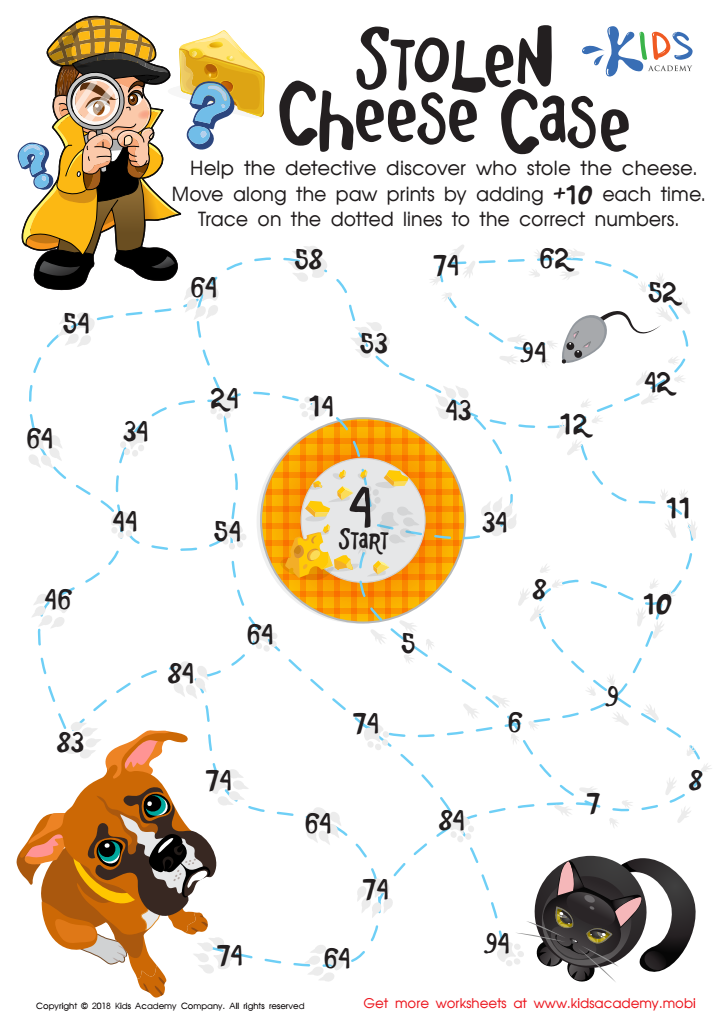
Stolen Cheese Case Maze Worksheet
 Assign to My Students
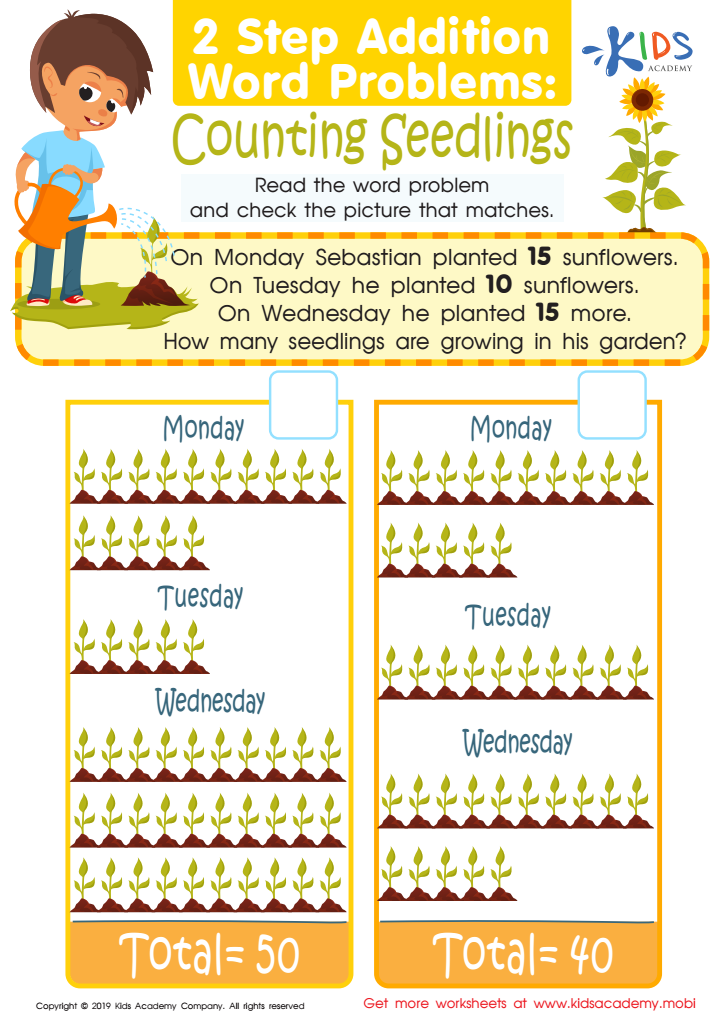
Counting Seedlings Worksheet
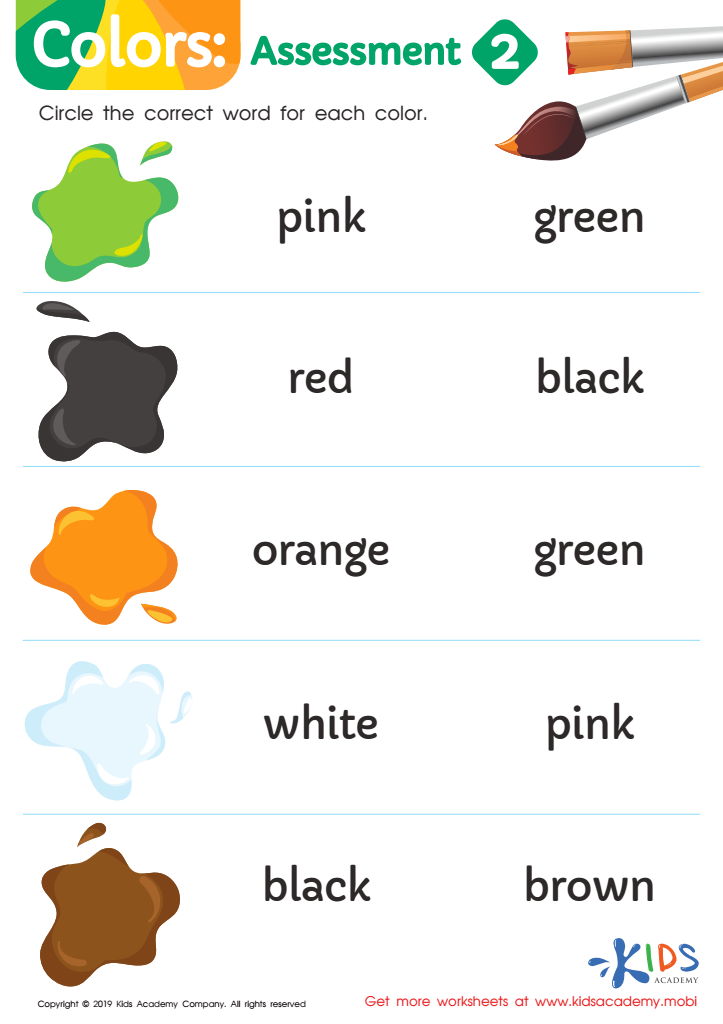
Colors: Assessment 2 Worksheet

Cities Worksheet
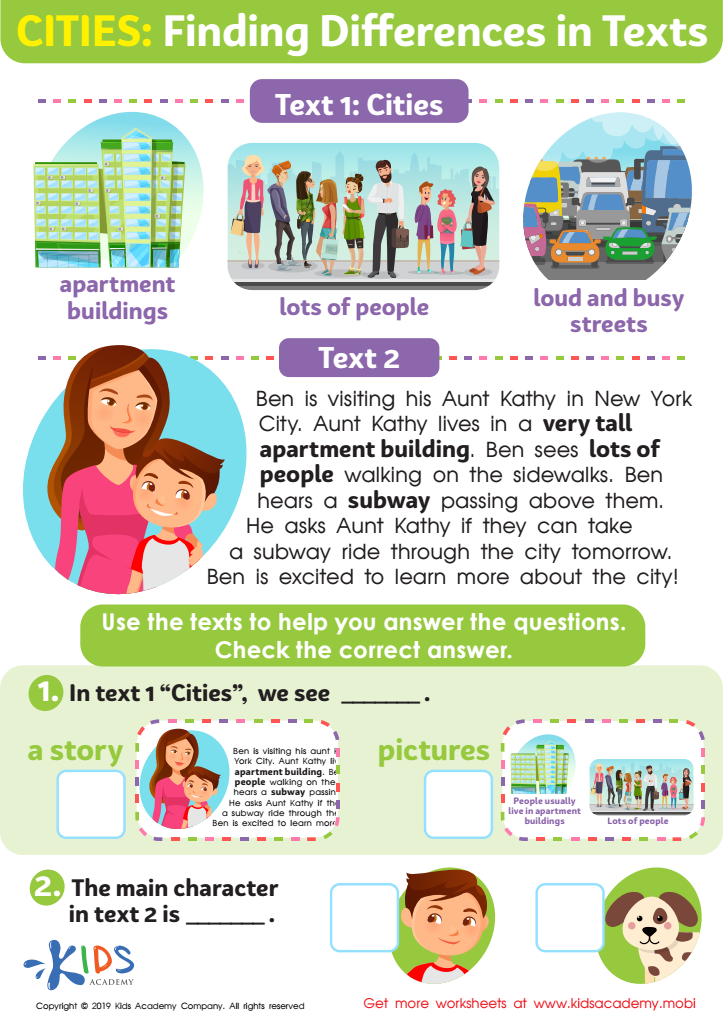
Cities: Finding Differences Worksheet








Attention to detail is crucial for children aged 4-6 as it lays the foundation for their cognitive, social, and emotional development. This skill enables young learners to focus on specific elements in their environment, helping them to process information and understand their surroundings more profoundly.
For parents and teachers, fostering attention to detail nurtures critical thinking and problem-solving abilities. By guiding children to observe small details in stories, art, or everyday situations, educators and caregivers encourage them to draw connections between actions and outcomes, fostering a sense of curiosity and inquiry.
Moreover, strong attention to detail supports literacy and mathematics learning. For example, recognizing letters and numbers or patterns and shapes requires focus on small components of larger concepts. Children who excel in this area can better follow instructions, as they become adept at noticing and remembering details, leading to increased confidence in themselves and their abilities.
Ultimately, promoting attention to detail not only enhances a child’s academic performance but also contributes to their overall social interactions and emotional intelligence, paving the way for well-rounded development as they transition into more complex tasks in the future. Understanding the importance of this skill empowers adults to create an environment rich in opportunities for nurturing it.








