Color recognition Easy Worksheets for Ages 4-6
34 filtered results
-
From - To
Color Recognition Easy Worksheets for Ages 4-6 offers vibrant and engaging activities designed to help young learners identify and differentiate colors. These worksheets feature playful illustrations and interactive tasks that captivate children's attention while promoting essential cognitive skills. Perfect for preschool and kindergarten environments, this resource encourages independent learning and enhances visual discrimination. With a variety of exercises, such as color matching, sorting, and labeling, educators and parents alike can provide fun and effective learning opportunities. Download these worksheets to support your child's developmental journey and watch as they confidently explore the colorful world around them!
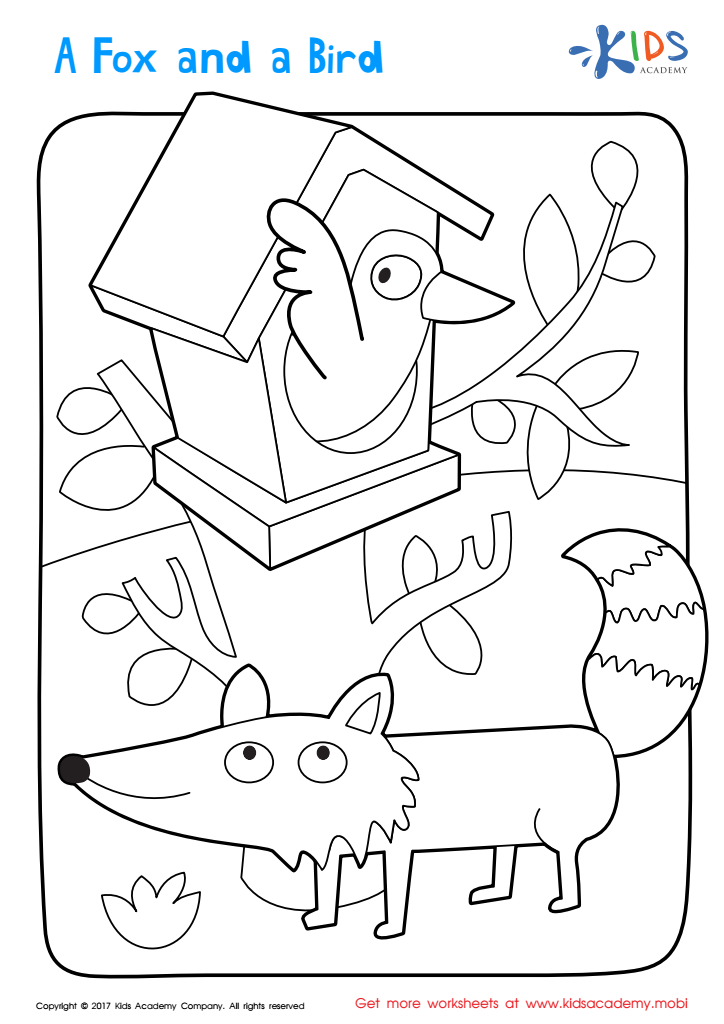
A Fox and Bird Coloring Page
 Assign to My Students
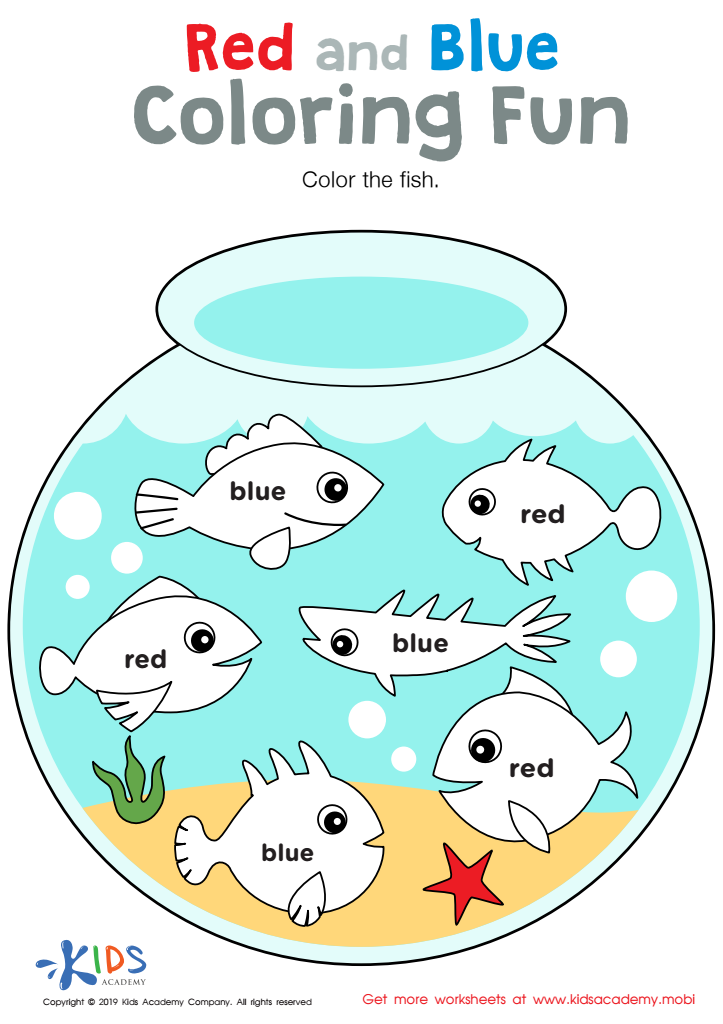
Red and Blue Coloring Fun Worksheet
Assign to My Students

Happy Diwali Printable
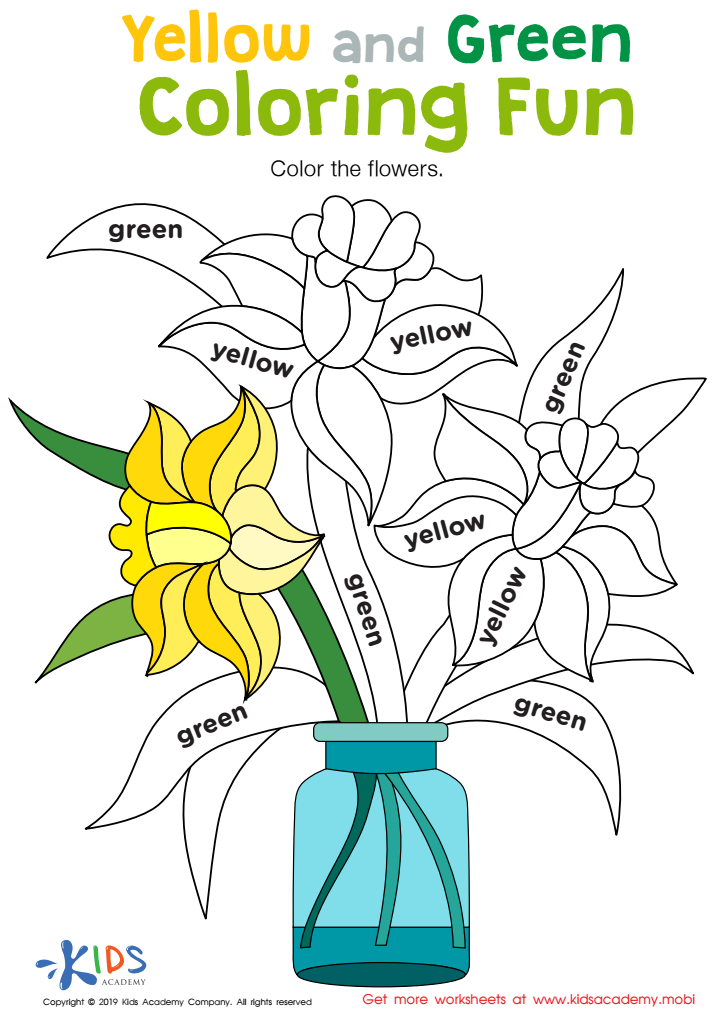
Yellow and Green Coloring Fun Worksheet
Assign to My Students

Pegasus Printable
Assign to My Students
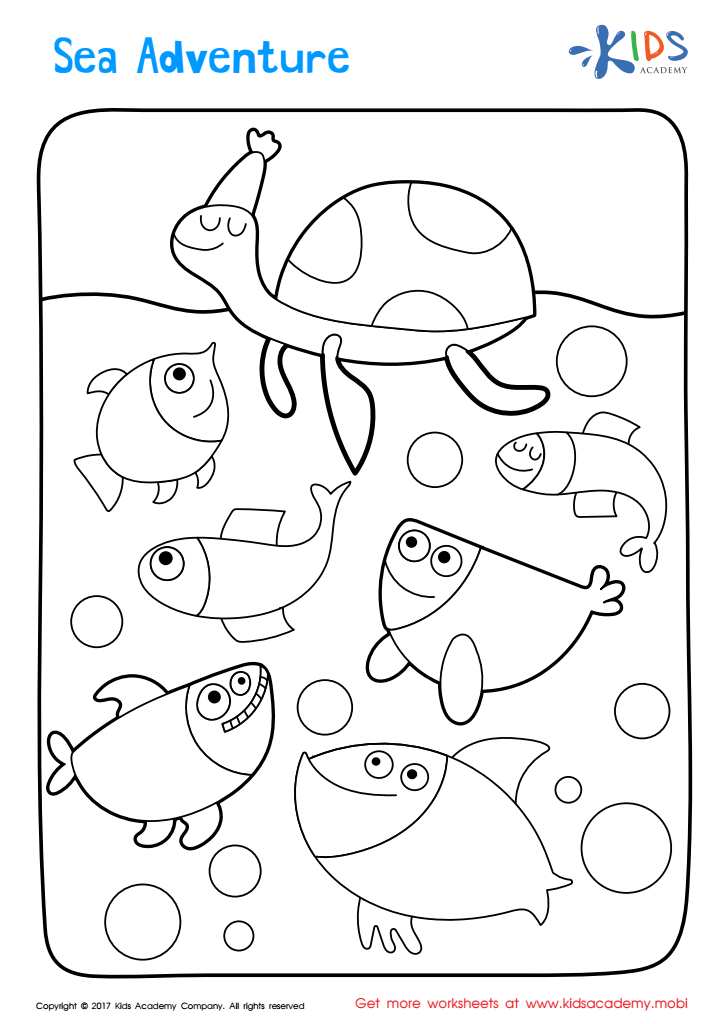
Sea Adventure Coloring Page
Assign to My Students
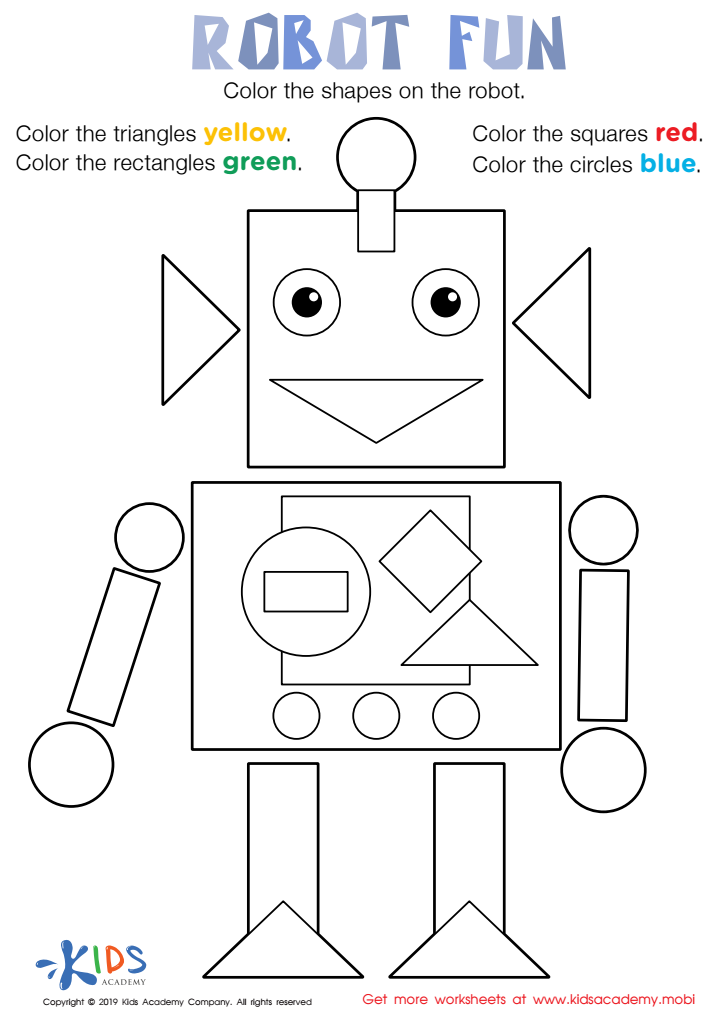
Robot Fun Worksheet
Assign to My Students
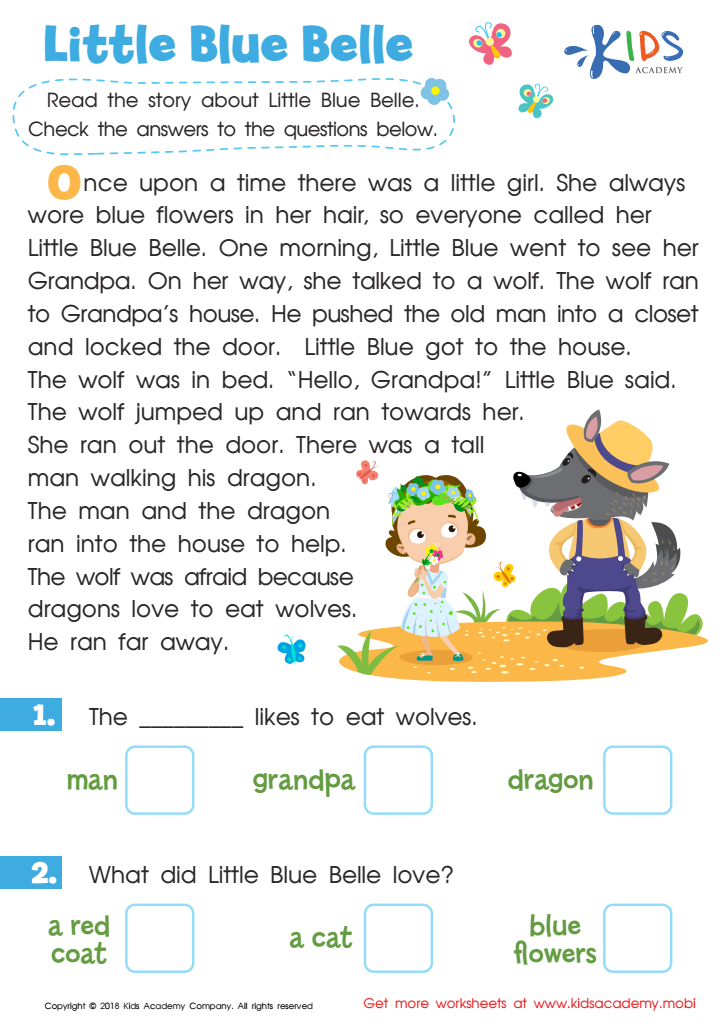
Little Blue Belle Worksheet
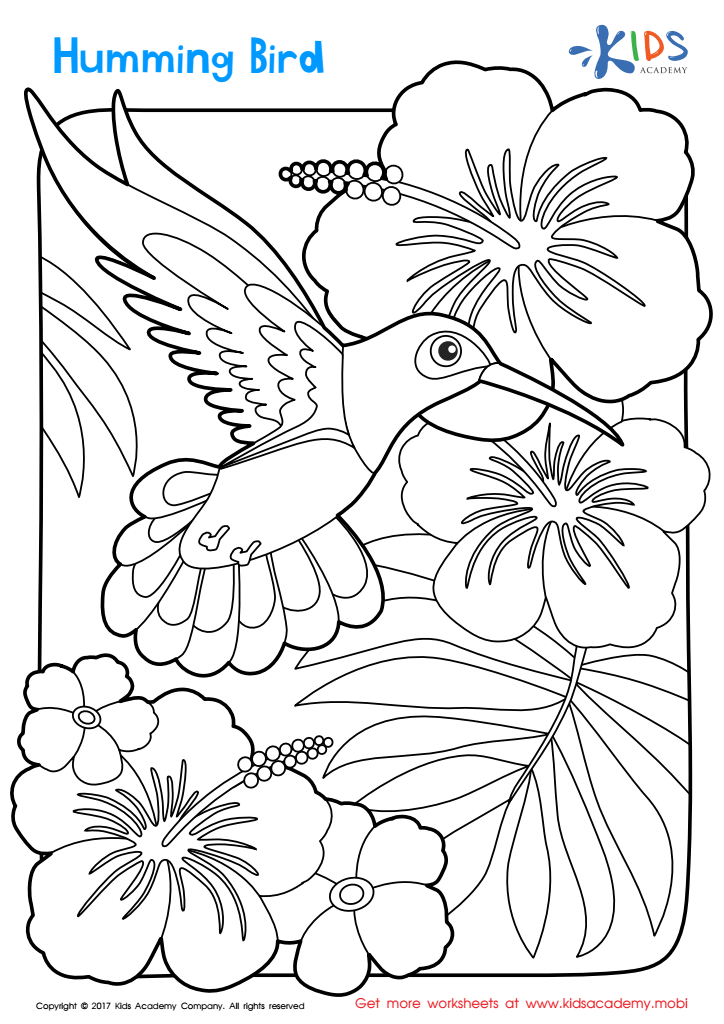
Humming Bird Worksheet
Assign to My Students
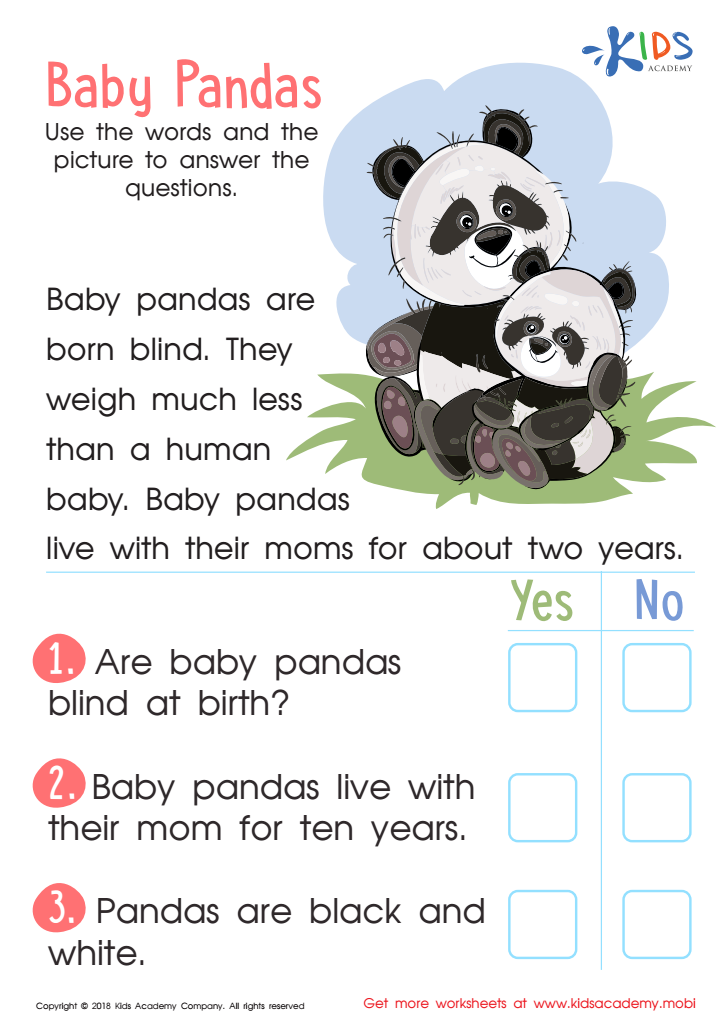
Baby Pandas Worksheet

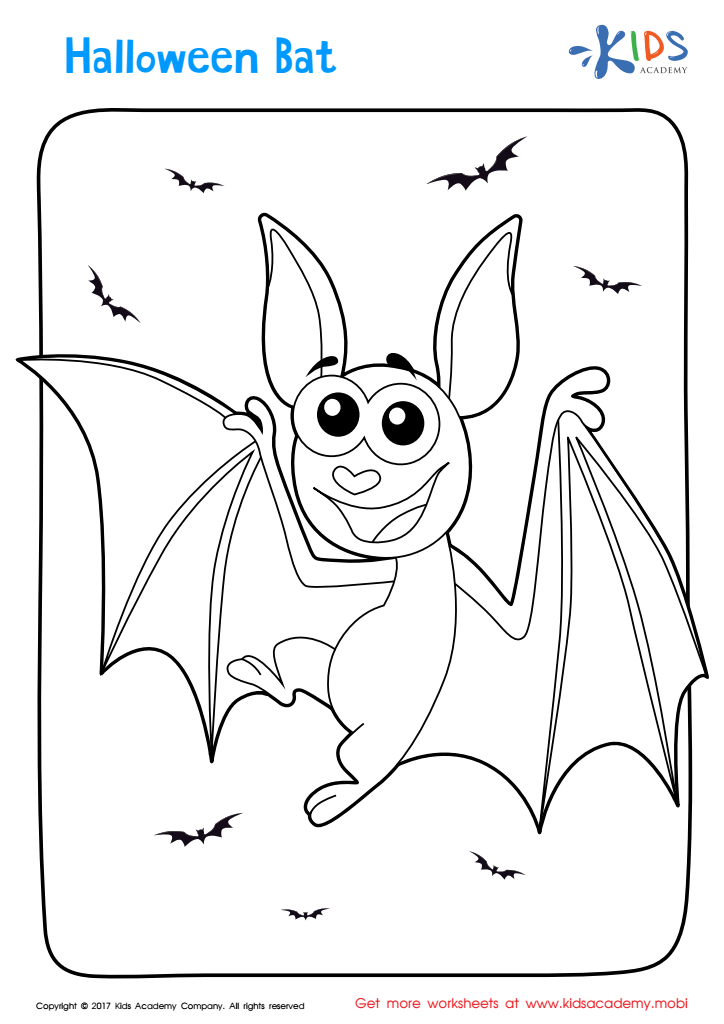
Halloween: A Bat Printable
Assign to My Students
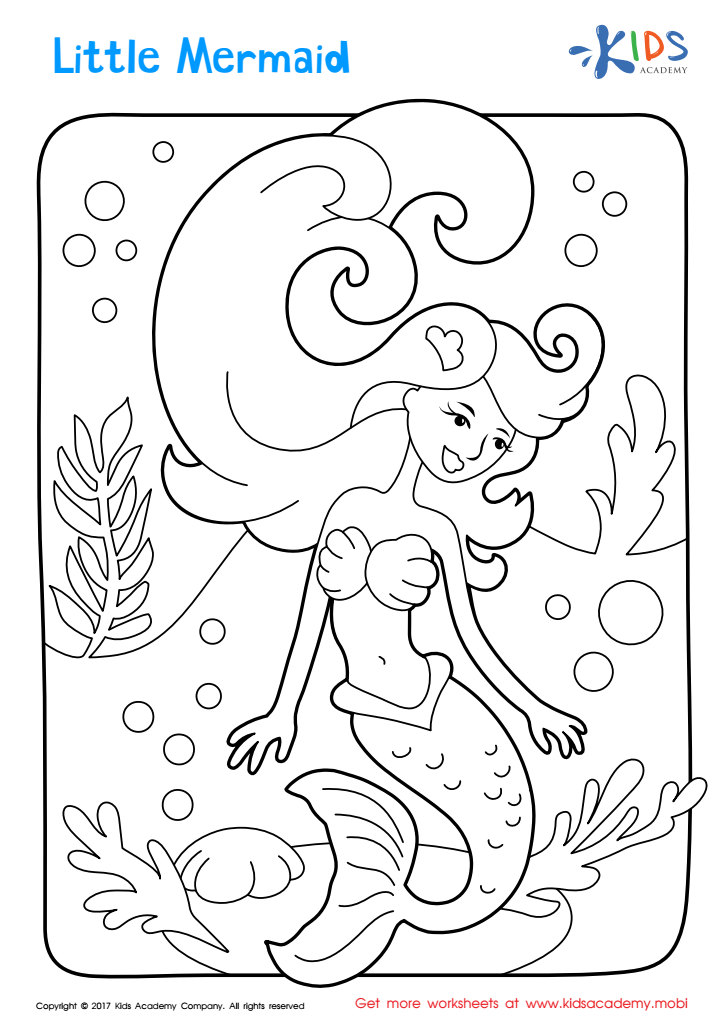
Little Mermaid Coloring Page
Assign to My Students
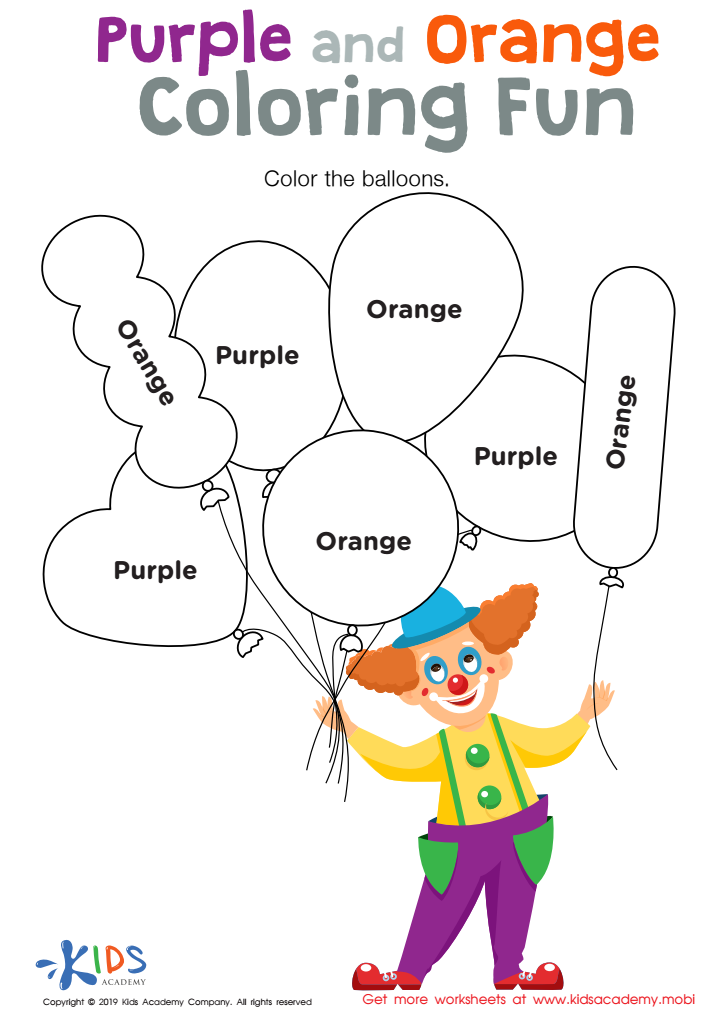
Purple and Orange Coloring Fun Worksheet
Assign to My Students
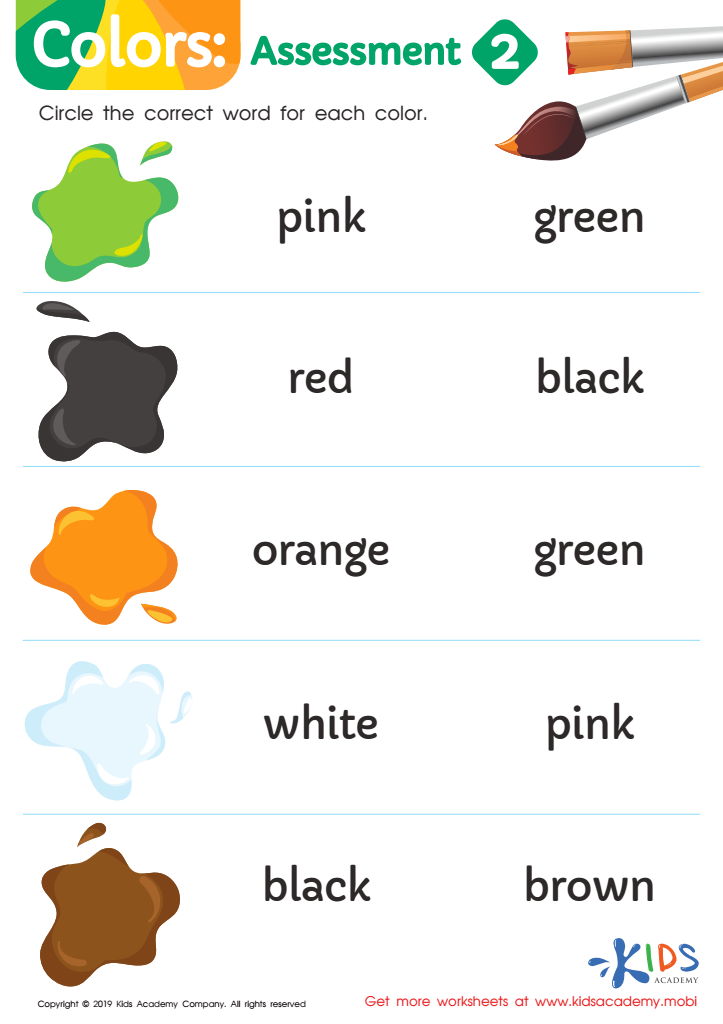
Colors: Assessment 2 Worksheet
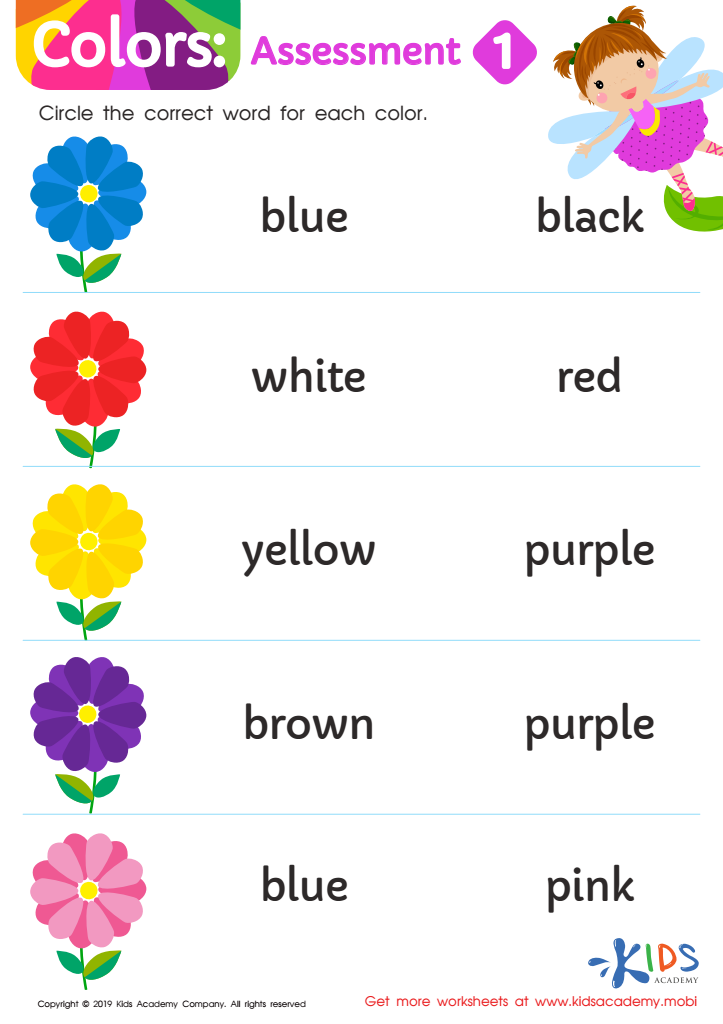
Colors: Assessment 1 Worksheet
Hickory Dickory Dock Coloring Page
Assign to My Students
Boy and Girl Words Coloring Worksheet
Assign to My Students
Brick House Printable Coloring Page
Assign to My Students
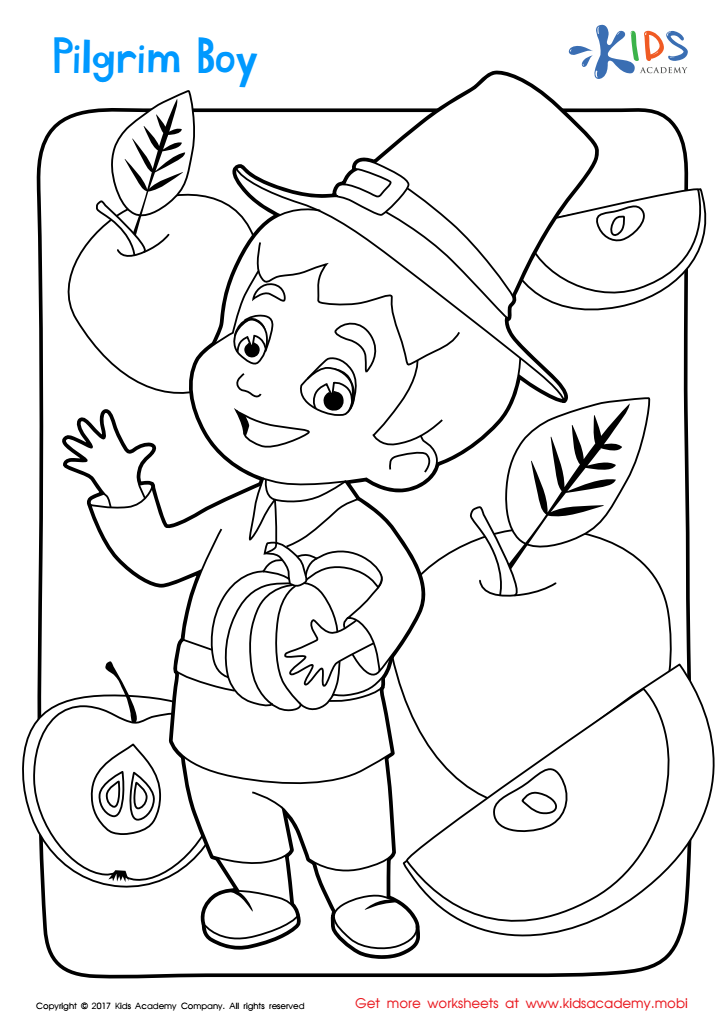
Pilgrim Boy Printable
Assign to My Students
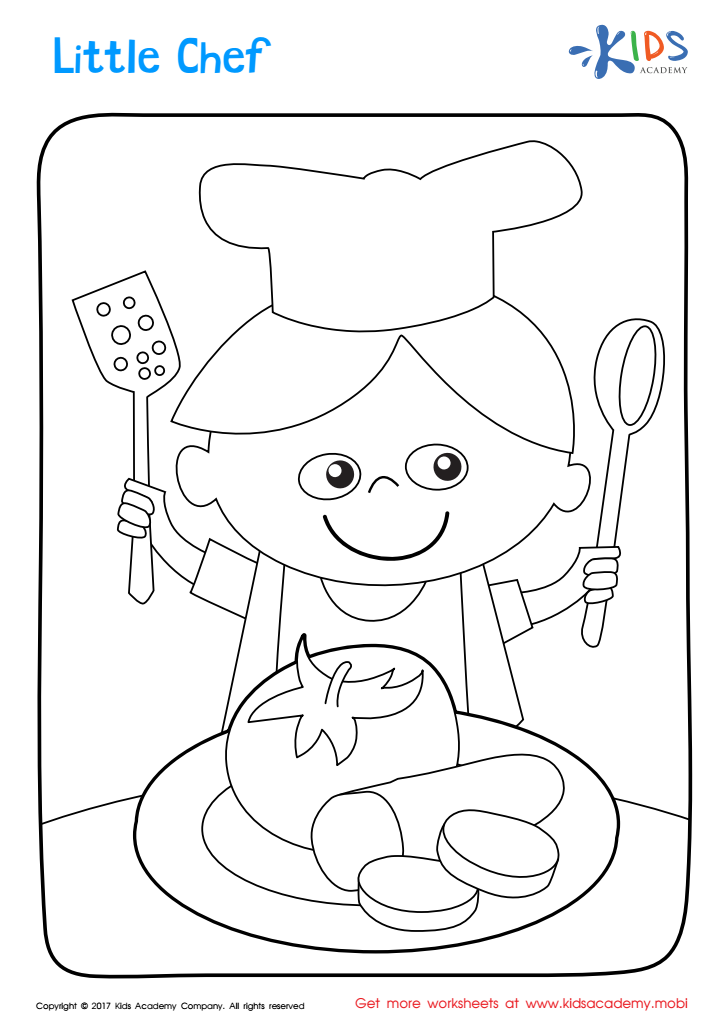
Little Chef Coloring Page
Assign to My Students

Japan Printable
Assign to My Students
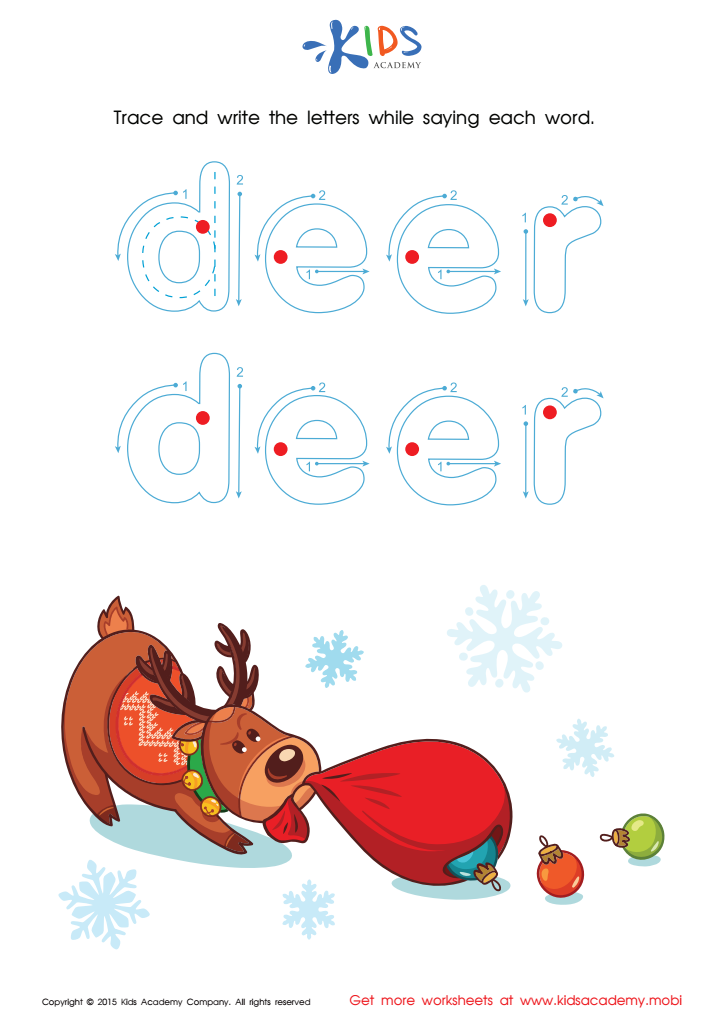
Deer Tracing Winter Words Worksheet
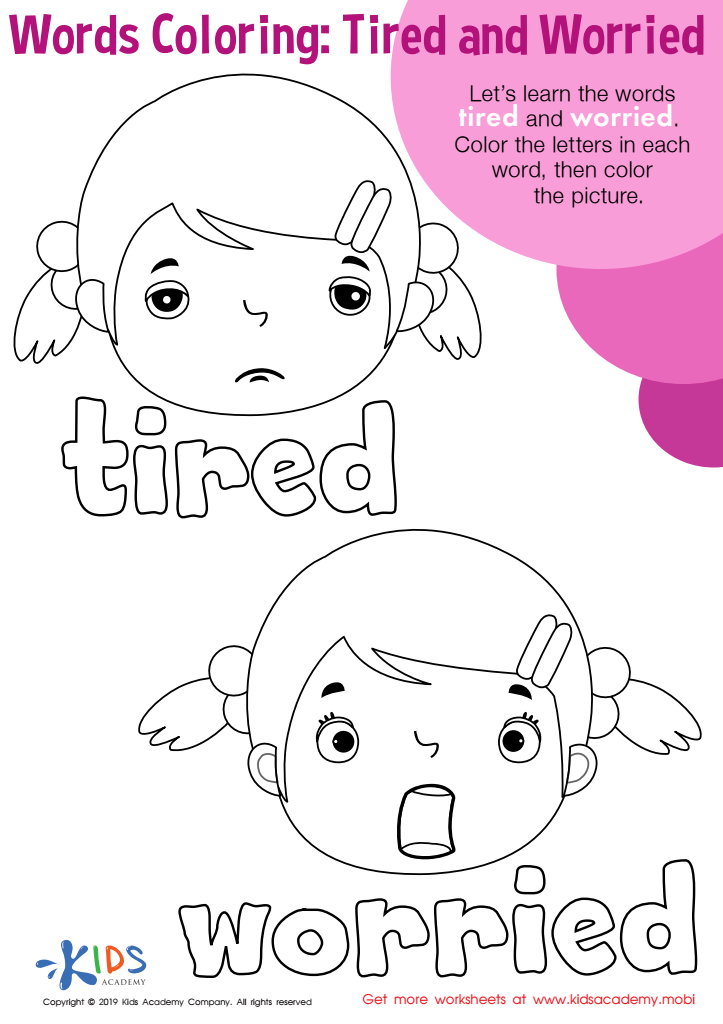
Tired and Worried Words Coloring Worksheet
Assign to My Students








Color recognition is a fundamental skill for children ages 4-6, undergoing crucial developmentars and is essential for early childhood education. Understanding colors not only aids in cognitive development but also enhances children's ability to communicate effectively and make sense of their surroundings.
Firstly, identifying colors boosts vocabulary as children learn to describe objects and express their preferences, laying the groundwork for language arts and literacy. Secondly, color recognition fosters critical thinking and categorization skills. When children sort and group objects by color, they develop logical reasoning essential for mathematics and scientific exploration.
Moreover, learning colors aids in social interaction and imaginative play. Children often use colors in games, art projects, and storytelling, promoting creativity and cooperative skills. Additionally, recognizing colors helps children identify objects in their environment, making them feel more confident and aware of their surroundings.
Parents and teachers should prioritize color recognition because it plays a vital role in a child’s overall growth and learning foundation. Incorporating colorful activities, teaching through songs, or using everyday experiences reinforces these skills, ensuring that children not only succeed academically but lead enriching, creative lives as they grow.








