Comprehension skills Easy Worksheets for Ages 4-6
4 filtered results
-
From - To
Enhance your child's reading journey with our Comprehension Skills Easy Worksheets designed specifically for ages 4-6. At Kids Academy, we understand the importance of early literacy. Our engaging and interactive worksheets aim to boost your child's understanding of stories and text. Each activity is carefully crafted to develop critical thinking and comprehension abilities in a fun and enjoyable way. With colorful illustrations and easy instructions, children will love improving their skills while having fun. Perfect for both parents and teachers, our worksheets are an essential resource for nurturing young readers' love for learning. Dive in and watch them grow!
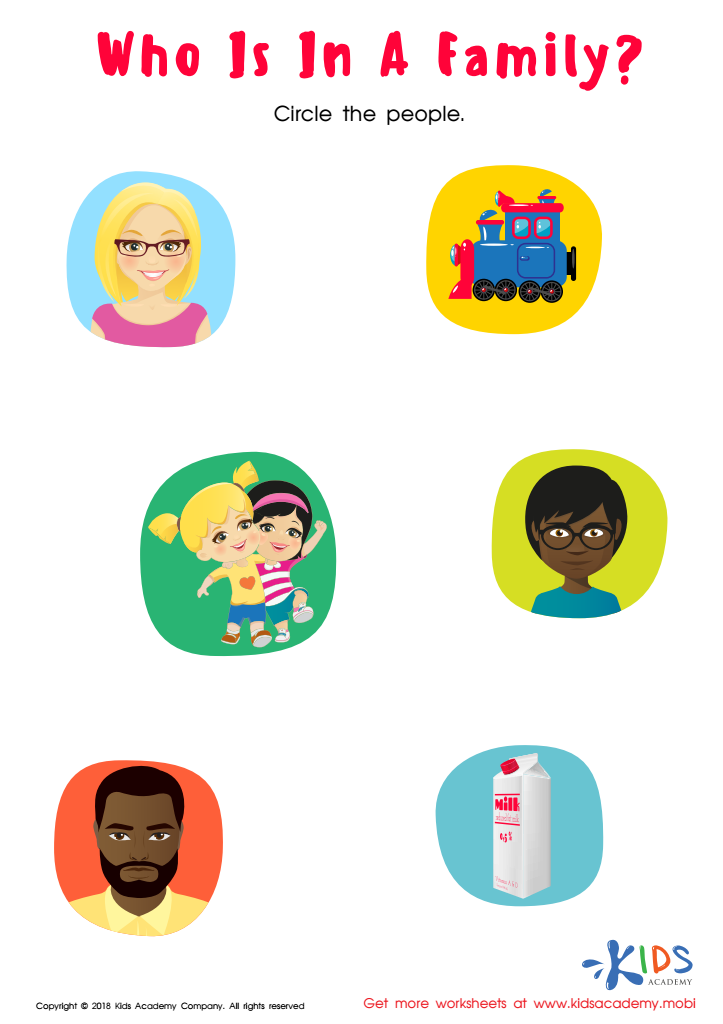
Who Is in a Family? Worksheet
 Assign to My Students
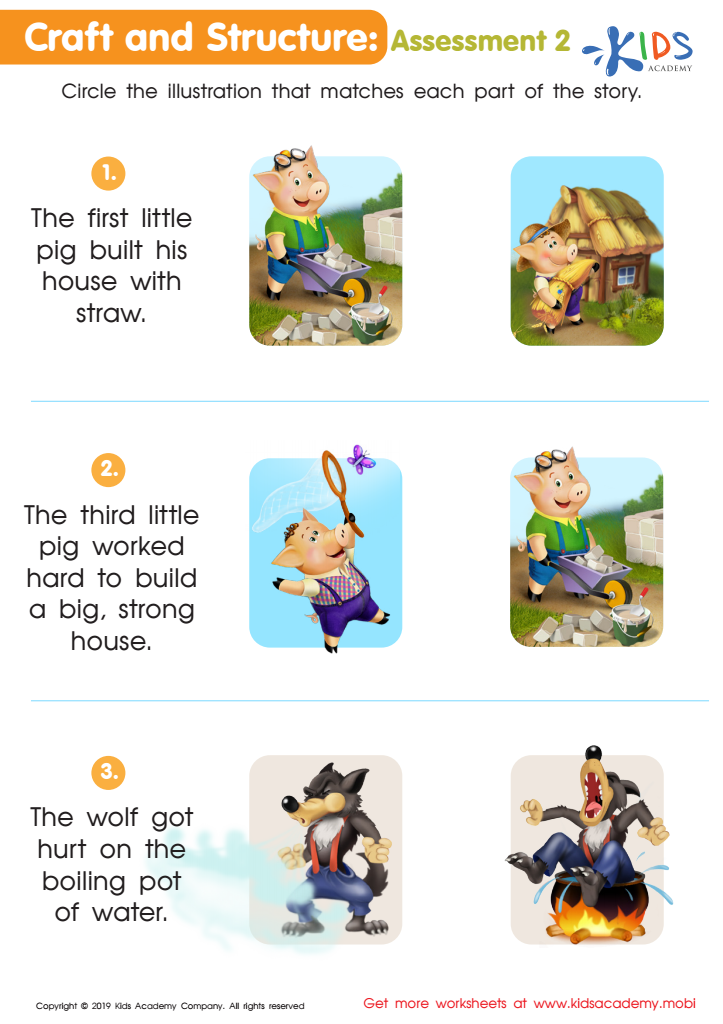
Craft and Structure: Assessment 2 Worksheet 2
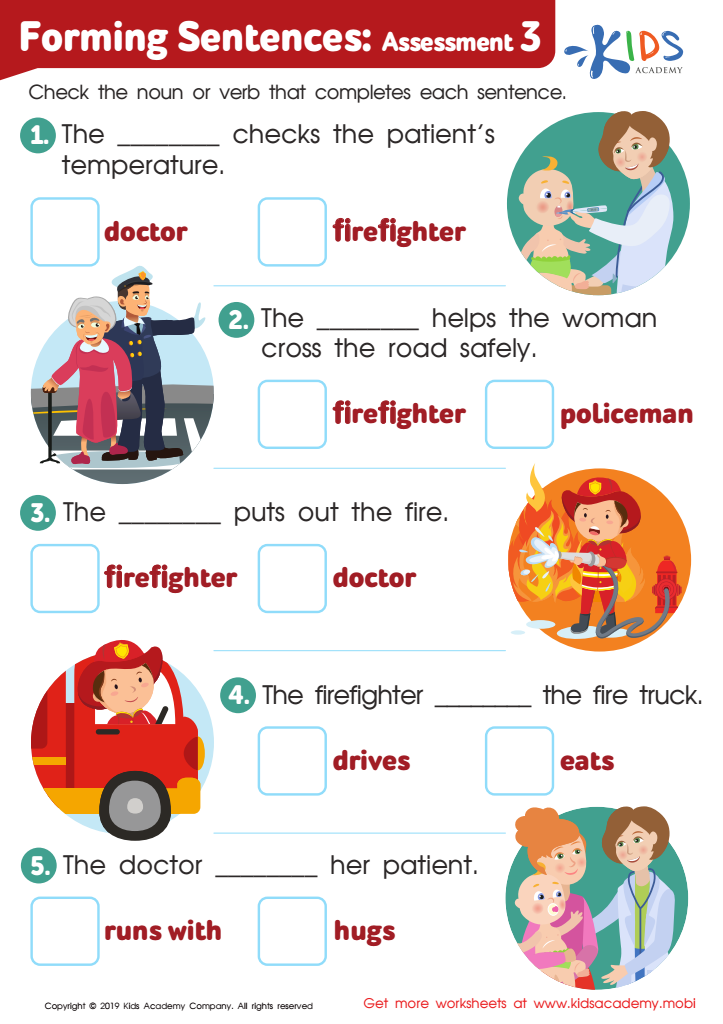
Forming Sentences: Assessment 3 Worksheet
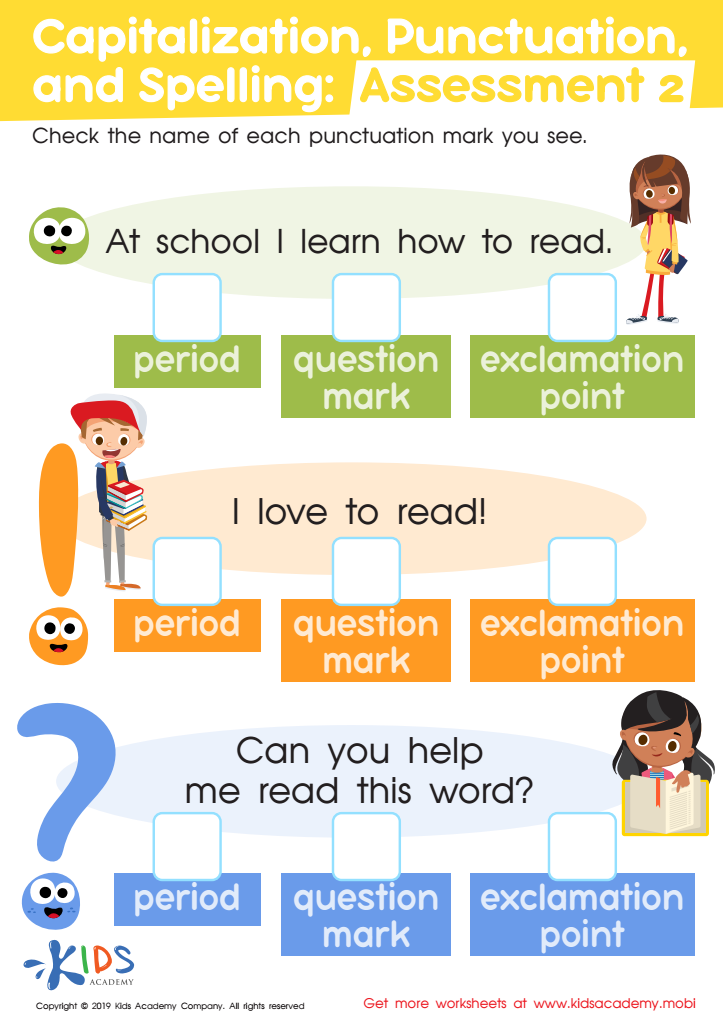
Capitalization. Punctuation. Spelling: Assessment 2 Worksheet








Comprehension skills are fundamental for young children aged 4-6, as they are the building blocks for future learning and academic success. These skills enable children to understand and process what they read or hear, which is crucial not just for literacy development, but also for their overall cognitive growth and ability to communicate effectively. When parents and teachers focus on developing comprehension skills early, they provide children with the tools they need to make sense of stories, follow instructions, and engage meaningfully with educational content.
Children with strong comprehension skills are better equipped to grasp new concepts across various subjects, including mathematics, science, and social studies. Early focus on these skills can prevent future academic struggles, as children will be more likely to keep up with increasingly complex material as they progress through school. Additionally, good comprehension enhances critical thinking and problem-solving abilities, encouraging children to ask questions, make connections, and draw conclusions.
By investing time in reading together, discussing stories, asking questions, and encouraging curiosity, parents and teachers can foster a love for learning and boost a child's confidence. These interactions not only support academic advancement but also strengthen the emotional and social bonds between parents, teachers, and children. Ultimately, prioritizing comprehension skills sets the foundation for a lifetime of successful learning.








