Fraction visualization Easy Worksheets for Ages 4-6
3 filtered results
-
From - To
Discover our "Fraction Visualization Easy Worksheets for Ages 4-6," designed to make learning fractions fun and accessible for young children. These vibrant, engaging worksheets use visual aids and simple activities to introduce basic fraction concepts. Perfect for kindergarten and first-grade students, our worksheets help develop essential early math skills through playful exercises featuring shapes, colors, and everyday items. Encourage hands-on learning and build a strong math foundation with our expert-crafted resources. Explore today and watch your child master fractions with confidence! Ideal for both classroom and at-home practice.
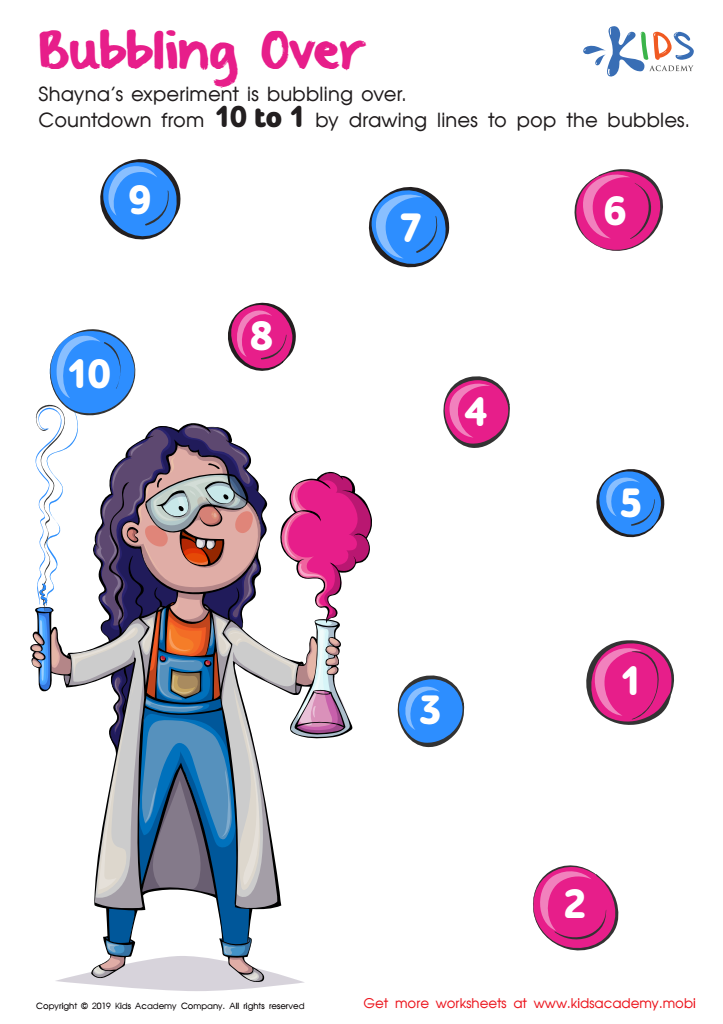
Bubbling Over Worksheet
 Assign to My Students
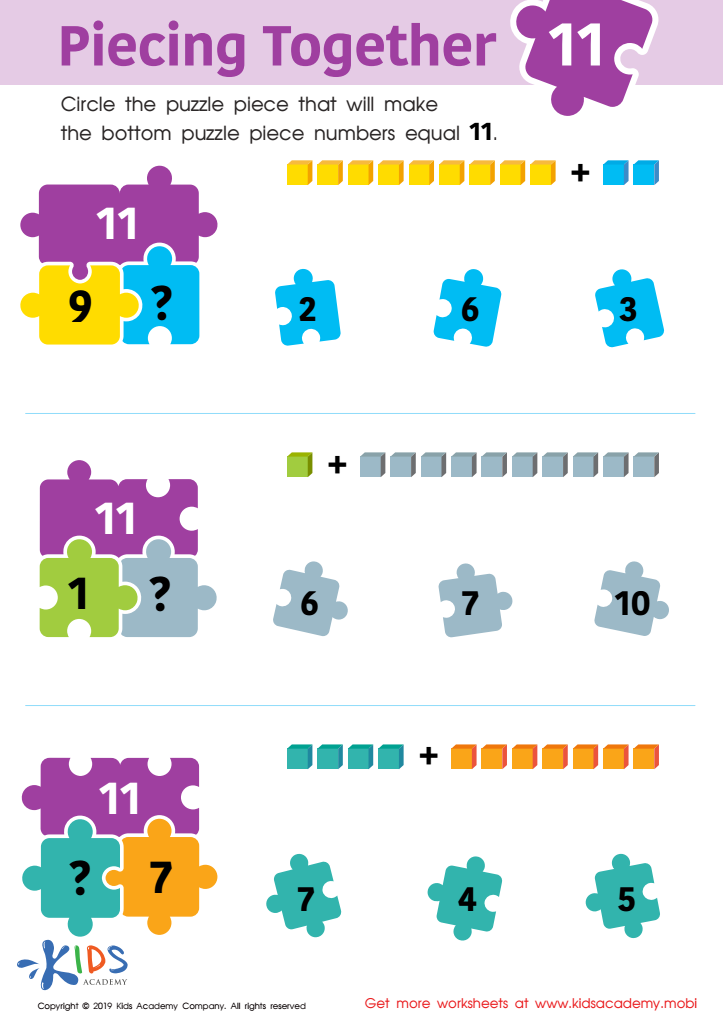
Piecing Together 11 Worksheet
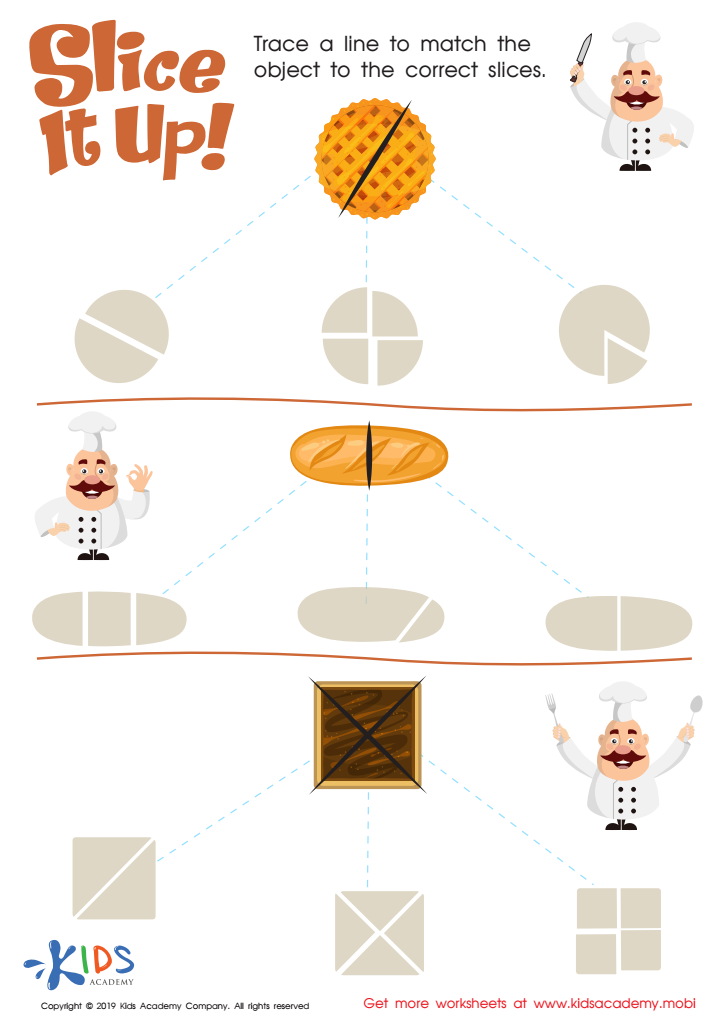
Slice It Up Worksheet


.jpg)



Fraction visualization is important for children aged 4-6 because it lays the foundation for their mathematical understanding in a fun, engaging way. At this early stage of development, their cognitive abilities are just starting to grasp the ideas of part-to-whole relationships, proportional reasoning, and comparisons, which are all critical for learning fractions. Visual tools, like pie charts, fraction bars, and interactive apps, can make these abstract concepts tangible and relatable for young minds.
Using visual aids, children are able to see what fractions represent in a concrete form. For instance, dividing a cake into equal parts and discussing how many pieces make up a whole helps them grasp the concept more naturally than through numerical symbols alone. This hands-on approach adds a multi-sensory dimension to learning, enhancing their comprehension and retention.
Starting early with fraction visualization also supports the gradual transition to more complex mathematical concepts. As children progress to higher grades, their solid understanding of fractions will make it easier for them to tackle addition, subtraction, multiplication, and division of fractions.
Moreover, engaging parents in fraction visualization activities fosters a supportive learning environment at home. When parents understand and participate in these activities, they are better equipped to help their children develop mathematical confidence and a positive attitude towards learning.








