Cognitive Development Easy Numbers Worksheets for Ages 4-6
11 filtered results
-
From - To
Discover our "Cognitive Development Easy Numbers Worksheets" designed specifically for children ages 4 to 6. These engaging worksheets help young learners develop essential cognitive skills through fun math activities. From number recognition to simple counting exercises, kids will enjoy hands-on practice that stimulates critical thinking and problem-solving. Each worksheet is crafted to be visually appealing and age-appropriate, ensuring that learning math concepts is a delightful experience. Perfect for both classroom and home use, these resources are ideal for fostering a strong foundation in numbers while enhancing cognitive growth. Download our worksheets today and support your child's mathematical journey!
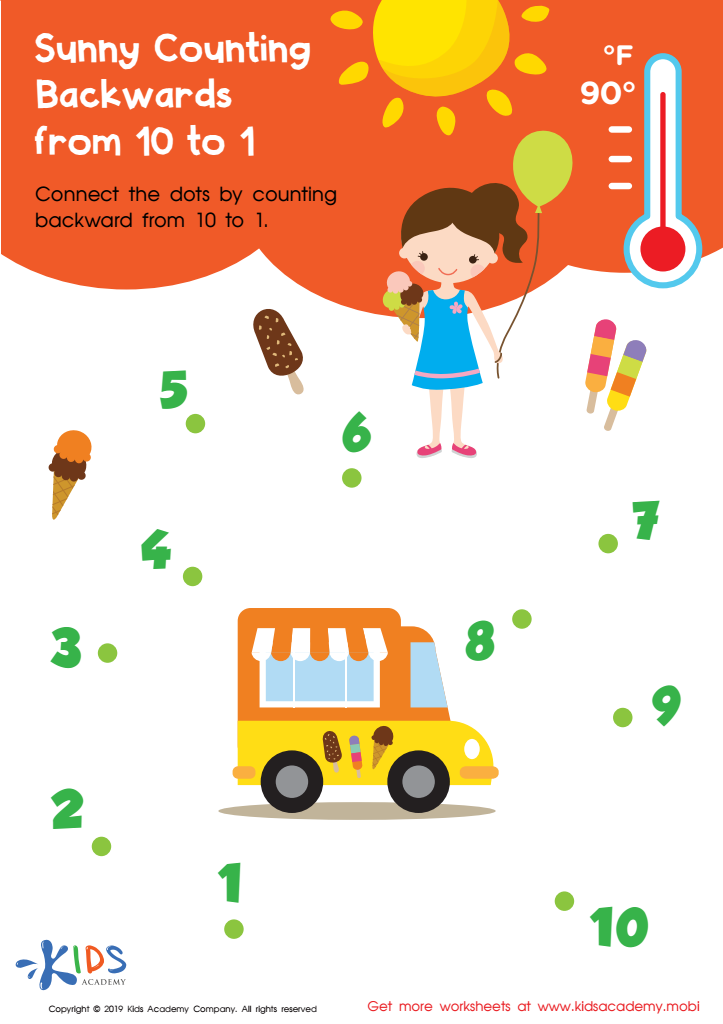
Sunny Counting Backwards from 10 to 1 Worksheet
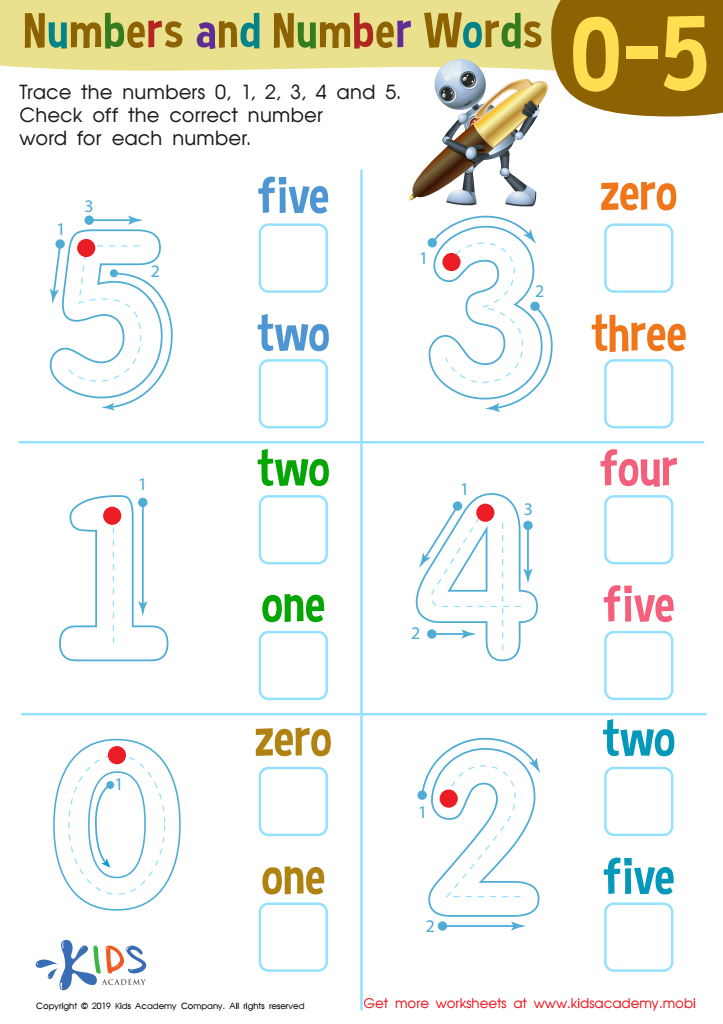
Numbers and Number Words Worksheet
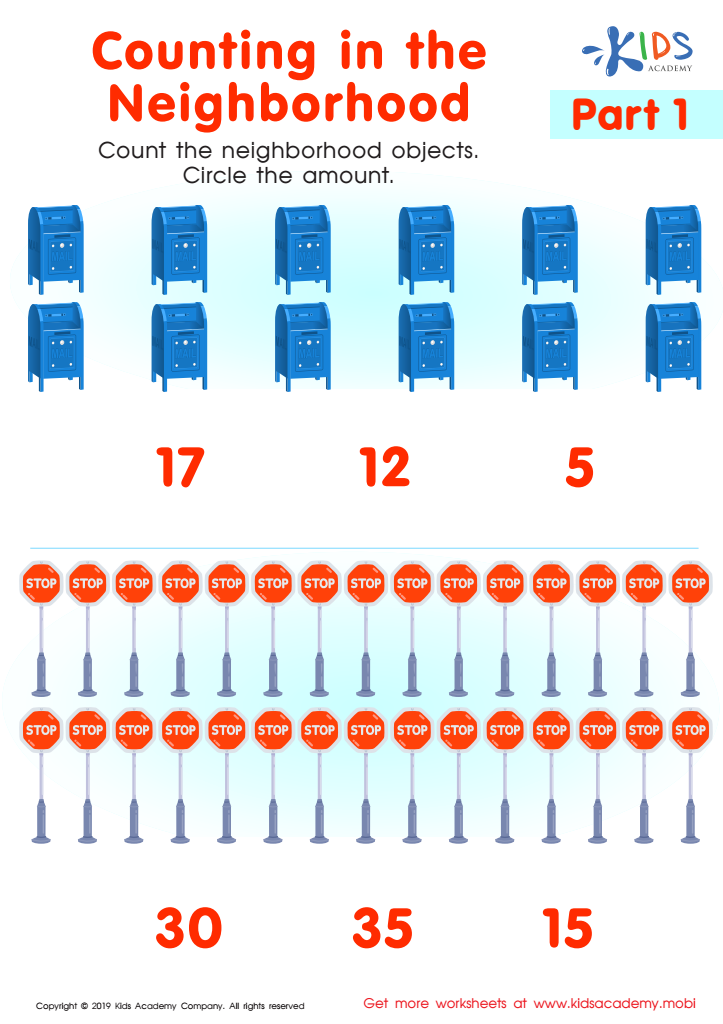
Counting in the Neighborhood Part1 Worksheet
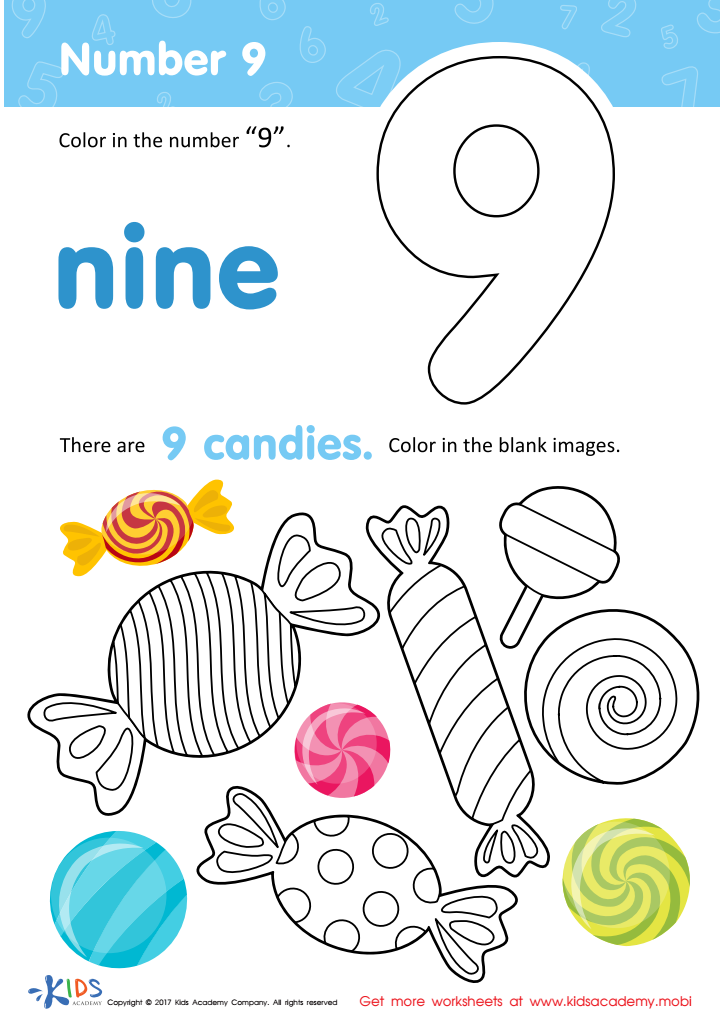
Number 9 Printable
 Assign to My Students
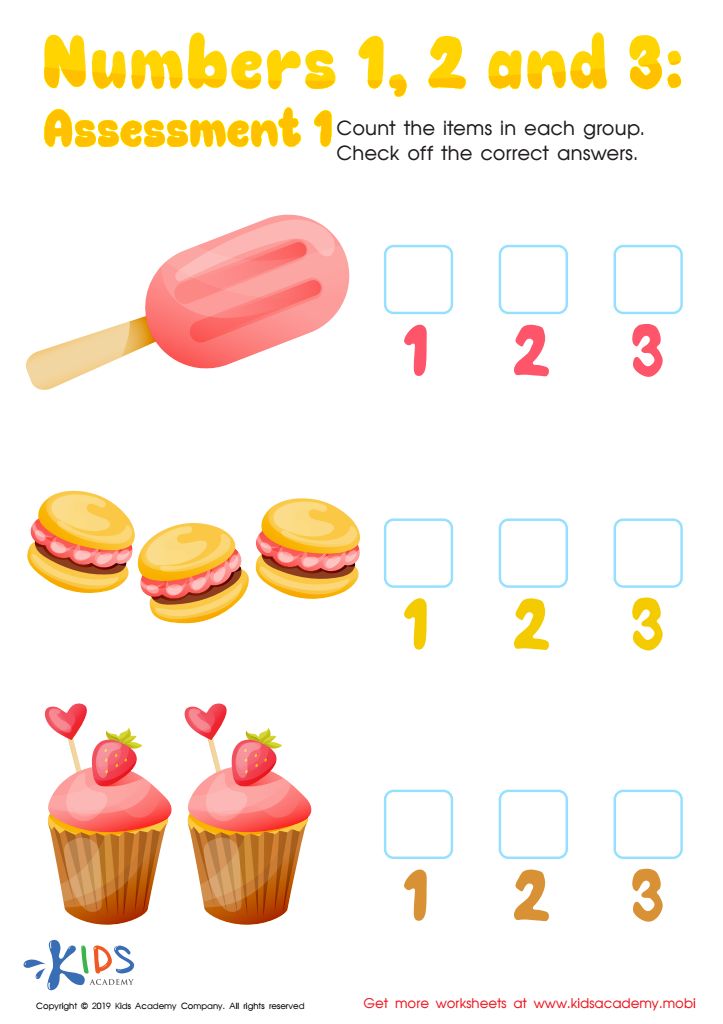
Numbers 1, 2 and 3: Assessment 1 Worksheet

Build with 9 Worksheet
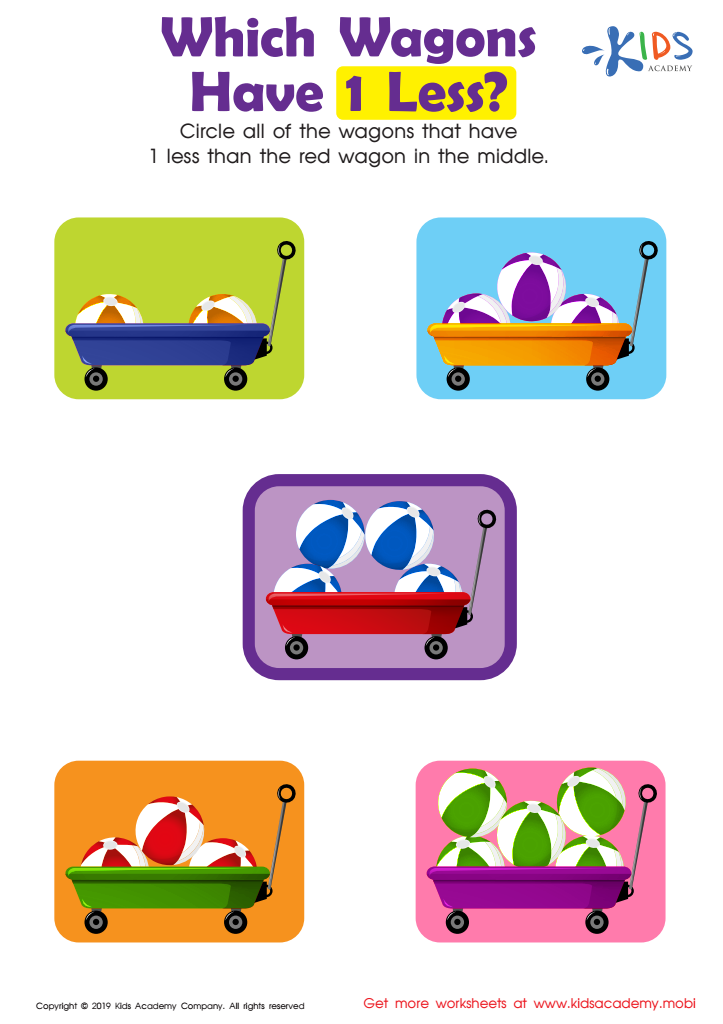
Which Wagons Have 1 Less? Worksheet
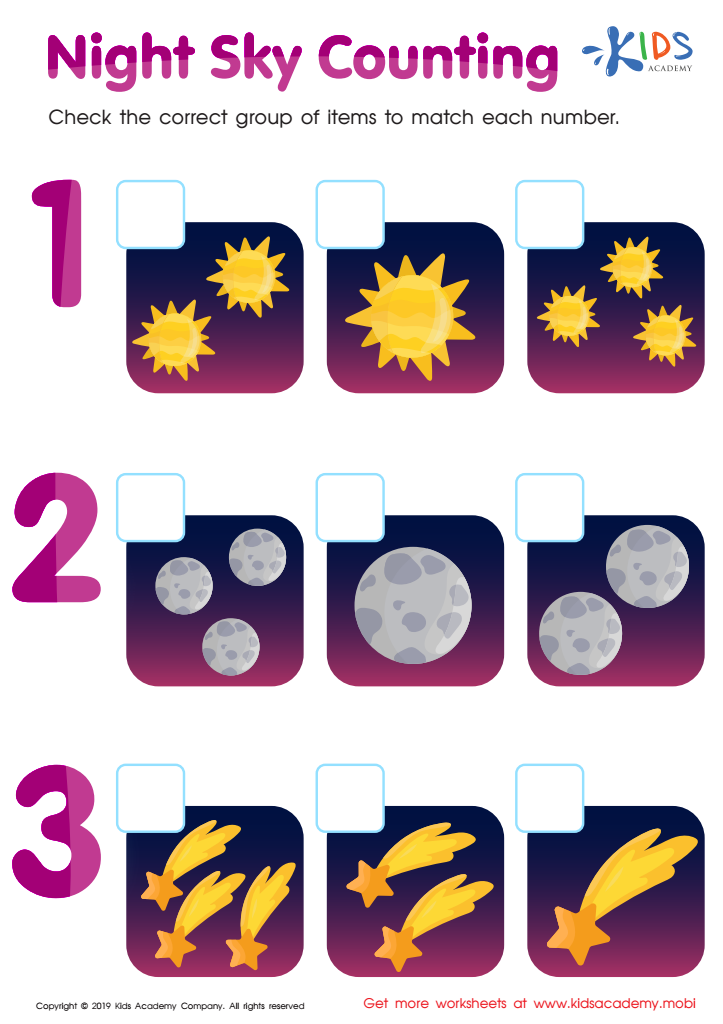
Night Sky Counting Worksheet
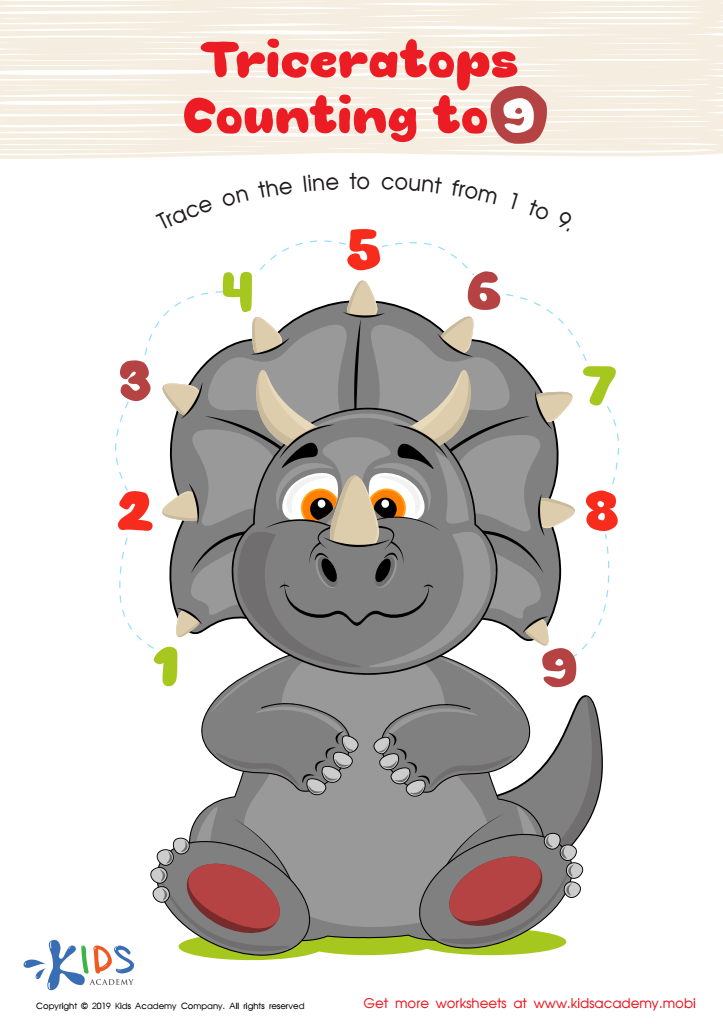
Triceratops Counting to 9 Worksheet
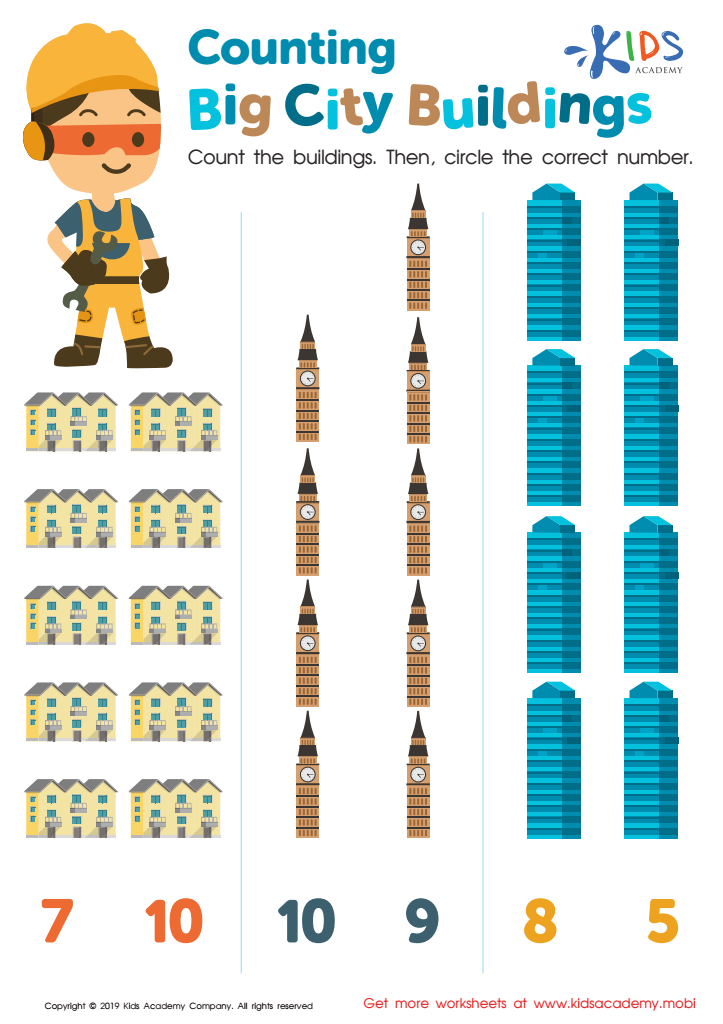
Counting Big City Buildings Worksheet

Night Sky Numbers Worksheet








Cognitive development for children aged 4-6 is a crucial aspect of their overall growth, and both parents and teachers should prioritize it. During this stage, children's brains are rapidly developing, enabling them to think, learn, and problem-solve more effectively. Understanding concepts related to easy numbers, such as counting, basic addition and subtraction, and recognizing patterns, lays the groundwork for future mathematical skills.
Caring about cognitive development in early education fosters critical thinking and boosts children's confidence when tackling new challenges. When parents and teachers engage children in activities involving numbers—like counting objects, playing number games, or inclusion of math in daily activities—they help develop essential skills that enhance reasoning abilities.
Moreover, nurturing cognitive development promotes social skills, as children learn to collaborate, communicate, and understand the perspectives of their peers during interactive learning experiences. Early exposure to math concepts encourages curiosity and a positive attitude toward learning, establishing a lifelong love for education. In conclusion, emphasizing cognitive development in easy numbers equips young learners with foundational skills and a strong educational mindset, crucial as they transition to more complex concepts in the later grades.








