Fine Motor Skills Easy Numbers Worksheets for Ages 4-6 - Page 2
26 filtered results
-
From - To
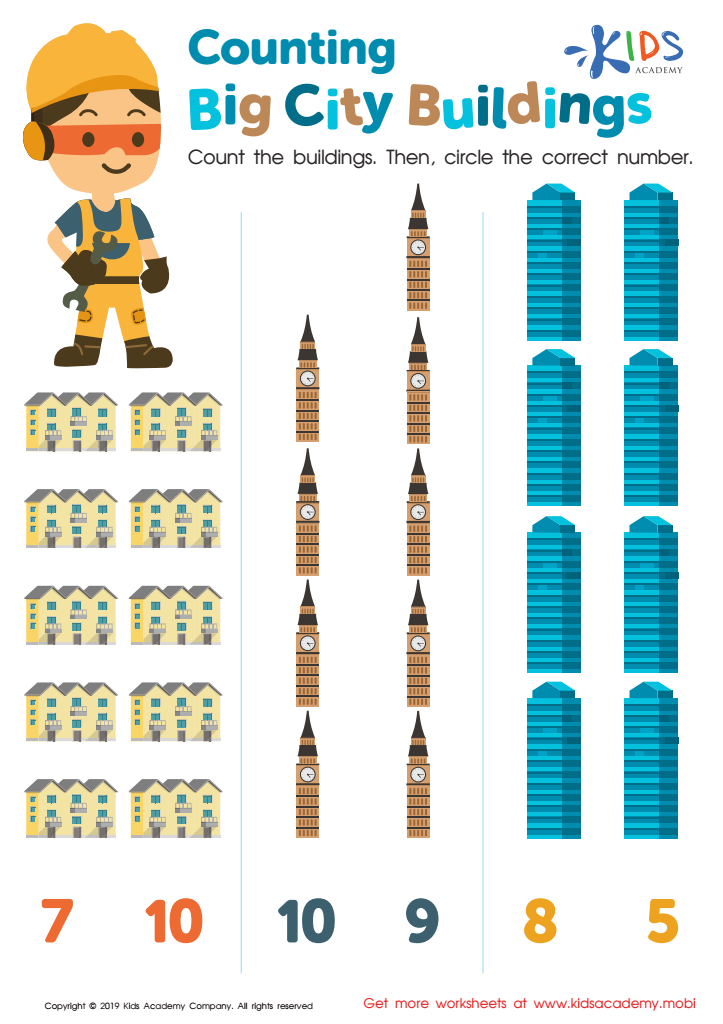
Counting Big City Buildings Worksheet
 Assign to My Students

Night Sky Numbers Worksheet


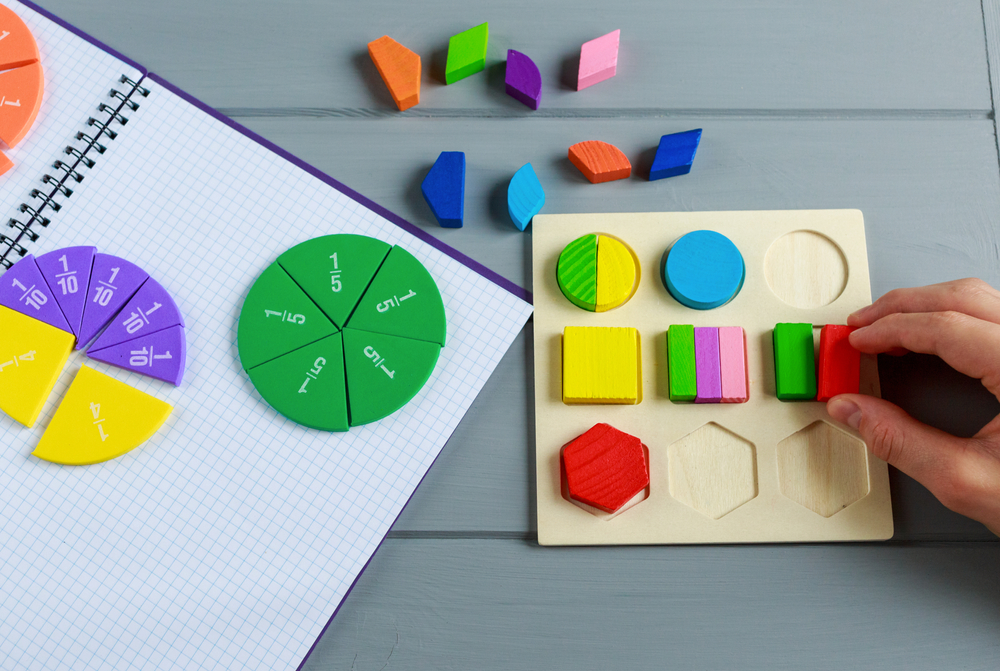





Parents and teachers should prioritize activities that develop fine motor skills in young children, particularly for ages 4-6, because these skills are foundational to a child’s overall development and academic success. Fine motor skills involve the coordination of small muscles in the hands and fingers, enabling tasks like writing, drawing, buttoning clothes, and even typing.
For children ages 4-6, mastering easy number activities not only introduces them to basic mathematical concepts but also sharpens their fine motor abilities through gripping pencils and maneuvering small objects such as counting beads. These engaging activities lay the groundwork for later, more complex tasks required in school.
Strengthening fine motor skills can lead to improved hand-eye coordination, dexterity, and precision. All of these are crucial for effective communication (writing and spelling) and self-care activities (like tying shoelaces). Additionally, these tasks build confidence and independence in a child, encouraging them to tackle new and challenging subjects with more assurance.
From a neurodevelopmental perspective, engaging children in tasks that combine fine motor skills and numbers stimulates brain regions responsible for fine motor coordination and cognitive processing. This dual engagement sets the stage for long-term developmental success. Therefore, investing time in these skills during early childhood is essential for a well-rounded education and life skills.








