Counting practice Easy Math Worksheets for Ages 4-6
21 filtered results
-
From - To
Welcome to our Counting Practice Easy Math Worksheets, specially designed for children aged 4 to 6! These engaging worksheets help young learners develop essential counting skills through fun and interactive activities. With colorful illustrations and simple exercises, kids will practice number recognition, one-to-one correspondence, and basic arithmetic concepts in a playful way. Each worksheet is crafted to support early math learning, ensuring your child gains confidence and enthusiasm in counting. Perfect for home or classroom use, our printable resources make math practice enjoyable and effective. Start your child's counting journey today with our exciting activities that promote a strong mathematical foundation!
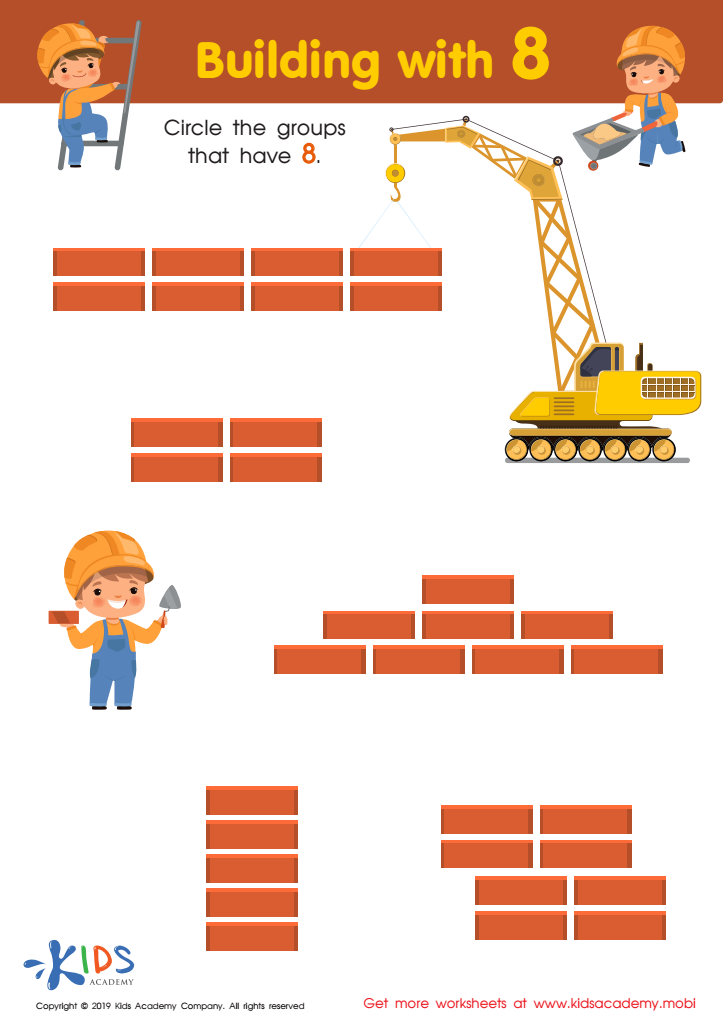
Building with 8 Worksheet
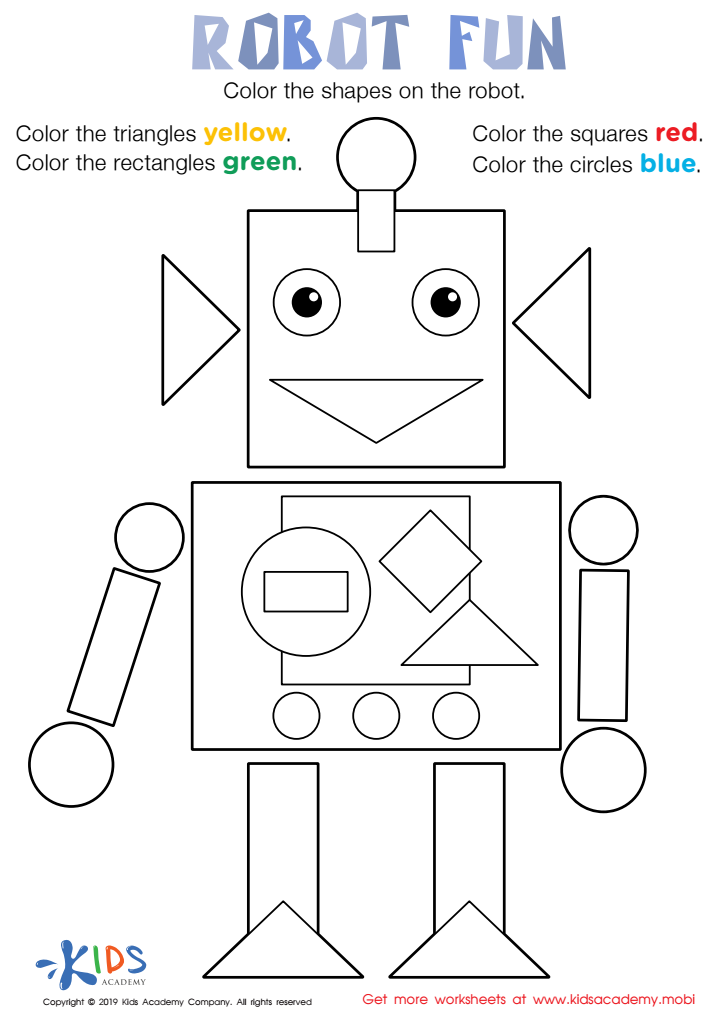
Robot Fun Worksheet
 Assign to My Students
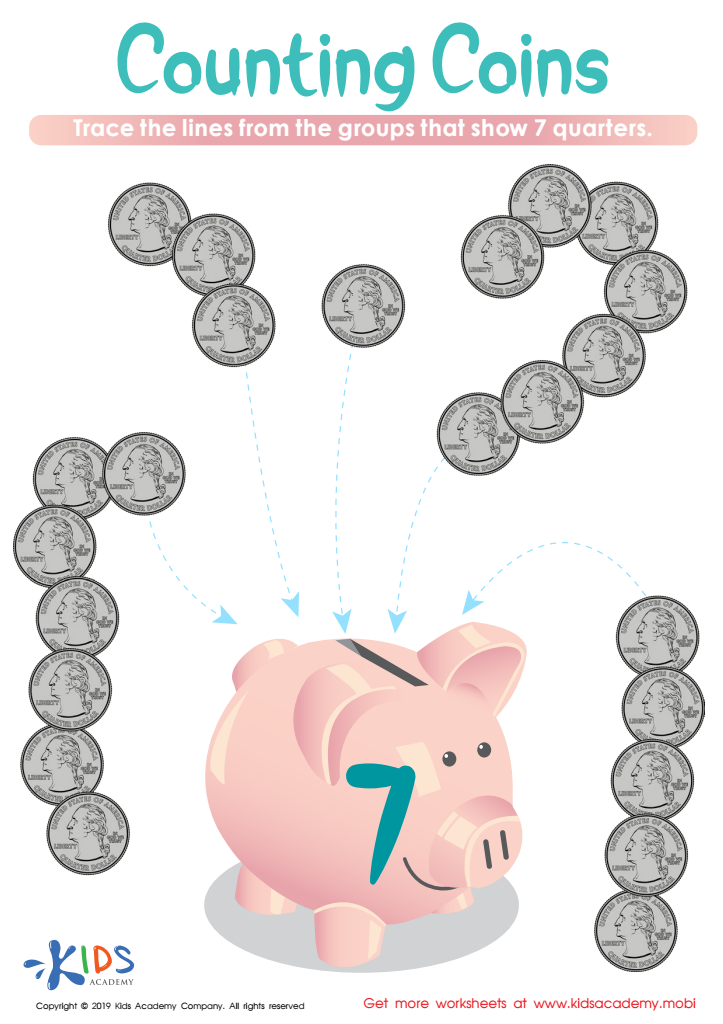
Counting Coins Worksheet
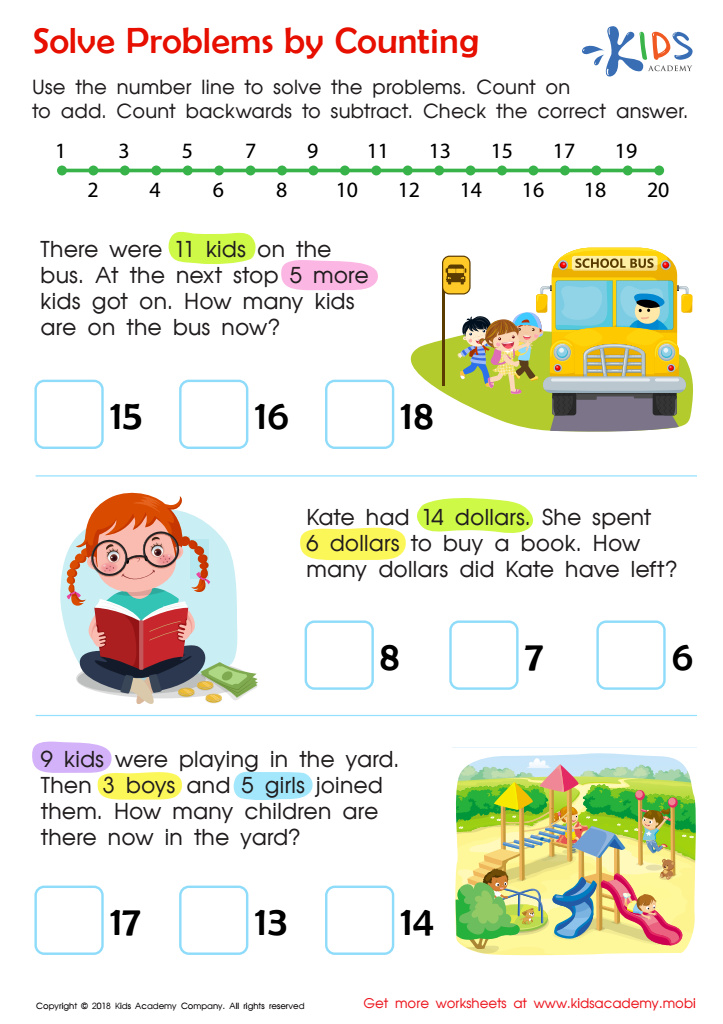
Solve Problems by Counting Worksheet
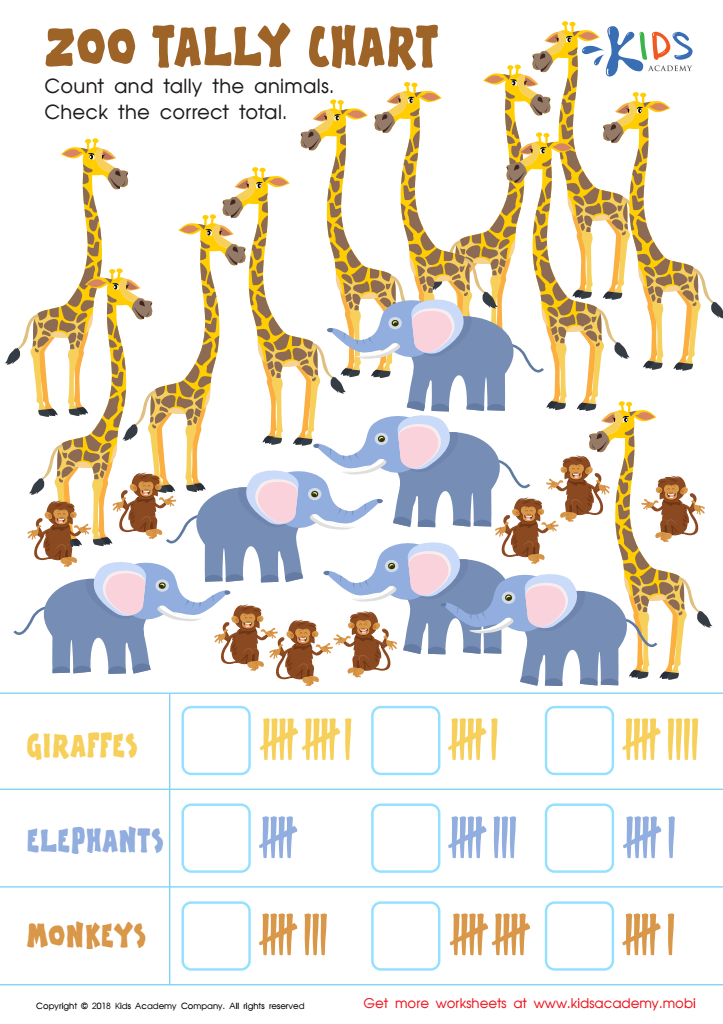
Zoo Tally Chart Worksheet
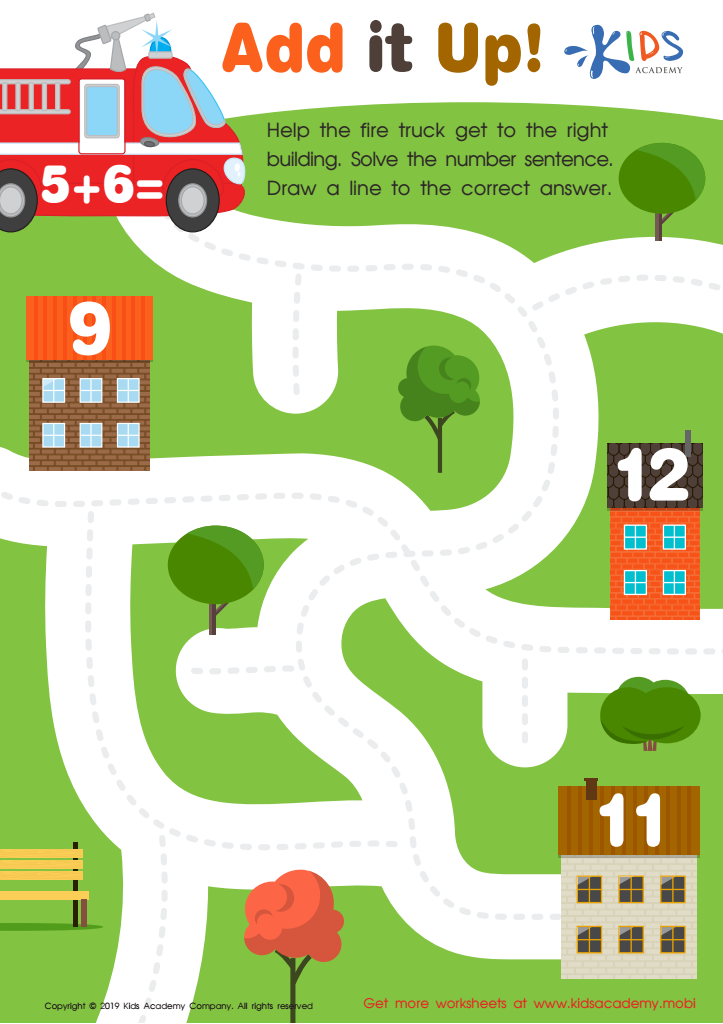
Add it Up Worksheet
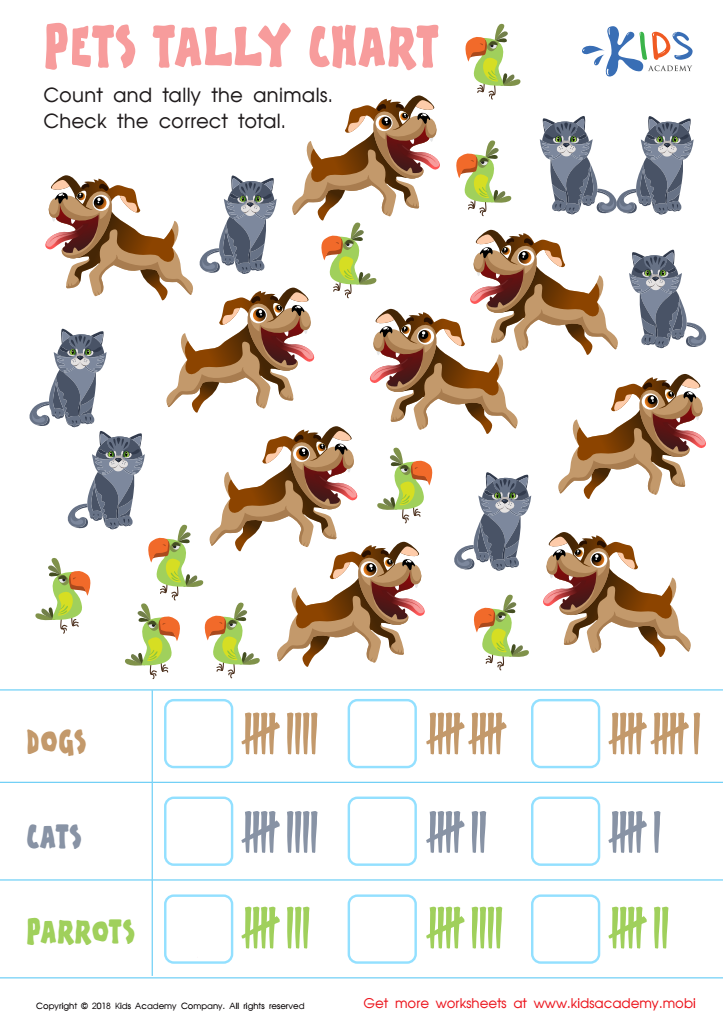
Pets Tally Chart Worksheet
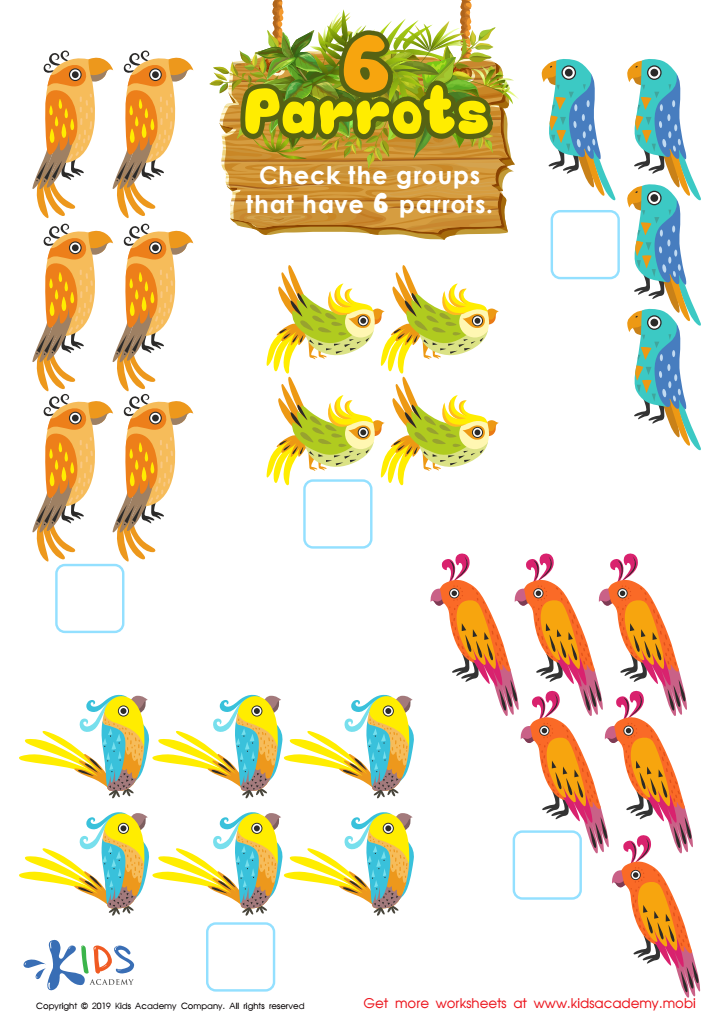
6 Parrots Worksheet
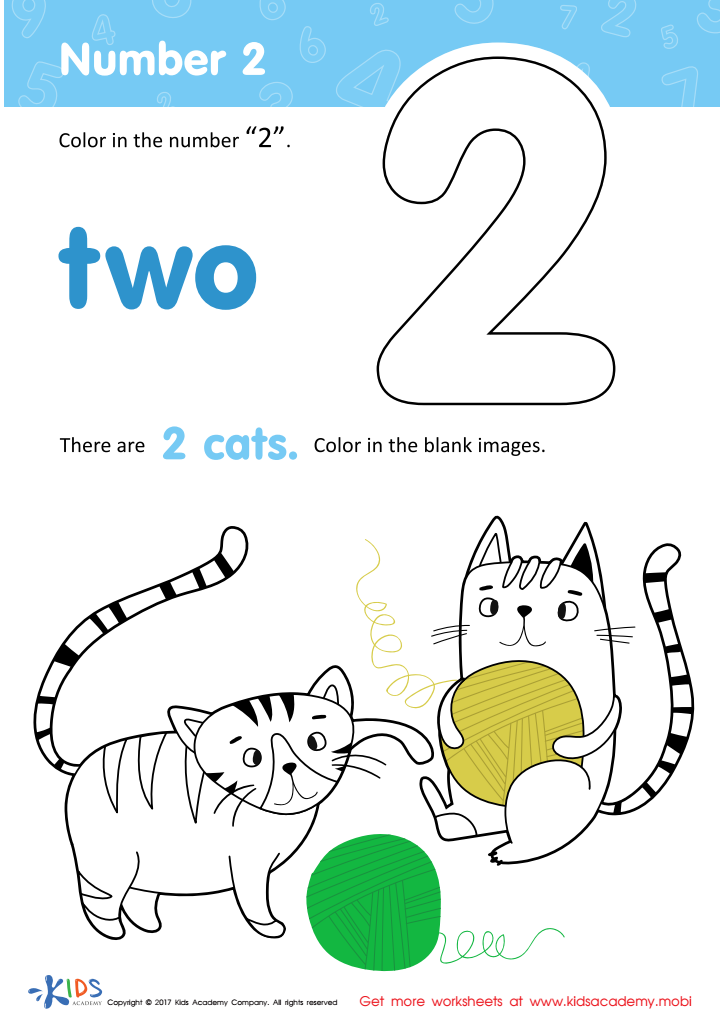
Number 2 Printable
Assign to My Students
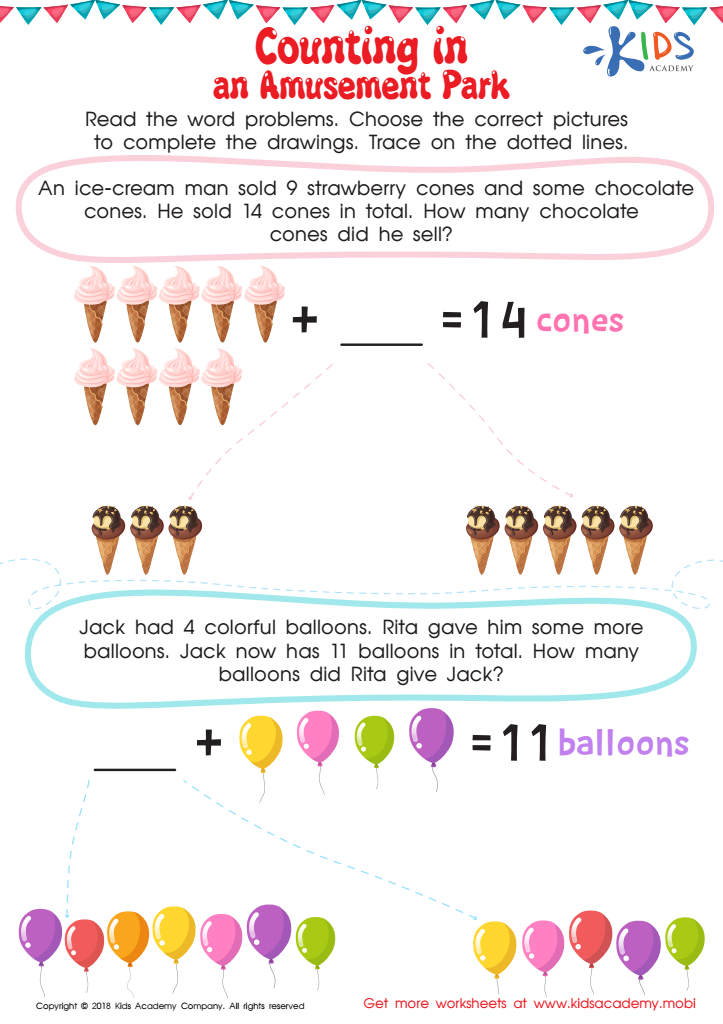
Counting in an Amusement Park Worksheet
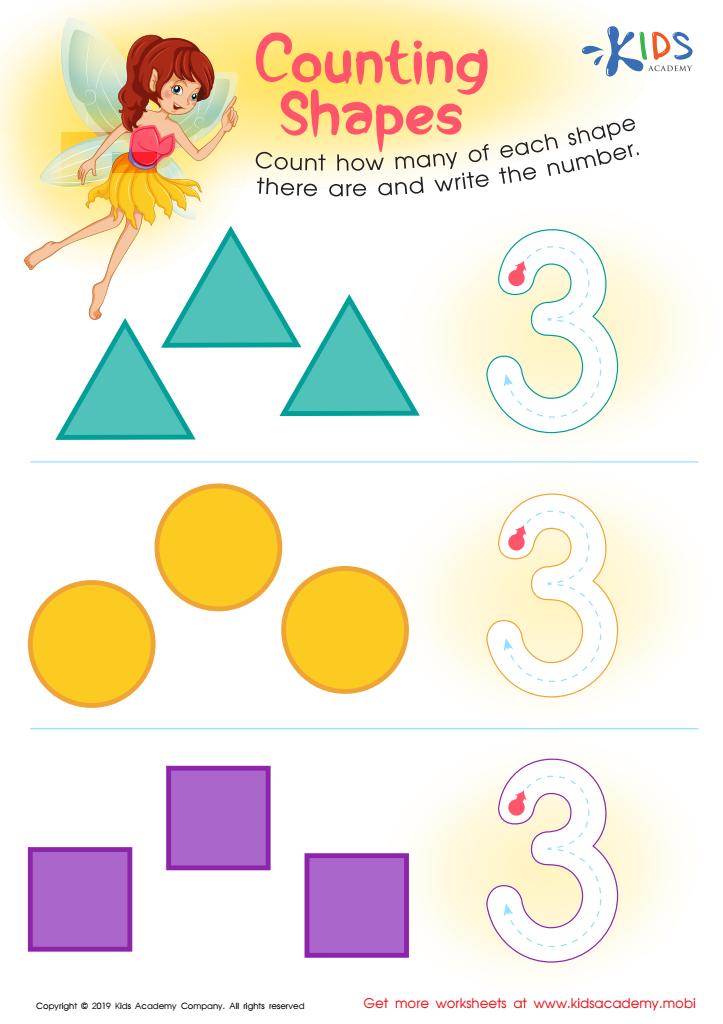
Counting Shapes Worksheet
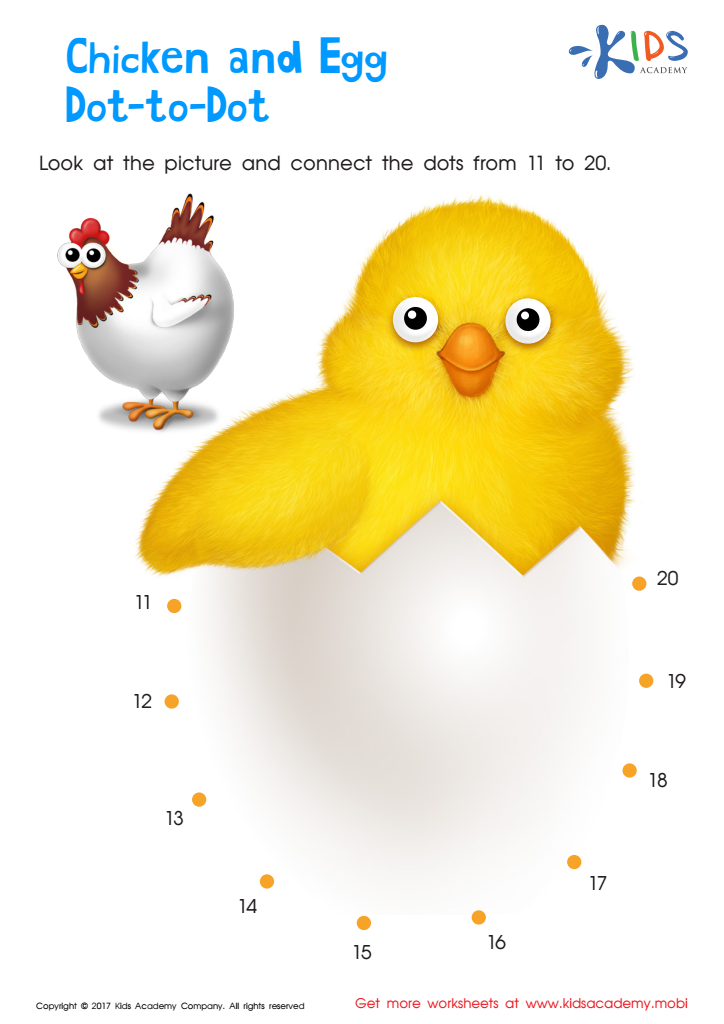
Ordering 11–20: Chicken & Egg Dot–to–dot Worksheet
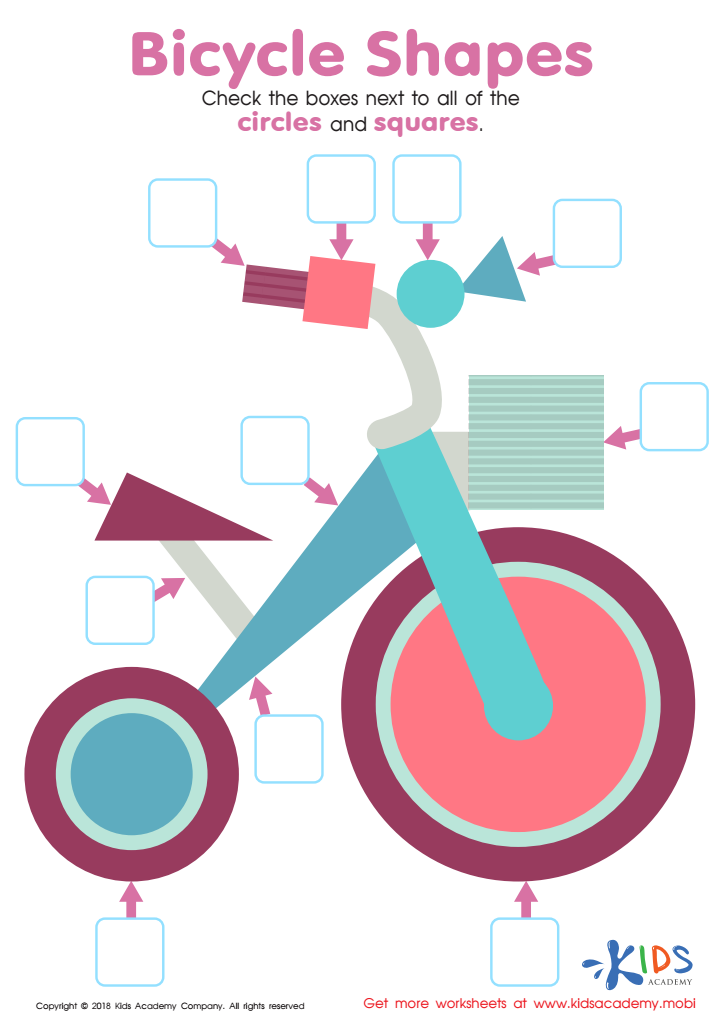
Bicycle Shapes Worksheet
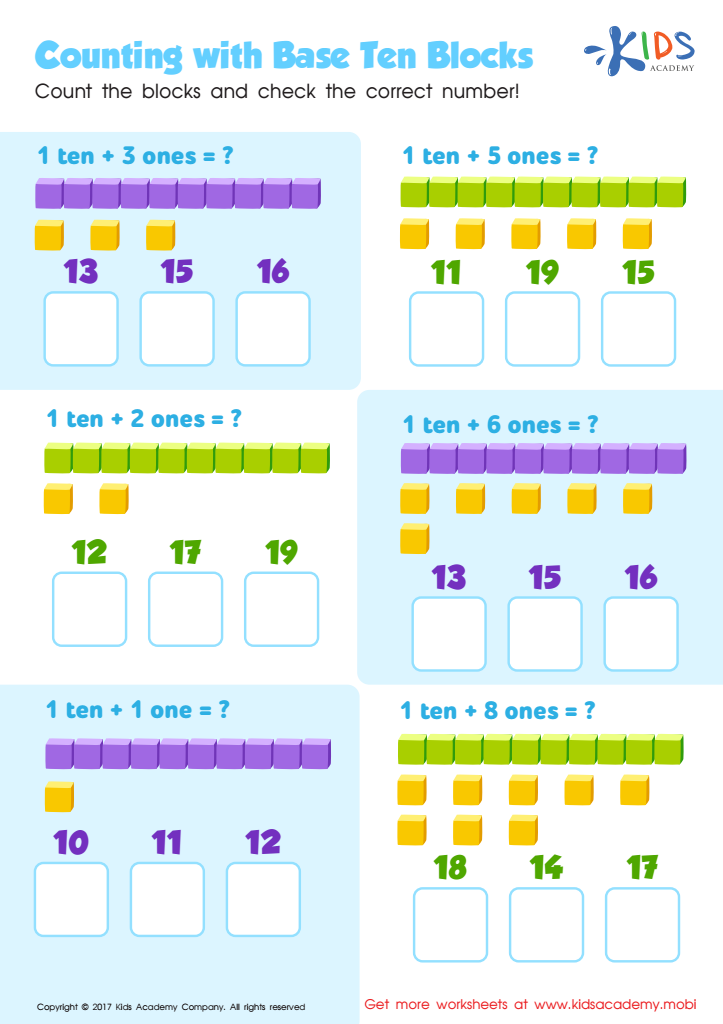
Counting with Base Ten Blocks Worksheet
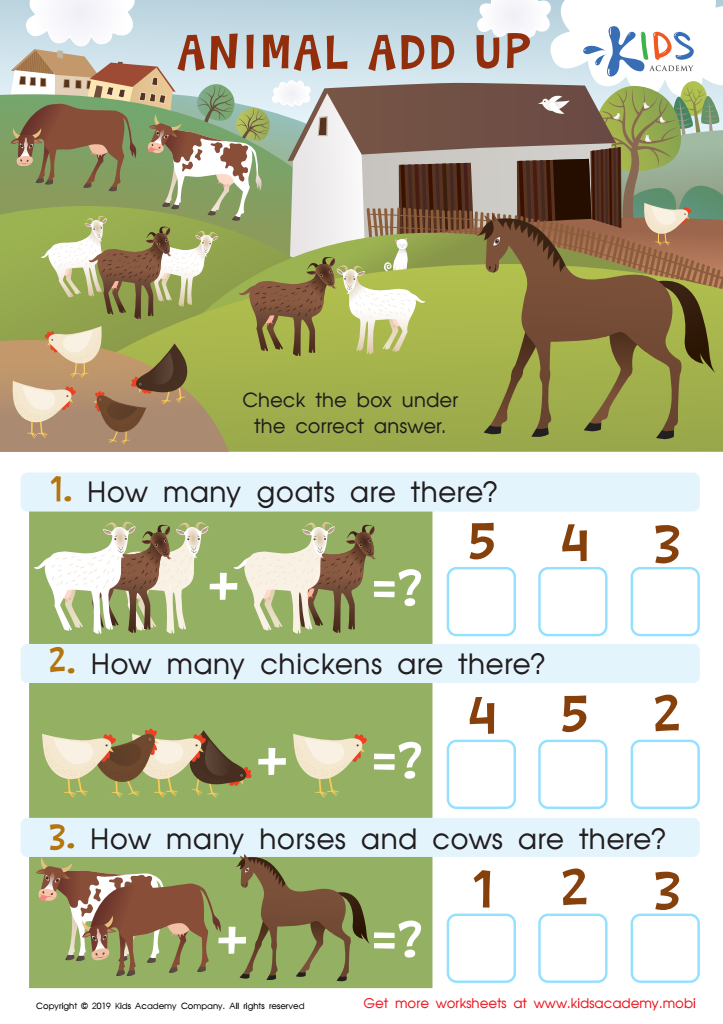
Animal Add Up Worksheet
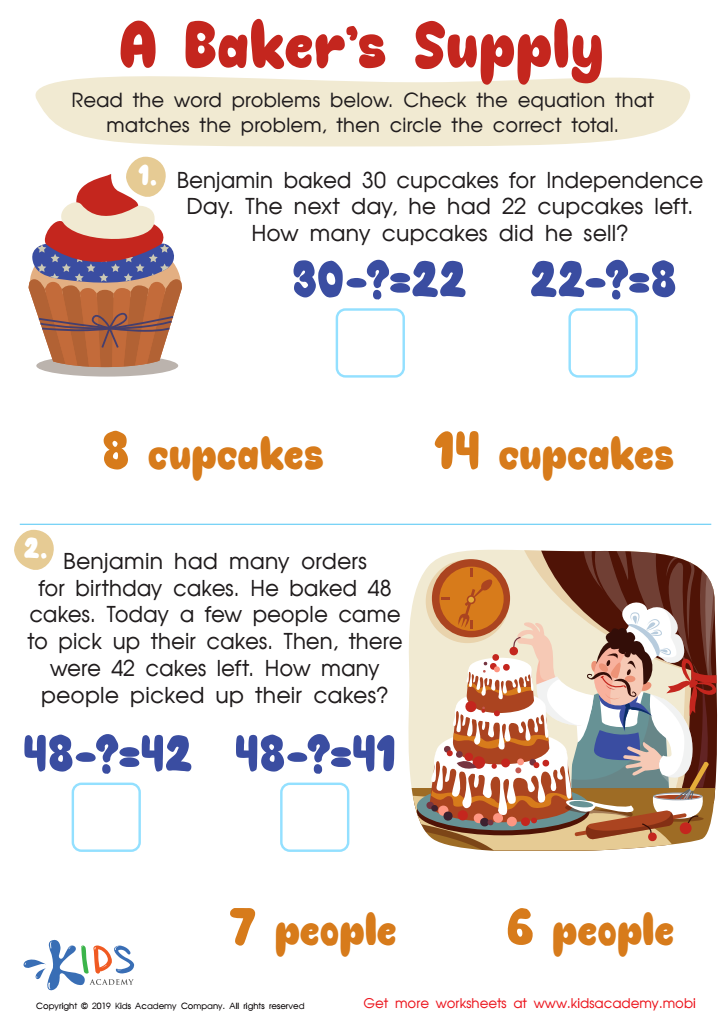
A Baker's Supply Worksheet
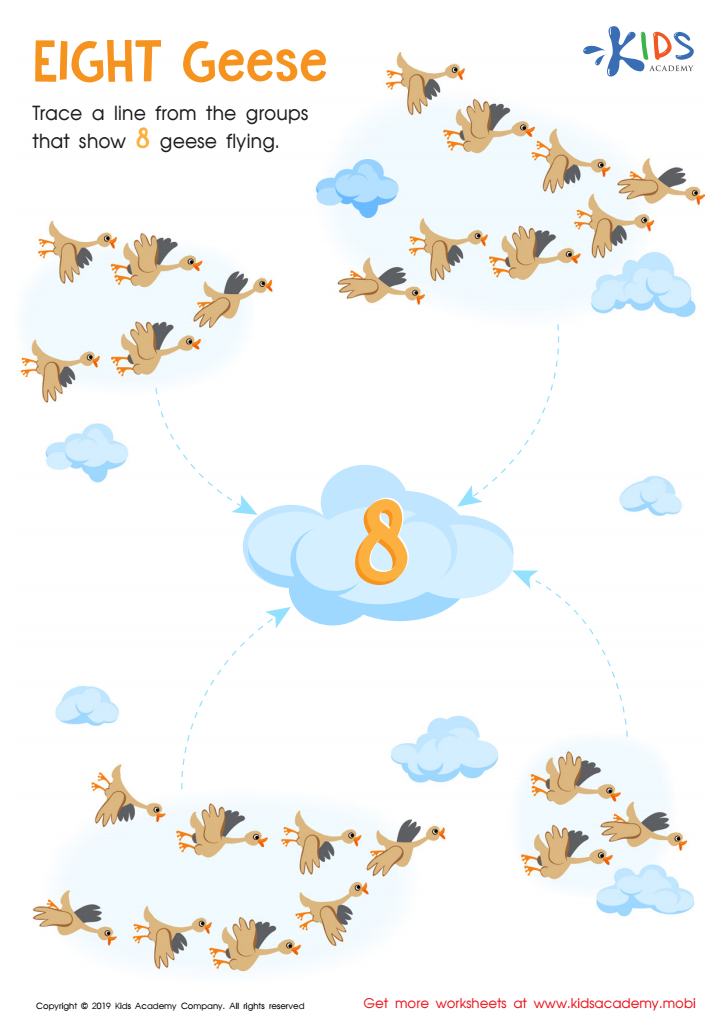
Eight Geese Worksheet
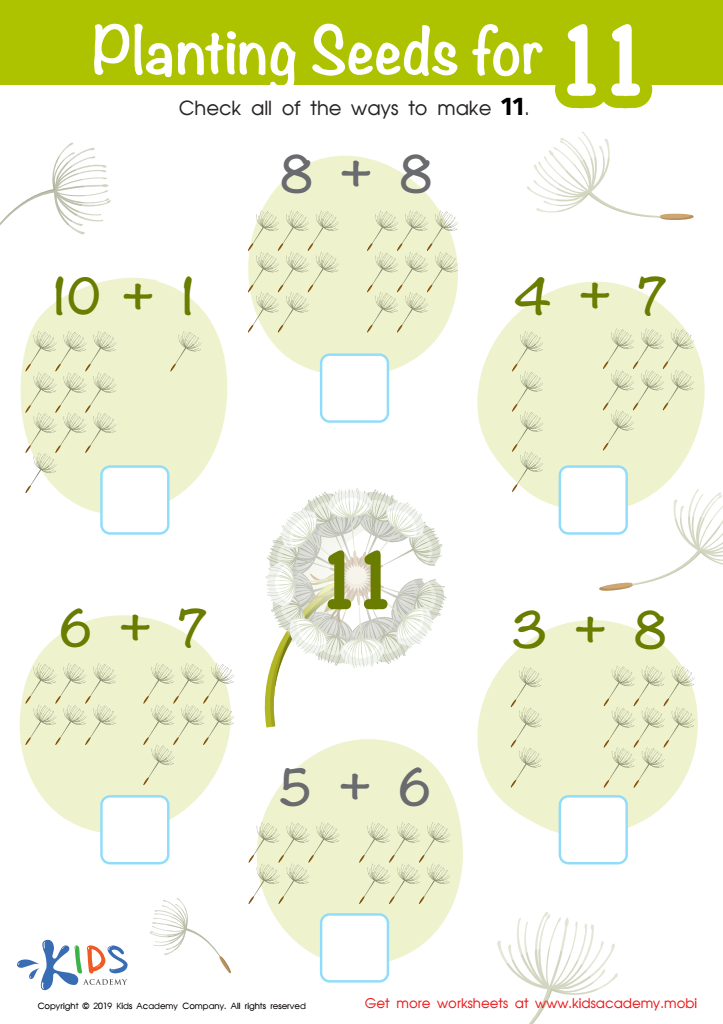
Planting Seeds for 11 Worksheet
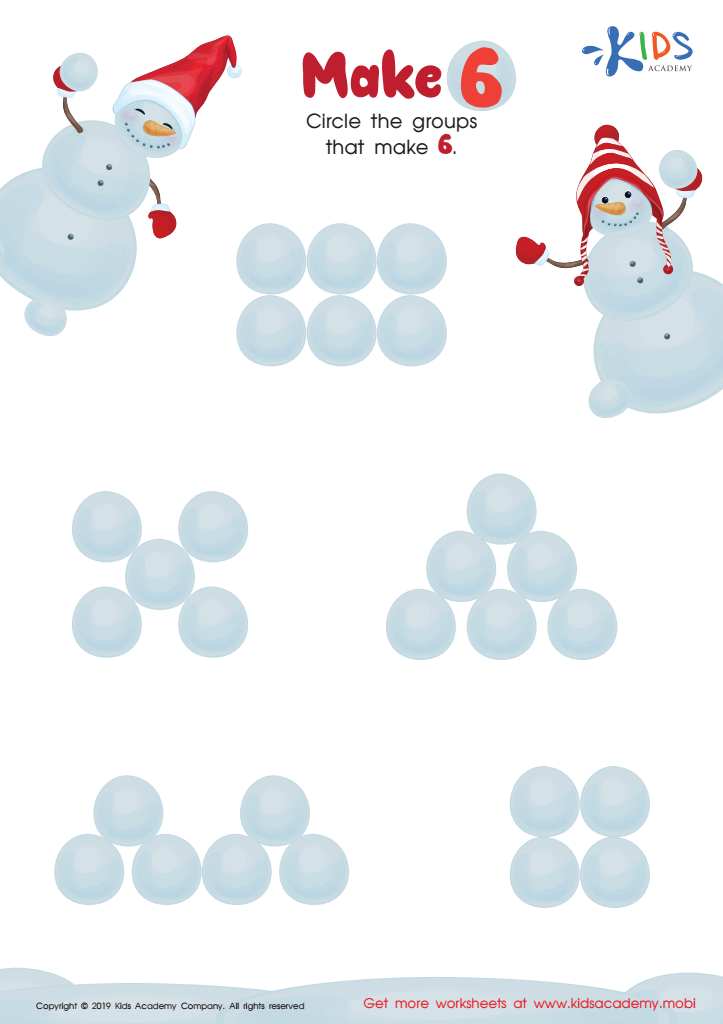
Make 6 Worksheet
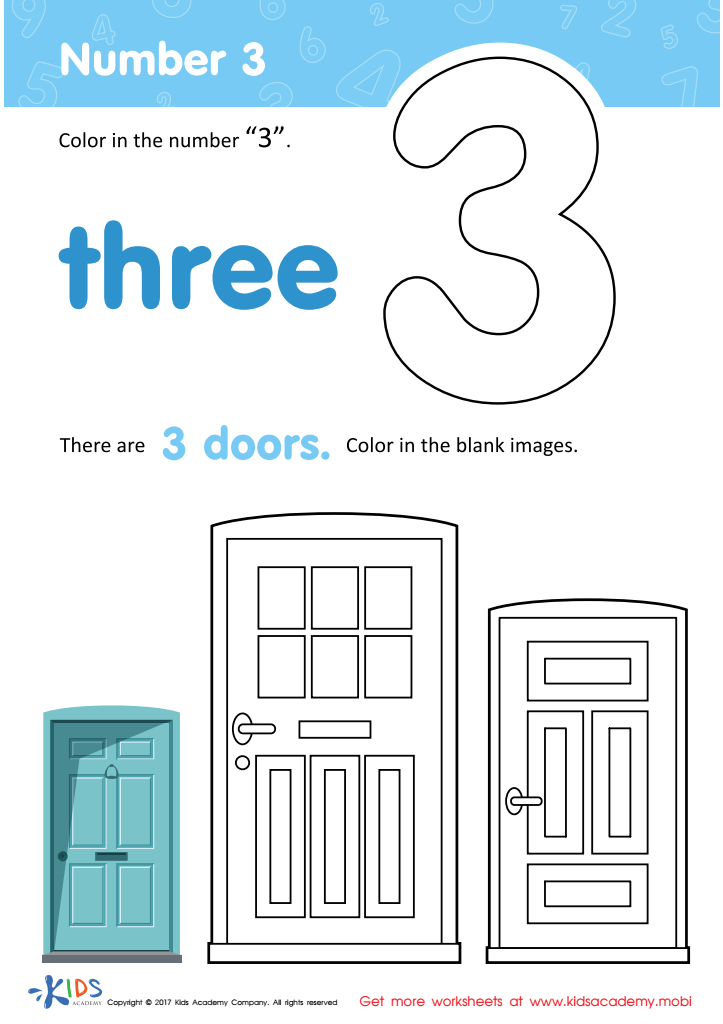
Number 3 Worksheet
Assign to My Students

Counting on the City Skyline: Dot-to-Dot Worksheet




.jpg)
Counting practice is essential for children aged 4-6 as it lays the foundation for their mathematical understanding and cognitive development. At this early stage, children develop essential skills such as number recognition, one-to-one correspondence, and the ability to quantify objects. Engaging in counting activities sharpens their fine motor skills and enhances memory and focus.
Moreover, counting is a gateway to more complex mathematical concepts like addition and subtraction, helping children make connections between numbers and their real-world applications. Parents and teachers who prioritize counting practice foster a love for math early on, which can decrease anxiety surrounding the subject later in life.
Additionally, interactive counting practices stimulate curiosity and creativity, making learning enjoyable. These activities often incorporate songs, games, or tangible materials, which keep children engaged and motivated.
Establishing these foundational skills not only boosts a child's confidence in math but also supports their overall academic success. By embedding counting into daily routines—such as counting steps, snacks, or toys—parents and teachers can seamlessly integrate this vital practice into children’s lives, promotes lifelong learning, and equips them with the tools they need for future challenges in education.








