Easy Upper & Lowercase Letters Worksheets for Ages 4-7
6 filtered results
-
From - To
Discover our Easy Upper & Lowercase Letters Worksheets designed specifically for children aged 4-7. Our engaging activities promote letter recognition, formation, and phonics skills in a fun and interactive way. Tailored to early learners, these printable worksheets help kids easily learn and differentiate between uppercase and lowercase letters. Perfect for at-home practice or classroom use, our worksheets support children's literacy development at their own pace. With colorful and child-friendly printable materials, learning the alphabet has never been this enjoyable or effective! Download now to start your child's handwriting and reading journey with confidence.
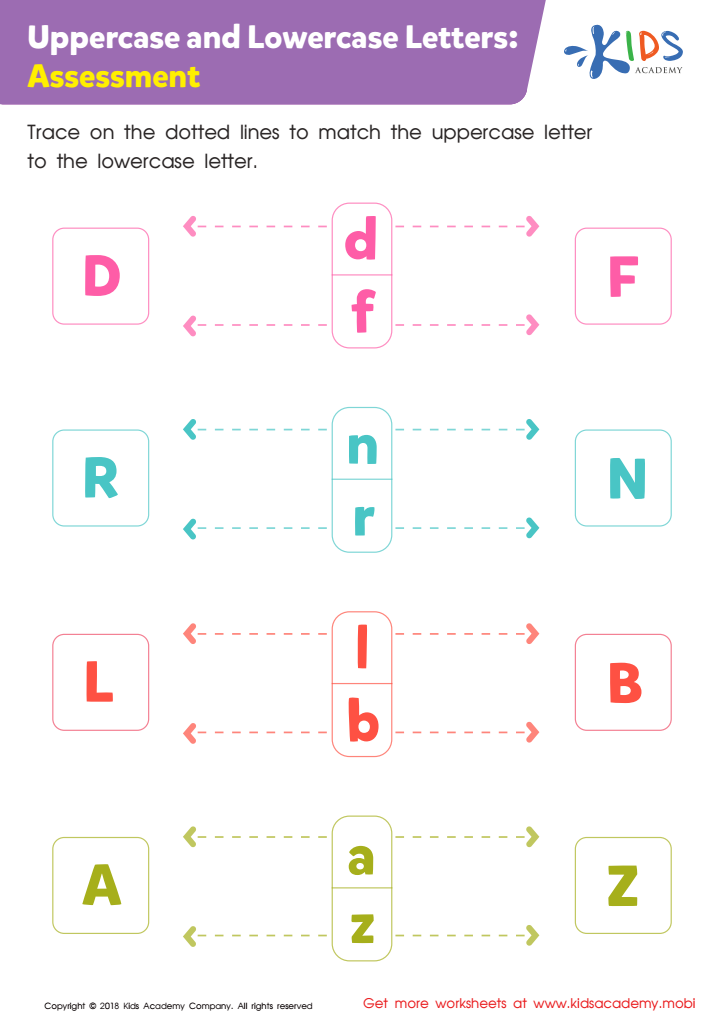
Uppercase and Lowercase Letters: Assessment Worksheet
 Assign to My Students
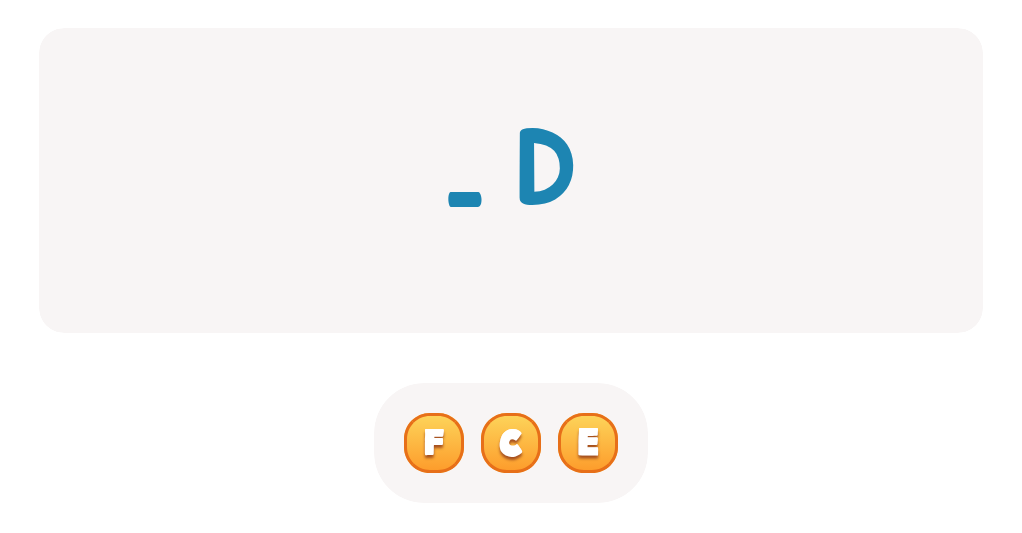

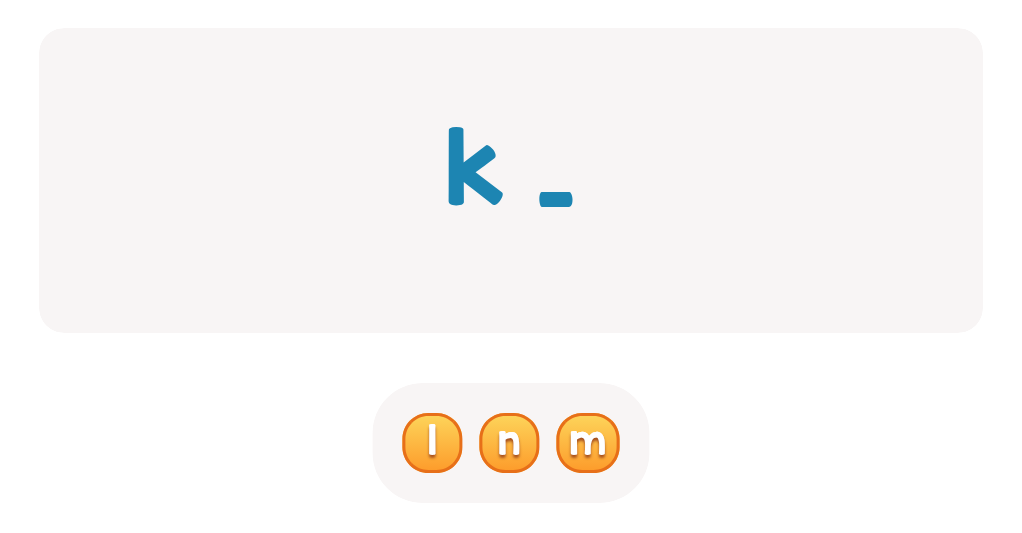
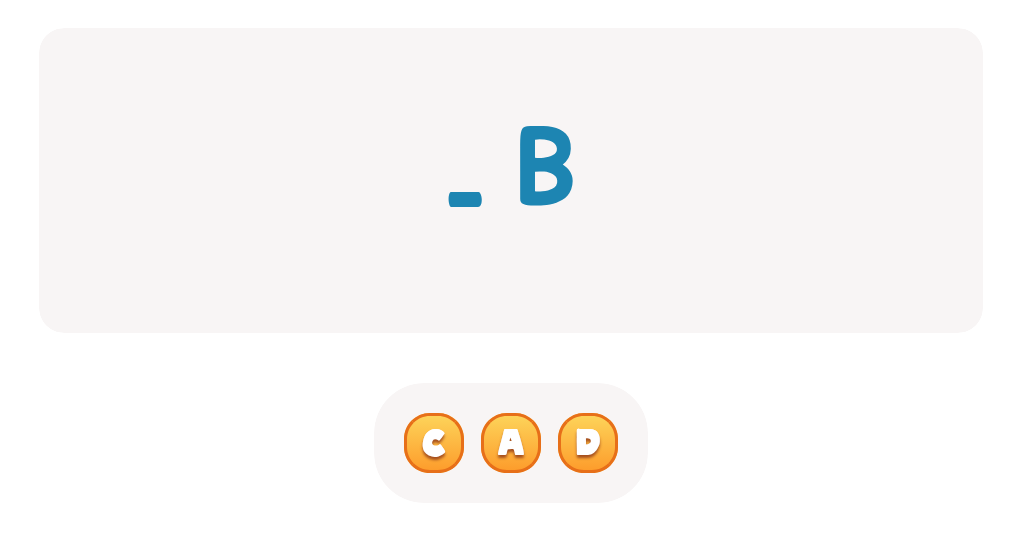
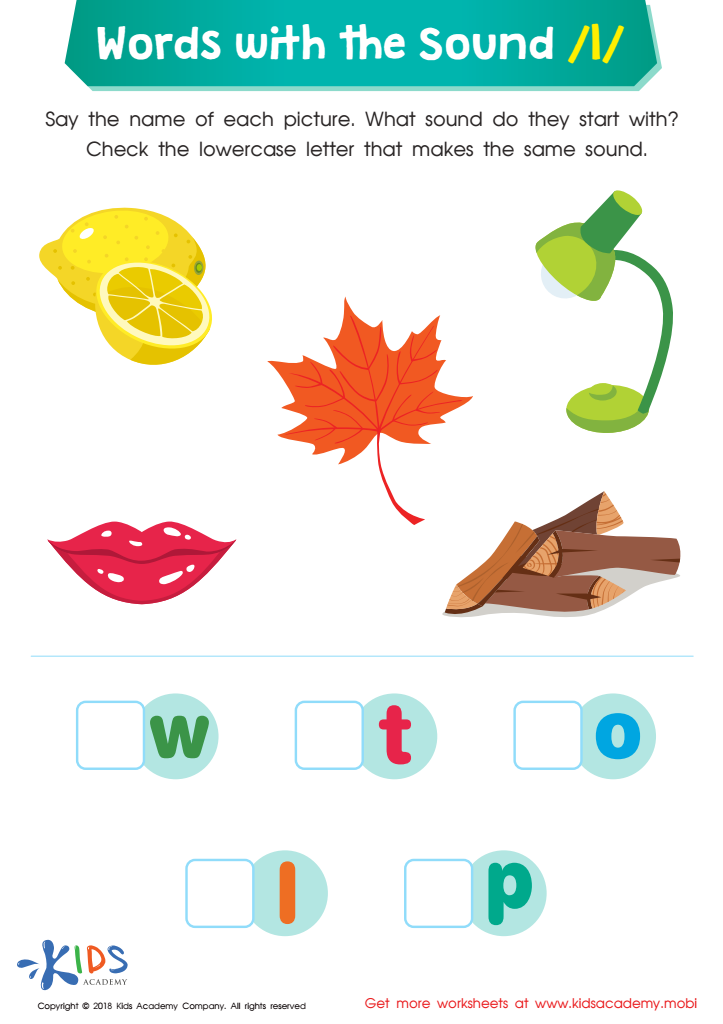
Words with Sound L Reading Worksheet
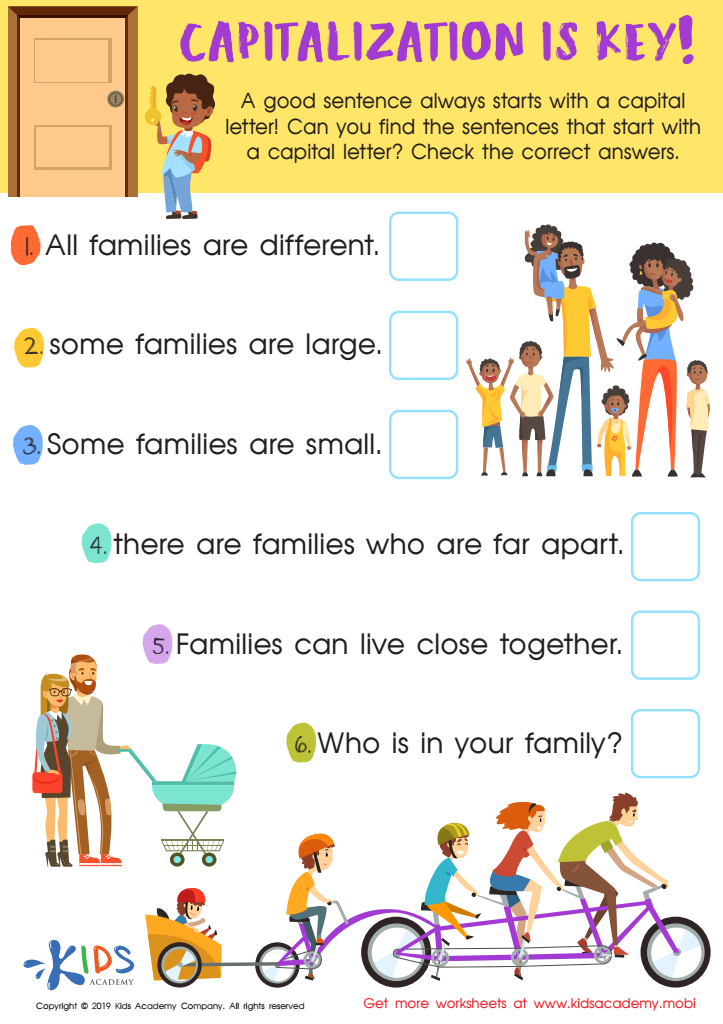
Capitalization Key Worksheet
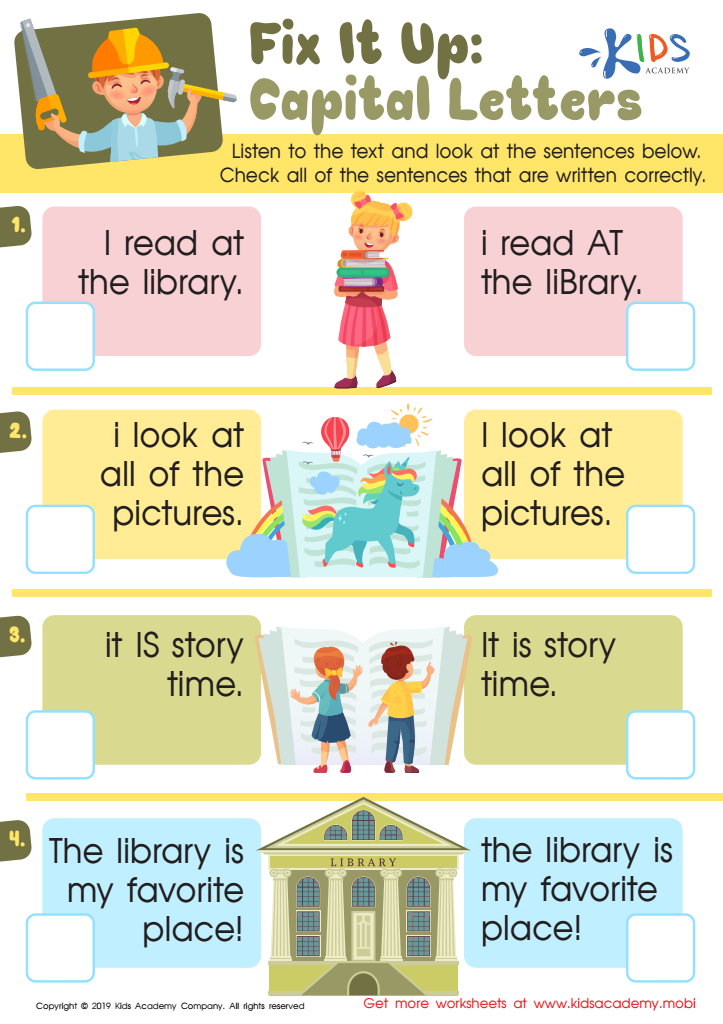
Fix Capital Letters Worksheet
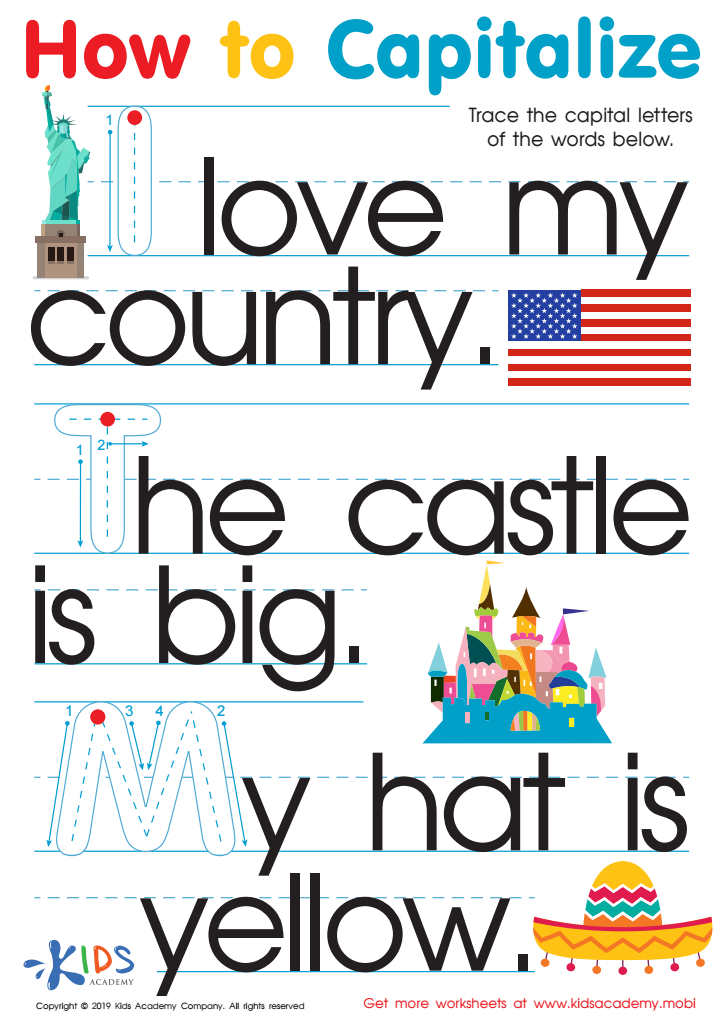
How to Capitalize Worksheet
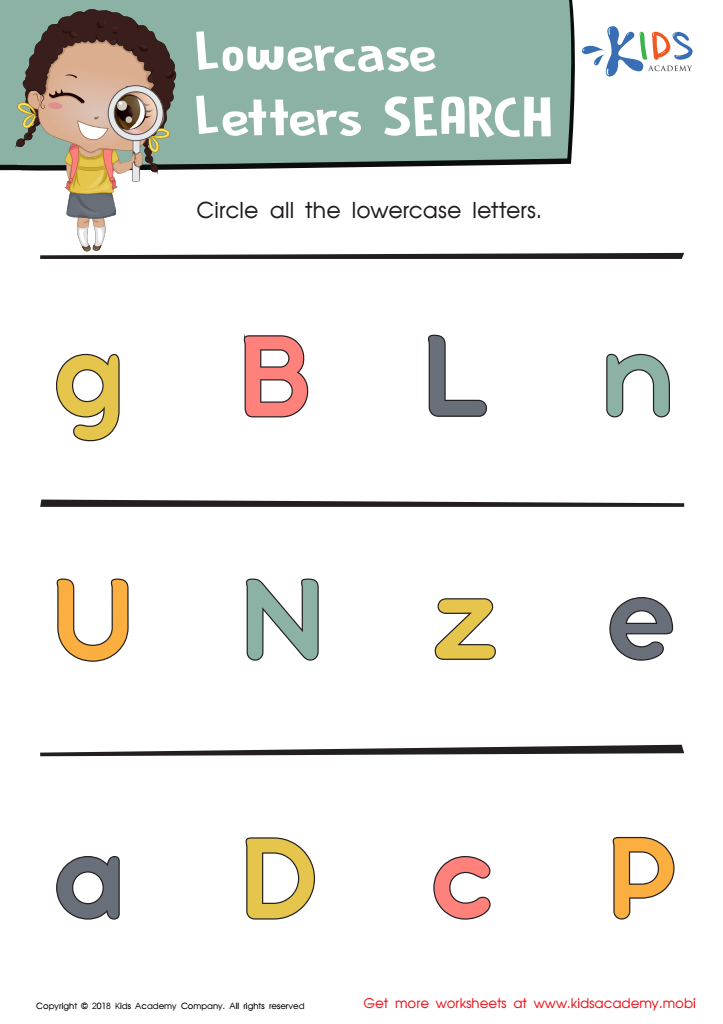
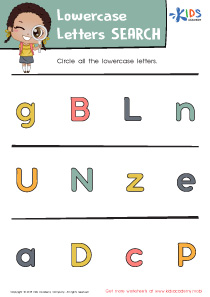
Lowercase Letters Search: Assessment Worksheet






Ensuring children ages 4-7 learn upper and lowercase letters is vital for several reasons. During these formative years, kids are developing critical pre-reading and writing skills that lay the foundation for future academic success. By integrating both upper and lowercase letters into early education, we promote letter recognition and phonemic awareness, which are crucial for learning to read. Knowing both forms of each letter helps children recognize them in varied texts, making them more adaptable and proficient readers.
In writing, understanding how to alternate between upper and lowercase letters is essential. It aids in the development of proper sentence structure and grammar, as sentences typically start with uppercase letters followed by lowercase letters. This foundational knowledge facilitates smoother transitions in reading and writing tasks as they grow older.
Moreover, familiarizing children with different letter forms decreases confusion, aiding in word and name recognition early on, which strengthens their self-confidence. This early investment in recognizing and writing easy upper and lowercase letters cultivates a love for reading and writing, setting a positive educational tone. Therefore, parents and teachers play a key role by providing resources, activities, and consistent practice opportunities tailored to this age group’s learning needs. This effort not only boosts literacy skills but also fosters lifelong learning enthusiasm.