Color recognition Easy Worksheets for Ages 4-7 - Page 2
38 filtered results
-
From - To

Japan Printable
 Assign to My Students
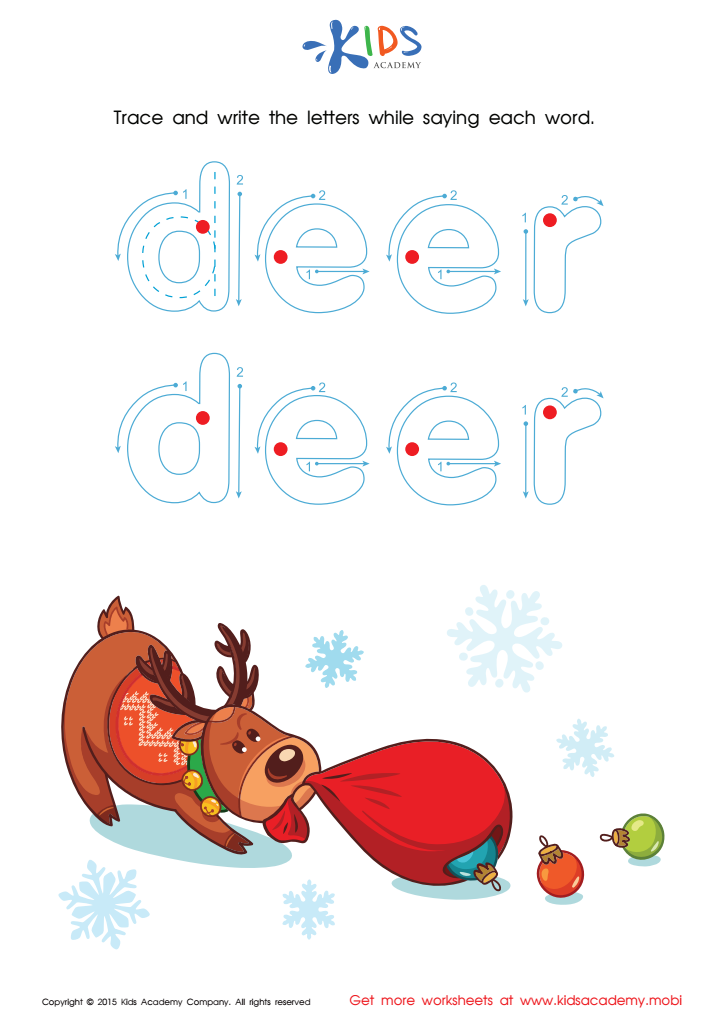
Deer Tracing Winter Words Worksheet
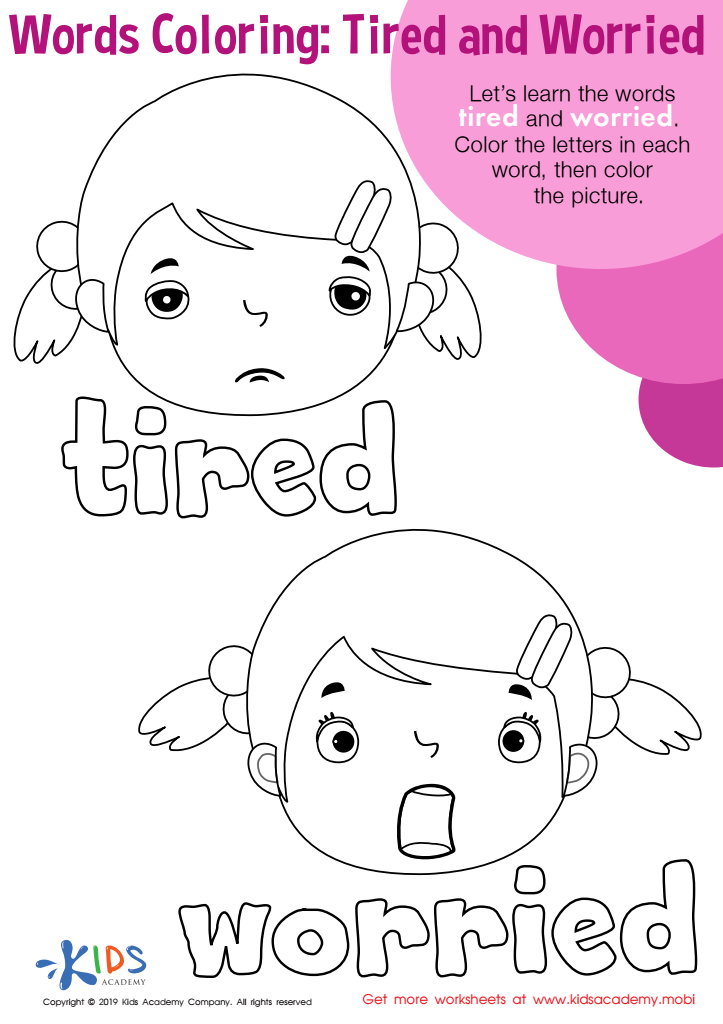
Tired and Worried Words Coloring Worksheet
Assign to My Students

Arizona Coloring Page Worksheet
Assign to My Students
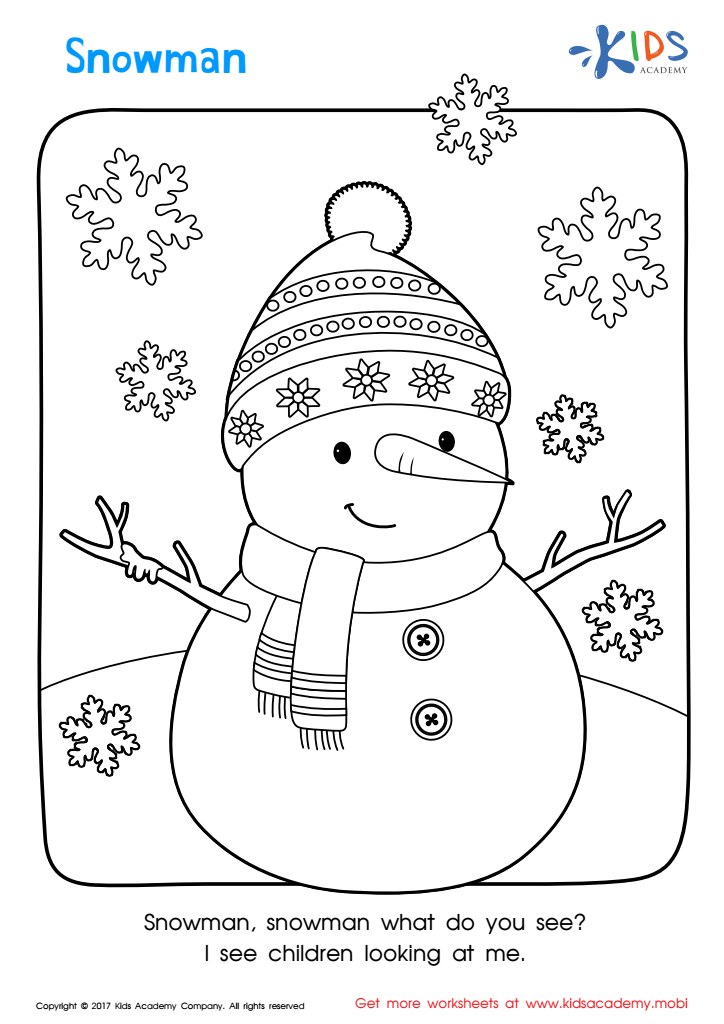
Christmas: Snowman Printable
Assign to My Students
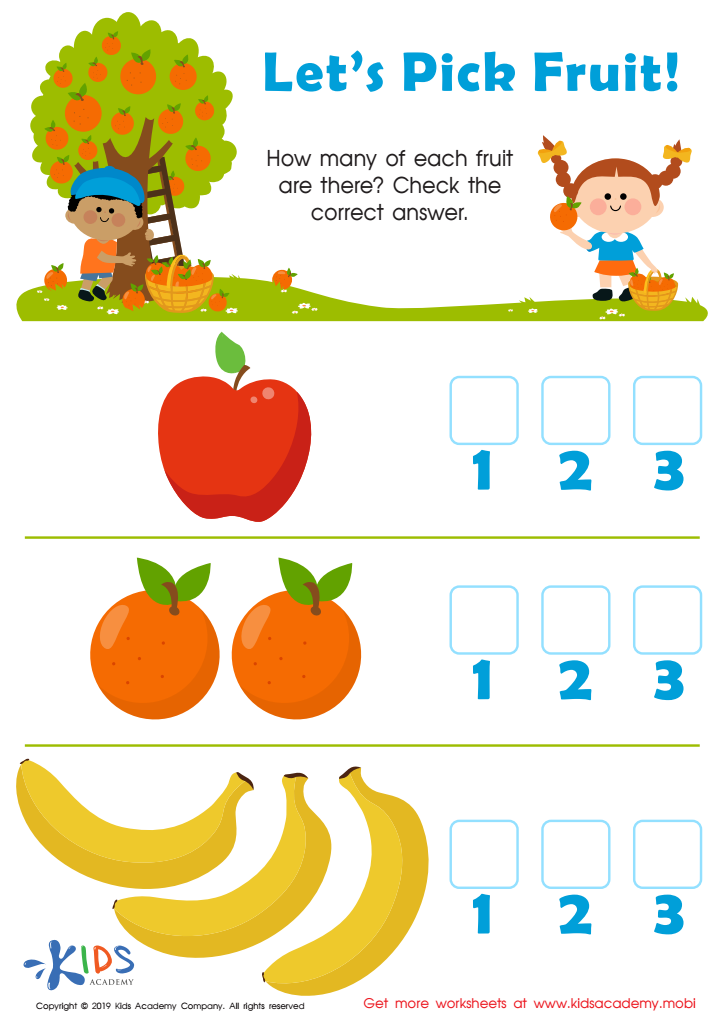
Let's Pick Fruit Worksheet
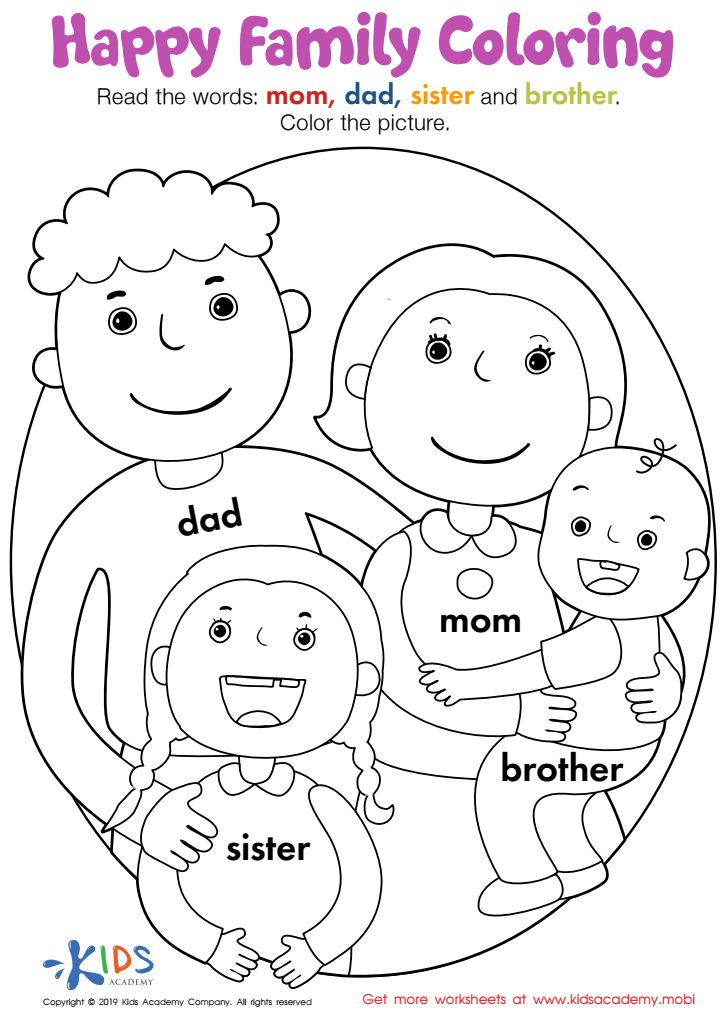
Happy Family Coloring Worksheet
Assign to My Students

Globe Coloring Page Worksheet
Assign to My Students
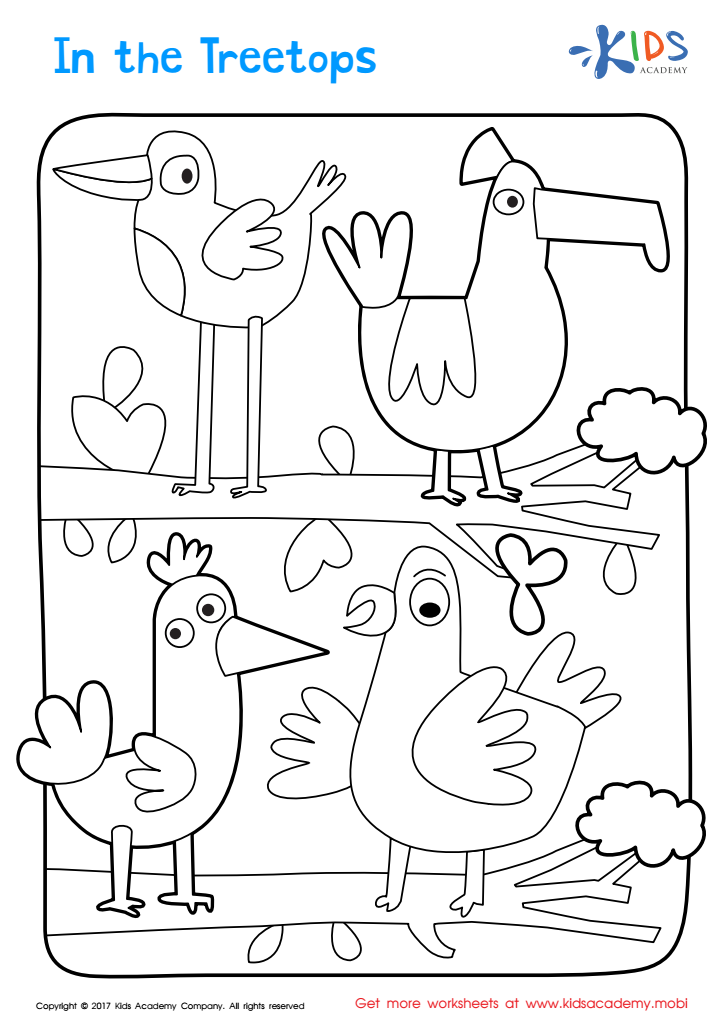
In the Treetops Coloring Page
Assign to My Students
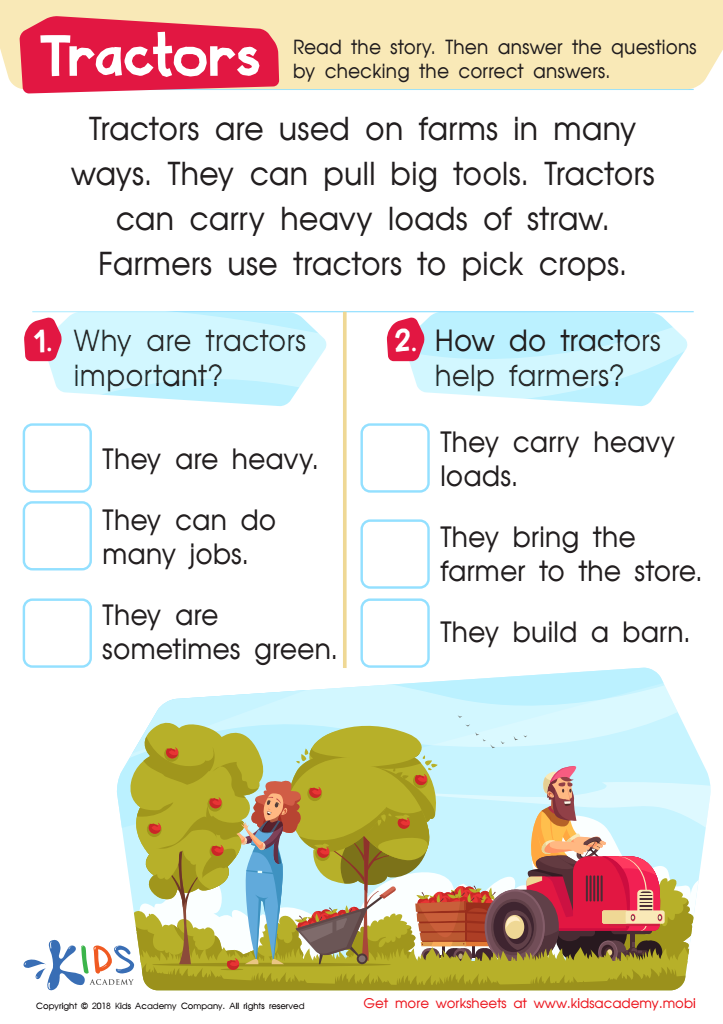
Tractors Worksheet
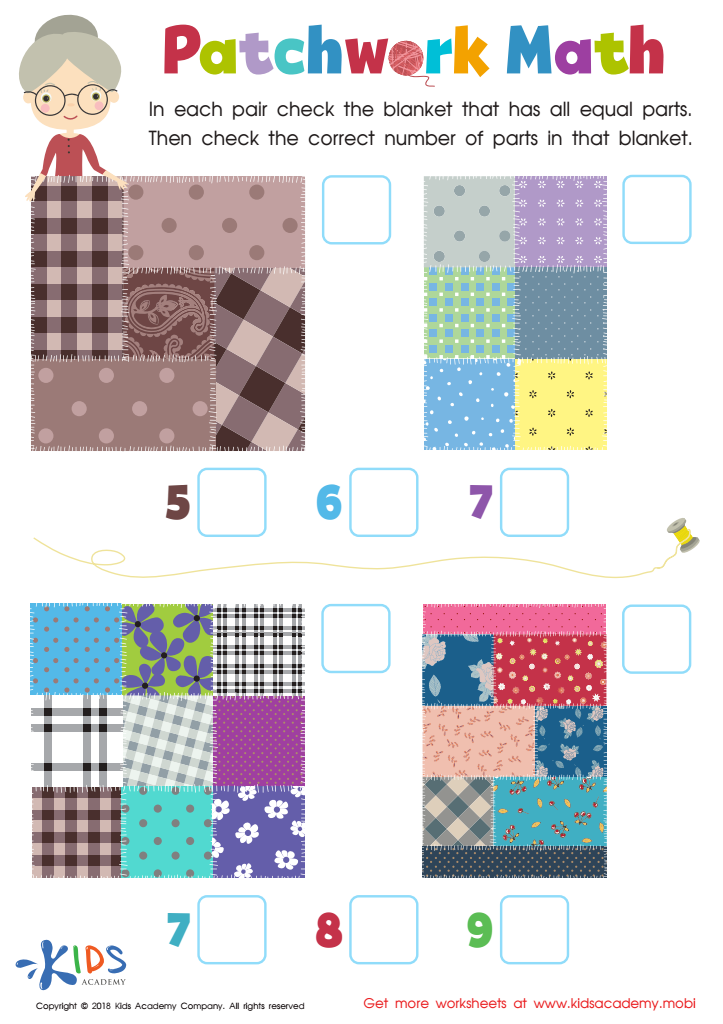
Patchwork Math Worksheet
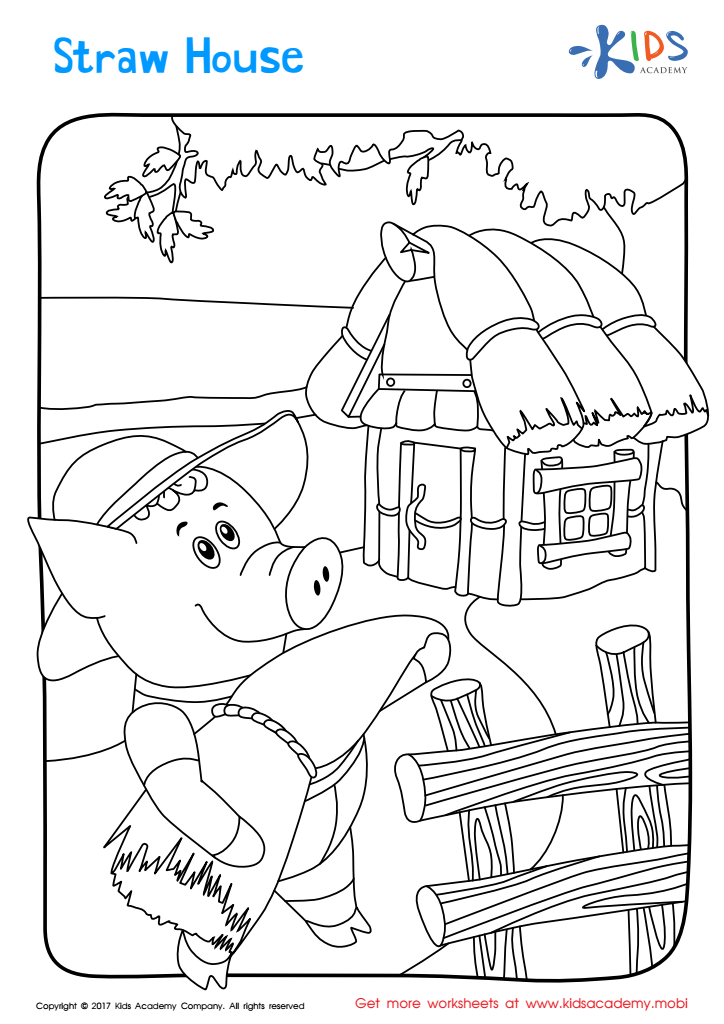
Straw House Printable Coloring Page
Assign to My Students
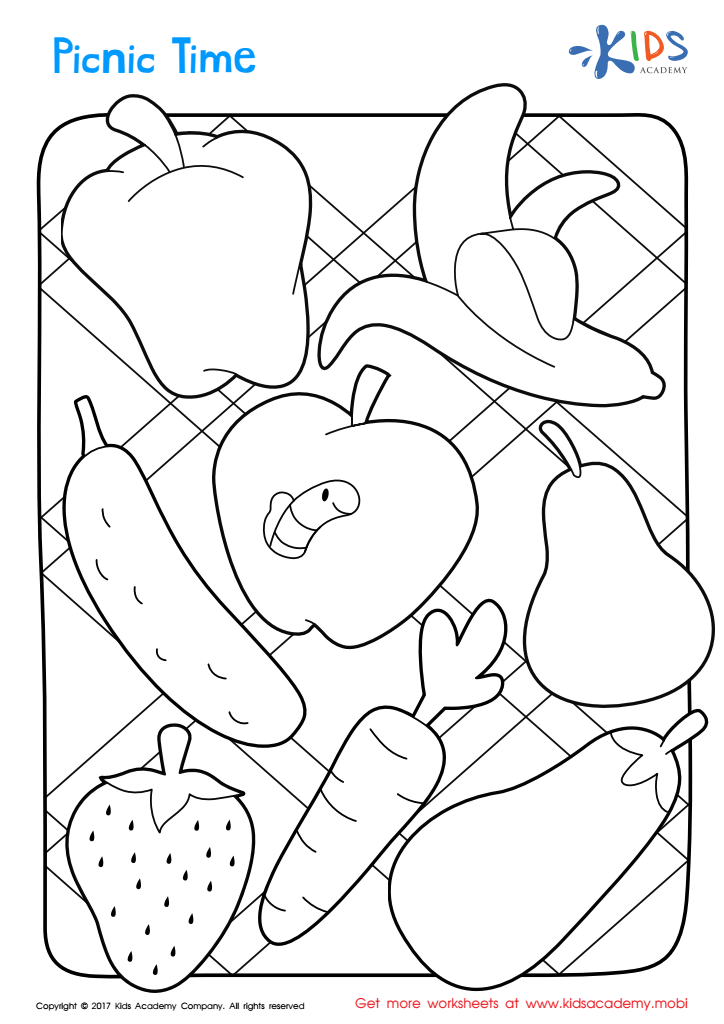
Picnic Time Coloring Page
Assign to My Students








Color recognition is a fundamental skill for children aged 4-7 that lays the groundwork for numerous cognitive, social, and emotional developments. Parents and teachers should care about fostering this skill because it enhances a child's ability to observe and interpret the world around them. Recognizing colors helps improve critical thinking skills as children categorize and differentiate objects based on colors, thereby strengthening their cognitive processing.
Moreover, color recognition plays a crucial role in language development. When children learn color names, they expand their vocabulary and functionality in communication. This is instrumental in expressive language skills, allowing kids to describe and share their experiences effectively.
Additionally, engaging with colors can enhance children's creativity. Through various art and sensory activities, children make choices about color combinations, stimulating imaginative thought and self-expression. Learning about colors can also aid in emotional development; colors can evoke feelings and moods, giving children a language to express their emotions.
Lastly, color recognition supports everyday tasks and independence, as children learn to associate colors with objects, routines, and safety signs. By fostering color recognition, parents and teachers provide children with essential tools for learning, communication, and emotional understanding.








