Fine motor skills improvement Easy Worksheets for Ages 4-7
5 filtered results
-
From - To
Introduce your young learners to Fine Motor Skills Improvement Easy Worksheets for Ages 4-7. Designed to boost dexterity, these engaging activities help children grasp, manipulate, and control objects with precision. Crafted by educational professionals, our worksheets cover various exercises, from tracing and cutting to intricate coloring tasks. These enjoyable tasks aim to enhance hand-eye coordination, pen control, and overall independence in daily tasks. Perfect for preschool to early elementary students, our resources support cognitive development in a fun, student-friendly format. Help kids reach their full potential with our expertly designed fine motor skill worksheets.

My Colorful Name Worksheet
 Assign to My Students
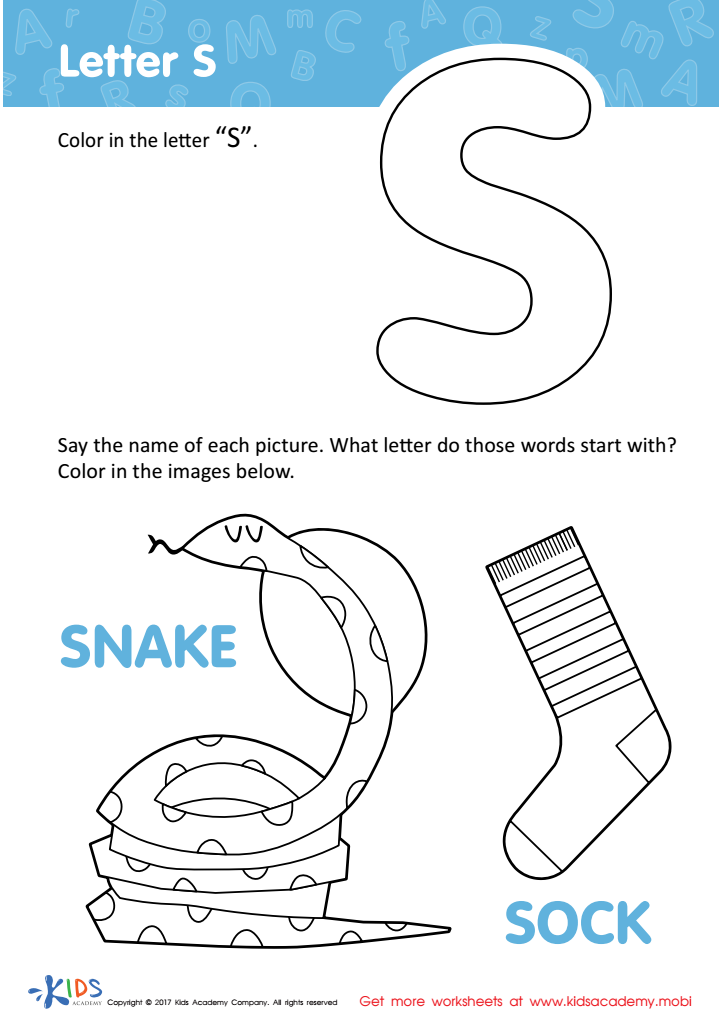
Letter S Coloring Sheet
Assign to My Students

Down the Stairs Worksheet
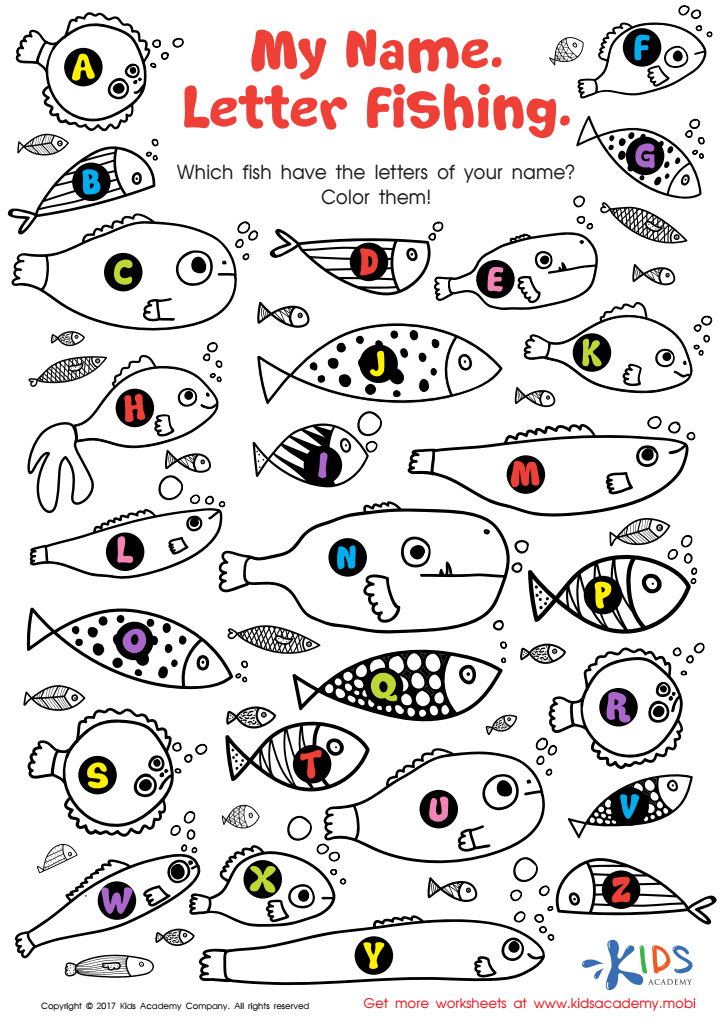
My Name: Letter Fishing Worksheet
Assign to My Students
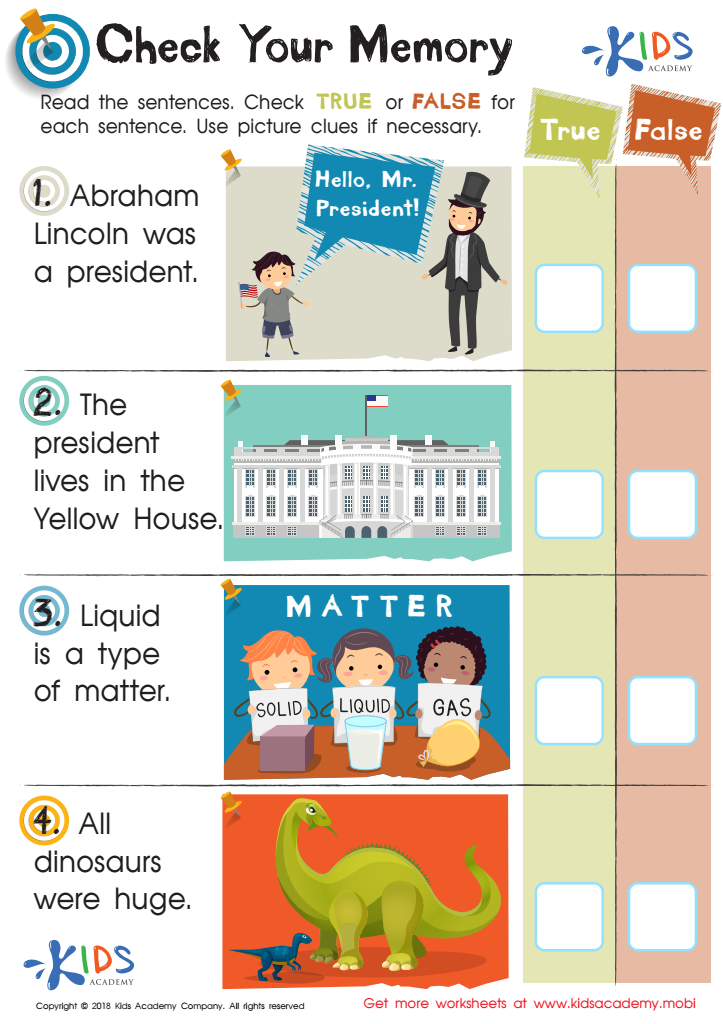
Check Memory Worksheet








Parents and teachers should prioritize the development of fine motor skills in children ages 4-7 because these skills are foundational for their academic and daily life success. Fine motor skills involve the coordination of small muscles in the hands and fingers, enabling children to perform essential tasks such as writing, drawing, and cutting with scissors. When children develop fine motor skills early, they build the capability to manipulate objects with precision, which is vital for school-related activities like holding a pencil properly and forming letters legibly.
Moreover, strong fine motor skills are linked to cognitive development. As children practice these skills, they enhance their hand-eye coordination, concentration, and problem-solving abilities. For young learners, mastering fine motor tasks can boost confidence and independence, as such skills are integral to completing simple everyday activities, like buttoning clothes and using utensils.
Teachers and parents should incorporate activities like beading, playdough manipulation, and small object sorting into daily routines. These activities are both engaging and effective in fostering fine motor development. By ensuring that children have the opportunities to refine these skills between ages 4-7, adults help lay a solid groundwork for future academic achievement and greater ease in handling everyday tasks.








