Improving counting skills Easy Worksheets for Ages 4-7
6 filtered results
-
From - To
Enhance your child's counting skills with our collection of easy worksheets designed specifically for ages 4-7. These engaging activities make learning fun while helping young learners grasp essential numeracy concepts. Our worksheets include a variety of exercises, from counting objects to number matching and simple addition, ensuring a well-rounded approach to mathematical understanding. With colorful visuals and age-appropriate challenges, children will develop confidence in their counting abilities as they progress at their own pace. Perfect for parents and educators, our resources provide the ideal support for early learners to master counting in a playful and enjoyable way. Start your counting adventure today!
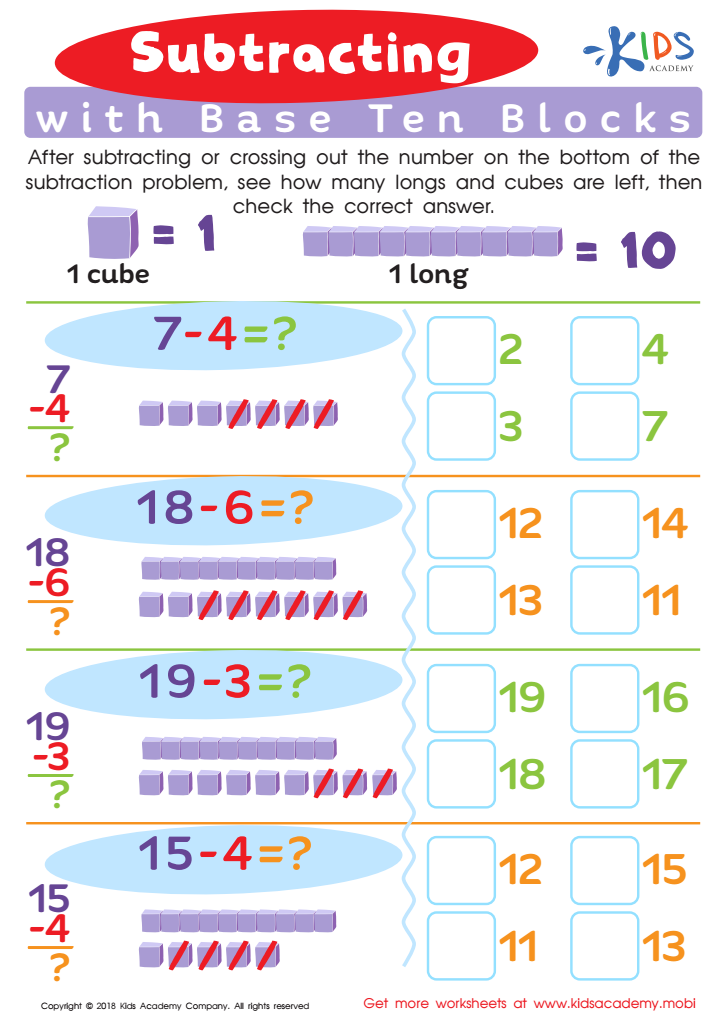
Subtracting With Base 10 Blocks Worksheet
 Assign to My Students
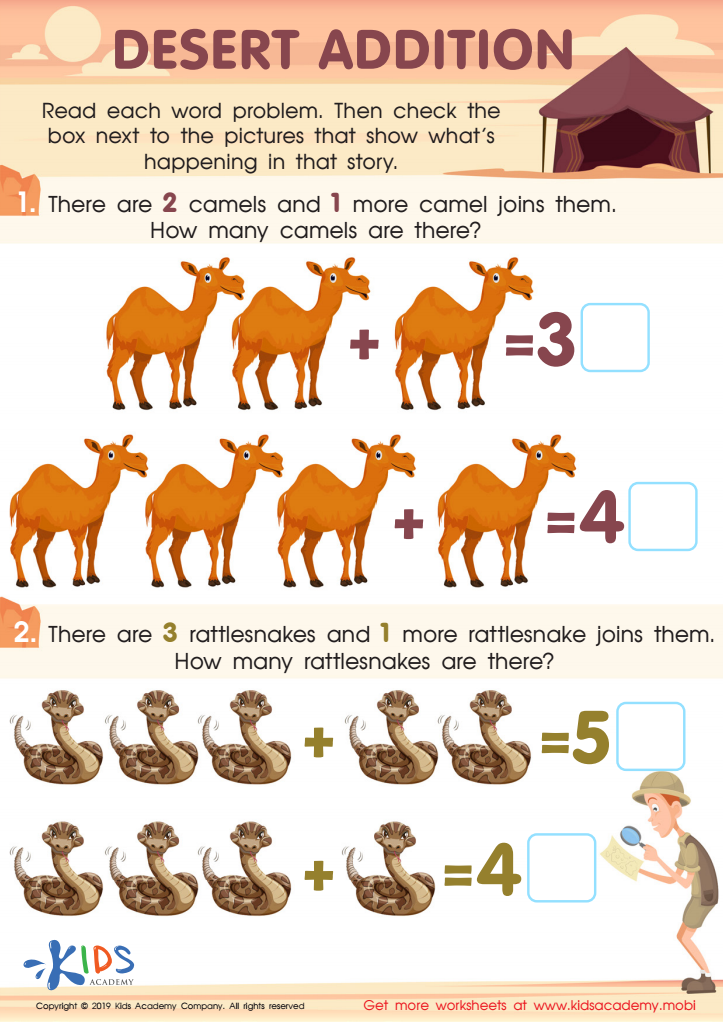
Desert Addition Worksheet
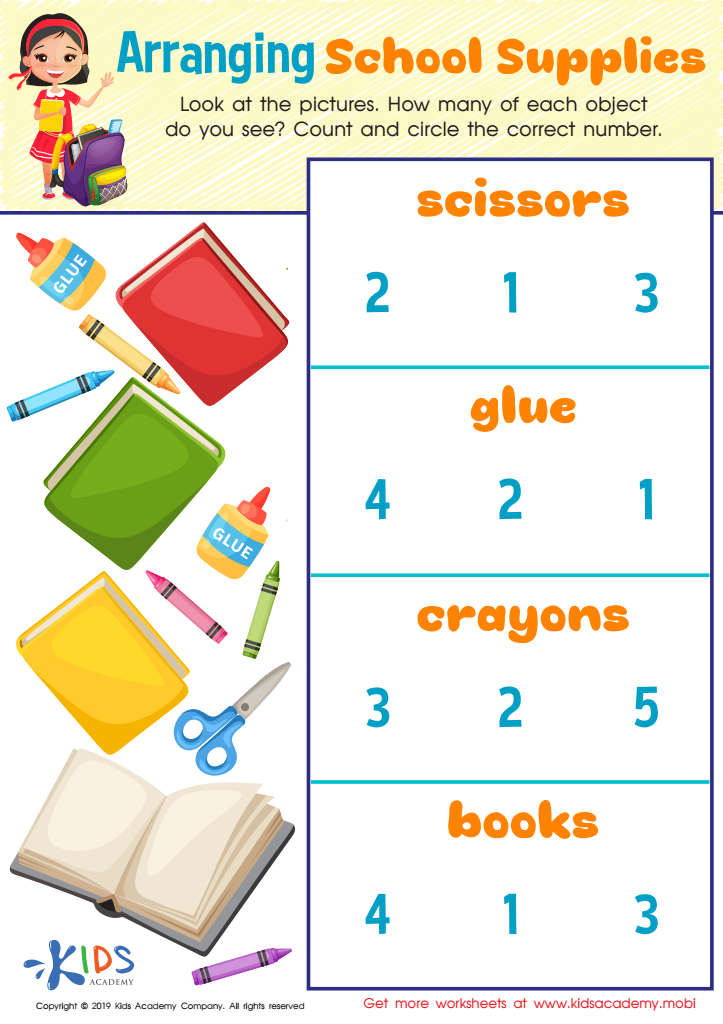
Arranging School Supplies Worksheet
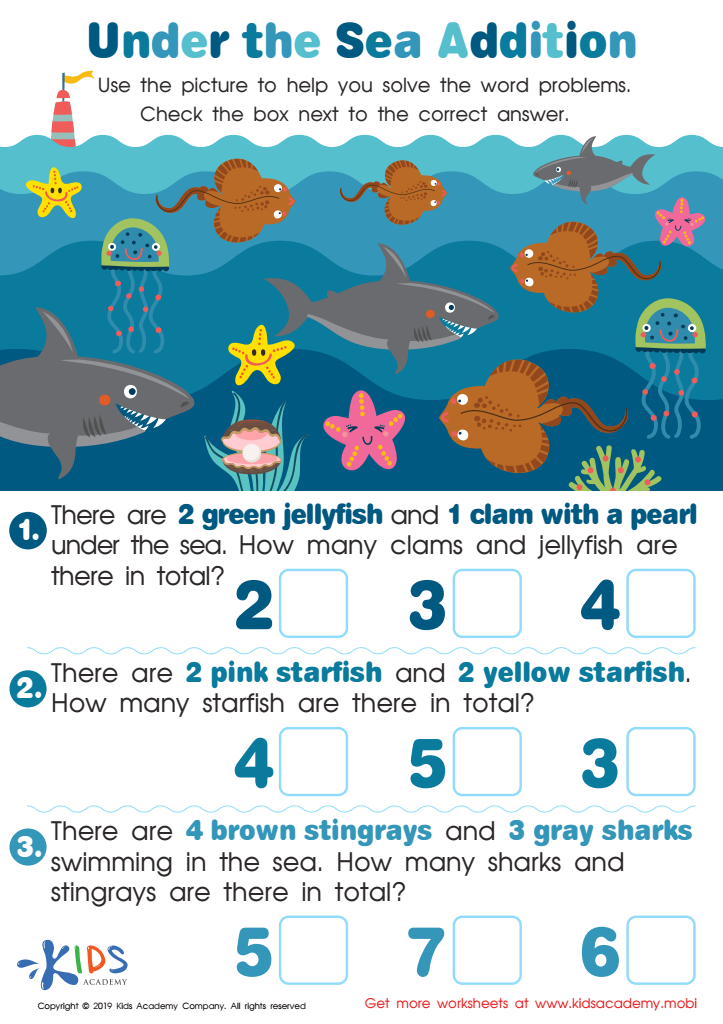
Under the Sea Addition Worksheet
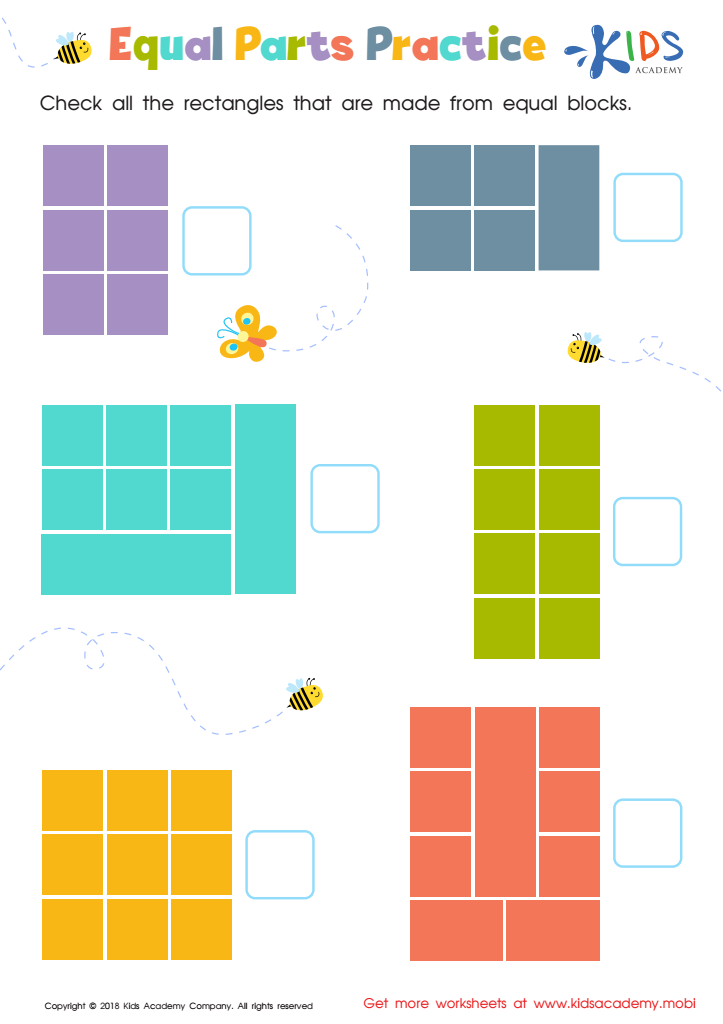
Equal Parts Practice Worksheet
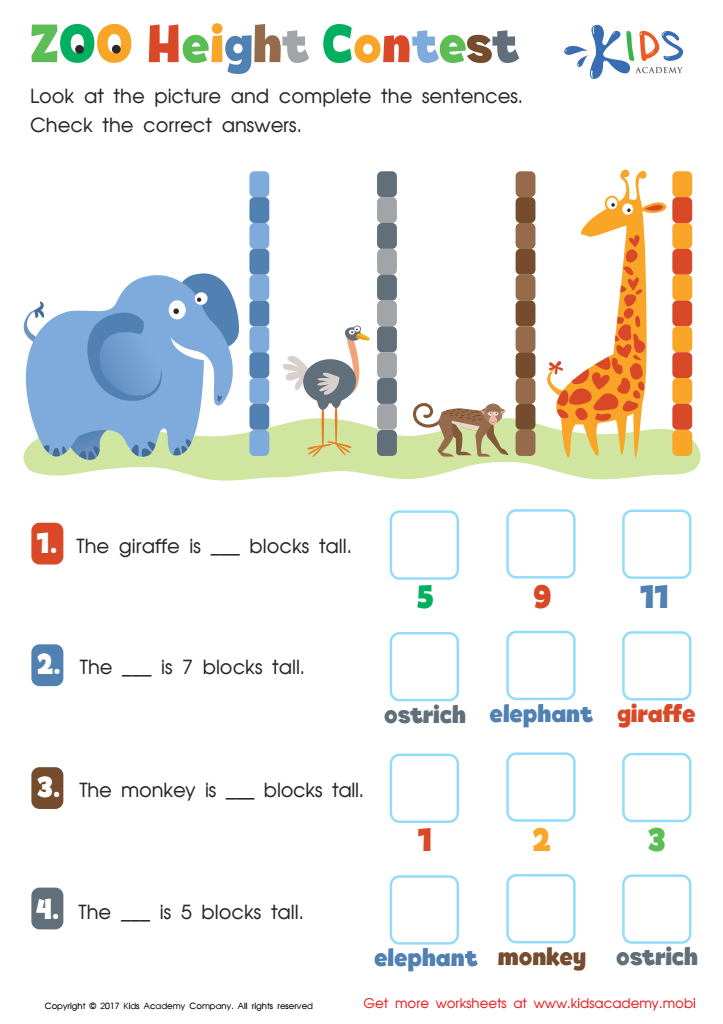
Zoo Height Contest Worksheet







Improving counting skills in children aged 4-7 is crucial for several reasons. Firstly, these foundational skills are essential for their overall mathematical development, setting the stage for more complex concepts in the future. Mastering counting helps children understand numbers, leading to increased confidence in their abilities.
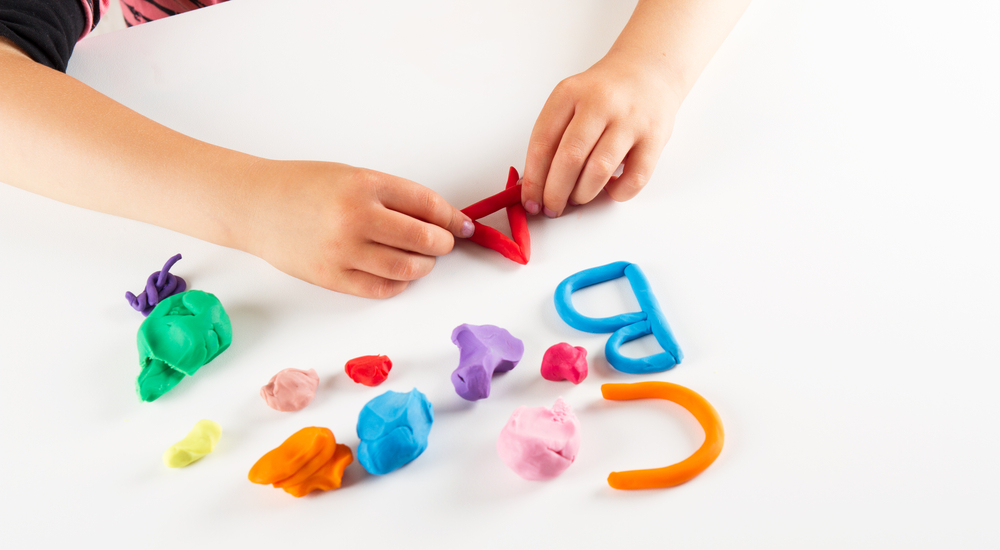
Counting also fosters cognitive development. It enhances critical thinking and problem-solving skills, as children learn to recognize patterns and relationships through hands-on activities and games. Moreover, counting promotes fine motor skills as young learners engage with objects, fingers, or even drawings to visualize their counting process.
Socially, strong counting skills can boost a child’s confidence when interacting with peers and adults. Whether sharing toys or participating in classroom activities, children who are comfortable with counting are more likely to engage positively with others.
Finally, early counting experiences often set the tone for a child’s attitude toward math. If parents and teachers create an encouraging, enjoyable environment for counting, children are more likely to embrace mathematics as a fun and valuable tool throughout their lives. By prioritizing counting skills, adults can equip children for success in school and beyond.








