Understanding fractions Easy Math Worksheets for Ages 4-7
17 filtered results
-
From - To
Discover our "Understanding Fractions Easy Math Worksheets for Ages 4-7" at Kids Academy! Our engaging and colorful worksheets introduce young learners to the exciting world of fractions in a fun and interactive way. Designed to cater to ages 4-7, these activities use simple visuals and relatable examples to help children grasp basic fraction concepts such as halves, thirds, and quarters. Perfect for both in-class and at-home use, our worksheets aim to build a strong foundation in math through practice and enjoyment. Get started today and watch your child blossom into a confident and enthusiastic mathematician! Explore more at Kids Academy.
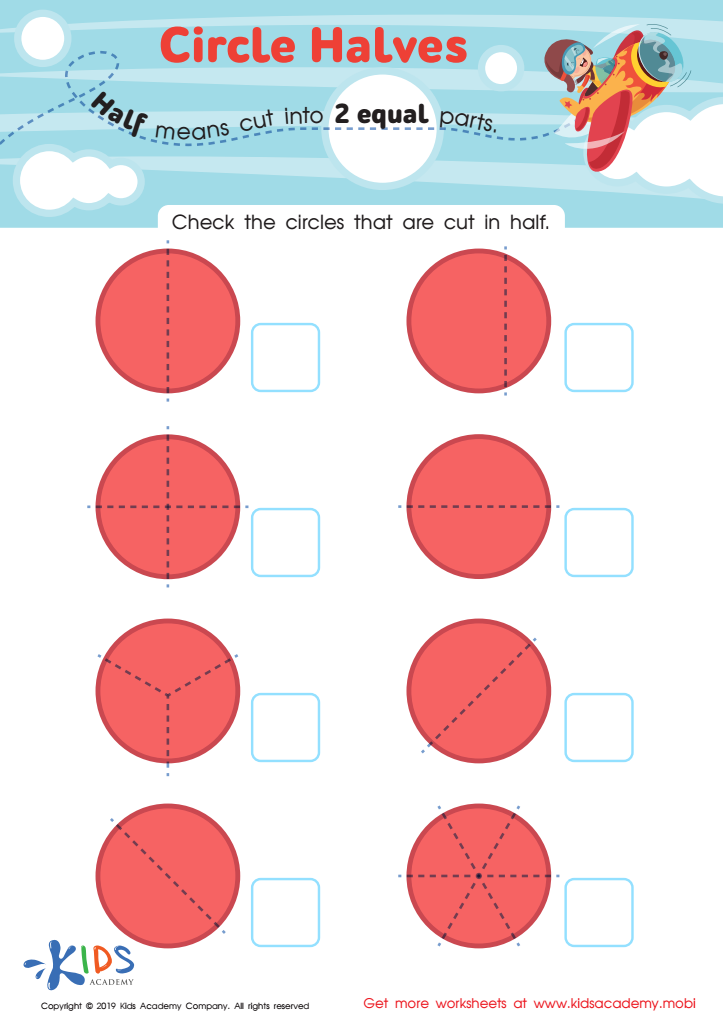
Circle Halves Worksheet
 Assign to My Students
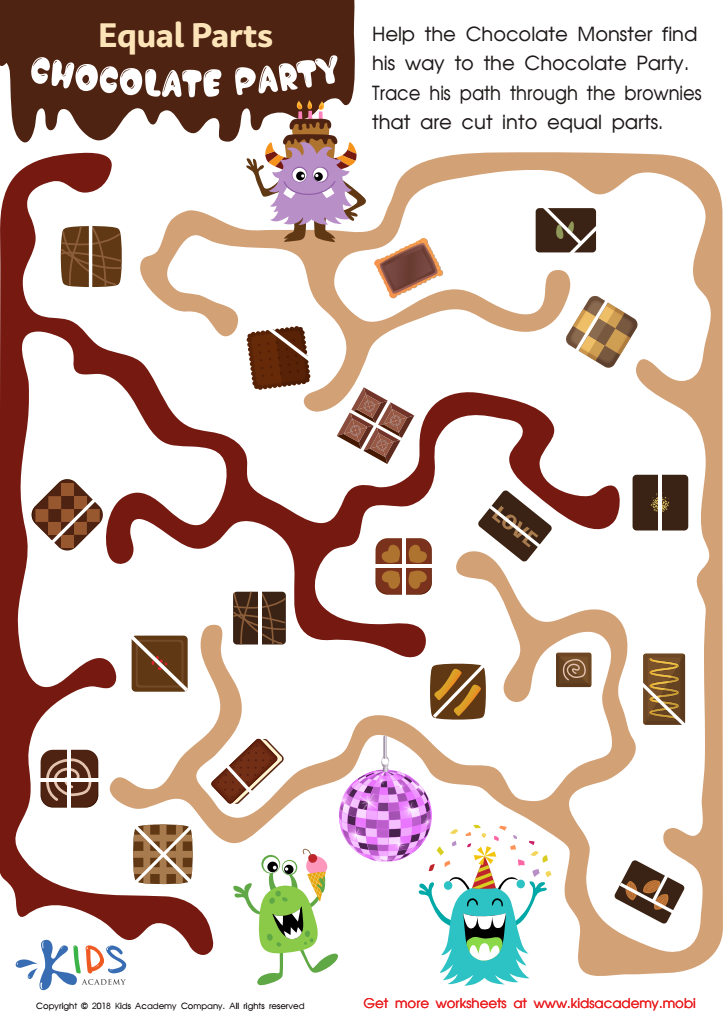
Equal Parts: Chocolate Party Worksheet
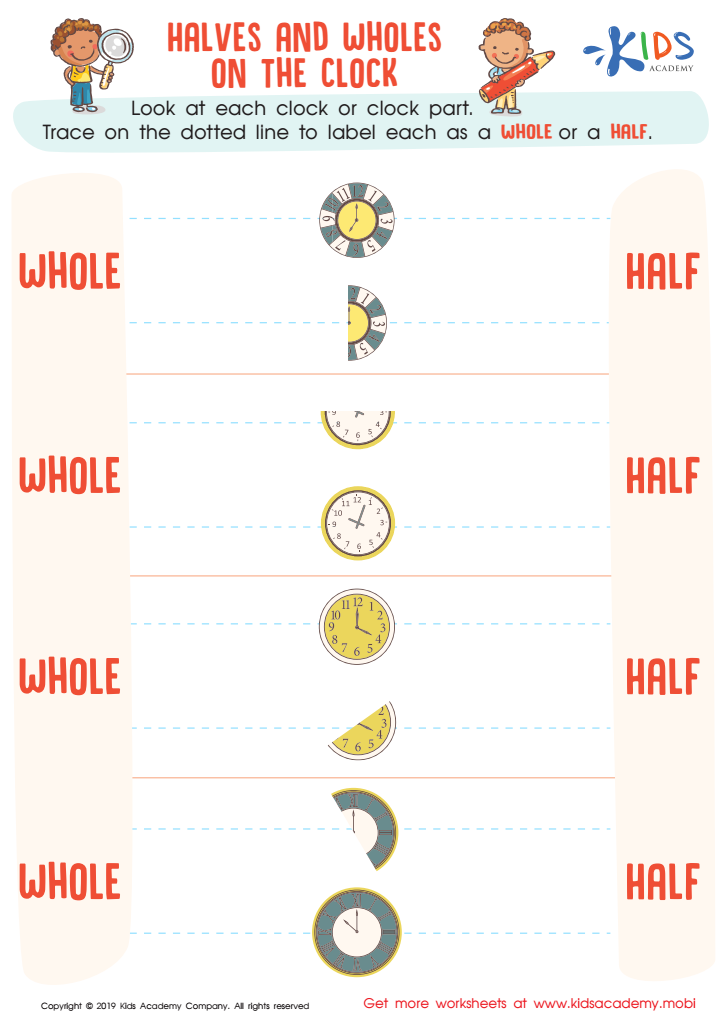
Halves and Wholes on the Clock Worksheet
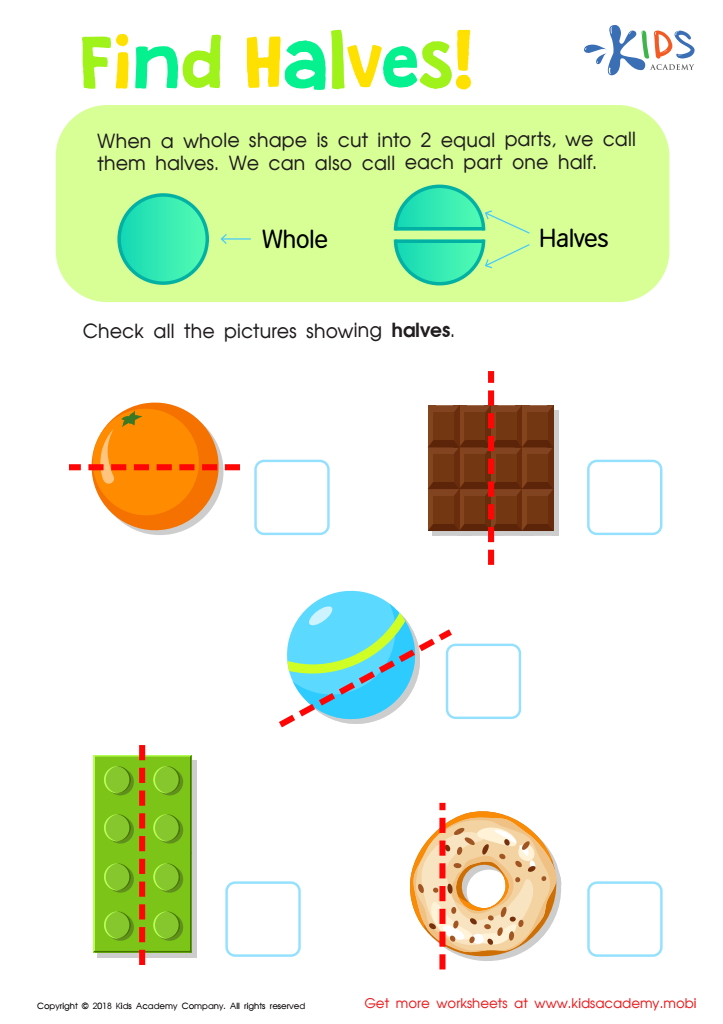
Find Halves Worksheet
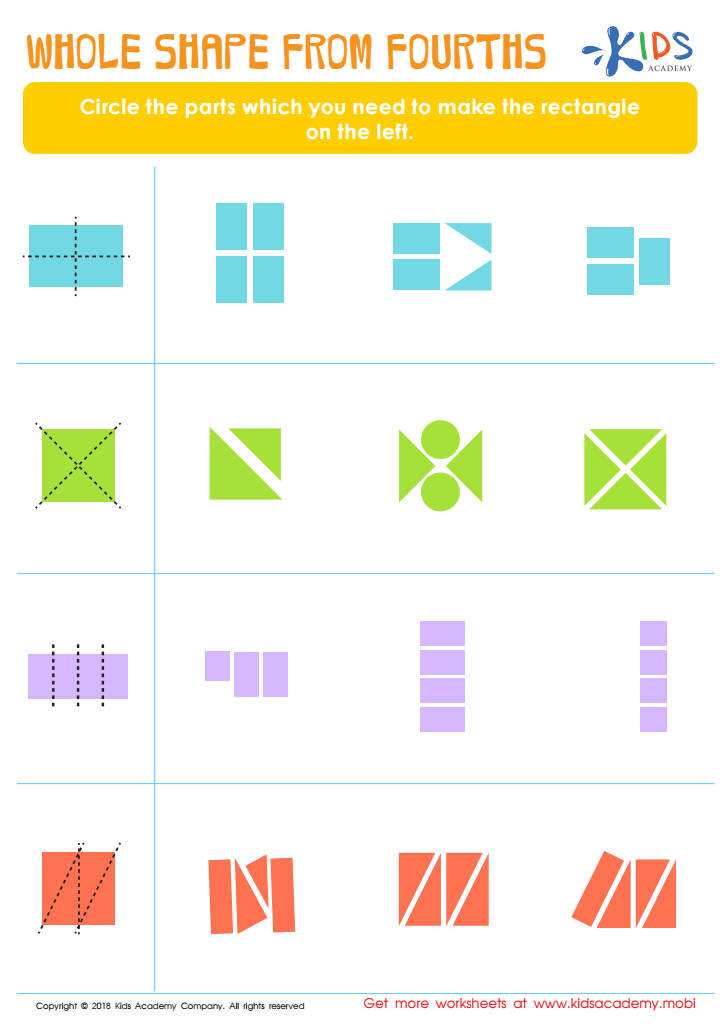
Whole Shape from Fourths Worksheet
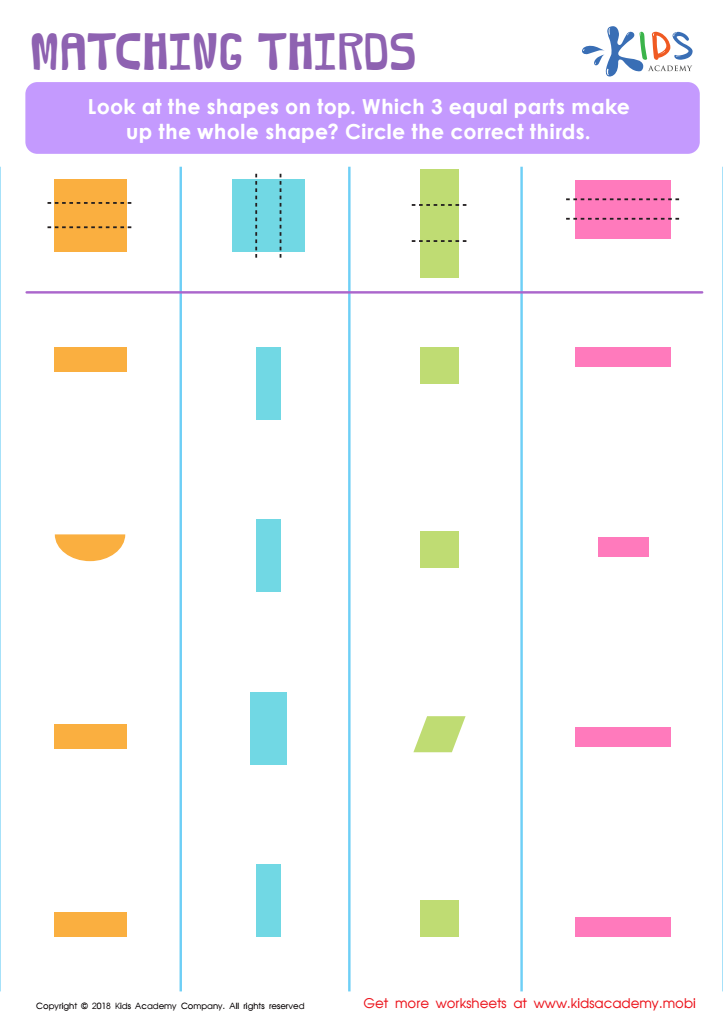
Matching Thirds Worksheet
Bubbling Over Worksheet
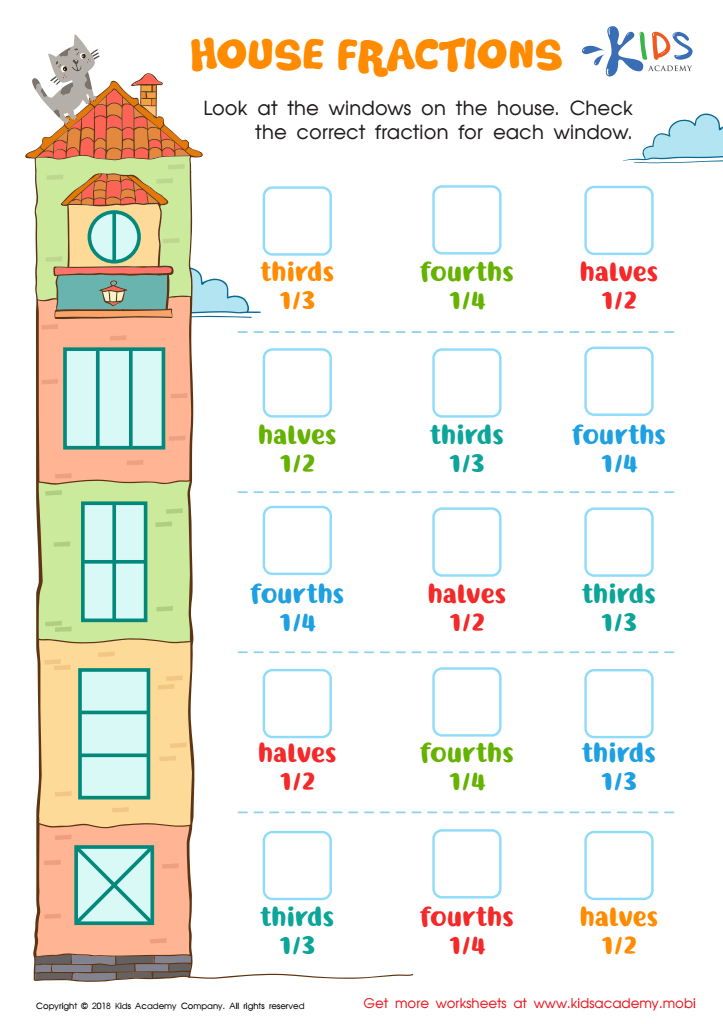
House Fractions Worksheet
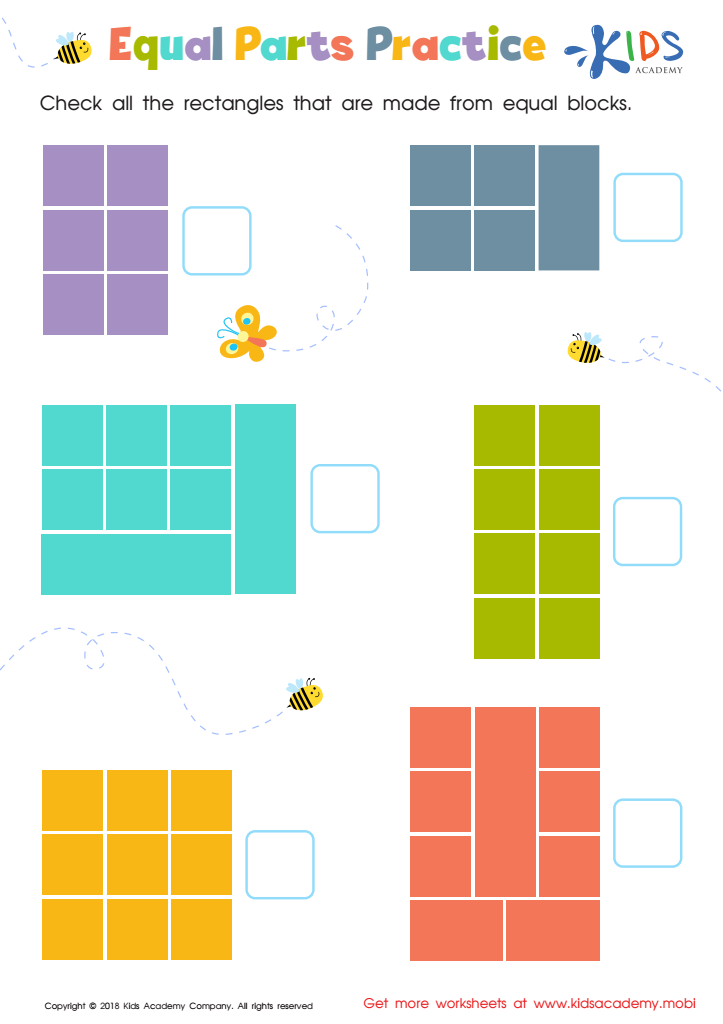
Equal Parts Practice Worksheet
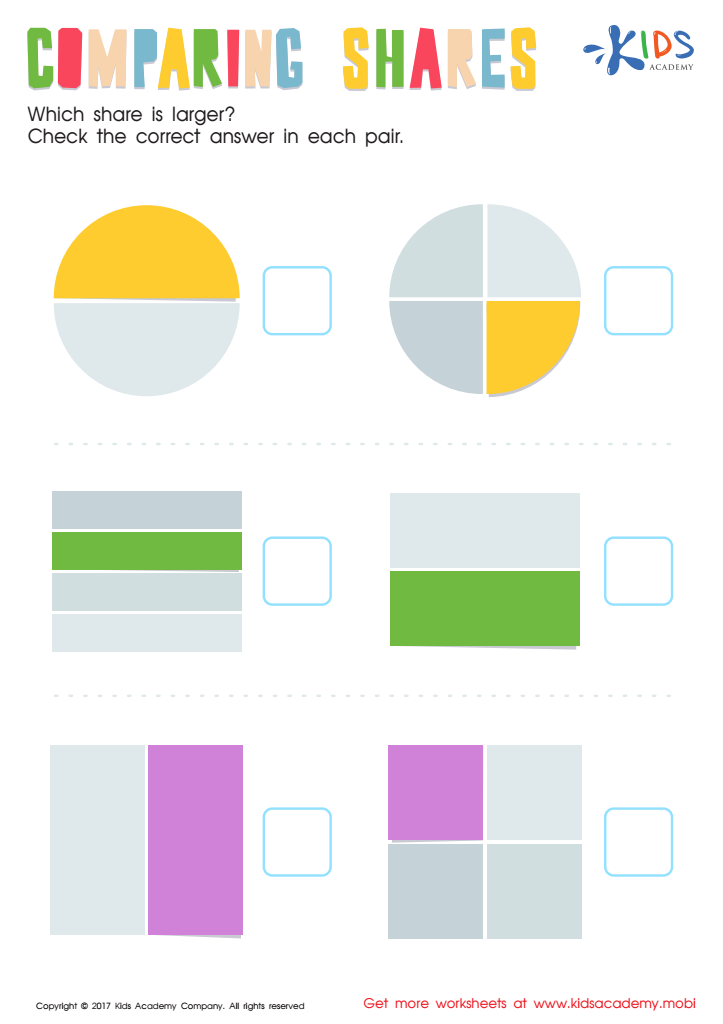
Comparing Shares Worksheet
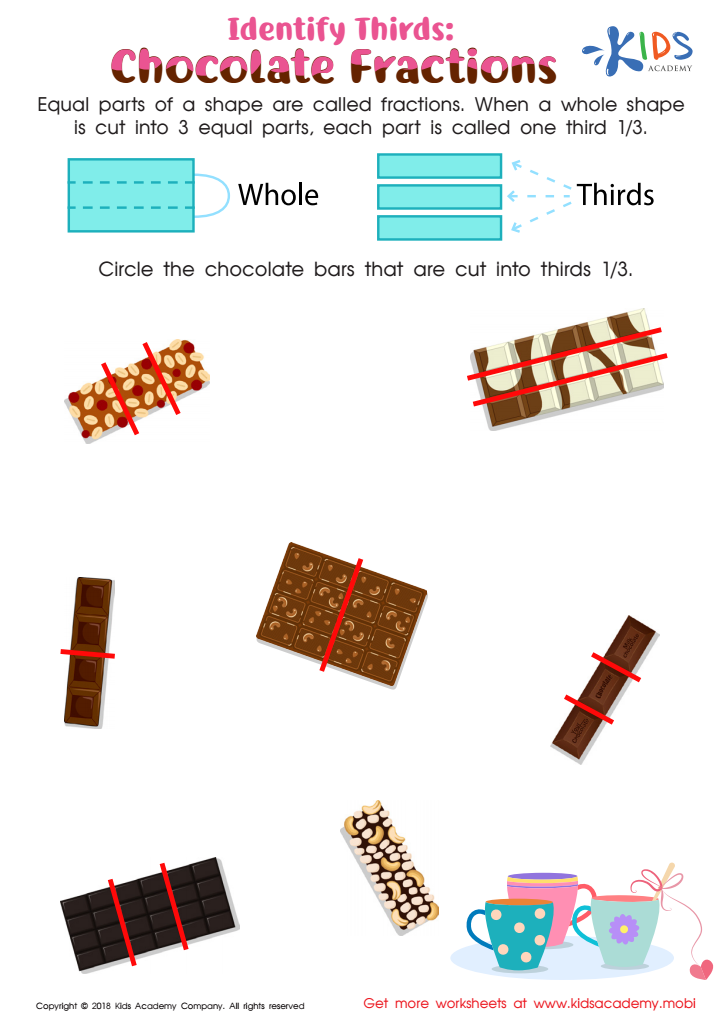
Identify Thirds: Chocolate Fractions Worksheet
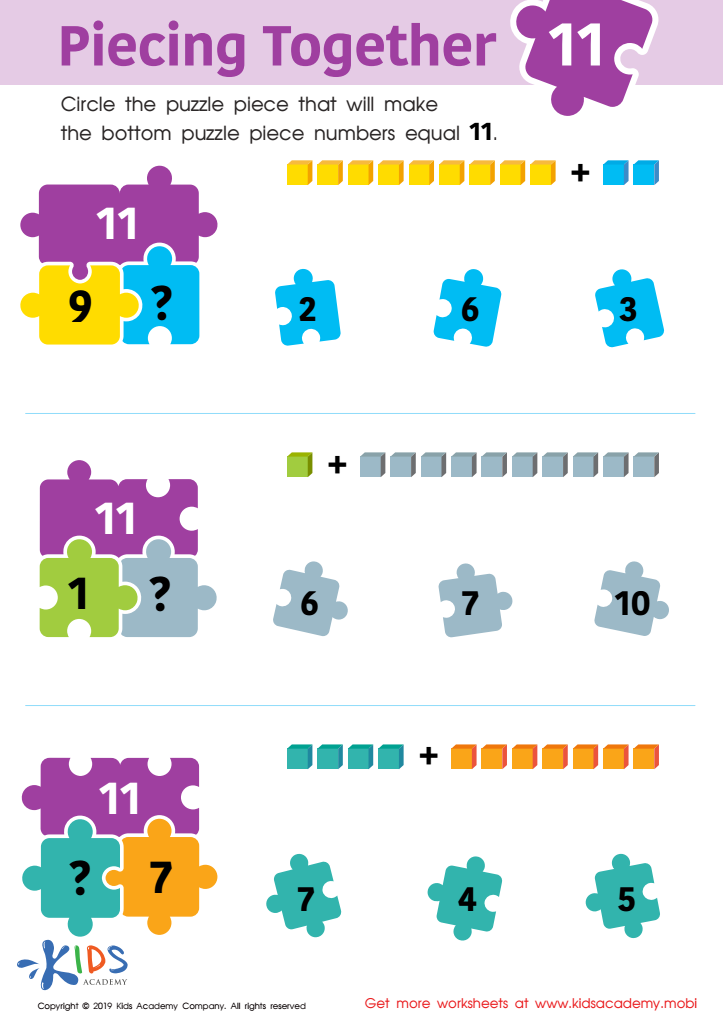
Piecing Together 11 Worksheet
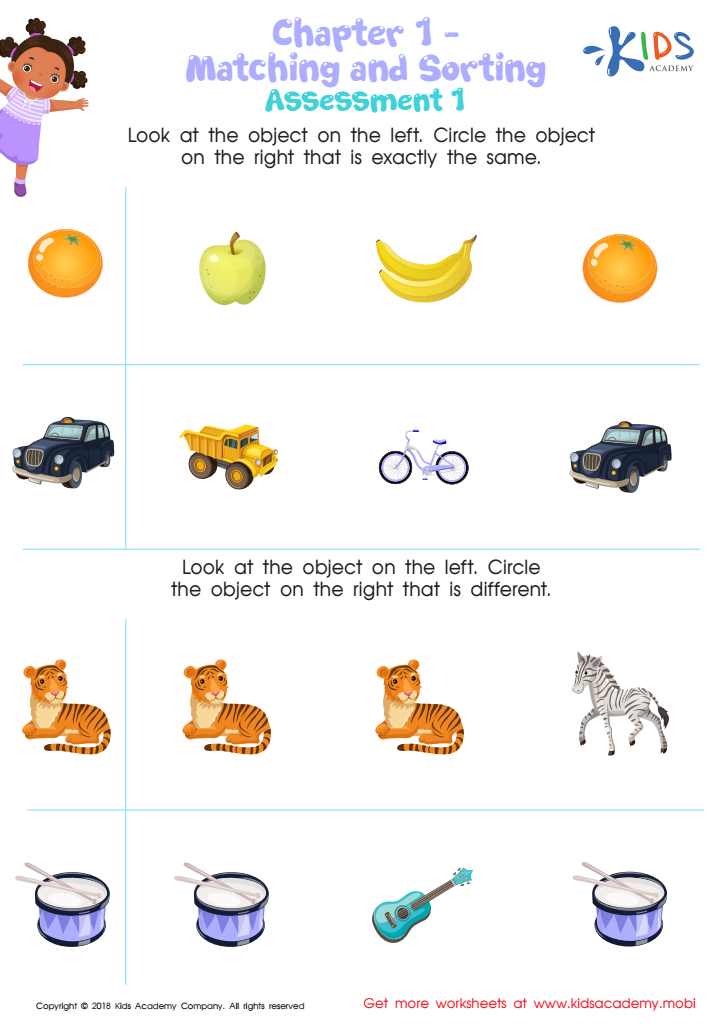
Matching and Sorting for Preschool: Assessment 1 Worksheet
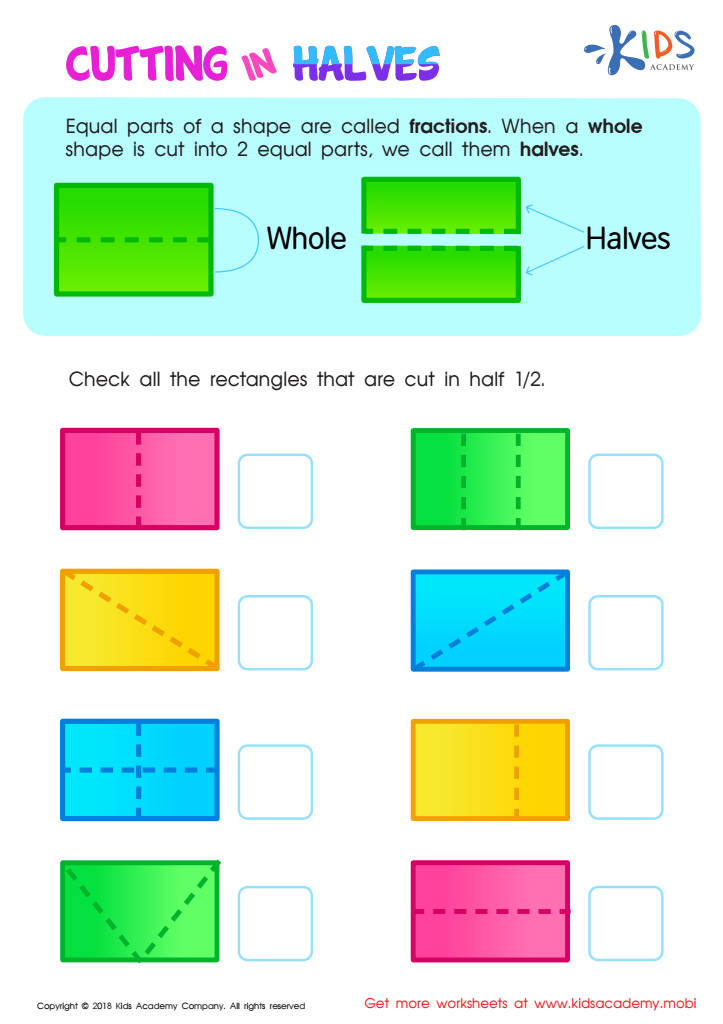
Cutting in Halves Worksheet
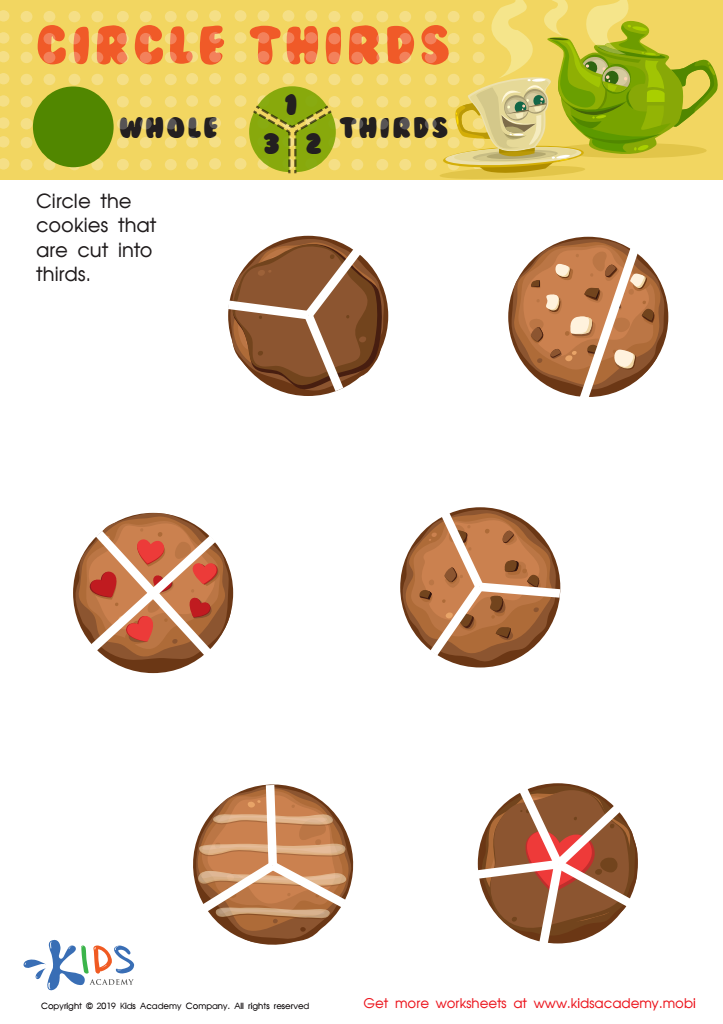
Circle Thirds Worksheet
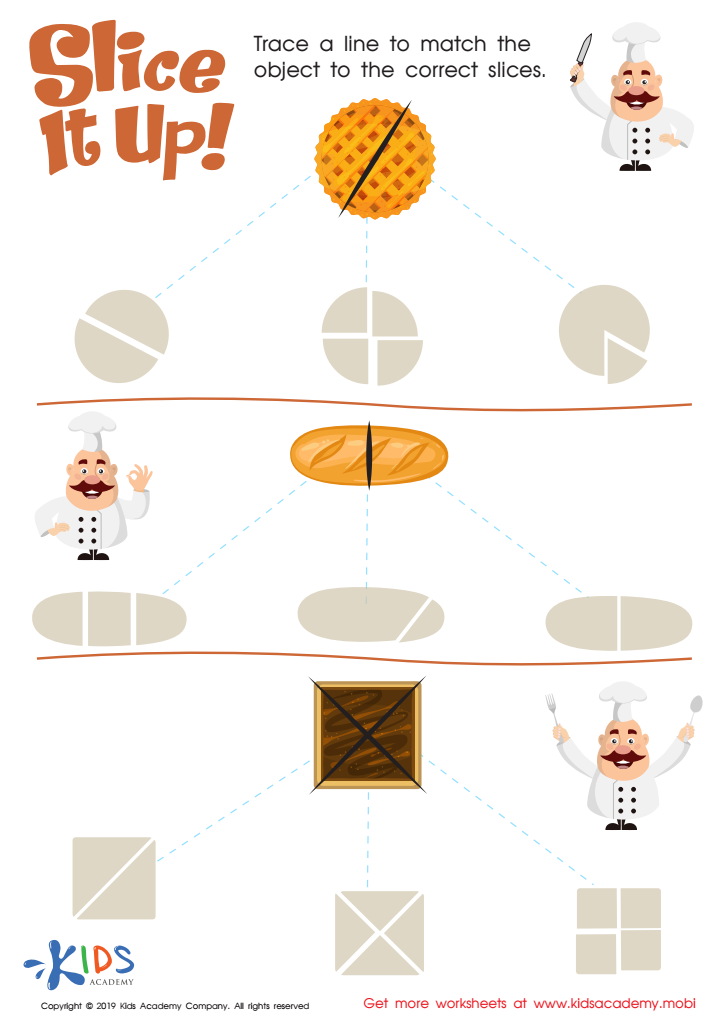
Slice It Up Worksheet
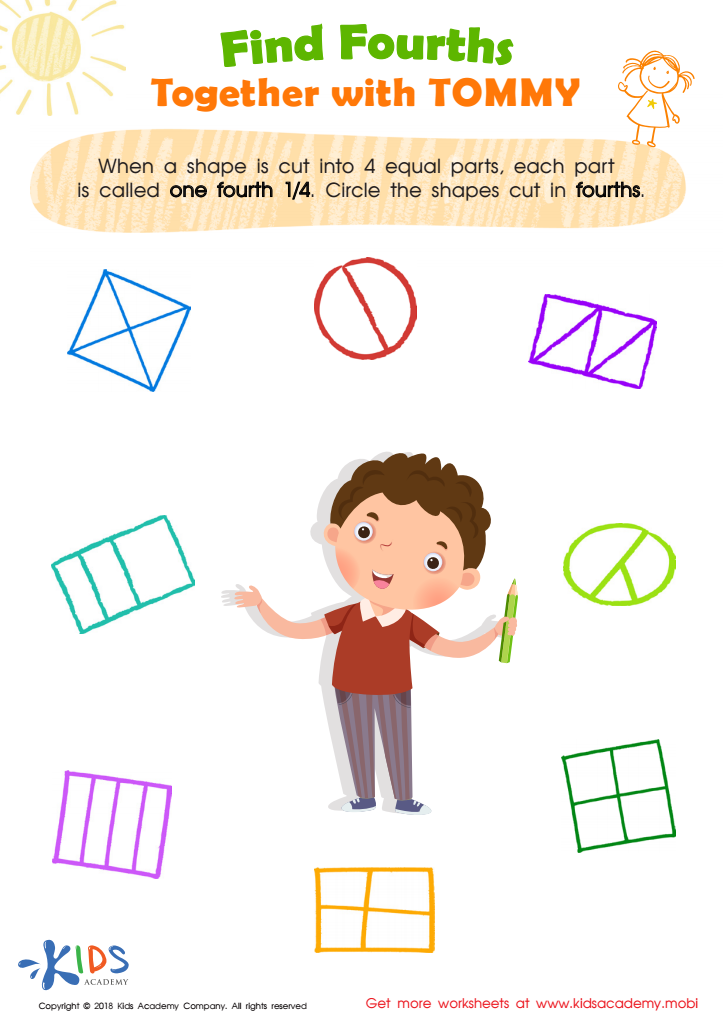
Find Fourths Together with Tommy Worksheet







Understanding fractions is foundational for early math skills and has lifelong benefits. Parents and teachers should prioritize teaching fractions to children ages 4-7 because it builds a strong numerical foundation. At this age, children are developing their mathematical reasoning and problem-solving abilities, which are critical for future success in math and other subjects.
Introducing fractions early helps children grasp the concept that numbers can represent parts of a whole, which is essential for understanding more complex mathematical ideas later on. For example, understanding that one-half is less than one whole or that one-fourth is smaller than one-half sets the stage for learning about ratios, proportions, and decimals.
Moreover, engaging with fractions through hands-on activities, like dividing a pizza or sharing a chocolate bar, makes the learning process enjoyable and meaningful. This practical approach fosters a positive mathematical mindset and enhances children's ability to make real-world connections.
Understanding fractions also supports the development of critical thinking and analytical skills. As children work with fractions, they learn to compare, estimate, and reason proportionally, skills that are valuable in everyday life. By making fractions accessible and fun, parents and teachers play a crucial role in setting children up for a lifetime of mathematical confidence and competence.








